How Haptic Feedback Is Changing Gamepad Experience
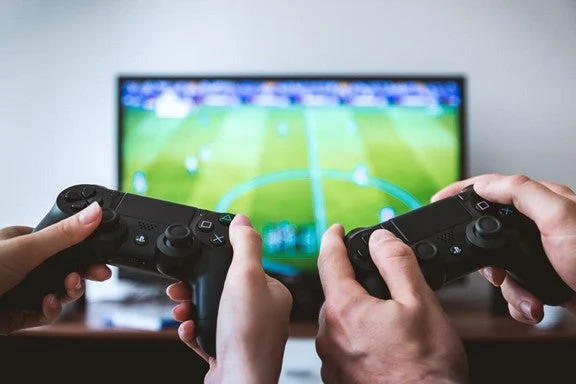
Haptic feedback is the sense of touch in digital devices. In simple words, it makes you feel the game. It does this by adding vibrations or small movements. These feelings come through the gamepad. They match what is happening on the screen. This makes games feel more real. You can feel a car engine, the blast from a gun, or even a soft breeze.
The New Way to Play
Old gamepads had basic vibrations. You might feel a rumble when you crash in a race. But today’s haptic feedback is smarter. It gives many types of touches. You can feel soft taps, sharp jolts, or slow pulses. This change makes games more fun and lifelike.
Deeper Game Connection
Touch is a strong sense. Haptic feedback uses it to bring players closer to the game. It builds a deep link between action and feeling. When you feel what your character feels, you react faster. You don’t just see and hear the game—you feel it too. That’s a big deal.
Haptic Feedback in Action
Let’s say you’re walking through snow in a game. Your feet crunch softly with each step. The gamepad gives a tiny pulse for each footfall. Now imagine a storm hits. Strong, sharp rumbles run through your hands. You know it’s bad out there—without even looking. This is how haptics work with your senses.
Games That Use It Best
Some games today use haptic feedback very well. Racing games let you feel the road under your tires. Adventure games use it when you climb, jump, or fall. Even puzzle games may use soft taps when you get things right. These touches help players feel part of the world.
Better for All Players
This kind of feedback helps more than just thrill-seekers. Haptic feedback is useful for players who may not hear or see well. For them, feeling the game can give important clues. It’s another way to learn and react in the game. That makes gaming more open to everyone.
More Than Just Rumble
There’s a big difference between old and new feedback. Older rumbles were often the same no matter the event. New haptics change by context. If you shoot a small gun or a big one, the feeling is different. If you drive on dirt or ice, your hands know it. It’s much smarter now.
Not Just for Consoles
Haptic feedback is also used in mobile games and VR. You can find it in smartphones and wearable devices too. Even some acepokies aussie online casino apps use soft vibrations for fun and alerts. It shows how useful haptics can be, even outside of regular gaming.
Helping Game Makers Be Creative
Game developers love tools that offer more. Haptic feedback lets them tell stories through touch. They can design scenes where you feel danger, joy, or surprise. That’s a new way to add depth. Developers now plan around this feature, not just add it at the end.
The Future of Touch in Gaming
Haptic feedback is just getting started. In the future, it will get even better. Gamepads might offer heat or pressure. They could even respond to your grip. You might feel a heartbeat or the sway of a ship. These changes will keep making games richer.
Conclusion
Haptic feedback is changing how we play. It adds a new layer of fun and feeling. You don’t just play a game—you step into it. Whether it’s a stormy sea or a battle in space, haptic touch makes it real. And the best part? This tech is for everyone. As it grows, gaming will become more full, fun, and fair.