Creating a Safer Hospital Ward: The Role of Modern Patient Lifting Equipment
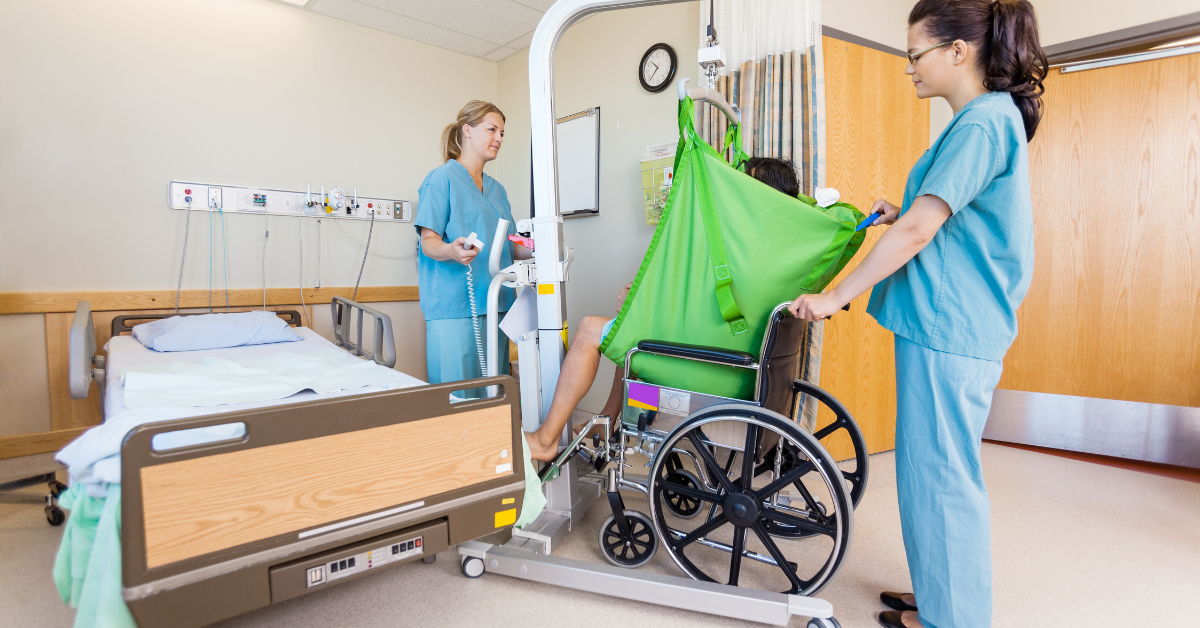
Hospitals are busy. Always have been, always will be. From urgent admissions to late-night rounds, there’s rarely a quiet moment on the ward. And somewhere in the middle of all that movement—between monitoring vitals and adjusting medication charts—someone, somewhere, needs help getting out of bed.
Simple. Not exactly.
Lifting a patient sounds straightforward… until you’re the one doing it, in a cramped space, with a colleague who’s halfway through another call, and an anxious patient, maybe in pain. That’s why hospital patient lifting equipment isn’t just a nice-to-have—it’s a must.
The Real Cost of “Just Helping Someone Up”
Let’s start with the obvious. Nurses, physios, orderlies—they’re all human. And lifting people, especially repeatedly, is hard. Even when you use the proper technique, it takes a toll. One wrong move, and it’s a strained back. Or worse—an injury that lingers for months.
For patients, it’s no less risky. A stumble. A slip. A moment of imbalance. That’s all it takes for a minor transfer to become a serious incident. And yet, in too many wards, lifting still gets handled manually—or with equipment that’s either outdated or hard to use.
That’s where modern hospital patient lifting equipment makes all the difference, not just in the physical act of lifting, but in reshaping how hospitals manage care, risk, and even morale.
More Than Machines—These Tools Change the Culture
You know when a workplace values safety. It’s in the language the staff use. The way they move. The quiet confidence that comes from knowing, “We’ve got the right tools for this.”
Good hospital patient lifting equipment helps build that culture. It takes pressure off staff. Reduces hesitation. Lifts become part of routine care, not stressful episodes everyone quietly dreads.
And let’s not forget patients. When transfers feel smooth, secure, and respectful, it changes how they experience care. There’s less fear—more trust.
So, What’s Out There—and What’s Working?
Not all lifting equipment is created equal. And hospitals, with their tight corridors, busy wards, and ever-changing patient needs, need gear that can keep up.
Ceiling hoists? Great for permanent setups, especially in rehab or long-stay wards. Mobile floor hoists? Super versatile—ideal when space is limited or you’re working across different departments. Then you’ve got sit-to-stand aids, transfer boards, and slide sheets—all part of the toolkit.
Modern hospital patient lifting equipment has also come a long way in terms of design. Motors are quieter. Controls are easier. Bases adjust more fluidly. And importantly, many systems now support bariatric patients too, without requiring an entirely separate setup.
What that means is better care for more patients. Less waiting. Less improvising. Fewer “make it work” moments that usually end in discomfort or risk.
Training Makes the Tools Useful
Here’s a truth hospitals sometimes overlook: equipment is only helpful if staff know how to use it confidently.
Too often, hoists sit unused in corners—not because they’re broken, but because no one remembers how to operate them properly. Or worse, they’re seen as slow or awkward, so staff default to lifting manually “just this once.”
That’s why modernisation can’t stop at purchase. Facilities need to pair hospital patient lifting equipment with training—real training, not just a ten-minute demo in the break room. That’s how you build habits. That’s how you protect people.
When lifting gear becomes second nature, everything else improves, too. Staff injuries drop. Transfers get faster. And patients stop feeling like burdens.
Long-Term Thinking: Safety That Pays for Itself
Now, let’s be real—hospitals run on tight budgets. Every purchase has to be justified, every investment scrutinised. But here’s the thing: hospital patient lifting equipment doesn’t just prevent injuries. It prevents downtime. Replacements. Legal issues. Staff turnover.
In other words, it saves money in ways that don’t always show up in monthly reports—but matter.
And beyond the numbers? There’s the human side. The ward where people feel safer. The staff who don’t go home with aching backs. The patient who smiles because they didn’t have to be manhandled just to reach the bathroom. That kind of improvement? You can’t always measure it, but you can feel it.
A Little Dignity Goes a Long Way
One thing people don’t talk about enough: how humiliating it can feel to be lifted, especially when you’re vulnerable. Illness already strips so much control. Add a clumsy or rough transfer, and it gets worse.
Thoughtfully designed hospital patient lifting equipment gives some of that control back. It supports, rather than drags. Offers comfort, not just function.
For a patient who’s scared or in pain, that matters. A lot more than we often realise.
Final Thought: It’s Not Just About Lifting
Lifting is physical, sure. But it’s also emotional. Cultural. Logistical. It says a lot about how a hospital values safety, respect, and care.
With the right hospital patient lifting equipment from CHS Healthcare, those values get built into every shift, every transfer, every interaction. And when that happens? Everyone benefits—staff, patients, and families—even the hospital’s bottom line.