Top Reasons to Choose Sofa Upholstery in Dubai Instead of Buying New
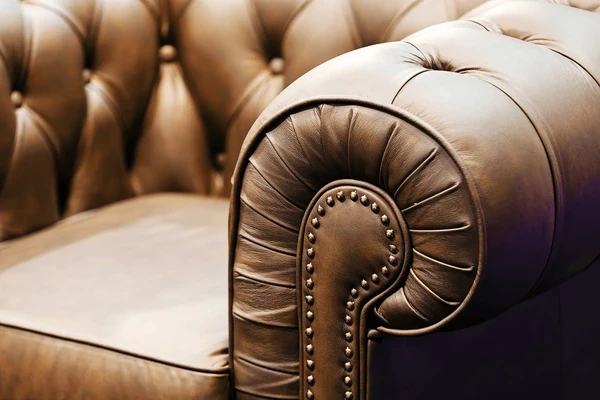
Your living room sofa sees a lot of use over the years, so it’s no wonder it can start looking a bit tired. When wear and tear starts to show, you might think the only solution is to replace it with a brand-new piece. However, opting for sofa upholstery Dubai instead of buying a new sofa can be a smarter choice. By having your existing sofa professionally reupholstered, you give it a fresh lease on life at a fraction of the cost. Below, we explore the top reasons you should consider reupholstering your sofa instead of buying a new one.
Cost Savings Compared to Buying New
One of the biggest reasons to choose reupholstery is the cost savings. Reupholstering a sofa is typically much more budget-friendly than purchasing a brand-new sofa of comparable quality. In many cases, a quality reupholstery job costs 50–60% less than buying a similar new sofa. Essentially, you’re paying only for refreshing the fabric and padding, not for an entirely new furniture frame.
There are also hidden savings that come with fixing up your furniture instead of replacing it. Buying new furniture often entails delivery fees, and you might have to pay for removal or disposal of your old sofa. Reupholstery avoids these extra costs since you’re upgrading the piece you already own. If your sofa has a solid frame and comfortable structure, it’s financially wise to renew it rather than tossing out that investment. By preserving a good-quality piece, you end up with a sofa that looks and feels brand new for a fraction of the price.
Ways reupholstery saves money:
- Avoid Extra Fees: No expensive delivery charges for a new sofa or special junk removal costs for the old one.
- Maximize Value: If you bought a high-quality sofa originally, reupholstering retains that value so you don’t pay all over again for similar quality.
Personalized Style and Design
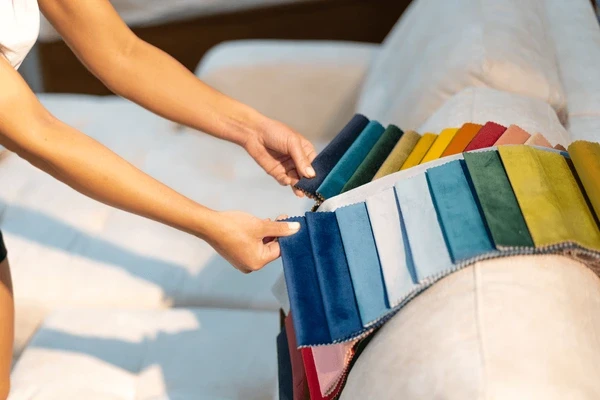
Another compelling reason to choose sofa reupholstery is the ability to personalize your furniture’s style. With reupholstering, you are not limited to the fabric and color options retailers offer on new sofas. Instead, you can select from countless fabrics and materials to perfectly suit your taste and décor. This freedom means the “new” version of your sofa will fit your home’s aesthetic like a glove.
Moreover, professional upholsterers can often make minor modifications or enhancements to your piece during the process. This level of customization ensures your reimagined sofa will be a one-of-a-kind creation reflecting your personal style and needs. Reupholstery gives you a degree of creative control that buying off the showroom floor simply can’t match.
Examples of customization when reupholstering:
- Fabric & Color: Choose from a wide range of materials (velvet, cotton, leather, etc.) in any color or pattern — far more options than standard factory models.
- Tailored Comfort: Adjust the cushion foam or padding to get the seat just as soft or firm as you prefer for optimal comfort.
- Design Details: Add special touches like tufted backrests, contrast piping, or modern legs. Your old sofa can be transformed to look like a bespoke new piece.
Environmentally Friendly Choice
In an age of growing environmental awareness, reupholstering your sofa is a sustainable choice that helps reduce waste. Discarded furniture is a significant contributor to landfills. In the U.S. alone, the EPA estimates that about 9 million tons of furniture get thrown away each year — roughly 5% of all landfill waste. By reupholstering, you keep your sofa out of the landfill and give it a second life.
Refurbishing furniture also means less demand for new resources. Manufacturing a new sofa consumes a lot of raw materials and energy, whereas upholstery uses only the new fabric and padding needed to rejuvenate the existing frame. Many pieces clogging landfills today are cheaply made “fast furniture” that didn’t last long. Reupholstering a solid older sofa prevents it from becoming part of this throwaway cycle. In short, choosing upholstery over replacement is an eco-conscious decision that reduces your furniture’s carbon footprint.
- Less Waste: Extends the life of your sofa so it doesn’t end up in a landfill, greatly cutting down furniture waste.
- Conserve Resources: Avoids using all the new wood, foam, and textiles required to build a brand-new couch.
- Lower Emissions: Reduces the manufacturing and transportation pollution that would come with producing a new sofa.
Preserve Quality and Sentimental Value
Reupholstering also helps preserve the quality and sentimental value of a sofa you already own. If you have a well-built sofa with a solid wood frame, it likely has much better craftsmanship than most modern couches. Instead of replacing it with a lower-quality new piece, reupholstery lets you keep that superior construction and simply renew the exterior.
There’s also an emotional factor: sentimental attachment. You may own a sofa that carries special memories — maybe a family heirloom or just a favorite piece of furniture with personal history. Reupholstering allows you to hold onto that cherished item, avoiding the regret of throwing it away. You get to enjoy it again in your home, updated with fresh fabric and style but still holding the same meaning.
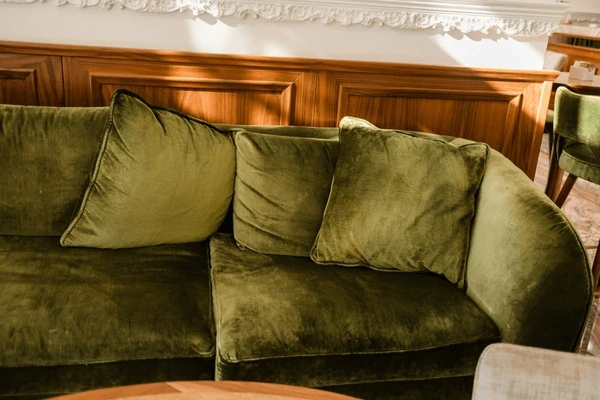
According to home decor experts at Bob’s Upholstery and Decorating Center, “Reupholstered furniture can last up to 15 years and sometimes longer, whereas new furniture may need to be replaced in as little as three years.” This shows that refreshing a beloved sofa not only preserves its meaning, but also yields a durable piece that can outlast many new factory-made sofas. By reupholstering a quality piece, you essentially get a like-new sofa that retains its personal value while standing the test of time.
Comparison: Reupholstering vs. Buying New
For a quick overview, here’s how sofa reupholstery stacks up against buying a new sofa on key factors:
| Aspect | Reupholstering a Sofa | Buying a New Sofa |
| Cost | Lower cost (often ~50% less than a similar new sofa). | Much higher overall expense (full price of new sofa plus delivery and removal fees). |
| Customization | Choose from countless fabrics and materials for a one-of-a-kind look. | Limited to store-available styles and colors; may have to compromise on design. |
| Environmental | Keeps the sofa out of landfills and reduces need for new raw materials. | Old furniture likely ends up discarded; new production uses additional resources and energy. |
| Quality & Longevity | Preserves a sturdy original frame (with needed upgrades) — a reupholstered sofa can last many years. | Often lower build quality, so cheap new couches wear out faster and require more frequent replacement. |
Refresh, Don’t Replace
Choosing to reupholster your sofa instead of buying a new one is a smart decision. It allows you to save money while still achieving a fresh look, and you can tailor the design to your liking. You’re also making an eco-friendly choice by cutting down on waste and reducing the environmental impact of new furniture production. Most importantly, you keep enjoying a quality piece you love — one with memories or simply “good bones” — now revitalized for many more years of comfort.
The next time you’re thinking about replacing a tired-looking couch, remember these advantages. Weigh the cost savings, creative possibilities, and eco-friendly aspects of upholstering against the alternative of a new purchase. You might discover that the best “new” sofa is the one you already own, just expertly renewed. Making this smart choice means you’ll enjoy a refreshed sofa with a story and soul, all while being kind to your budget and the planet.