Beyond Moisturizing: Why Your Hardworking Hands Need “Industrial Strength” Repair
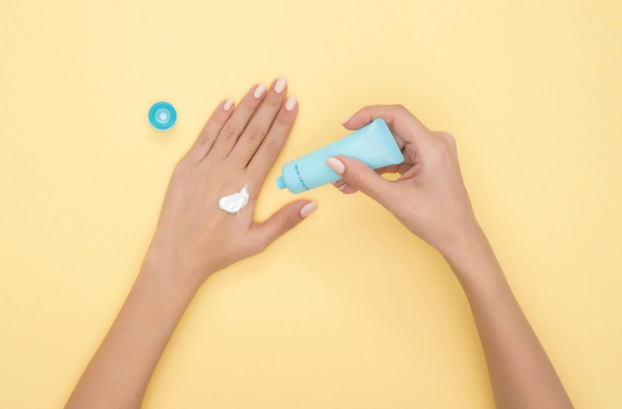
For those who earn a living through manual labor or constant sanitation, a standard lotion often feels like bringing a plastic knife to a gunfight. When your skin is subjected to constant friction, harsh chemicals, or repetitive immersion in water, the biological barrier of your hands eventually breaks down, leading to painful fissures and stubborn roughness. Finding an effective hand cream for very dry hands is the first step in moving beyond temporary surface hydration and toward genuine structural repair. While most consumer-grade moisturizers are designed for aesthetic softness, “industrial strength” formulas are engineered to tackle the specific pathology of occupational dermatitis and severe callusing.
The Occupational Tax on Your Skin
Whether you are a “tradie” on a dusty construction site, a nurse scrubbing in for the tenth time that shift, or a gardener battling the elements, your hands are your most valuable tools. Unfortunately, these professions carry a high “occupational tax” on skin health.
When the skin is exposed to irritants or physical stress, it undergoes a process called hyperkeratosis. This is the body’s way of protecting itself by thickening the outer layer of the skin (the stratum corneum). While calluses are meant to be protective, they often become so thick and inelastic that they lose the ability to bend. The result is the “cracked heel” equivalent on your knuckles and palms: deep, bleeding fissures that are not only painful but also serve as entry points for bacteria and infection.
Standard lotions typically rely on occlusive agents like petrolatum or simple humectants like glycerin. While these provide a temporary barrier, they do little to address the underlying buildup of dead, hardened skin. To truly heal, you need ingredients that can penetrate the “armor” of a callus and reset the skin’s moisture-retaining capabilities.
The Power of 10% Urea: More Than Just Hydration
If there is a gold standard for industrial-strength skin repair, it is Urea. While it sounds clinical, Urea is a naturally occurring component of our skin’s Natural Moisturizing Factor (NMF). However, the concentration matters immensely. While a 2% or 5% concentration might be found in a daily body milk, a 10% concentration transforms the product into a potent therapeutic tool.
Urea is a “double threat” in skincare because it is both a humectant and a keratolytic agent.
1. Intense Humectancy
As a humectant, Urea has a unique ability to bind to water molecules and pull them deep into the epidermal layers. Unlike oils that sit on top of the skin, Urea increases the water-holding capacity of the skin itself. For a hospitality worker whose hands are constantly stripped of natural oils by hot water and detergents, this deep-tier hydration is vital for preventing the skin from becoming brittle.
2. Keratolytic Action
This is where Urea separates itself from basic moisturizers. At a 10% concentration, Urea begins to gently break down the intercellular “glue” (desmosomes) that holds dead skin cells together. This allows the hardened, dry layers of a callus to soften and shed naturally. It doesn’t just “grease” the dry skin; it helps the body get rid of the damaged skin so that new, healthy cells can reach the surface.
Alpha Hydroxy Acids (AHAs): The Precision Exfoliators
While Urea works on hydration and softening, Alpha Hydroxy Acids (such as Lactic Acid) act as the precision tools for surface refinement. For tradies and gardeners, calluses often feel like a layer of leather. Applying a standard cream over this layer is largely ineffective because the cream cannot penetrate the dead cells.
AHAs provide a chemical exfoliation that is much safer and more effective than physical scrubbing. By lowering the pH of the skin’s surface, AHAs encourage the shedding of the outermost, non-viable skin layers. This “resurfacing” effect ensures that the hydrating ingredients in your repair cream actually reach the living tissue where they can do the most good.
Furthermore, Lactic Acid, a common AHA in high-potency formulas, also acts as a humectant. It improves skin texture while simultaneously drawing in moisture, making it an essential partner to Urea in any high-performance hand repair regimen.
Why Speed Matters for Professionals
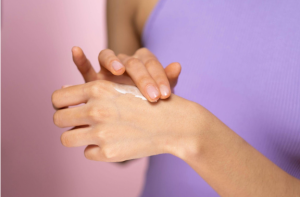
For the professional, a hand repair solution cannot just be effective; it must be fast. A nurse cannot wait thirty minutes for a greasy film to disappear before putting on gloves. A mechanic cannot have slippery hands when handling heavy torque wrenches.
Industrial-strength formulas are often designed with “functional absorption” in mind. Because ingredients like Urea and AHAs work at a molecular level to change the skin’s state, these products often absorb more cleanly than heavy, wax-based balms. They prioritize “grip” and “utility,” ensuring that the user can return to work immediately after application without leaving greasy fingerprints on every surface they touch.
Moreover, the “fast-acting” nature of these ingredients refers to the visible healing of cracks. Within 24 to 48 hours of using a 10% Urea formula, most users notice a significant softening of deep fissures. By addressing the keratin buildup and the moisture deficit simultaneously, the skin regains its elasticity, allowing cracks to close and heal from the inside out.
Beyond the Surface: Long-Term Barrier Protection
The ultimate goal of using high-potency hand repair is not just to fix a current crack, but to restore the skin’s natural barrier function. When the skin is healthy, it acts as a waterproof, bacteria-proof shield. When it is dry and cracked, that shield is compromised.
High-quality repair creams often supplement Urea and AHAs with Vitamin E and Dimethicone. Vitamin E acts as an antioxidant to support cellular repair, while Dimethicone creates a breathable, non-greasy protective “glove” that helps shield the skin from further environmental damage. This multi-layered approach ensures that while you are working to heal the damage of today, you are also reinforcing your hands against the challenges of tomorrow.
The Regimen for Success
To get the most out of an industrial-strength hand cream, consistency is key. For those in high-stress professions, a three-step approach is recommended:
- The Clean Slate: Wash hands with a soap-free cleanser whenever possible to avoid stripping more oils.
- The Active Treatment: Apply a high-potency cream containing 10% Urea immediately after washing or at the start of a break. Focus on the knuckles, the webs between fingers, and any visible calluses.
- The Overnight Recovery: Apply a generous layer before bed. Since the body does its most intense repair work while you sleep, this is the best time for the keratolytic agents to soften the skin without the interference of water or friction.
Conclusion
Your hands are the primary interface between you and your craft. Treating them with a basic moisturizer is often insufficient for the level of trauma they endure daily. By choosing a formula backed by clinical ingredients like 10% Urea and AHAs, you are moving beyond simple cosmetic care into the realm of functional skin health. These high-potency ingredients provide the “industrial strength” necessary to dissolve calluses, heal deep cracks, and restore the resilient, flexible barrier that every hardworking professional needs. Don’t let painful, dry skin become a distraction from your work; give your hands the specialized tools they need to stay as tough and capable as you are.