How to Dress for a First Date Without Looking Like You Tried Too Hard
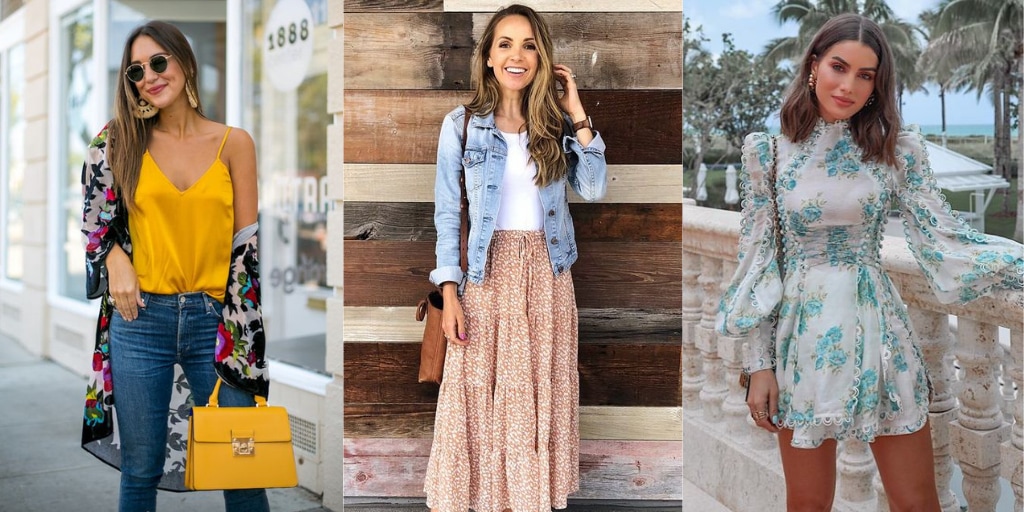
A first date outfit carries a specific burden. You want to look put together without appearing like you spent 3 hours in front of a mirror. You want to seem confident without broadcasting insecurity through overdone choices. The goal is simple: wear something that lets you focus on the conversation instead of adjusting your collar or tugging at your hem.
Most advice on this topic circles back to vague suggestions about being yourself. That sentiment, while pleasant, does nothing when you are standing in front of your closet at 6:47 PM with dinner reservations in an hour. Practical guidance requires specificity. What colors work? What fits feel current without looking like a costume? How do you accessorize without piling on?
The answers have shifted for 2026. Tight tailoring feels dated. Logo-heavy accessories read as effortful in the wrong direction. The current preference leans toward relaxed silhouettes, considered color choices, and restraint in the details. One strong decision beats several mediocre ones stacked on top of each other.
When Nerves Start to Feel Like Something Else
The line between first-date anxiety and genuine attraction can blur in ways you might not expect. Sweaty palms, a racing heart, and an inability to focus on what you ordered for dinner often get dismissed as nerves. Sometimes they are the first signs of falling in love, which makes how you present yourself feel more weighted than a typical evening out.
Dressing with intention when you suspect something real is forming requires a different approach. Research in the Journal of Personality and Social Psychology found that women wearing red were rated more attractive and sexually desirable by men, with participants often unaware of color’s role in their response. Pair that with 2026’s preference for relaxed tailoring over skintight fits, and you have a formula: one bold color choice, one considered accessory, and a silhouette that lets you move without restriction.
The Color Question
Red works. The research backs this up, and the effect operates below conscious awareness. Participants in studies were shown identical images of women framed by different colors. Red consistently produced higher ratings for attractiveness and desirability. The men did not report noticing the color difference, yet their responses changed measurably.
You do not need to wear head-to-toe red. A red top with neutral pants works. A burgundy dress accomplishes the same effect with slightly less intensity. The point is to use color with purpose rather than defaulting to black or grey because those feel safe.
2026 styling has moved toward unexpected color combinations. Pairings that seem wrong on paper can work when executed with confidence. A rust-colored blouse with olive trousers. A deep plum sweater against camel. The effect reads as intentional rather than mismatched when the fit is correct, and the accessories remain minimal.
Fit Matters More Than the Garment
Skintight clothing has fallen out of favor for practical and aesthetic reasons. Restrictive fits make you fidget. They limit how you sit, how you eat, and how you gesture while telling a story. The discomfort shows.
Oversize blazers have replaced fitted ones as the preferred option. They layer well over simple bases like a plain t-shirt or a lightweight knit. The silhouette appears relaxed rather than stiff. Movement becomes easier. You can lean forward at the table without feeling like your jacket is fighting you.
This applies to bottoms as well. Trousers with some room through the leg look current. Dresses that skim rather than cling allow for natural posture. The goal is clothing that drapes correctly rather than gripping.
One Accessory, Not Seven
The impulse to add more often comes from uncertainty. A watch, a bracelet, a ring, a necklace, a scarf, an interesting belt. Layering accessories can work in editorial photography where someone else arranged each piece. On a first date, it tends to look busy.
Fashion guidance for 2026 emphasizes a single considered accessory over multiple layered pieces. One interesting pair of earrings. One quality watch. One well-made bag. The restraint communicates confidence more effectively than accumulation.
Loud branding on accessories has also lost ground. Visible logos on belts, bags, and shoes can read as try-hard rather than assured. The preference has shifted toward quiet pieces without prominent designer marks. The quality shows through materials and construction rather than labels.
Match the Venue and Weather
This seems obvious, but people get it wrong constantly. Heels for a walk through a park. A blazer for outdoor seating in August. A white shirt for a restaurant known for its red sauce.
Think through the evening before selecting anything. Where are you going? What will you be doing? Will you be sitting, standing, or walking? Is the location casual or formal? Air-conditioned or open-air?
A date at a low-key wine bar calls for different choices than a seated dinner at a reservation-only restaurant. A walk along the waterfront followed by coffee needs comfortable shoes and layers you can adjust. Outdoor venues in warm months require breathable fabrics.
Weather deserves equal consideration. Arriving visibly sweaty undermines whatever confidence your outfit provides. Shivering through the evening because you chose style over warmth distracts from connection. Check the forecast.
What to Avoid Entirely
Clothing you have never worn before introduces risk. You do not know how the fabric moves, where it pulls, or if the neckline shifts. First dates have enough uncertainty without adding wardrobe surprises.
Anything that requires constant adjustment belongs in the donation pile, not on your body for a first impression. Strapless tops that slip. Pants that need constant pulling up. Shirts that gap between buttons.
Outfits intended to provoke a reaction often backfire. The goal is to look like yourself on a good day, not a version of yourself constructed for this specific occasion.
The Final Check
Before leaving, sit down in your outfit. Raise your arms. Bend forward. Walk across the room. The clothing should move with you without protest.
Look in the mirror once, confirm everything is in place, and leave. Checking repeatedly feeds doubt. You picked the outfit. Trust it.