Why Do People Faint? Symptoms & Prevention Tips 2026

Why do people faint — and is it something you should worry about? Fainting, known medically as syncope, is a sudden and brief loss of consciousness caused by a temporary drop in blood flow to the brain. It can happen to anyone, at any age, and often comes with very little warning.
While most fainting episodes are harmless and resolve within seconds, some signal an underlying condition that needs medical attention.
What Is Fainting?
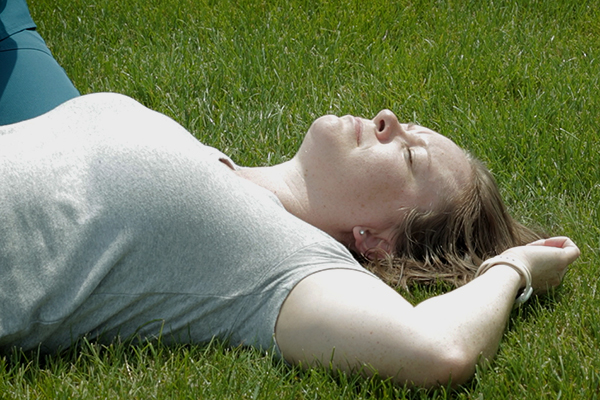
Fainting is a sudden, temporary loss of consciousness that usually lasts from a few seconds to a few minutes.
The medical term is syncope (pronounced SIN-ko-pea). It happens when the brain does not receive enough oxygenated blood to stay conscious. The body responds by falling to the ground — which is actually a protective reflex. Being horizontal makes it easier for blood to flow back up to the brain, which is why most people regain consciousness quickly once they are lying down.
According to research, approximately one in three people will experience at least one fainting episode in their lifetime.
How Fainting Happens: The Chain Reaction
Fainting is not random. It follows a predictable physiological sequence inside the body.
First, a trigger occurs — such as fear, pain, prolonged standing, or dehydration. That trigger causes blood pressure to drop suddenly. The heart rate slows, blood vessels widen, and blood pools in the lower body instead of circulating to the brain. Within seconds, the brain is not receiving enough oxygen to maintain consciousness. The person loses muscle tone, falls, and briefly loses awareness.
This entire process can happen in under 60 seconds. Understanding the chain reaction helps you identify the trigger and interrupt it before the next episode.
Warning Signs Before Fainting (Prodromal Symptoms)
Most people experience warning signs in the seconds or minutes before they lose consciousness.
These early signs are called prodromal symptoms. Recognizing them gives you a critical window to sit or lie down before you fall and injure yourself.
Common warning signs include:
- Sudden dizziness or lightheadedness
- Feeling unusually warm or flushed
- Blurred or tunneling vision
- Ringing in the ears or fading sounds
- Nausea or stomach discomfort
- Pale or ashen skin
- Cold, clammy, or sweaty skin
- Heart palpitations or a feeling of fluttering in the chest
- Weakness in the legs
- A sense that “everything is going dark”
If you feel any of these symptoms, act immediately. Do not wait to see if they pass.
Types of Fainting (Syncope)
Not all fainting is the same. There are several distinct types, each with a different cause and mechanism.
Vasovagal Syncope
Vasovagal syncope is the most common type of fainting, accounting for the majority of cases worldwide.
It happens when the vagus nerve overreacts to a trigger — such as emotional stress, fear, pain, or the sight of blood. This sudden nerve reflex causes the heart rate to drop and blood vessels to widen simultaneously, dramatically reducing blood flow to the brain. It is sometimes called a neurocardiogenic syncope or a “simple faint.”
Vasovagal syncope is generally benign and not life-threatening. However, falls from fainting can cause serious injuries.
Orthostatic Hypotension Syncope
This type occurs when a person stands up too quickly after sitting or lying down.
The sudden postural change causes blood to pool in the legs. Normally, the body quickly adjusts by tightening blood vessels. When that adjustment is delayed, blood pressure drops and fainting occurs. It is also called postural hypotension and is more common in older adults, dehydrated individuals, and people on blood pressure medications.
Cardiac Syncope
Cardiac syncope is caused by a heart condition that disrupts normal blood pumping.
This is the most serious type of fainting because it can indicate dangerous arrhythmias, structural heart problems, or blocked blood vessels. Unlike vasovagal syncope, cardiac syncope often occurs without warning and can happen during exercise or while lying down — both significant red flags that require urgent evaluation.
Situational Syncope
Situational syncope is triggered by specific actions or situations that activate a reflex affecting blood flow.
Common triggers include coughing hard (cough syncope), straining during a bowel movement (defecation syncope), urinating (micturition syncope), swallowing, and laughing intensely. These reflexes briefly disrupt normal blood pressure regulation and can cause fainting in susceptible individuals.
Neurological Syncope
In rare cases, fainting is triggered by neurological conditions such as seizures, migraines with aura, or conditions that affect the brain’s blood flow regulation.
This type is less common but requires thorough investigation. A key difference is that neurological causes may involve convulsive movements, tongue biting, or a prolonged period of confusion after regaining consciousness — which is different from a typical vasovagal faint.
Complete Causes of Fainting
1. Emotional Triggers
Strong emotions — fear, anxiety, shock, grief, or the sight of blood — are among the most common triggers for vasovagal fainting.
The brain interprets the emotional stimulus as a threat. The vagus nerve fires, causing a sudden drop in heart rate and blood pressure. Blood redirects away from the brain. This is why people faint during blood draws, witnessing accidents, receiving shocking news, or watching medical procedures.
2. Pain
Sudden or severe pain can trigger the vasovagal reflex in many people.
The body’s response to acute pain involves a rapid activation of the nervous system that can temporarily override normal blood pressure regulation. Dental procedures, injuries, and injections are common pain-related fainting triggers. Children are particularly susceptible to pain-induced fainting.
3. Prolonged Standing
Standing still for a long time — especially in heat or a crowded space — causes blood to pool in the legs due to gravity.
The calf muscles normally help pump blood back up to the heart when you move. When standing motionless, that pumping action stops. Blood pressure gradually falls. This is why soldiers, choir performers, and people standing in long lines are prone to fainting. Movement, even minor shifting of weight, helps prevent this.
4. Dehydration
Dehydration reduces the total volume of blood circulating in the body.
Less blood volume means lower blood pressure overall. When blood pressure is already lower than normal, any additional drop — from standing up, getting warm, or physical exertion — can tip the balance and cause fainting. Even mild dehydration in hot weather significantly increases fainting risk.
5. Low Blood Sugar (Hypoglycemia)
The brain depends on glucose as its primary fuel source.
When blood sugar drops too low — from skipping meals, fasting too long, intense exercise, or poorly managed diabetes — brain function is impaired. This can cause dizziness, confusion, weakness, and fainting. Eating regular meals and carrying a fast-acting carbohydrate snack helps prevent hypoglycemia-related fainting.
6. Heat Exposure and Overheating
Prolonged exposure to high temperatures causes blood vessels near the skin to dilate in order to cool the body.
This widespread dilation reduces the blood available to circulate to the brain. Heat syncope is most common in hot, humid conditions, during outdoor events, or in poorly ventilated spaces. Athletes, outdoor workers, and people who are not well-adapted to heat are at highest risk.
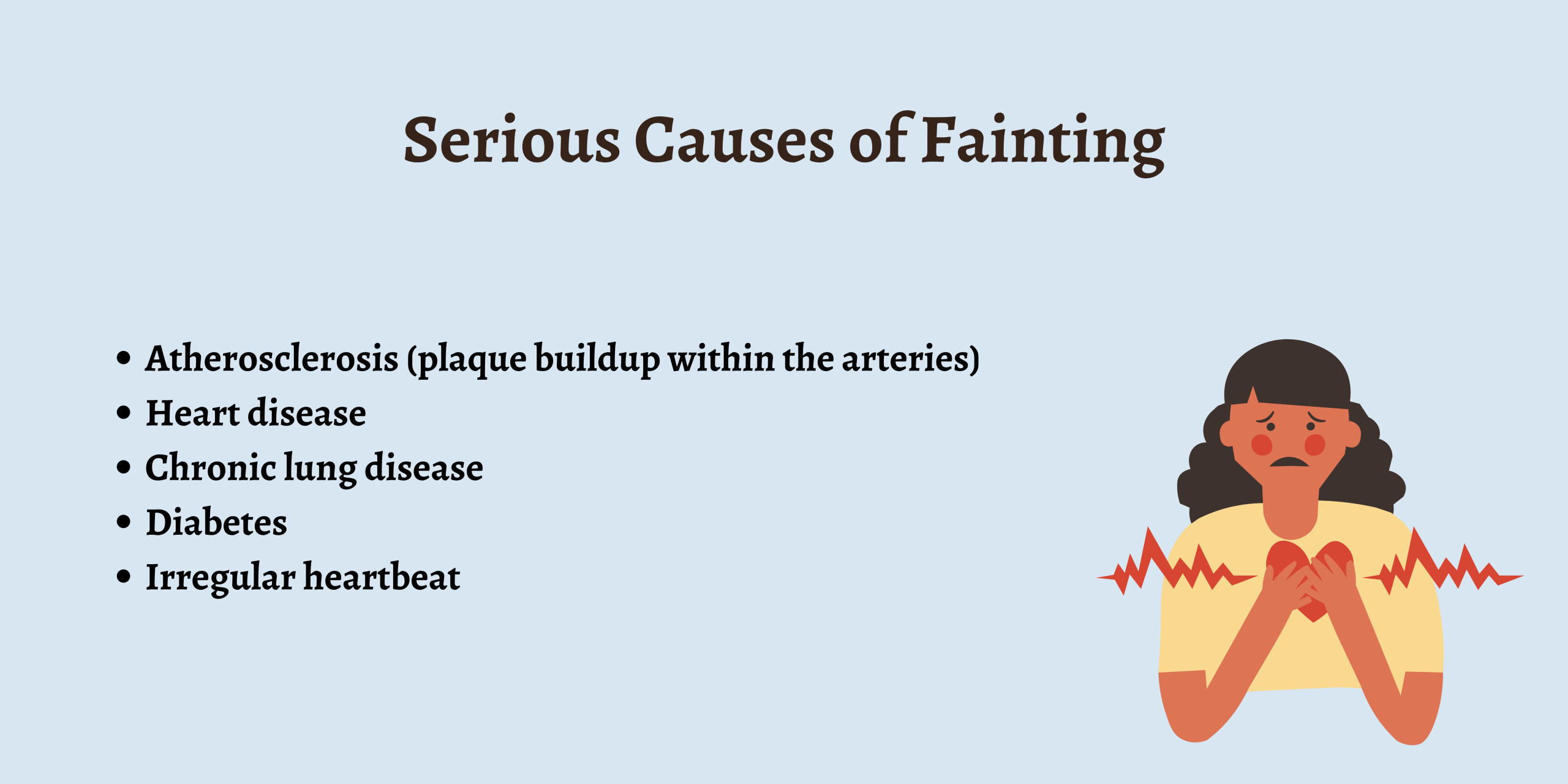
7. Cardiac Arrhythmias
Abnormal heart rhythms — either too fast (tachycardia) or too slow (bradycardia) — can reduce the heart’s ability to pump blood effectively.
When the heart beats too fast, it does not have enough time to fill between beats. When it beats too slow, not enough blood is pumped per minute. Either extreme can cause a sudden drop in brain blood flow and lead to cardiac syncope. Common arrhythmias associated with fainting include atrial fibrillation, ventricular tachycardia, and heart block.
8. Low Blood Pressure (Hypotension)
Chronically low blood pressure or a sudden blood pressure drop is a direct cause of reduced brain perfusion.
Causes of low blood pressure include dehydration, blood loss, severe infection (septic shock), heart failure, and certain medications. People with naturally low blood pressure are more prone to fainting, especially in warm environments or when changing positions quickly.
9. Medications
Several common medications can cause fainting as a side effect by lowering blood pressure or altering heart rhythm.
Medications most associated with fainting-related blood pressure drops include:
| Medication Category | Examples |
|---|---|
| Antihypertensives | Amlodipine, lisinopril, metoprolol |
| Diuretics | Furosemide, hydrochlorothiazide |
| Antidepressants | Amitriptyline, sertraline |
| Antipsychotics | Quetiapine, haloperidol |
| Alpha blockers | Tamsulosin, doxazosin |
| Nitrates | Nitroglycerin |
| Erectile dysfunction drugs | Sildenafil, tadalafil |
Never stop medication without consulting your doctor — but always mention fainting episodes so your provider can adjust your regimen.
10. Anemia
Anemia reduces the number of red blood cells available to carry oxygen throughout the body.
Even if blood is circulating normally, if those blood cells are not carrying enough oxygen, the brain can be deprived. Fainting from anemia tends to happen during physical exertion or standing, when oxygen demands increase. Iron deficiency anemia is the most common type and is often correctable with diet and supplements.
11. Hyperventilation
Breathing too fast — from anxiety, a panic attack, or deliberate breath manipulation — lowers carbon dioxide levels in the blood.
Carbon dioxide plays a key role in regulating blood vessel tone. When CO2 drops, blood vessels in the brain constrict, reducing blood flow. This can cause dizziness, tingling in the hands and face, and fainting. Slow, controlled breathing is both the trigger and the cure for hyperventilation-related syncope.
12. Alcohol and Drug Use
Alcohol is a vasodilator — it widens blood vessels, which lowers blood pressure.
Drinking on an empty stomach, in hot weather, or in large amounts significantly increases fainting risk. Recreational drug use, particularly stimulants and depressants, can disrupt heart rhythm and blood pressure regulation. Combining alcohol with certain medications creates compounding risk.
13. Pregnancy
Fainting is more common during pregnancy, especially in the first and second trimesters.
The growing uterus presses on major blood vessels when lying flat, reducing blood return to the heart. Hormonal changes also cause blood vessels to relax more than usual, lowering blood pressure. Pregnant women are advised to avoid lying on their back and to rise slowly from seated or lying positions.
14. Neurological Conditions
Certain neurological conditions — including epilepsy, migraines with aura, and autonomic nervous system disorders — can cause episodes that resemble or cause fainting.
Autonomic dysfunction (dysautonomia) is a condition where the nervous system fails to regulate blood pressure and heart rate properly. It can cause frequent, unexplained fainting and requires specialized neurological evaluation.
Fainting Risk Factors at a Glance
| Risk Factor | Why It Increases Fainting Risk |
|---|---|
| Older age | Blood pressure regulation weakens with age |
| Dehydration | Reduces blood volume and pressure |
| Heat exposure | Blood vessels dilate, reducing brain perfusion |
| Long periods of standing | Blood pools in legs |
| Skipping meals | Lowers blood sugar (glucose) |
| Heart disease | Disrupts normal blood pumping |
| Anemia | Reduces oxygen carried to the brain |
| Pregnancy | Hormonal and mechanical changes |
| Anxiety disorders | Increases vasovagal reflex sensitivity |
| Certain medications | Lower blood pressure or alter heart rate |
| Alcohol consumption | Vasodilation lowers blood pressure |
| Family history | Genetic predisposition to vasovagal response |
What to Do When Someone Faints

Acting quickly and correctly can prevent injury and help the person recover faster.
If someone near you faints:
Check that they are breathing. If they are not breathing or have no pulse, call emergency services immediately and begin CPR.
If they are breathing, lay them flat on their back and elevate their legs 6 to 12 inches above heart level. This uses gravity to return blood to the brain. Loosen any tight clothing around the neck or chest. Do not give them anything to eat or drink while they are still on the ground. Stay with them until they are fully alert.
Most people regain consciousness within 20 to 60 seconds. Once alert, keep them lying down or seated for at least 10 to 15 minutes before allowing them to stand.
If you feel you are about to faint:
Sit or lie down immediately. Do not try to walk somewhere safer — you could fall. If you cannot lie down, squat on your heels with your head between your knees. This is more discreet than lying flat and is very effective at restoring brain blood flow.
Tense your leg and abdominal muscles repeatedly — this squeezes blood back toward the heart and raises blood pressure quickly. Take slow, steady breaths. Do not stand up until the feeling has fully passed.
When to Call 911 or Seek Emergency Care
Most fainting episodes are not emergencies. But some situations require immediate medical attention.
Call emergency services if:
The person does not regain consciousness within one to two minutes. The person was injured during the fall — particularly a head injury. Fainting occurred during physical exercise or exertion. The person has chest pain, shortness of breath, or heart palpitations before or after fainting. The person has a known heart condition. The fainting episode involved convulsive jerking movements that lasted more than a few seconds. The person is pregnant.
Fainting during exercise in particular is a red flag for a cardiac cause and should be evaluated urgently regardless of how quickly the person recovers.
When to See a Doctor (Non-Emergency)
You should schedule a medical appointment if fainting happens more than once, if you cannot identify a clear trigger, or if fainting episodes are becoming more frequent.
Your doctor will review your medical history, medications, and the circumstances of the fainting. They will check your blood pressure in multiple positions (lying, sitting, standing), listen to your heart, and order blood tests if needed. Depending on the findings, they may refer you for:
- Electrocardiogram (ECG/EKG) — records heart electrical activity
- Holter monitor — continuous heart monitoring over 24 to 48 hours
- Tilt table test — measures blood pressure and heart rate responses to position changes
- Echocardiogram — ultrasound of the heart to check structure and function
- Blood glucose testing — to check for hypoglycemia
- Complete blood count (CBC) — to check for anemia
Effective Prevention Tips for Fainting
Stay Well Hydrated
Dehydration is one of the most controllable fainting risk factors.
Drink water consistently throughout the day — do not wait until you feel thirsty. Aim for at least 8 glasses daily, more in hot weather or after exercise. On days when you know you will be standing for long periods, increase your fluid intake in advance.
Eat Regular Meals
Skipping meals drops blood sugar levels, increasing fainting risk.
Never go more than four to five hours without eating during the day. Keep a small snack — like crackers, a banana, or a handful of nuts — with you if your schedule is unpredictable. People with diabetes should monitor blood glucose levels closely and follow their care plan.
Rise Slowly From Lying or Sitting
Getting up too fast is one of the most common triggers for orthostatic hypotension fainting.
When you wake up in the morning, sit on the edge of the bed for 30 seconds before standing. When rising from a chair, pause halfway up for a moment. This gives your blood vessels time to adjust and prevents blood from pooling in the legs.
Avoid Prolonged Standing
If you must stand for long periods, keep moving your legs.
March in place, shift your weight from foot to foot, or tense your calf muscles repeatedly. Wearing compression stockings helps squeeze blood from the legs back toward the heart and is highly effective for people who frequently faint from prolonged standing.
Recognize and Avoid Your Triggers
Every person who faints repeatedly has specific, identifiable triggers.
Keep a fainting diary — note what you were doing, eating, and feeling in the hour before each episode. Patterns will emerge. If blood draws or injections trigger you, tell medical staff in advance so they can position you lying flat rather than seated. If heat is a trigger, plan outdoor activities for cooler times of day and ensure good ventilation.
Increase Salt Intake (With Doctor Approval)
For people with vasovagal syncope and low blood pressure, a slightly higher salt intake can help raise blood volume and pressure.
Salt causes the body to retain water, which increases blood volume. However, this is not appropriate for everyone — particularly those with high blood pressure or kidney disease. Always get your doctor’s approval before deliberately increasing sodium intake.
Manage Stress and Anxiety
For people whose fainting is triggered by emotional stress or anxiety, managing the nervous system response is key.
Techniques that help include deep diaphragmatic breathing, progressive muscle relaxation, mindfulness meditation, and cognitive behavioral therapy (CBT). Exposure therapy — a specific type of CBT where you gradually face anxiety triggers in a controlled, safe environment — has strong evidence for reducing vasovagal syncope triggered by blood, needles, or medical settings.
Review Your Medications
If you recently started a new medication and began experiencing fainting or near-fainting, contact your doctor.
Many common medications lower blood pressure as a side effect. Your doctor may adjust the dose, change the timing, or switch to an alternative. Never stop prescribed medication without professional guidance.
Fainting in Specific Groups
| Group | Main Cause | Key Recommendation |
|---|---|---|
| Children and teens | Vasovagal syncope, dehydration | Hydrate, eat regularly, avoid prolonged standing |
| Pregnant women | Hormonal changes, vena cava compression | Rise slowly, avoid lying flat, stay cool |
| Older adults | Orthostatic hypotension, medications | Review medications, use compression stockings, rise slowly |
| Athletes | Exercise-induced cardiac syncope | Rule out cardiac cause urgently with ECG |
| People with diabetes | Hypoglycemia | Monitor blood sugar, eat regularly, carry fast-acting glucose |
| People with anxiety | Vasovagal response, hyperventilation | Breathing techniques, CBT, exposure therapy |
Frequently Asked Questions (FAQs)
Why do people faint at the sight of blood?
Seeing blood activates the vagus nerve, which causes a sudden drop in heart rate and blood pressure. This reduces brain blood flow rapidly, triggering a vasovagal faint. Lying flat during blood draws prevents it.
Is fainting dangerous?
Fainting itself is usually not dangerous, but the fall can cause serious injuries. Fainting during exercise, without warning, or with a known heart condition can signal a life-threatening cause and needs urgent evaluation.
What is the most common cause of fainting?
Vasovagal syncope is by far the most common cause, triggered by emotional stress, pain, fear, prolonged standing, or heat. It accounts for the majority of all fainting episodes in otherwise healthy people.
Can dehydration make you faint?
Yes. Dehydration reduces blood volume, lowers blood pressure, and makes the brain more vulnerable to reduced blood flow. Drinking fluids regularly throughout the day significantly lowers fainting risk.
How long does a fainting episode last?
Most fainting episodes last from a few seconds to under two minutes. Consciousness that does not return within one to two minutes is a medical emergency — call 911 immediately.
Can anxiety cause fainting?
Yes. Severe anxiety can trigger the vasovagal reflex and cause hyperventilation, both of which reduce brain blood flow. Managing anxiety with breathing techniques and CBT can significantly reduce fainting episodes.
Should I go to the hospital after fainting?
Go to the emergency room if you were injured in the fall, if you have chest pain or heart palpitations, if you are pregnant, or if fainting happened during exercise. See your doctor non-urgently if it was your first episode with a clear, benign trigger.
Can low blood sugar cause fainting?
Yes. The brain depends on glucose for energy. When blood sugar drops too low — from skipping meals, fasting, or diabetes — brain function is impaired and fainting can occur. Eating regularly prevents hypoglycemia-related fainting.
What is the difference between fainting and a seizure?
Fainting involves brief unconsciousness with quick recovery and no confusion afterward. Seizures often involve sustained convulsive movements, tongue biting, loss of bladder control, and prolonged post-episode confusion. A doctor can help differentiate the two.
Can fainting be prevented completely?
For most people with vasovagal syncope, fainting can be significantly reduced or eliminated with hydration, trigger avoidance, compression stockings, dietary changes, and stress management. Complete prevention depends on the underlying cause.
Conclusion
Fainting is one of the most common medical events a person will experience in their lifetime — and in most cases, it is not a sign of something dangerous. Vasovagal syncope triggered by stress, heat, pain, or prolonged standing accounts for the vast majority of episodes and is very manageable once you understand your body’s warning signs.
The key is knowing when fainting is routine and when it is a red flag. Fainting during exercise, fainting without any warning, or fainting alongside chest pain and heart palpitations are situations that always need urgent medical evaluation. For everyone else, the combination of consistent hydration, regular meals, slow position changes, compression stockings, and trigger awareness makes a real and lasting difference.
Track your episodes, know your triggers, talk to your doctor if fainting becomes recurrent, and take every warning sign seriously. With the right knowledge and simple daily habits, most people can take back control and reduce fainting episodes dramatically.