Making Outdoor Chores Less of a Chore
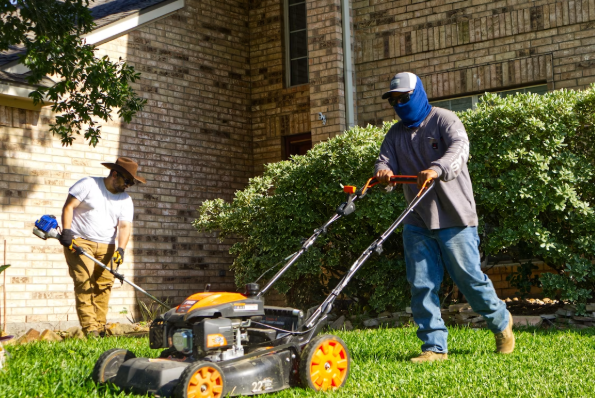
A beautiful yard can make you proud and give you a perfect spot to relax. But keeping it that way often feels like endless work. Mowing, weeding, seasonal cleanups, the list of outdoor chores can quickly get overwhelming. Good news, though! With a few tweaks to how you do things and the tools you use, you can spend less time working on your yard and more time enjoying it.
Streamlining Your Routine
The secret to handling outdoor work is to stop seeing it as one huge, scary project. Instead, set up a simple routine you can stick to and break tasks into smaller, easier pieces. One good way is to think “a little and often.” For example, don’t let leaves pile up for a month. Instead, spend 15 minutes every few days clearing the patio. This approach, sometimes called microshifting chores, stops small tasks from turning into weekend-long headaches.
Making a seasonal calendar can also help bring order to the chaos. Your year might look something like this:
- Spring: Clean up winter mess, get garden beds ready, reseed the lawn, and trim early-flowering shrubs after they bloom.
- Summer: Focus on regular mowing, watering, and weeding. Keep up with trimming hedges and deadheading flowers so they keep blooming.
- Fall: Deal with falling leaves, cut back perennials, and mow the lawn one last time.
- Winter: Tidy up stored tools, clear snow, and check on plants that are sleeping or protected garden beds.
Putting similar tasks together helps you work smarter. For example, do all your trimming at once: hedges, bushes, and tree limbs. Then, you can clean up everything in one go. This “task batching” method helps you stay focused and means less time switching between different tools and ways of thinking.
Choosing the Right Equipment
Having the right tools for the job can change your experience with yard work. Struggling with old, slow, or wrong equipment just makes the work harder and kills your motivation. Getting modern, comfy tools is an investment in your own time and fulfillment. Think about how different it is to rake your whole yard by hand compared to using a strong leaf blower to clear the same area in less time. The right tool doesn’t just speed things up; it also makes it less physically tiring.
When you’re picking out equipment, think about your property and what you can handle physically. If you have a big lawn, a self-propelled mower can make the job easier. For people with arthritis or not much strength, lightweight, battery-powered trimmers and edgers are simpler to use than heavy, gas-powered ones. These newer tools are often quieter, don’t make fumes, and start with just a button push. Many people find it helps to make household chores easier by choosing tools that work with them, not against them.
Don’t forget the little things. Shovels designed to be easy on your back, trowels with soft handles, and kneeling pads can make gardening and planting more comfortable. A tough yard cart or wheelbarrow is a must for moving mulch, soil, or debris without hurting your back. When your tools are good and comfortable, you’re more likely to tackle chores right away instead of putting them off.
Time-Saving Strategies for Big Jobs
Even with a good routine, some jobs are just big. Seasonal cleanups, major landscaping projects, or bringing a neglected yard back to life can feel like huge tasks. The trick is to break them down into smaller, clear steps. Instead of putting “clean up the backyard” on your to-do list, which feels vague and scary, list out each individual thing you need to do:
- Pick up fallen branches.
- Weed the flower beds by the fence.
- Trim the overgrown rose bushes.
- Rake or blow leaves off the lawn.
- Bag the debris for pickup.
Every item you check off gives you a little boost and makes the whole project feel more doable. For these bigger tasks, try working in focused bursts. The Pomodoro Technique, for example, suggests working for 25 minutes, then taking a 5-minute break. This can help you keep your energy and focus up for several hours without getting totally worn out.
Another smart move is to work from the top down. If you’re trimming trees, do that first, because it will make a mess on the ground below. Then move on to trimming shrubs. Finish with the ground-level stuff, like raking or blowing leaves, so you only have to clean up once. This logical order keeps you from having to do work twice.
Finally, think about turning a big job into a fun group activity. Getting the family involved can make the work faster and teach kids useful skills. Promise pizza or a movie night afterward to make it fun for everyone and make sure your chores don’t end up ruining your Saturday.
Enjoying Your Clean Space
The whole point of all this work is to create an outdoor space where you can truly relax and enjoy yourself. It’s easy to get so caught up in the upkeep that you forget to appreciate what you’ve done. To change your mindset, deliberately link finishing your chores with a reward. After you’ve mowed and trimmed, don’t just go straight inside. Grab a cold drink, sit on the patio, and admire your hard work.
Making a special “spot” in your yard can give your efforts a clear purpose. This doesn’t have to be a fancy outdoor kitchen. It could be as simple as a comfy bench under a shady tree, a small fire pit with a few chairs, or a little table and chairs on a clean deck. When you have an inviting place to chill, the work it takes to keep it looking nice feels more like a worthwhile investment in your own free time.
Planning activities around your outdoor space also shows how valuable it is. Host a barbecue, read a book in a hammock, or just watch the sunset from your porch. When your yard becomes an extension of your living area, the chores that come with it can start to feel less like work and more like caring for your home. A well-kept outdoor area isn’t just pretty; it can be a peaceful retreat that lowers stress and makes your life better overall.