Why Do My Gums Hurt in One Spot? Common Causes 2026
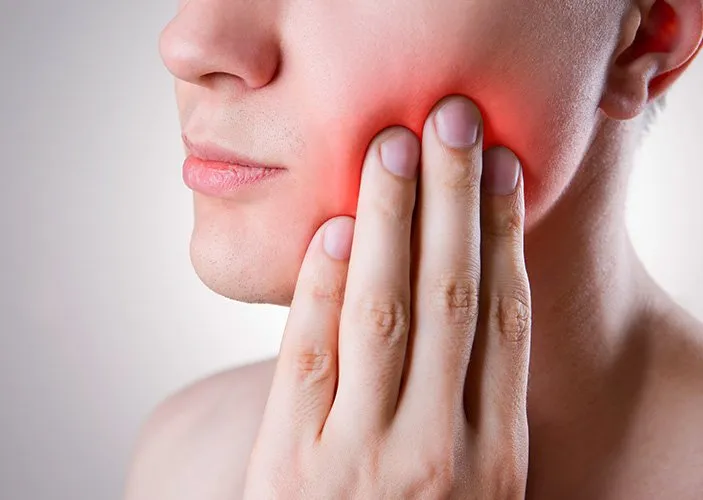
Why do my gums hurt in one spot when the rest of my mouth feels completely fine? This is one of the most common dental complaints people search for — and it almost always has a specific, identifiable cause.
Localized gum pain is your body’s way of flagging something that needs attention in one particular area.
It could be as simple as a piece of trapped food or as serious as a gum abscess.
Why Do My Gums Hurt in One Spot
When your gums hurt in one spot, it means something is irritating or infecting that specific area of tissue. The rest of your gums feel fine because whatever is causing the problem is localized — it has not spread.
This is actually good news. Localized pain is easier to identify and treat than widespread gum soreness. The key is figuring out the cause quickly so it does not get worse.
Most causes fall into one of three categories: physical irritation, infection, or a dental structural issue. Each one feels slightly different and has different treatment paths.
Trapped Food Is the Most Common Culprit
One of the most common reasons why gums hurt in one spot is food trapped between the teeth or just beneath the gumline. Popcorn kernels, fruit seeds, meat fibers, and small food particles can lodge in tight spaces and stay there unnoticed.
When food stays trapped, bacteria begin to break it down, producing acids and causing inflammation in the surrounding tissue. The gum around that spot becomes sore, swollen, and tender to the touch.
The fix is usually simple — gently floss around the painful spot and rinse with warm salt water. If the pain settles within a day or two, trapped food was almost certainly the cause.
Canker Sores Cause Sharp, Localized Gum Pain
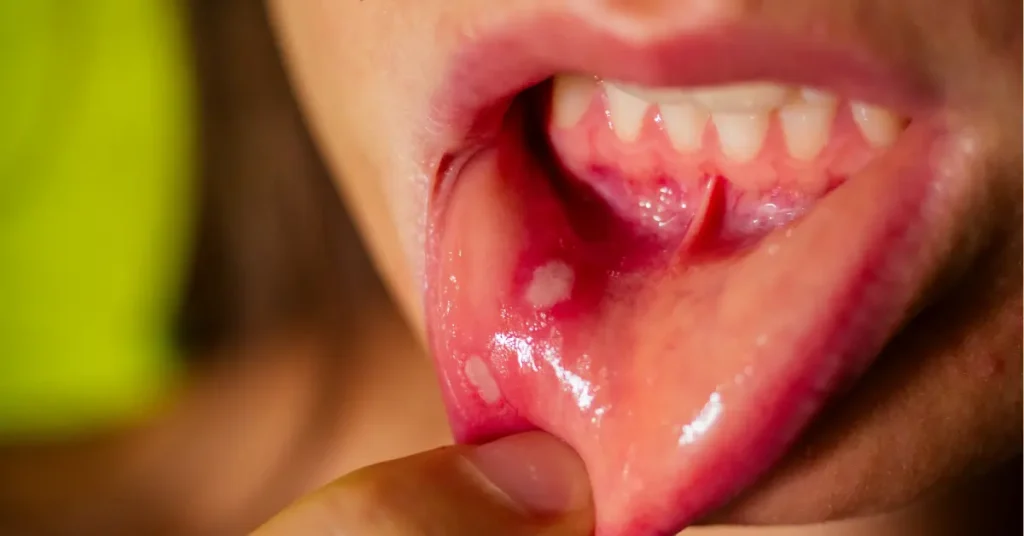
A canker sore — also called an aphthous ulcer — is a small, shallow lesion that can develop directly on the gum tissue. These sores are not contagious, but they are surprisingly painful for their size.
Canker sores appear as small white or yellowish craters with a red border. The pain they produce is often sharp and immediate when the area is touched, brushed, or exposed to acidic or spicy food.
Most canker sores heal on their own within one to two weeks. Avoiding acidic, spicy, or crunchy foods helps reduce irritation during healing. A warm salt water rinse two to three times daily can reduce bacteria and soothe the area.
Gum Abscess: A More Serious Cause of One-Spot Pain
A gum abscess is a pocket of pus that forms beneath the gumline due to a bacterial infection. It causes intense, localized pain — often described as throbbing — that does not go away on its own.
Along with pain, a gum abscess may cause visible swelling, a bump on the gum, a foul taste in the mouth, or even fever in more advanced cases. The infection can spread if left untreated, making early dental attention essential.
A gum abscess requires professional treatment. Your dentist will drain the abscess, clean the infected area, and may prescribe antibiotics. Do not try to drain a gum abscess at home.
Gingivitis Affecting One Localized Area
Gingivitis — the earliest stage of gum disease — usually affects the entire gumline, but it can also develop in just one spot. This happens when plaque and tartar accumulate more heavily in one area due to missed brushing, overlapping teeth, or a dental restoration that collects debris.
The gum in that spot becomes red, swollen, and sore. It may bleed when you brush or floss. At this early stage, gingivitis is completely reversible with improved oral hygiene and professional cleaning.
Brushing twice daily with a soft-bristled toothbrush, flossing daily, and using an antibacterial mouthwash can resolve early localized gingivitis before it progresses.
Pericoronitis: Gum Pain Around a Wisdom Tooth
Pericoronitis is a common and very specific cause of gum pain in one spot — always at the back of the mouth near a partially erupted wisdom tooth. It happens when a flap of gum tissue covers part of an emerging molar, creating a pocket where food, bacteria, and plaque get trapped.
The tissue becomes inflamed and infected, causing pain that can radiate to the jaw, ear, or neck. Swallowing may become painful. Some people develop a bad taste in the mouth or difficulty opening their jaw fully.
Mild pericoronitis can be managed with warm salt water rinses and antibiotics prescribed by a dentist. Severe or recurring cases typically require extraction of the wisdom tooth to permanently eliminate the problem.
| Pericoronitis Symptom | Description |
|---|---|
| Localized pain at back of mouth | Around partially erupted wisdom tooth |
| Swollen gum flap (operculum) | Covers part of the tooth crown |
| Bad taste or breath | From bacteria under the gum flap |
| Jaw stiffness or difficulty opening | In more severe infections |
| Pain radiating to ear or neck | When infection spreads |
| Fever | Sign of significant infection |
Tooth Abscess Causing Pain at the Gumline
A tooth abscess — also called a dental abscess or periapical abscess — begins inside the tooth at the root tip and can produce intense pain felt in the nearby gum. It usually starts from an untreated cavity, a cracked tooth, or a failed restoration.
The infection forms a pocket of pus inside the tooth socket. Pain is often throbbing, severe, and worsens with hot or cold temperatures. The gum near the affected tooth may appear red, swollen, or have a small pimple-like bump.
Treatment requires either a root canal to remove the infected pulp and save the tooth, or extraction if the tooth cannot be saved. Antibiotics alone are not a complete treatment — the source of infection must be removed.
Aggressive Brushing and Gum Tissue Damage
Brushing too hard is a surprisingly common cause of gum pain in a specific spot. When excessive force is applied repeatedly in the same area, the delicate gum tissue becomes abraded and inflamed.
This type of damage tends to be worse on one side because most people brush more aggressively on their dominant hand side. The gum tissue becomes raw, receded, and painful — especially when brushing or eating.
Switching to a soft-bristled toothbrush and using gentle circular motions rather than back-and-forth scrubbing resolves this over time. The gum tissue can recover if the damaging behavior stops early enough.
Gum Recession Exposing a Sensitive Root
When the gumline pulls back from a tooth, the root of that tooth becomes exposed. This is called gum recession, and it can affect just one tooth or one area of the mouth rather than the entire gumline.
The exposed root surface is far more sensitive than the crown of the tooth. It reacts to temperature changes, sweet foods, acidic drinks, and direct pressure during brushing. The result is sharp, localized pain at the gumline in a very specific spot.
Gum recession does not reverse itself. A dentist can recommend treatments ranging from professional scaling and root planing to gum graft surgery for severe cases. Using toothpaste formulated for sensitive teeth helps manage day-to-day discomfort.
Ill-Fitting Dental Restorations Causing Localized Pain
A crown, filling, bridge, or dental implant that does not fit properly can create small gaps or pressure points in the surrounding gum tissue. Bacteria and food particles collect in these gaps, irritating the gum and causing localized inflammation.
Pain from a poorly fitted restoration often appears shortly after dental work and worsens when biting or chewing. The gum around the restoration may look slightly swollen or feel tender to the touch.
Your dentist can assess the fit of any restoration and adjust or replace it if needed. Do not wait on this — poor-fitting restorations can lead to gum infection if left unaddressed.
Cracked or Fractured Tooth Causing Gum Soreness
A cracked tooth can produce pain that is felt not just in the tooth itself but in the surrounding gum tissue. Cracks allow bacteria to enter the tooth structure, leading to infection, inflammation, and localized gum soreness.
Cracked tooth syndrome can be difficult to diagnose because cracks are not always visible on X-rays. The pain may come and go, feel worse when biting or releasing bite pressure, and be felt in just one spot of the gum.
Treatment depends on the severity of the crack — options include bonding, a crown, root canal therapy, or extraction in the most severe cases. Early treatment prevents the crack from worsening.
Hormonal Changes and Localized Gum Sensitivity
Hormonal fluctuations — particularly during pregnancy, menstruation, puberty, and menopause — can make gum tissue more sensitive and reactive. Gums may become inflamed and painful in one spot where plaque or irritation already exists, even if the same amount of buildup would not have caused pain otherwise.
Pregnancy gingivitis is a well-documented condition where gum inflammation is significantly heightened due to hormonal shifts. It often affects one or two spots more than others.
Maintaining good oral hygiene becomes even more important during hormonal changes. More frequent dental cleanings may be recommended during pregnancy to manage inflammation.
Impacted Teeth Other Than Wisdom Teeth
Although wisdom teeth are the most common impacted teeth, other teeth can also become impacted — unable to fully erupt through the gum. This can happen with canines and premolars in some patients.
An impacted tooth causes localized pain, swelling, and tenderness in the gum tissue above it. The area may feel tender when pressure is applied to the gum surface, even without any visible sign of a problem.
Diagnosis requires dental X-rays to see the position of the impacted tooth beneath the gumline. Treatment depends on the tooth involved and its position — options include orthodontic guidance, surgical exposure, or extraction.
Food Sensitivity and Gum Tissue Reactions
Some people experience gum pain in one spot in response to specific foods — particularly acidic foods like citrus and tomatoes, spicy seasonings, very crunchy foods like chips, or extremely hot foods and drinks. These can directly damage or irritate gum tissue in the area where contact is heaviest.
This type of pain tends to appear shortly after eating and settles within a few hours. If the same spot keeps reacting, it may mean the tissue in that area is already compromised in some way.
Keeping a food diary helps identify patterns. Avoiding the triggering foods and rinsing with water after eating acidic items protects gum tissue.
Tobacco Use and Localized Gum Damage
Smoking cigarettes or using smokeless tobacco products causes significant harm to gum tissue. Tobacco reduces blood flow to the gums, suppresses the immune response, and allows bacteria to multiply more aggressively. It can cause gum pain, recession, and infection that concentrates in specific areas.
Smokeless tobacco is particularly damaging because it makes direct contact with one spot of gum tissue repeatedly. Leukoplakia — white patches on the gum — can develop at the contact site, along with inflammation and pain.
Tobacco use is also a significant risk factor for oral cancer, which can present as a sore or thickened spot on the gum that does not heal. Any gum sore that persists beyond two weeks in a tobacco user should be evaluated by a dentist or oral specialist promptly.
Stress and Immune System Impact on Gum Health
Psychological stress has a real, documented effect on oral health. Stress suppresses the immune system, making it harder for the body to fight off bacterial infections in the mouth. This can cause gum inflammation and infection to appear or worsen in isolated spots.
Stress also leads to behaviors that worsen gum health — teeth grinding (bruxism), jaw clenching, and neglecting oral hygiene routines. All of these can contribute to gum pain that concentrates in one area.
Managing stress through sleep, exercise, and relaxation techniques supports overall immune health and reduces the risk of stress-related gum problems.
How to Tell What Is Causing Your Gum Pain
Different causes of localized gum pain have distinct characteristics. This table helps narrow down the most likely cause based on symptoms:
| Symptom Pattern | Most Likely Cause |
|---|---|
| Pain after eating, settles quickly with flossing | Trapped food |
| Small white/yellow crater with red border | Canker sore |
| Throbbing pain, visible bump, bad taste | Gum abscess or tooth abscess |
| Pain at back of mouth near wisdom tooth | Pericoronitis |
| Pain after new dental work, worsens with biting | Ill-fitting restoration |
| Gum pulls back, sensitivity to hot and cold | Gum recession |
| Pain on one side, worse with hard brushing | Aggressive brushing damage |
| Pain in whole tooth and gum, worsens with cold | Tooth abscess or cracked tooth |
| Small sore that bleeds easily, does not heal | Requires urgent dental evaluation |
| Pain and swelling with fever | Seek dental care immediately |
Home Remedies That Actually Help
Several home remedies can provide genuine relief for gum pain in one spot, particularly for mild causes like trapped food, canker sores, and minor irritation.
Warm salt water rinse is the most universally effective option. Dissolve half a teaspoon of salt in a glass of warm water and rinse for 30 seconds, two to three times daily. Salt reduces bacteria, soothes inflamed tissue, and promotes healing.
Clove oil contains eugenol, a natural compound with antibacterial and numbing properties. Apply a small amount with a cotton swab directly to the painful spot for temporary relief. Do not use for more than a few days without seeing a dentist.
Turmeric paste, made by mixing turmeric powder with a small amount of water, can be applied to the sore area for 15 to 20 minutes before rinsing. Curcumin, the active compound in turmeric, has documented anti-inflammatory and antibacterial properties.
Over-the-counter benzocaine gels (such as Orajel) numb the area temporarily and can help manage pain while the underlying cause heals.
Honey applied directly to the gum has natural antibacterial and anti-inflammatory properties. It works well for canker sores and minor gum irritation.
What Not to Do When Your Gums Hurt in One Spot
Certain common responses to gum pain can actually make the situation worse. Avoid using toothpicks or sharp objects to probe the sore area — this can introduce bacteria and cause further tissue damage.
Do not brush the painful spot aggressively thinking it will remove the irritant. If brushing is the cause, harder brushing makes things significantly worse.
Do not ignore persistent pain hoping it will resolve on its own. If gum pain lasts more than a week without improvement, or if it is accompanied by swelling, fever, or a bad taste, it needs professional attention.
Do not try to drain a gum abscess at home. Squeezing or puncturing a gum bump can spread infection to deeper tissues.
Prevention: Keeping Gum Pain From Returning
| Prevention Step | Why It Works |
|---|---|
| Brush twice daily with a soft-bristled toothbrush | Removes plaque without damaging tissue |
| Floss daily, especially between back teeth | Removes food and bacteria from tight spaces |
| Use an antibacterial mouthwash | Reduces bacterial load throughout the mouth |
| Schedule dental cleanings every 6 months | Removes tartar that brushing cannot reach |
| Drink water after eating acidic foods | Neutralizes acid before it irritates gum tissue |
| Replace toothbrush every 3 months | Worn bristles damage gums more easily |
| Avoid tobacco products | Dramatically reduces infection and cancer risk |
| Tell your dentist about new restorations that cause pain | Allows early adjustment before damage occurs |
When You Must See a Dentist Immediately
Some symptoms alongside gum pain in one spot require same-day or emergency dental attention. Do not wait for a scheduled appointment in these situations.
Seek immediate dental care if you have severe, throbbing pain that does not respond to over-the-counter pain medication, visible swelling of the cheek or jaw, difficulty swallowing or opening your mouth, fever alongside gum pain, or a gum sore that has not changed or healed in two or more weeks.
These symptoms can indicate a spreading infection, a serious abscess, or — in rare cases — something that requires urgent medical evaluation beyond standard dental care.
Gum Pain in One Spot vs General Gum Soreness
It is worth understanding the difference between localized and generalized gum soreness because the causes and treatments differ significantly.
| Feature | Pain in One Spot | General Gum Soreness |
|---|---|---|
| Number of areas affected | One specific location | Multiple or all areas |
| Common causes | Trapped food, abscess, canker sore, pericoronitis | Gingivitis, brushing too hard systemically, vitamin deficiency |
| Urgency | Depends on cause, abscess = urgent | Often gradual, less immediately urgent |
| Treatment | Targeted — depends on specific cause | Improved hygiene, professional cleaning |
| Resolution time | Days to weeks depending on cause | Weeks of improved hygiene |
Localized pain is more likely to have a single identifiable cause. General soreness across the whole gumline usually points to systemic issues like widespread gingivitis, vitamin C deficiency, or a medication side effect.
Gum Pain After Dental Work: What Is Normal and What Is Not
Some degree of gum tenderness after dental procedures is completely normal. After a filling, crown placement, scaling and root planing, or tooth extraction, the surrounding tissue may be sore for a few days.
Normal post-procedure soreness improves steadily over two to five days and responds to over-the-counter pain medication. It does not worsen, does not cause fever, and does not produce swelling or bad taste.
Pain that worsens after dental work, persists beyond one week, or is accompanied by swelling or fever is not normal. Contact your dentist — it may indicate infection, a dry socket after extraction, or a poorly placed restoration.
Frequently Asked Questions (FAQs)
Why do my gums hurt in one spot but there is no visible sore?
The cause may be beneath the gumline — a small food particle, early abscess, or localized gingivitis that is not yet visible on the surface. A dental exam can identify what is happening beneath the tissue.
Can a gum hurt in one spot without gum disease?
Yes. Trapped food, a canker sore, minor trauma from biting, or brushing too hard can all cause localized pain without any gum disease being present at all.
How long should gum pain in one spot last before I see a dentist?
If pain does not improve within five to seven days or is accompanied by swelling, fever, or a bad taste, see a dentist. Do not wait longer than two weeks in any case.
Can one tooth cause gum pain in just one spot?
Absolutely. An infected, cracked, or abscessed tooth causes localized pain directly in the gum tissue surrounding that tooth. The source of the problem is the tooth, not the gum itself.
Is gum pain in one spot a sign of oral cancer?
Most gum pain is not cancer. However, a sore or lesion in one spot that does not heal within two weeks — especially in tobacco users — should be evaluated by a dental professional to rule it out.
Why does my gum hurt in one spot when I press on it?
This usually means there is inflammation or infection in that area. A gum abscess, trapped food, or even a small canker sore can cause sharp pain when pressure is applied directly to the spot.
Can stress cause gum pain in one spot?
Yes. Stress suppresses immune function, making localized gum infections and inflammation more likely. Stress-related bruxism can also cause gum soreness concentrated in specific areas near the most affected teeth.
Does salt water rinse actually help gum pain?
Yes, for mild to moderate pain. Warm salt water reduces bacterial load, soothes inflamed tissue, and can accelerate healing for canker sores and minor irritation. It does not treat infections or abscesses.
Can I use ibuprofen for gum pain in one spot?
Ibuprofen is an effective over-the-counter option because it reduces both pain and inflammation. It manages symptoms but does not treat the underlying cause, so dental evaluation is still needed if pain persists.
Why does my gum hurt in the same spot repeatedly?
Recurring pain in the same spot usually means a persistent underlying problem — a partially erupted wisdom tooth, a poorly fitted crown, recurring canker sores, or early gum disease concentrated in that area. Repeated pain in the same location always warrants a dental visit.
Conclusion
Why do my gums hurt in one spot? The answer depends on what is happening at that exact location in your mouth.
Trapped food, canker sores, gum abscesses, gingivitis, pericoronitis, gum recession, cracked teeth, and ill-fitting dental restorations are all well-documented causes of localized gum pain.
Most cases have a clear, treatable cause — and the earlier you identify it, the simpler the treatment.
Home remedies like warm salt water rinses, clove oil, and over-the-counter numbing gels can manage mild discomfort while your body heals.
But any gum pain that lasts more than a week, worsens over time, comes with swelling or fever, or keeps returning in the same spot needs professional dental evaluation.
Your gums are telling you something specific — it is worth listening.