Why Does My Burps Smell Like Rotten Eggs? Treatment 2026

Why does my burps smell like rotten eggs is a question most people only search after being genuinely embarrassed in public. That foul odor is usually not random.
It has a specific chemical cause, a set of common triggers, and a range of treatments that actually work.
What Exactly Is a Sulfur Burp?
A sulfur burp is a normal burp with one difference: it carries the smell of hydrogen sulfide gas.
Regular burps are mostly swallowed air and are usually odorless, or smell faintly like whatever you just ate.
Quick Overview Table
| Burp Type | Smell | Main Cause |
|---|---|---|
| Regular burp | Little to no smell | Swallowed air |
| Sulfur burp | Rotten egg smell | Hydrogen sulfide gas |
| Sour burp | Acidic, tangy smell | Acid reflux, indigestion |
| Metallic burp | Faint metallic taste | Certain medications or supplements |
The Science Behind the Rotten Egg Smell

Hydrogen sulfide, or H2S, is the exact same compound responsible for the smell of rotten eggs and sewage gas.
Gut bacteria produce H2S while breaking down sulfur-containing proteins during normal digestion.
Small amounts of this gas are completely normal and simply pass unnoticed. Larger amounts get trapped and released later as a smelly burp.
How Common Are Sulfur Burps?
Most people burp between 13 and 21 times a day without ever noticing an odor.
Occasional sulfur burps are considered harmless and are usually tied to a single meal, not an ongoing health issue.
Top Food Triggers for Sulfur Burps
Certain foods are naturally high in sulfur compounds, making them common culprits behind that eggy smell.
High-Sulfur Food Table
| Food Category | Examples |
|---|---|
| Cruciferous vegetables | Broccoli, cauliflower, brussels sprouts, cabbage |
| Proteins | Eggs, red meat, poultry, seafood |
| Dairy | Milk, cheese, yogurt |
| Aromatics | Garlic, onions, leeks |
| Drinks | Beer, wine, some protein shakes |
Eating large amounts of these foods in one sitting is often enough to trigger a temporary bout of sulfur burps.
Digestive Conditions Linked to Sulfur Burps
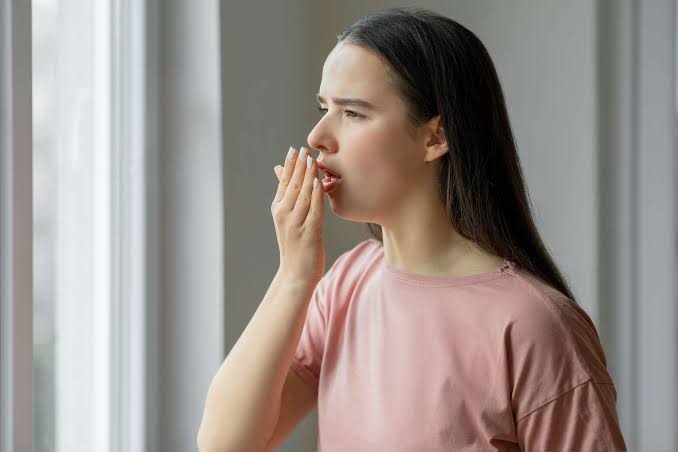
When sulfur burps happen often, an underlying digestive condition may be the real driver.
GERD and Acid Reflux
Chronic acid reflux allows stomach gas, including hydrogen sulfide, to travel back up the esophagus more easily.
This often comes with heartburn, chest discomfort, or a sour taste alongside the rotten egg smell.
H. Pylori Infection
Helicobacter pylori is a bacterium that can infect the stomach lining and disrupt normal digestion.
This infection is commonly linked to bloating, stomach pain, and persistent sulfur-smelling burps.
IBS and IBD
Irritable bowel syndrome and inflammatory bowel disease, including Crohn’s disease and ulcerative colitis, are both associated with higher hydrogen sulfide production in the gut.
People with these conditions often notice sulfur burps alongside bloating, cramping, or irregular bowel movements.
SIBO (Small Intestinal Bacterial Overgrowth)
An overgrowth of bacteria in the small intestine can dramatically increase gas production, including hydrogen sulfide.
This condition often causes bloating and gas that gets worse after eating, not just occasional burps.
Medications That Can Cause Sulfur Burps
Some prescription medications are known to trigger sulfur-smelling burps as a side effect.
GLP-1 medications used for weight loss and diabetes, such as tirzepatide and semaglutide, slow digestion and can increase burping.
Certain antibiotics, supplements containing sulfur amino acids, and some multivitamins have also been linked to this odor.
When Sulfur Burps Are a Warning Sign
Occasional sulfur burps rarely need medical attention, but persistent ones can point to something deeper.
Red Flag Symptoms
- Sulfur burps happening more than three times a week
- Burping paired with diarrhea, vomiting, or fever
- Unexplained weight loss alongside digestive symptoms
- Persistent abdominal pain or bloating
- Blood in stool or black, tarry stools
If any of these symptoms appear alongside the smell, it’s time to speak with a doctor rather than rely on home remedies alone.
Fast Home Remedies for Sulfur Burps
Several simple steps can reduce sulfur burps quickly, especially when food is the trigger.
- Sip peppermint or ginger tea to support digestion and ease gas.
- Drink a full glass of water before meals to aid digestion.
- Take a short walk after eating to help move gas through the gut.
- Try a teaspoon of baking soda in water to neutralize excess acid.
- Add a spoonful of apple cider vinegar to support digestion before meals.
Over-the-Counter Treatment Options

When home remedies aren’t enough, several OTC products can offer faster relief.
OTC Treatment Table
| Product | How It Helps |
|---|---|
| Bismuth subsalicylate (Pepto-Bismol) | Binds sulfur compounds to reduce the odor |
| Simethicone (Gas-X) | Breaks up gas bubbles for easier release |
| Activated charcoal | Absorbs excess gas in the digestive tract |
| Digestive enzymes (Beano, lactase) | Helps break down hard-to-digest foods |
| Antacids or PPIs | Reduces reflux-related sulfur burps |
Bismuth subsalicylate can temporarily darken the tongue or stool, which is harmless but worth knowing in advance.
Probiotics and Long-Term Gut Health
Probiotics support a balanced gut microbiome, which can reduce excess hydrogen sulfide production over time.
Foods like yogurt, kefir, sauerkraut, kimchi, and miso are natural probiotic sources worth adding to a regular diet.
Consistent probiotic use tends to help more with recurring sulfur burps than with a single bad episode.
Diet Changes That Prevent Sulfur Burps
Long-term prevention usually comes down to identifying and adjusting specific dietary triggers.
Removing one high-sulfur food group at a time for a week can help pinpoint exactly what is causing the smell.
Eating smaller meals, chewing slowly, and avoiding carbonated drinks also reduce the overall amount of gas produced during digestion.
Sulfur Burps and Diarrhea Together
Sulfur burps paired with diarrhea often point toward a bacterial infection or active digestive flare-up.
This combination is more likely to need medical evaluation than sulfur burps alone, especially if it lasts more than a day or two.
Lifestyle Habits That Help Prevent Sulfur Burps
Small daily habits can meaningfully reduce how often sulfur burps occur.
- Eat at a slower pace and chew food thoroughly.
- Avoid chewing gum, which increases swallowed air.
- Limit alcohol and carbonated beverages.
- Manage stress, since it can worsen digestive symptoms.
- Keep a food and symptom journal to track personal triggers.
How Doctors Diagnose the Underlying Cause
If sulfur burps persist despite diet and lifestyle changes, a doctor may recommend further testing.
Common tests include a breath test for H. pylori or SIBO, blood work, or in some cases an endoscopy to check the upper digestive tract directly.
The Bottom Line on Treatment
Most sulfur burps are diet-related and resolve on their own within a day or two without any treatment.
Persistent cases usually respond well to a combination of dietary changes, OTC remedies, and, when needed, treatment of an underlying condition.
Frequently Asked Questions (FAQs)
1. Why does my burps smell like rotten eggs specifically?
The rotten egg smell comes from hydrogen sulfide gas, produced when gut bacteria break down sulfur-rich foods.
2. Are sulfur burps dangerous?
Occasional sulfur burps are harmless. Frequent ones paired with other symptoms may signal an underlying digestive condition.
3. What foods cause sulfur burps the most?
Eggs, red meat, dairy, garlic, onions, and cruciferous vegetables like broccoli are the most common triggers.
4. Can stress cause sulfur burps?
Yes. Stress can slow digestion and disrupt gut bacteria balance, which may increase gas production and odor.
5. Do sulfur burps mean I have an infection?
Not always. But persistent sulfur burps with bloating or pain can indicate an H. pylori infection.
6. How long do sulfur burps usually last?
Diet-related sulfur burps typically clear up within 24 to 48 hours once trigger foods are digested.
7. Does Pepto-Bismol actually help with sulfur burps?
Yes. Bismuth subsalicylate binds sulfur compounds in the gut, directly reducing the rotten egg odor.
8. Can weight-loss medications cause sulfur burps?
Yes. GLP-1 drugs like tirzepatide and semaglutide slow digestion and are known to trigger sulfur burps.
9. When should I see a doctor about sulfur burps?
See a doctor if they happen more than three times a week or come with diarrhea, pain, or weight loss.
10. Can probiotics stop sulfur burps long-term?
Probiotics can help rebalance gut bacteria over time, reducing how often recurring sulfur burps happen.
Conclusion
Sulfur burps happen when hydrogen sulfide gas builds up during digestion, usually after eating sulfur-rich foods like eggs, meat, dairy, or cruciferous vegetables.
In most cases, this rotten egg smell is harmless and clears up within a day or two without any treatment. Persistent sulfur burps, though, especially when paired with diarrhea, bloating, or weight loss, can point to conditions like GERD, H. pylori infection, IBS, or SIBO, and deserve medical attention.
Simple steps like slowing down at meals, trying peppermint tea, and using OTC options like bismuth subsalicylate or simethicone can bring fast relief for everyday cases.
Long-term prevention comes down to identifying personal food triggers and supporting gut health with probiotics. If the smell keeps returning despite these changes, a doctor can run simple tests to find the real cause and get you lasting relief.