Why Does the Heel of My Foot Hurt? Learn Why 2026
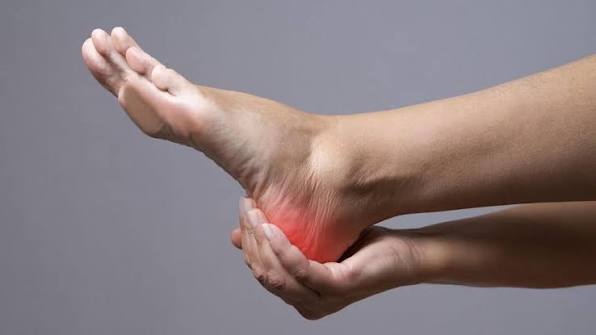
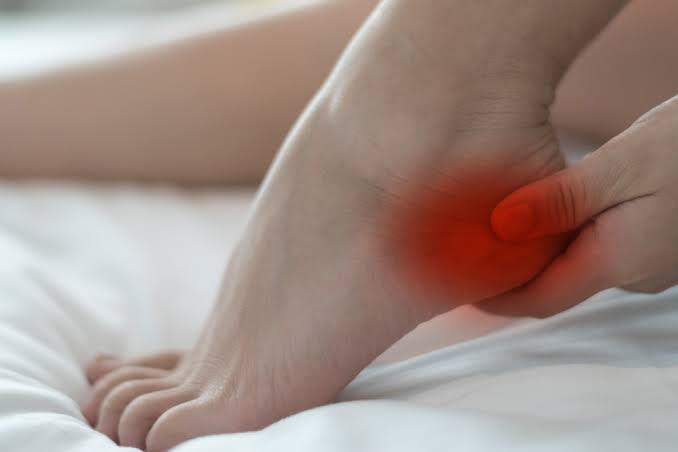
Why does the heel of my foot hurt is one of the most common foot complaints, and plantar fasciitis is usually the top answer.
Heel pain generally results from faulty biomechanics, meaning walking patterns that place excess stress on the heel bone and surrounding soft tissue. It can also stem from Achilles tendinitis, heel spurs, bursitis, stress fractures, or nerve compression.
Most cases develop gradually and worsen with activity, especially during the first steps after waking up. While the majority of heel pain responds well to rest, stretching, and supportive footwear, some cases need professional evaluation to prevent long-term damage.
Why Does the Heel of My Foot Hurt?
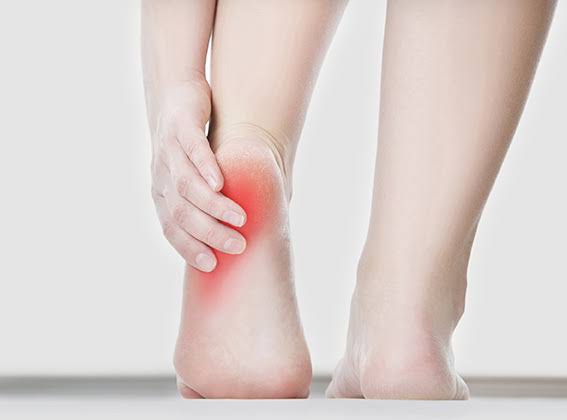
The heel bone, called the calcaneus, is the largest bone in the foot and absorbs significant force with every step.
A thick layer of fat pad cushions the heel bone, while the plantar fascia connects it to the toes along the bottom of the foot.
The Achilles tendon attaches to the back of the heel bone and connects to the calf muscles above.
Because so many structures converge in this small area, heel pain can stem from several very different underlying issues.
Common Causes of Heel Pain
Plantar Fasciitis
Plantar fasciitis is the most common cause of heel pain, caused by inflammation of the plantar fascia ligament.
This condition develops when the fascia stretches irregularly and forms small tears, leading to pain and stiffness.
The hallmark symptom is sharp pain during the first few steps after waking up or after long periods of sitting.
Rest, stretching, and supportive footwear are typically the first line of treatment for plantar fasciitis.
Achilles Tendinitis
Achilles tendinitis is inflammation of the tendon connecting the calf muscles to the back of the heel bone.
It commonly develops from overuse, a sudden increase in activity, or wearing unsupportive footwear during exercise.
Pain, stiffness, and swelling near the back of the heel typically worsen with running or jumping activities.
Rest, calf stretching, and gradually rebuilding activity levels usually resolve mild to moderate Achilles tendinitis.
Heel Spurs
A heel spur is a bony growth that can form on the heel bone, often as a result of chronic plantar fasciitis.
Despite their appearance on X-rays, heel spurs themselves are not always painful and often go unnoticed.
Pain typically comes from the surrounding inflammation rather than the bony spur itself.
Treating the underlying plantar fasciitis often relieves pain even when a heel spur remains present.
Heel Bursitis
Heel bursitis occurs when the bursa, a small fluid-filled sac that cushions the heel, becomes inflamed.
This condition often causes pain at the back of the heel, especially after standing or being on your feet all day.
Poorly fitting shoes and repetitive pressure on the heel are common contributing factors.
Rest, ice, and switching to well-cushioned footwear typically help bursitis symptoms improve within a few weeks.
Stress Fractures
A stress fracture is a tiny crack in the heel bone caused by repetitive force over time.
Runners, athletes, and people with osteoporosis face a higher risk of developing this type of injury.
Pain from a stress fracture often worsens with activity and improves with rest, unlike some other heel conditions.
Diagnosis usually requires imaging, and treatment involves rest and reduced weight-bearing activity for several weeks.
Fat Pad Atrophy
Fat pad atrophy refers to the thinning of the heel’s natural cushioning tissue, often linked to aging or repetitive high-impact activity.
This condition increases pressure directly on the heel bone, leading to a deep, bruise-like ache.
People with diabetes may experience accelerated fat pad thinning due to changes in collagen structure.
Cushioned insoles and supportive footwear are the primary tools for managing fat pad atrophy discomfort.
Nerve-Related and Less Common Causes
Tarsal Tunnel Syndrome
Tarsal tunnel syndrome occurs when the tibial nerve becomes compressed as it passes through the ankle and into the foot.
This condition causes burning, tingling, or shooting pain in the heel or arch, and is often mistaken for plantar fasciitis.
Nerve conduction studies are typically needed to confirm this diagnosis and distinguish it from other heel conditions.
Treatment can include orthotics, physical therapy, or in more severe cases, a procedure to relieve nerve pressure.
Sever’s Disease
Sever’s disease is a common cause of heel pain in growing children and adolescents, particularly active ones.
It occurs at the growth plate in the heel bone, which is still developing and vulnerable to repetitive stress.
Pain typically worsens with running or jumping sports and improves significantly with rest.
This condition usually resolves on its own once the growth plate fully matures, though activity modification helps in the meantime.
Reactive Arthritis and Inflammatory Conditions
Certain inflammatory conditions, including reactive arthritis and ankylosing spondylitis, can cause heel pain alongside other joint symptoms.
This type of pain often appears alongside stiffness, swelling in other joints, or eye and skin symptoms.
Unlike mechanical heel pain, inflammatory causes may not improve with rest alone and require targeted medical treatment.
A rheumatologist may be involved if inflammatory arthritis is suspected as an underlying cause.
Causes at a Glance
| Cause | Typical Pain Location | Common Trigger |
|---|---|---|
| Plantar fasciitis | Bottom of heel | First steps in the morning |
| Achilles tendinitis | Back of heel | Running, sudden activity increase |
| Heel spur | Bottom of heel | Chronic plantar fasciitis |
| Heel bursitis | Back of heel | Standing long hours, poor shoes |
| Stress fracture | Deep within heel | Repetitive impact activity |
| Fat pad atrophy | Bottom of heel | Aging, high-impact activity |
| Tarsal tunnel syndrome | Heel or arch | Nerve compression |
| Sever’s disease | Back of heel (children) | Growth plate stress in youth |
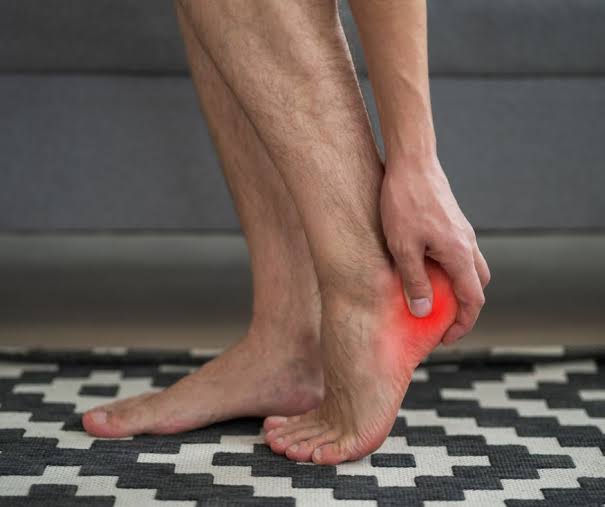
What Type of Heel Pain Are You Feeling?
| Pain Description | Likely Cause |
|---|---|
| Sharp, worst with first steps | Plantar fasciitis |
| Aching at back of heel | Achilles tendinitis, bursitis |
| Deep, bruise-like ache | Fat pad atrophy |
| Burning or tingling | Tarsal tunnel syndrome |
| Constant, worsens with activity | Stress fracture |
| Stiff joints alongside heel pain | Inflammatory arthritis |
Is Heel Pain Serious? When to Worry
Most heel pain develops gradually and responds well to simple home treatment within a few weeks.
However, certain patterns of pain suggest something beyond simple overuse and deserve a professional evaluation.
Sudden, severe pain following an injury, or pain accompanied by significant swelling and bruising, should not be ignored.
The table below summarizes symptoms that mean it’s time to see a doctor or podiatrist.
| Symptom | Level of Concern | Possible Cause |
|---|---|---|
| Sudden severe pain after injury | Urgent | Fracture, rupture |
| Inability to bear weight | Urgent | Fracture, severe tendon injury |
| Significant swelling and bruising | Needs evaluation | Fracture, ligament injury |
| Pain with fever | Needs evaluation | Infection |
| Numbness or tingling | Needs evaluation | Nerve compression |
| Pain lasting more than a month | Needs evaluation | Chronic condition, needs diagnosis |
| Heel pain with other joint stiffness | Needs evaluation | Inflammatory arthritis |
When Heel Pain Needs Immediate Medical Care
An audible pop at the time of injury, followed by sudden pain and swelling, may indicate an Achilles tendon rupture requiring urgent care.
Inability to walk or bear any weight on the affected foot after an injury should prompt an emergency room visit.
Heel pain accompanied by fever, redness, and warmth may signal an infection that needs prompt treatment.
Any heel injury involving a visible deformity should be treated as a possible fracture and evaluated immediately.
How Doctors Diagnose the Cause
A doctor or podiatrist typically starts with a physical exam, checking for tenderness, swelling, and range of motion.
Observing your walking gait can reveal biomechanical issues contributing to repetitive heel stress.
X-rays can identify heel spurs, stress fractures, or bone abnormalities, while ultrasound or MRI can assess soft tissue damage.
Nerve conduction studies are used specifically when tarsal tunnel syndrome or another nerve issue is suspected.
Home Remedies and Self-Care Tips
Resting the affected foot and reducing high-impact activity gives inflamed tissue time to heal.
Applying ice for 15 to 20 minutes several times a day helps reduce inflammation and pain.
Gentle calf and plantar fascia stretches, especially in the morning, can ease stiffness and improve flexibility over time.
Wearing supportive, cushioned shoes, even around the house, helps reduce unnecessary strain on the heel.
Treatment Options Based on Cause
| Cause | Typical First-Line Treatment |
|---|---|
| Plantar fasciitis | Stretching, orthotics, rest |
| Achilles tendinitis | Rest, calf stretches, gradual return to activity |
| Heel spur | Treat underlying plantar fasciitis |
| Heel bursitis | Ice, supportive footwear, rest |
| Stress fracture | Rest, reduced weight-bearing, imaging follow-up |
| Fat pad atrophy | Cushioned insoles, supportive shoes |
| Tarsal tunnel syndrome | Orthotics, physical therapy, possible surgery |
| Sever’s disease | Activity modification, rest |
Footwear and Prevention Tips
Choosing shoes with proper arch support and cushioning significantly reduces the risk of developing plantar fasciitis.
Replacing worn-out athletic shoes regularly helps maintain the shock absorption needed during running or high-impact activity.
Gradually increasing training intensity, rather than sudden jumps in mileage or intensity, helps prevent overuse injuries.
Maintaining a healthy weight reduces the overall pressure placed on the heel with every step.
Stretches That Help Prevent Heel Pain
Calf stretches performed by leaning against a wall with one leg forward and one back help maintain Achilles tendon flexibility.
Rolling the arch of the foot over a tennis ball or frozen water bottle can relieve tension in the plantar fascia.
Toe stretches, gently pulling the toes back toward the shin, help lengthen the plantar fascia before standing activities.
Performing these stretches consistently, especially before exercise, can meaningfully reduce the risk of recurring heel pain.
Heel Pain in Athletes and Runners
Runners are particularly prone to plantar fasciitis, Achilles tendinitis, and stress fractures due to repetitive impact forces.
Sudden increases in mileage, hard running surfaces, and worn-out shoes are common contributing factors among athletes.
Cross-training with lower-impact activities, like swimming or cycling, can help maintain fitness while allowing the heel to recover.
Working with a physical therapist or podiatrist can help identify and correct gait issues that contribute to repeated injury.
Heel Pain in Children
Sever’s disease is the most common cause of heel pain in active children and adolescents, particularly during growth spurts.
Pain typically worsens with running or jumping sports and improves significantly with rest.
Supportive shoes and temporary activity modification usually manage symptoms until the growth plate matures.
Persistent or severe pain in a child should still be evaluated to rule out other causes.
Living with Chronic Heel Pain
Chronic heel pain that goes untreated can lead to compensatory changes in walking, which may cause secondary knee, hip, or back pain.
Consistent stretching, supportive footwear, and gradual activity changes are key to managing long-term or recurring heel pain.
Physical therapy can address underlying muscle imbalances or biomechanical issues contributing to repeated flare-ups.
In select cases that don’t respond to conservative treatment, procedures like shockwave therapy or surgery may be considered.
How to Prepare for a Doctor’s Visit
Note when the pain started, whether it followed an injury, and what activities make it better or worse.
Mention any recent changes in footwear, exercise routine, or activity level that coincided with the onset of pain.
List any numbness, tingling, swelling, or other joint symptoms that accompany the heel pain.
Bringing this information helps your doctor or podiatrist reach an accurate diagnosis more efficiently.
Risk Factors for Developing Heel Pain
Being overweight adds significant extra pressure on the plantar fascia and heel bone with every step taken.
Occupations that require standing or walking on hard surfaces for long hours increase the risk of chronic heel strain.
Tight calf muscles and limited ankle flexibility can place additional stress on the plantar fascia and Achilles tendon.
Flat feet or unusually high arches both change how weight distributes across the foot, raising the risk of heel pain.
Heel Pain: Bottom vs. Back of the Heel
| Location | Common Causes |
|---|---|
| Bottom of the heel | Plantar fasciitis, heel spur, fat pad atrophy |
| Back of the heel | Achilles tendinitis, heel bursitis |
| Inner heel or arch | Tarsal tunnel syndrome |
| Deep within the heel | Stress fracture |
Pinpointing whether pain sits on the bottom, back, or inner side of the heel helps narrow down the likely cause significantly.
Pain that shifts with different types of shoes or surfaces often points toward a mechanical or footwear-related cause.
Pain that stays constant regardless of shoes or activity type may suggest a nerve or bone-related issue instead.
The Role of Body Weight and Diet in Heel Pain
Every extra pound of body weight adds measurable pressure to the plantar fascia and heel bone with each step.
Gradual, sustainable weight loss can meaningfully reduce the mechanical load placed on the feet during daily activities.
Anti-inflammatory foods, such as leafy greens and fatty fish, may help support recovery from inflammatory heel conditions.
Staying hydrated also supports overall tissue health and can aid in the healing of inflamed connective tissue.
Orthotics and Supportive Devices
Over-the-counter arch supports can provide immediate relief for mild to moderate plantar fasciitis symptoms.
Custom orthotics, fitted by a podiatrist, are often recommended for more severe or persistent cases.
Night splints that gently stretch the plantar fascia while sleeping can reduce the intensity of morning heel pain.
Heel cups or cushioned inserts help absorb shock and reduce pressure directly on the painful area.
When Physical Therapy Helps
Physical therapy can address muscle imbalances, tight tendons, and poor walking mechanics that contribute to recurring heel pain.
A therapist can guide targeted stretching and strengthening exercises tailored to the specific underlying cause.
Gait analysis performed during physical therapy sessions can reveal biomechanical issues not obvious during a standard exam.
Consistent physical therapy over several weeks often reduces the need for more invasive treatments like injections or surgery.
Recovery Timeline: What to Expect
Mild plantar fasciitis often improves within two to six weeks with consistent stretching and supportive footwear.
Achilles tendinitis and heel bursitis typically take three to six weeks to noticeably improve with proper rest and care.
Stress fractures usually require six to eight weeks of reduced weight-bearing activity to heal fully.
Chronic or severe cases that don’t respond to conservative treatment within a few months may need further evaluation for advanced options.
Frequently Asked Questions (FAQs)
Why does my heel hurt the most in the morning?
Morning heel pain is a classic sign of plantar fasciitis, caused by the fascia tightening overnight.
Gentle stretching before standing can help reduce this first-step pain.
Can heel pain go away on its own?
Yes, mild heel pain from overuse often improves within a few weeks with rest and stretching.
Persistent pain lasting more than a month should be evaluated by a professional.
What is the difference between plantar fasciitis and a heel spur?
Plantar fasciitis is inflammation of the tissue, while a heel spur is a bony growth that can form from chronic inflammation.
Heel spurs themselves are often painless, with symptoms coming from the surrounding tissue.
Can wearing the wrong shoes cause heel pain?
Yes, unsupportive or worn-out shoes are a major contributing factor to plantar fasciitis and heel bursitis.
Switching to cushioned, supportive footwear often reduces symptoms significantly.
When should I see a doctor for heel pain?
See a doctor if pain persists beyond a month, follows an injury, or comes with numbness or swelling.
Sudden severe pain or inability to bear weight needs prompt evaluation.
Can heel pain be a sign of a stress fracture?
Yes, pain that worsens with activity and improves with rest may indicate a stress fracture, especially in runners.
Imaging is typically needed to confirm this diagnosis.
Does heel pain mean I have arthritis?
Not usually, but heel pain alongside stiffness in other joints can indicate an inflammatory condition like reactive arthritis.
A doctor can help determine if further testing is needed.
Can heel pain affect children?
Yes, Sever’s disease is a common cause of heel pain in active children during growth spurts.
It typically resolves with rest and activity modification as the child grows.
What stretches help relieve heel pain?
Calf stretches and rolling the arch over a tennis ball can help relieve tension linked to plantar fasciitis.
Consistent daily stretching often reduces pain over several weeks.
Is tarsal tunnel syndrome the same as plantar fasciitis?
No, tarsal tunnel syndrome involves nerve compression and causes burning or tingling, unlike the sharp pain of plantar fasciitis.
Nerve conduction studies help distinguish between the two conditions.
Conclusion
Heel pain is most often caused by plantar fasciitis, Achilles tendinitis, or heel spurs, all of which typically respond well to rest, stretching, and supportive footwear.
Less common causes, including stress fractures, tarsal tunnel syndrome, and inflammatory arthritis, can also produce heel pain and may require more targeted treatment.
Warning signs like sudden severe pain after an injury, inability to bear weight, or numbness alongside your heel pain should prompt a prompt evaluation. Simple steps like icing, gentle stretching, and switching to supportive shoes can ease mild discomfort while healing takes place.
If your heel pain persists beyond a month, worsens, or is paired with other concerning symptoms, don’t wait to get it checked by a podiatrist or doctor. This article is for informational purposes only and is not a substitute for professional medical advice.