Why Are My Eyelids Red? Allergies or Infection? (2026)
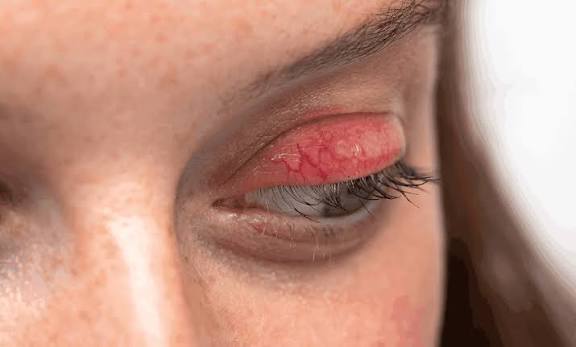
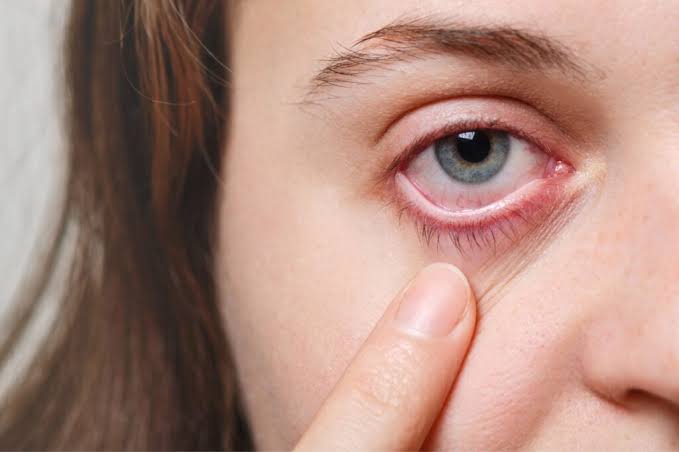
Why are my eyelids red is a question that often comes with a mirror check and a bit of worry, especially when the redness appears out of nowhere.
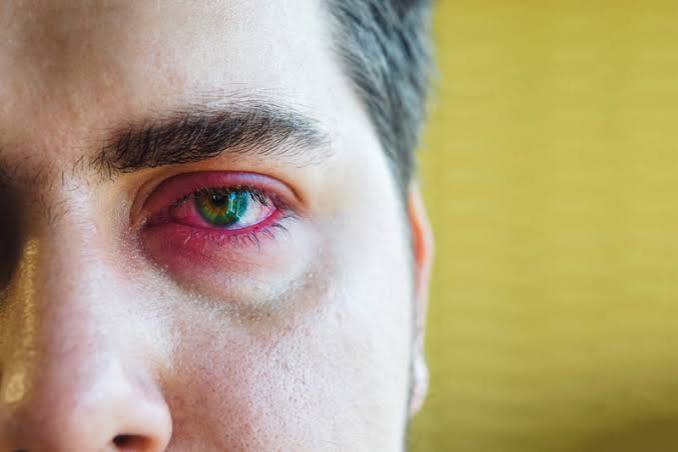
Red eyelids can be caused by something as simple as allergies, irritation from makeup, or crying, but they can also point to an infection like conjunctivitis, blepharitis, or a stye. Telling the difference matters, since allergic and infectious causes are treated very differently.
What Red Eyelids Usually Mean
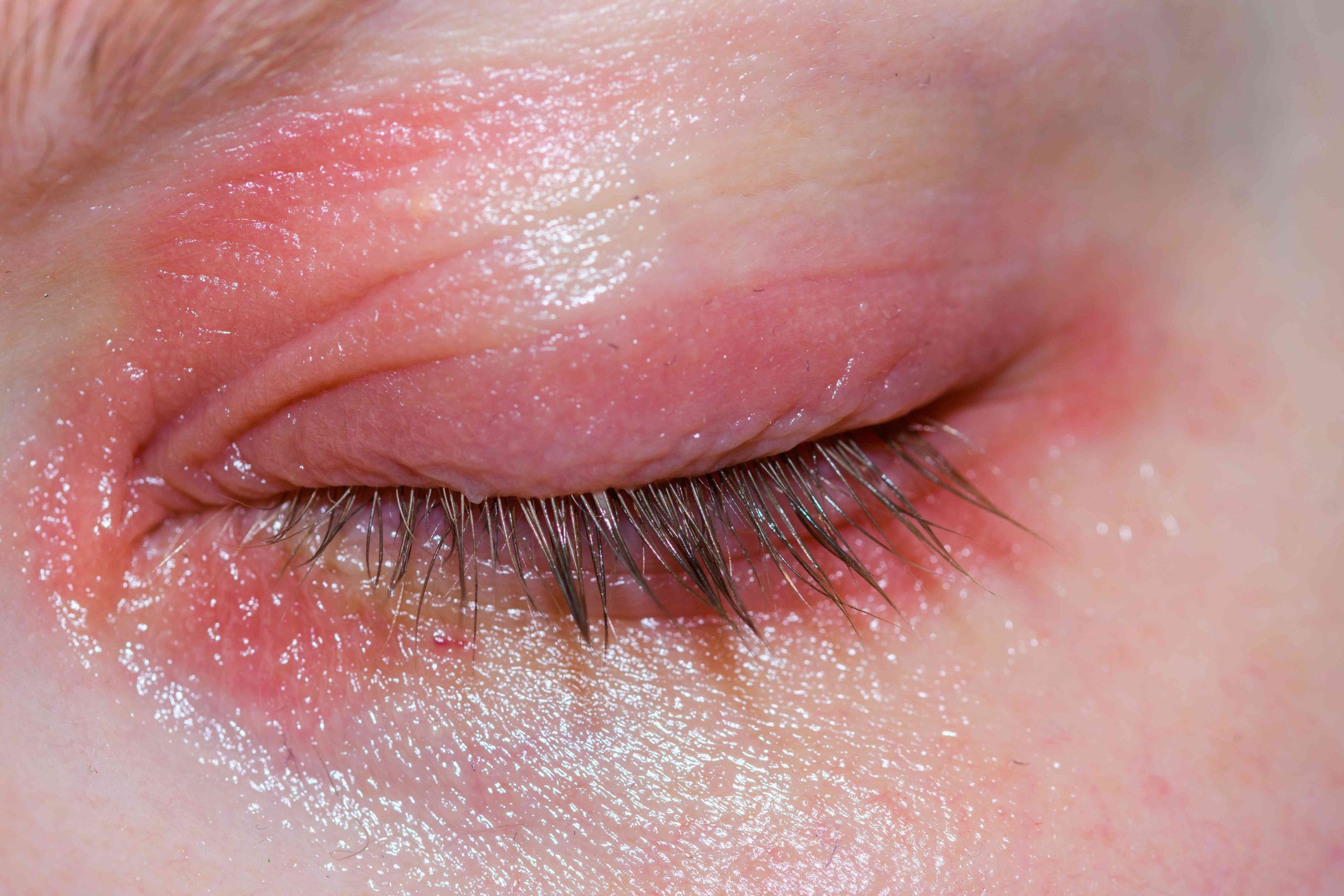
Red eyelids happen when blood vessels near the surface of the skin become inflamed, irritated, or infected.
This inflammation can affect just the skin of the eyelid, the eyelid margin near the lashes, or the conjunctiva lining the inside of the eyelid and covering the eye.
Redness is often accompanied by other symptoms like itching, swelling, discharge, or tenderness, and these accompanying symptoms are usually the biggest clue to the underlying cause.
Recognizing patterns over time, such as whether the redness comes back seasonally, after specific products, or during colds and allergy flares, can make it much easier to identify a consistent trigger.
Common Causes of Red Eyelids
Allergic Conjunctivitis
Allergic conjunctivitis occurs when allergens like pollen, dust mites, or pet dander cause the conjunctiva to become inflamed and irritated.
This reaction typically affects both eyes at once and is strongly associated with intense itching, watery discharge, and mild swelling.
Since it isn’t caused by bacteria or viruses, allergic conjunctivitis isn’t contagious and usually improves once the allergen trigger is avoided or treated.
Contact Dermatitis (Eyelid Dermatitis)
Eyelid dermatitis develops when the skin of the eyelid reacts to a substance it touches, such as makeup, skincare products, or contact lens solution.
This reaction usually appears within one to three days of exposure and causes red, scaly, itchy skin that may also swell or thicken over time.
Identifying and removing the triggering product is often the most effective way to resolve this type of eyelid redness.
Blepharitis
Blepharitis is inflammation of the eyelid margin, the area where the eyelashes grow, and it often causes eyelids to look pink-red and slightly swollen.
Common symptoms include a gritty feeling, crusting around the eyelashes, and eyelids that stick together after sleeping.
Blepharitis is frequently linked to blocked oil glands, skin conditions like rosacea, or a buildup of bacteria along the eyelid margin.
Because blepharitis tends to be a chronic condition, ongoing eyelid hygiene is often needed to keep flare-ups under control even after initial symptoms improve.
Stye (Hordeolum)
A stye is a localized bacterial infection that forms a red, tender bump near the base of an eyelash or inside the eyelid.
Unlike allergic redness, a stye typically causes noticeable pain, warmth, and swelling focused on one specific spot rather than the entire eyelid.
Most styes resolve within a week using warm compresses, though larger or persistent ones may need professional treatment.
Squeezing or popping a stye at home is discouraged, since this can push the infection deeper and potentially worsen the condition.
Chalazion
A chalazion forms when an oil gland in the eyelid becomes blocked, creating a firm, sometimes reddened bump that develops more gradually than a stye.
Unlike a stye, a chalazion is often painless once it’s fully formed, though the surrounding skin can look inflamed during the early stages.
Warm compresses can help many chalazia drain on their own, though some require a minor procedure if they don’t resolve.
Viral or Bacterial Conjunctivitis (Pink Eye)
Infectious conjunctivitis, commonly known as pink eye, causes redness in the eyelid and the white of the eye along with discharge that can be thick and colored.
Bacterial conjunctivitis often produces yellow or green discharge, while viral conjunctivitis tends to cause clearer, watery discharge alongside cold-like symptoms.
Both types are contagious and can spread easily through touching the eyes and then touching other surfaces or people.
Rosacea and Seborrheic Dermatitis
Ocular rosacea can cause chronic eyelid redness along with a gritty or burning sensation, often alongside facial flushing and visible blood vessels on the cheeks or nose.
Seborrheic dermatitis, commonly known as dandruff when it affects the scalp, can also flake onto the eyelid margin and cause ongoing irritation and redness.
Both of these conditions tend to be recurring rather than a one-time occurrence, often flaring and improving over weeks or months.
Crying, Rubbing, or Fatigue
Crying naturally increases blood flow to the delicate skin around the eyes, which can leave eyelids looking red and slightly puffy for a few hours afterward.
Rubbing your eyes, whether from itchiness or tiredness, irritates the skin and blood vessels, often making redness worse rather than better.
This type of temporary redness usually fades on its own within a short period once the rubbing stops or the tears subside.
Makeup and Skincare Irritants
Certain fragrances, preservatives, and active ingredients in makeup or skincare products can irritate the thin, sensitive skin of the eyelids.
This kind of irritation can appear suddenly after using a new product or gradually after repeated use of the same one over time.
Switching to fragrance-free, hypoallergenic products is often enough to calm this type of eyelid redness.
Other Less Common Causes of Red Eyelids
Preseptal or Orbital Cellulitis
Preseptal cellulitis is a bacterial infection of the eyelid and surrounding skin that causes redness, warmth, and diffuse swelling across the entire eyelid.
Orbital cellulitis is a more serious, deeper infection that can affect vision and eye movement, making it a medical emergency if suspected.
Both conditions typically require prompt antibiotic treatment, and orbital cellulitis in particular often needs immediate evaluation at an emergency room.
Herpes Zoster or Herpes Simplex Infections
Viral infections like shingles or herpes simplex can affect the skin around the eyes, causing redness, blistering, and significant pain along one side of the face.
These infections can potentially involve the cornea and require antiviral treatment to prevent lasting damage to the eye.
Anyone with red eyelids accompanied by painful blisters or a rash pattern following a nerve pathway should seek medical care promptly.
Thyroid Eye Disease
Thyroid-related eye conditions, often associated with Graves’ disease, can cause eyelid redness along with swelling, bulging eyes, or difficulty closing the eyelids fully.
This type of redness tends to develop gradually and is usually accompanied by other symptoms related to thyroid function, such as fatigue or weight changes.
An endocrinologist or ophthalmologist can help confirm whether thyroid eye disease is contributing to ongoing eyelid symptoms.
Dry Eye Syndrome
Chronic dry eye can lead to persistent irritation and redness along the eyelid margin, since insufficient tear production allows friction and inflammation to build up.
This cause often overlaps with blepharitis, since both conditions involve the oil glands along the eyelid and can worsen each other over time.
Artificial tears and treating any underlying gland dysfunction can meaningfully reduce dryness-related eyelid redness.
Medication Side Effects
Certain medications, including some blood pressure drugs, acne treatments, and topical eye medications, can list eyelid redness or irritation as a documented side effect.
This type of redness often develops gradually after starting a new medication rather than appearing suddenly.
Reviewing recent medication changes with your doctor can help determine whether a drug reaction is contributing to your symptoms.
Red Eyelids in Specific Situations
Red Eyelids in Children
Children frequently develop red eyelids from allergic conjunctivitis, viral pink eye picked up at school or daycare, or irritation from rubbing tired eyes.
Because young children often struggle to describe symptoms clearly, watching for behaviors like frequent eye rubbing or squinting can offer helpful clues.
A pediatrician or pediatric ophthalmologist can quickly distinguish between allergic and infectious causes in children.
Red Eyelids in Contact Lens Wearers
Contact lens wearers face an increased risk of both allergic reactions to lens solution and infections related to lens hygiene or overwear.
Redness that develops alongside contact lens use, especially with pain or light sensitivity, should prompt immediate lens removal and a same-day evaluation.
Switching to daily disposable lenses or preservative-free solutions can reduce irritation-related redness for sensitive wearers.
Red Eyelids After Eyelash Extensions or Tinting
The adhesives, tints, and chemicals used in eyelash extensions or lash tinting can trigger allergic contact dermatitis in sensitive individuals.
This type of reaction often appears within a day or two of the treatment and can cause significant swelling alongside the redness.
A patch test before undergoing lash treatments can help identify a potential allergy before it affects the entire eyelid area.
One Eye Versus Both Eyes
Redness affecting only one eye is more commonly linked to a localized issue like a stye, chalazion, or early bacterial infection.
Redness affecting both eyes simultaneously points more strongly toward a systemic cause like allergies, though viral conjunctivitis can also eventually spread to both eyes.
Tracking which eye was affected first and how quickly symptoms spread can be a useful detail to share with your eye doctor.
Quick Reference: Symptom Pattern and Likely Direction
| Symptom Pattern | More Likely Cause |
|---|---|
| Both eyes, intense itching | Allergic conjunctivitis |
| One eye, painful bump | Stye |
| Crusty eyelid margin, gritty feeling | Blepharitis |
| Colored discharge, one eye first | Bacterial conjunctivitis |
| Redness after new product use | Contact dermatitis |
| Widespread swelling with fever | Cellulitis (seek urgent care) |
Table: Allergy vs. Infection Symptom Comparison
| Feature | Allergic Cause | Infectious Cause |
|---|---|---|
| Itching | Intense, hallmark symptom | Mild or absent |
| Pain or tenderness | Rare | Common, especially with a stye |
| Discharge | Clear and watery | Thick, yellow, or green |
| Eyes affected | Usually both | Often starts in one eye |
| Contagious | No | Often yes |
How to Tell If It’s Allergies or an Infection
Itching is generally considered the hallmark symptom of an allergic cause, while pain or tenderness points more strongly toward an infection.
Clear, watery discharge is typical of allergies or viral infections, while thick yellow or green discharge usually signals a bacterial infection.
Allergic reactions almost always affect both eyes at the same time, whereas infections frequently begin in just one eye before potentially spreading to the other.
The timing of symptom onset also offers useful clues, since allergic reactions often flare quickly after exposure to a trigger, while infections tend to build gradually over one to three days.
When to Worry: Warning Signs You Shouldn’t Ignore
Red eyelids accompanied by a high fever, severe eye pain, or sudden vision changes require urgent medical attention rather than home treatment.
Rapid swelling that spreads beyond the eyelid to the surrounding face, along with warmth and significant pain, can indicate a serious infection like orbital or preseptal cellulitis.
Difficulty breathing, wheezing, or widespread swelling of the face and lips alongside red eyelids can signal anaphylaxis and needs emergency care immediately.
Redness that doesn’t improve after a week of home care, or that keeps returning, is worth a proper evaluation by an eye doctor.
Vision changes, double vision, or significant light sensitivity alongside red eyelids should never be dismissed as simple irritation.
A red eyelid that feels increasingly warm to the touch, combined with worsening pain over a day or two, suggests an infection that is progressing and needs prompt attention rather than continued home care.
Any redness following a direct injury or chemical exposure to the eye area should also be evaluated quickly, since these situations can worsen rapidly without treatment.
How Eye Doctors Diagnose Red Eyelids
An eye doctor typically begins with a close visual examination of the eyelid margin, skin, and surrounding structures to identify visible signs of infection or inflammation.
They may ask about recent product use, allergy history, and whether one or both eyes are affected to help narrow down the cause.
In cases of suspected contact dermatitis, a dermatologist or allergist may recommend patch testing to identify the specific allergen responsible.
If an infection is suspected, a doctor may take a swab of any discharge to confirm whether bacteria or a virus is responsible, which helps guide the right treatment.
For chronic or recurring redness, your provider may also examine your skin more broadly for signs of conditions like rosacea or seborrheic dermatitis that extend beyond the eyelids.
Home Remedies for Red Eyelids
Applying a clean, cool compress can reduce swelling and calm irritation caused by allergies, rubbing, or mild dermatitis.
A warm compress is generally more effective for infections like a stye or chalazion, since heat helps loosen blockages and encourages drainage.
Over-the-counter antihistamine eye drops can relieve allergy-related redness and itching without needing a prescription in most cases.
Avoiding eye makeup and switching to fragrance-free products while symptoms are present gives irritated skin a chance to heal.
Washing your hands frequently and avoiding touching or rubbing your eyes helps prevent infectious causes from worsening or spreading.
Using a preservative-free artificial tear can soothe irritation while you’re still identifying the underlying cause, without masking symptoms your doctor may need to see.
Replacing your pillowcase more frequently can also help, since it collects allergens, oils, and bacteria that come into direct contact with your eyelids each night.
How to Prevent Red Eyelids
Removing eye makeup thoroughly every night prevents product buildup that can irritate the eyelid margin over time.
Replacing eye makeup regularly and never sharing cosmetics with others reduces the risk of both irritation and infection.
Managing seasonal allergies with antihistamines or allergy avoidance strategies can significantly reduce allergy-related eyelid redness.
Cleaning the eyelid margin gently with a warm cloth as part of a regular routine can help prevent blepharitis flare-ups.
Switching to hypoallergenic, fragrance-free skincare and cosmetic products lowers the risk of contact dermatitis affecting the eyelids.
Storing cosmetics properly and discarding any product past its expiration date reduces the chance of bacterial contamination reaching the delicate eyelid skin.
Keeping pets out of the bedroom and washing bedding regularly can meaningfully reduce nighttime exposure to dander and dust mites for allergy-prone individuals.
Table: Common Causes and Suggested First Step
| Possible Cause | Key Symptom | Suggested First Step |
|---|---|---|
| Allergic conjunctivitis | Intense itching, both eyes | Antihistamine eye drops |
| Contact dermatitis | Scaly, red skin after product use | Remove suspected trigger |
| Blepharitis | Crusty, gritty eyelid margin | Warm compress, eyelid cleansing |
| Stye | Tender, localized bump | Warm compress |
| Chalazion | Firm, painless bump | Warm compress, monitor |
| Conjunctivitis (pink eye) | Colored discharge | See a doctor, avoid spreading |
Frequently Asked Questions (FAQs)
Why are my eyelids red but not itchy?
This pattern often points toward an infection rather than allergies. A stye, chalazion, or conjunctivitis are common causes.
Can stress cause my eyelids to turn red?
Yes, stress can worsen rubbing, dryness, and skin conditions like rosacea. Managing stress may help reduce flare-ups.
How do I know if my red eyelid is contagious?
Bacterial or viral conjunctivitis is usually contagious. Allergic or irritant-related redness typically is not.
Why are my eyelids red only in the morning?
This can result from allergens in bedding or crusting from blepharitis overnight. Cleaning the eyelid margin before bed may help.
Can makeup really cause red eyelids?
Yes, fragrances and certain ingredients commonly irritate eyelid skin. Switching to hypoallergenic products often resolves this.
Is a stye the same as pink eye?
No, a stye is a localized infected bump. Pink eye is a broader infection or inflammation of the eye’s surface.
Why do my eyelids turn red after crying?
Increased blood flow to the delicate eyelid skin causes temporary redness. This usually fades within a few hours.
Can allergies cause red eyelids without affecting my eyes?
Yes, allergic contact dermatitis can affect only the eyelid skin. This differs from allergic conjunctivitis, which involves the eye itself.
When should I see a doctor for red eyelids?
See a doctor if pain, vision changes, or fever occur. Also seek care if redness persists beyond a week.
Can red eyelids be a sign of something serious?
Rarely, but severe swelling with pain can indicate cellulitis. Sudden widespread swelling with breathing trouble needs emergency care.
Conclusion
Red eyelids are usually caused by something manageable, like seasonal allergies, contact dermatitis from a cosmetic product, blepharitis, or a stye, and most cases improve with simple home care within a week.
Paying attention to whether the redness itches or hurts, whether it affects one eye or both, and what kind of discharge is present can help you figure out whether allergies or an infection are the more likely cause.
While most red eyelid cases aren’t serious, symptoms like severe pain, fever, vision changes, or rapidly spreading swelling should never be ignored and warrant prompt medical attention.
Tracking your symptoms and any recent changes in products, environment, or habits can make your next eye doctor visit faster and more productive if the redness doesn’t clear up on its own.