Why Do I Keep Getting Ear Infections? Prevention Tips 2026
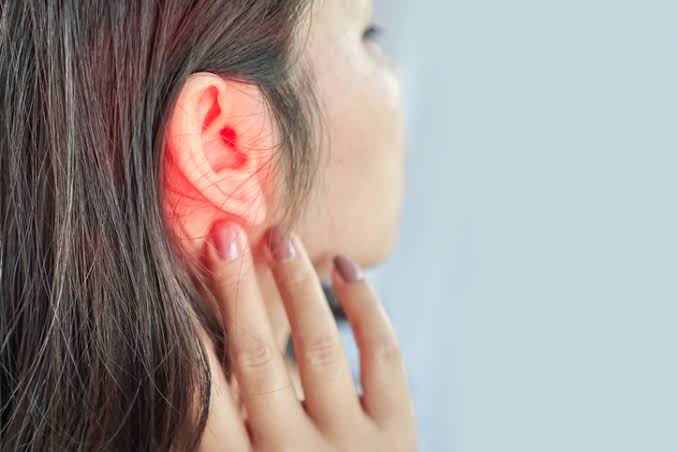
Why do I keep getting ear infections is a question that crosses your mind every time that familiar ache and pressure returns. One infection feels unlucky. Three or four in a year feels like your body is working against you.
You are not imagining it, and you are not alone. Recurring ear infections are common in both children and adults, and they almost always trace back to a small handful of root causes. Most involve a tiny structure called the eustachian tube, along with allergies, sinus problems, or lifestyle habits you may not have connected to your ears at all.
What Counts As A Recurring Ear Infection
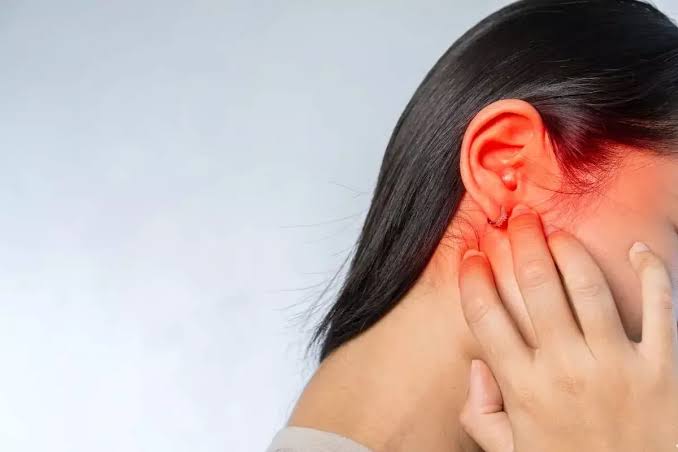
Doctors generally define recurring ear infections as three or more episodes in six months, or four or more within a year. Some people fall just short of that but still feel like they are constantly fighting one.
If your ear pain, pressure, or drainage clears up and then returns within weeks, that pattern matters. It tells your doctor this is not a one-off illness but something structural or ongoing.
Tracking your episodes, including dates, symptoms, and any triggers like a cold or flight, makes your next doctor visit far more productive.
The Three Types Of Ear Infections You Might Have
Not every “ear infection” is the same condition. Knowing which part of the ear is involved changes both the cause and the fix.
Middle ear infections, called otitis media, happen behind the eardrum. Outer ear infections, known as swimmer’s ear or otitis externa, affect the ear canal itself. A third pattern, fluid without active infection, is called otitis media with effusion.
Comparison Of Common Ear Infection Types
| Type | Location | Common Trigger | Typical Symptom |
|---|---|---|---|
| Acute Otitis Media | Middle ear | Cold, flu, allergies | Sharp pain, fever |
| Otitis Externa (Swimmer’s Ear) | Outer ear canal | Trapped water, over-cleaning | Itching, canal pain |
| Otitis Media With Effusion | Middle ear | Leftover fluid after infection | Muffled hearing, fullness |
| Chronic Suppurative Otitis Media | Middle ear | Untreated or repeated infections | Ongoing drainage, eardrum damage |
Eustachian Tube Dysfunction Is The Number One Cause
Your eustachian tube connects the back of your nose to your middle ear. It drains fluid from the middle ear and equalizes pressure, and in some people this tube does not function normally.
When the tube swells shut or stays partially blocked, fluid has nowhere to go. That trapped fluid becomes the perfect environment for bacteria or viruses to multiply.
The eustachian tube normally protects the middle ear from pathogens, helps ventilate it for proper pressure, and drains secretions from the middle ear. When any of those three jobs fail, infections follow.
Why Allergies Keep The Cycle Going
Allergic rhinitis is one of the most overlooked reasons people keep getting ear infections as adults. Chronic allergies cause inflammation that prevents fluid from draining out of the middle ear.
Seasonal pollen, dust mites, and pet dander all trigger this same swelling response. Eustachian tube dysfunction is estimated to affect a small share of adults and a much larger share of children, and inflammatory conditions like allergic rhinitis are a leading contributor.
If your ear symptoms flare alongside sneezing, itchy eyes, or a runny nose, allergies are very likely part of your pattern.
Sinus Congestion And Upper Respiratory Infections
A stuffy nose does more than make breathing hard. Swelling from a cold or sinus infection travels straight into the eustachian tube.
An upper respiratory infection is one of the most frequent precursors to acute otitis media. Every cold season, this pathway becomes the most common trigger for recurring ear pain.
Sinus infections are particularly stubborn because the congestion can linger for weeks, giving your eustachian tube little chance to recover between episodes.
Smoking And Secondhand Smoke Damage The Eustachian Tube
Tobacco smoke does not just irritate your lungs. Environmental factors and cigarette smoking disrupt the eustachian tube’s natural clearance mechanism.
This means smoke exposure physically weakens the tube’s ability to drain fluid on its own. Over time, that damage makes repeat infections far more likely.
If you live with a smoker or vape indoors, that exposure counts too. Reducing smoke exposure at home is one of the simplest prevention steps available.
Structural And Anatomical Differences
Some people are simply built with a eustachian tube shape that drains less efficiently. This is especially true in young children, whose tubes sit more horizontally.
Children between six months and two years are more likely to get ear infections because of the size and shape of their eustachian tubes.
In adults, a deviated septum, nasal polyps, or enlarged adenoid tissue can create the same drainage problem. These structural issues rarely resolve without medical or surgical intervention.
Biofilms: The Hidden Reason Infections Return
One reason ear infections seem to “come back” instead of fully clearing is bacterial biofilm. Biofilms are protective layers bacteria build around themselves, shielding them from antibiotics.
Recurrent and chronic ear infections are influenced by both individual risk factors, including eustachian tube dysfunction, genetic predisposition, and allergy, and environmental factors.
Because biofilm bacteria hide rather than fully die off, symptoms often fade temporarily only to flare again once conditions are right.
Immune System Factors
A weakened or still-developing immune system struggles to clear infections completely. This is one reason young children experience far more ear infections than adults.
People with weaker immune systems, including children whose immunity is still developing, are more susceptible to infections, and frequent colds or sinus infections can contribute to ongoing ear issues.
In adults, conditions affecting immune function, chronic stress, poor sleep, and nutritional gaps can all play a smaller but real role in how often infections return.
Swimming And Water Exposure
Frequent swimming, especially in untreated water, raises your risk of outer ear infections. Water trapped in the canal softens skin and creates a breeding ground for bacteria.
Chlorinated pools are not risk-free either. Repeated exposure still strips protective ear wax and irritates the canal lining over time.
Drying ears thoroughly after every swim, and using earplugs designed for swimmers, meaningfully cuts this risk.
Bottle Feeding And Ear Infections In Babies

For parents dealing with a baby who keeps getting ear infections, feeding position matters more than most people realize. Babies who drink from a bottle tend to have more ear infections than those who breastfeed, especially if given a bottle while lying in their crib.
Feeding babies in a more upright position helps prevent milk from pooling near the eustachian tube opening.
Group Child Care Settings
Daycare and preschool settings expose children to far more circulating viruses than staying home. Children cared for in group settings are more likely to get colds and ear infections because they come into contact with more common illnesses.
This does not mean daycare should be avoided, but it does explain why infection frequency often spikes right after a child starts group care.
Adults Get Recurring Ear Infections Too
It is a myth that ear infections are only a childhood problem. Adults face different triggers than kids, including chronic sinus infections or allergies that block drainage.
Bacteria or viruses infecting the middle ear remain the most common overall cause of ear infections in adults. The difference is that adult cases more often point to an underlying issue that needs its own treatment.
Adults get recurring ear infections from bacteria, viruses, eustachian tube problems, allergies, colds, or structural issues, and identifying the specific cause is key to effective prevention.
Warning Signs You Should Not Ignore
Most ear infections are uncomfortable but not dangerous. Certain symptoms, however, need prompt medical attention.
Chronic or recurring ear infections can lead to a ruptured eardrum, hearing loss, balance problems, or in severe cases, facial paralysis. Seek care quickly if pain is severe, fever is high, or discharge appears.
Symptoms Table: When To Call A Doctor
| Symptom | What It May Mean | Action |
|---|---|---|
| Mild ear ache, no fever | Early or minor infection | Monitor 24-48 hours |
| High fever with ear pain | Bacterial infection likely | See a doctor promptly |
| Fluid or pus draining | Possible eardrum rupture | Seek care same day |
| Sudden hearing loss | Middle ear or nerve involvement | Seek care urgently |
| Facial weakness or drooping | Rare but serious complication | Emergency evaluation |
How Doctors Diagnose The Root Cause
A single ear exam rarely explains why infections keep returning. Your doctor will usually look at your full pattern over months, not just the current episode.
Otoscopy, tympanometry, and nasal endoscopy are common tools used to evaluate eustachian tube function and identify the underlying problem.
Allergy testing, imaging of the sinuses, or a hearing evaluation may also be recommended if infections keep recurring despite standard treatment.
Treatment Options That Actually Address The Cause
Antibiotics treat the current infection but do nothing for the underlying reason it keeps happening. Antibiotics work for bacterial infections while viral infections simply need time to clear on their own.
When inflammation stems from allergies or sinus congestion, addressing that source directly helps prevent the infection from recurring.
For persistent fluid or structural blockage, minor procedures to restore drainage may be recommended to reduce the risk of future complications.
Ear Tubes: When Surgery Becomes An Option
Ear tubes, or tympanostomy tubes, are tiny devices placed in the eardrum to keep air flowing and fluid draining. They are most common in young children with frequent infections.
This procedure is usually considered only after infections have recurred multiple times despite medication and lifestyle changes. Most tubes fall out naturally within six to eighteen months as the ear grows.
Prevention Tip 1: Manage Allergies Proactively
Do not wait for a flare-up to treat your allergies. Controlling allergy symptoms through medication, avoiding known triggers, or using air purifiers can reduce the inflammation that contributes to ear infections.
Daily antihistamines during high-pollen seasons can prevent the swelling that traps fluid in the first place.
Prevention Tip 2: Quit Smoking And Avoid Secondhand Smoke
Tobacco smoke irritates the respiratory system and eustachian tubes, increasing infection risk, and avoiding exposure significantly lowers that risk.
This applies to vaping as well. Keeping smoke-free spaces at home protects everyone in the household, not just the person prone to infections.
Prevention Tip 3: Keep Water Out Of Your Ears

Wearing earplugs while swimming, even in chlorinated pools, and avoiding direct water spray in the shower helps prevent outer ear infections.
Gently drying ears with a towel after swimming or bathing removes the moisture bacteria need to grow.
Prevention Tip 4: Stay Current On Vaccinations
Immunizations, including flu and pneumococcal vaccines, help prevent infections that commonly lead to ear problems.
Fewer respiratory illnesses mean fewer opportunities for congestion to travel into the eustachian tube.
Prevention Tip 5: Watch Environmental Triggers
Limiting exposure to excessive moisture, pollutants, or rapid air pressure changes such as during flights can help maintain ear health.
Chewing gum or swallowing frequently during takeoff and landing helps your eustachian tube equalize pressure naturally.
Prevention Tip 6: Feed Babies In An Upright Position
Avoid propping a bottle while a baby lies flat. Feeding at an incline reduces the chance of milk reaching the eustachian tube opening.
Prevention Tip 7: Practice Careful Ear Hygiene
Avoid inserting cotton swabs or other objects into the ear canal. Over-cleaning removes protective wax and can irritate or injure the delicate skin, raising infection risk.
Prevention Tip 8: Treat Sinus Congestion Early
Addressing a stuffy nose quickly, whether through saline rinses, decongestants, or steam, shortens the window where congestion can spread to the eustachian tube.
Prevention Checklist By Cause
| Root Cause | Best Prevention Step |
|---|---|
| Allergies | Daily antihistamines, air purifiers |
| Smoking exposure | Eliminate smoke and vape exposure |
| Swimmer’s ear | Earplugs, thorough drying |
| Sinus congestion | Early treatment, saline rinses |
| Air pressure changes | Chewing gum, swallowing during flights |
| Structural blockage | ENT evaluation, possible ear tubes |
Common Myths About Recurring Ear Infections
A lot of misinformation surrounds ear infections, and believing the wrong thing can delay real treatment. Clearing up these myths helps you focus on what actually works.
Myth: Ear infections only affect children. Adults get them too, often from allergies, sinus issues, or eustachian tube problems rather than childhood anatomy.
Myth: You need antibiotics every time. Many infections, especially viral ones, clear up without antibiotics. Overuse can even make future infections harder to treat.
Myth: Q-tips keep ears clean and infection-free. Cotton swabs often push wax deeper and irritate the canal, which can actually raise your risk of infection.
Myth: Ear infections are always contagious. The infection itself is not contagious, though the cold or virus that triggered it can be.
Diet, Hydration, And Ear Health
Nutrition rarely gets mentioned in ear infection discussions, but it plays a supporting role in immune resilience. A diet low in processed sugar and rich in fruits, vegetables, and lean protein supports faster recovery from colds that often precede ear infections.
Staying well hydrated thins mucus, making it easier for your body to clear congestion before it reaches the eustachian tube. Adding foods with natural anti-inflammatory properties, like ginger, turmeric, and omega-3 rich fish, may offer modest support alongside medical treatment.
None of these dietary steps replace medical care for an active infection, but they can strengthen your body’s ability to prevent the next one.
Risk Factors By Age Group
Your age significantly shapes both how often you get ear infections and why. Understanding where you fall helps set realistic prevention expectations.
Age-Based Risk Factor Table
| Age Group | Primary Risk Factors | Typical Frequency |
|---|---|---|
| Infants (0-12 months) | Horizontal eustachian tubes, bottle feeding | Highest risk group |
| Toddlers (1-3 years) | Daycare exposure, developing immunity | Frequent, often several per year |
| School-age children | Colds, allergies, tonsil size | Decreasing with age |
| Adults | Allergies, sinus issues, smoking, structural factors | Less frequent but often chronic |
Natural And At-Home Support Measures
While medical treatment addresses the infection itself, some at-home measures support comfort and recovery between doctor visits. A warm compress held against the affected ear can ease pressure and pain.
Sleeping with your head slightly elevated helps fluid drain more effectively overnight. Staying upright during and after meals, especially for infants, also reduces fluid pooling near the eustachian tube.
These measures support recovery but do not replace a medical evaluation, especially if pain is severe or fever develops.
When To See An ENT Specialist
If infections keep returning despite trying prevention steps, a general checkup may not be enough. You cannot always prevent ear infections, particularly those caused by colds and flu, but persistent or severe cases warrant specialist care.
An ear, nose, and throat specialist can evaluate structural causes, run allergy testing, and discuss options like ear tubes or eustachian tube balloon dilation that a general provider may not offer.
Living With Chronic Ear Infections
Managing a recurring pattern is often about consistency rather than a single fix. Small daily habits, like allergy management and careful water exposure, add up over months.
Keeping a simple log of each episode, its possible trigger, and how long it lasted gives your doctor real data to work with instead of vague memory.
Most people see their frequency drop significantly once the true root cause, whether allergies, structural, or environmental, is properly identified and treated.
Frequently Asked Questions (FAQs)
Why do I keep getting ear infections as an adult?
Adult recurring infections usually trace back to allergies, sinus congestion, or eustachian tube dysfunction. Smoking exposure and structural issues can also play a role.
Are recurring ear infections a sign of something serious?
Not usually, but frequent episodes can point to an underlying issue like chronic sinusitis or a structural blockage. It is worth having an ENT evaluate the pattern.
Can allergies really cause ear infections?
Yes, allergic inflammation swells the eustachian tube and traps fluid in the middle ear. Treating allergies often reduces how often infections occur.
How many ear infections a year is considered too many?
Three or more in six months, or four or more in a year, is generally classified as recurrent. That threshold usually prompts further evaluation.
Does swimming cause ear infections?
Swimming can cause outer ear infections when water gets trapped in the canal. Drying ears well and using earplugs lowers this risk significantly.
Can stress make ear infections happen more often?
Chronic stress can weaken immune response, making it harder to fully clear infections. It is rarely the sole cause but can contribute.
Should I take antibiotics every time my ear infection returns?
Not necessarily, since repeated antibiotic use does not address the root cause and can affect gut health. Discuss a prevention plan with your doctor instead.
When do children usually outgrow ear infections?
Most children see infections decrease significantly after age two or three as eustachian tubes mature. Some still need tubes if infections stay frequent.
Can ear infections cause permanent hearing loss?
Repeated or untreated infections can cause temporary or, in rare cases, permanent hearing changes. Prompt treatment lowers this risk considerably.
What is the fastest way to stop an ear infection cycle?
Identifying and treating the specific root cause, whether allergies, smoking exposure, or structural issues, stops the cycle faster than treating symptoms alone. An ENT evaluation is the most reliable starting point.
Conclusion
Recurring ear infections are frustrating, but they almost always have a traceable cause. Eustachian tube dysfunction, allergies, sinus congestion, smoking exposure, and structural differences account for the vast majority of repeat cases in both children and adults.
The good news is that most of these causes respond well to targeted prevention. Managing allergies, protecting your ears from water and smoke, and treating congestion early can meaningfully cut how often infections return.
If you have tried the basics and infections keep coming back, do not wait it out. An ENT specialist can identify the exact mechanism behind your pattern and offer solutions, from medication adjustments to minor procedures, that general care alone cannot provide. Getting answers now means fewer painful flare-ups later.