Why Does My Throat Hurt When I Yawn? Easy Fixes 2026
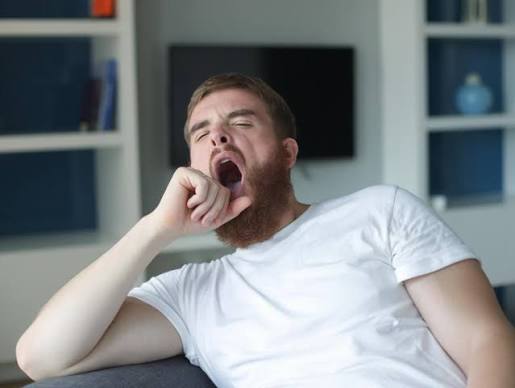
Why does my throat hurt when I yawn? For most people, this happens because yawning stretches throat muscles and tissues that are already dry, irritated, or inflamed. A single painful yawn is usually harmless and linked to dryness, mild irritation, or a cold.
But if the pain sticks around for more than a few days, shows up with fever, or makes swallowing hard, it may point to an infection, allergy, TMJ issue, or acid reflux.
Is Yawning Pain The Same As A Normal Sore Throat?

Not exactly. A normal sore throat usually hurts steadily throughout the day, whether you talk, swallow, or breathe.
Yawning-related pain, on the other hand, often feels mild or even absent at rest and only flares up during that wide stretch of the mouth.
This distinction matters because it tells you the pain is being triggered by movement and tissue stretching rather than constant inflammation alone.
Doctors sometimes use this pattern to narrow down whether the issue is muscular, joint-related, or tied to an active infection.
What Happens In Your Throat When You Yawn
Yawning is a reflex that opens your mouth wide and stretches the muscles of your jaw, neck, and throat all at once.
This wide stretch pulls on soft tissue in your throat, including your tonsils, soft palate, and the lining of your pharynx.
If that tissue is already swollen, dry, or inflamed for any reason, the stretch can turn a silent problem into a sharp, noticeable pain.
Yawning also changes pressure inside your Eustachian tubes, the small passages connecting your throat to your middle ear.
That pressure shift is why throat pain during a yawn sometimes travels toward your ear as well.
Common Causes Of Throat Pain When Yawning
There is no single medical condition that causes pain only during yawning. Instead, yawning tends to expose or worsen pain that is already present from another cause.
The table below gives you a fast overview before we explain each cause in more detail.
| Cause | Typical Pain Feel | Common Trigger |
|---|---|---|
| Dry throat | Scratchy, rough | Mouth breathing, dry air |
| Viral infection | Dull, both sides | Cold, flu, COVID-19 |
| Strep throat | Sharp, worse swallowing | Bacterial infection |
| Tonsillitis | Severe, one or both sides | Viral or bacterial infection |
| Allergies | Itchy, mild | Pollen, dust, pet dander |
| GERD | Burning | Acid reflux |
| TMJ disorder | Aching, radiating | Jaw strain, teeth grinding |
| Throat injury | Sharp, localized | Sharp food, scratch |
| Muscle strain | Tight, sore | Talking, singing, grinding |
| Epiglottitis | Severe, breathing trouble | Bacterial infection (rare) |
Dry Throat
A dry throat happens when your mucus membranes don’t produce enough moisture to keep your throat lining comfortable.
Sleeping with your mouth open, breathing dry indoor air, and dehydration are the most common reasons this happens overnight.
Viral Infections
Colds, flu, and COVID-19 are the most frequent reason a throat hurts in general, and yawning simply adds extra stretch to already inflamed tissue.
This type of pain usually affects both sides of the throat and tends to improve within five to seven days.
Strep Throat
Strep throat is a bacterial infection that makes up roughly 5 to 15 percent of adult sore throat cases and 20 to 30 percent of cases in children.
Swallowing is usually the most painful action, but a wide yawn can trigger a similar sharp sensation.
Tonsillitis
Your tonsils are lymph tissue at the back of your throat, and they can become infected by viruses or bacteria.
Swollen tonsils are especially sensitive to stretching, so yawning often makes tonsillitis pain feel worse than swallowing does.
Allergies
Seasonal or indoor allergens like pollen, dust mites, and pet dander can inflame throat tissue without any infection being involved.
This kind of pain tends to be mild, itchy, and often comes with a runny nose or watery eyes.
GERD And Acid Reflux
Gastroesophageal reflux disease allows stomach acid to travel up into the throat, irritating the lining over time.
A wide yawn stretches this already-irritated tissue, which can bring on a burning or raw feeling.
TMJ Disorder
Your temporomandibular joint connects your jaw to your skull, and it does a lot of work every time you yawn.
TMJ disorders affect roughly 5 to 12 percent of adults and can cause pain that radiates from the jaw into the throat and ear during a wide yawn.
Throat Injury
Swallowing something sharp, like a chip or a bone fragment, can leave a small scratch on your throat lining.
Yawning moves air and saliva across that scratch, which can reawaken the soreness until the injury heals.
Muscle Strain
Excessive talking, singing, shouting, or nighttime teeth grinding can tire out the muscles around your jaw and neck.
Because yawning stretches those same muscles further than normal, strain-related soreness often feels worse right after a big yawn.
Epiglottitis (Rare But Serious)
Epiglottitis is a bacterial infection of the tissue that covers your airway, and it can become life-threatening if the airway swells shut.
This condition is rare, but it is a medical emergency, so severe pain with difficulty breathing needs immediate attention.
Warning signs include drooling, a muffled voice, leaning forward to breathe, and a high fever that comes on quickly.
If you or someone near you shows these signs, treat it as an emergency and seek immediate medical care rather than trying home remedies first.
Why Do We Yawn In The First Place?

Yawning is a natural reflex most people experience multiple times a day, often linked to tiredness, boredom, or a need for more oxygen.
Researchers also believe yawning helps cool the brain and reset alertness levels, which is why it tends to happen more during long, monotonous tasks.
Interestingly, yawning is also contagious, meaning watching someone else yawn can trigger your own, a pattern thought to be tied to empathy and social bonding.
None of this changes why your throat hurts, but it helps explain why yawning happens so often and why painful yawns can feel so frustrating.
How Long Throat Pain From Yawning Usually Lasts
Most causes of yawning-related throat pain resolve within a few days once the underlying irritation clears up.
Viral infections typically take five to seven days, while dryness or allergy-related pain often improves within a day or two of adjusting your environment.
Bacterial infections like strep throat or tonsillitis usually need treatment to fully clear and can otherwise drag on or worsen.
If pain has lasted longer than a week without any improvement, it’s worth getting it checked rather than waiting it out.
Symptoms That Point To A Specific Cause
| Symptom Combination | Likely Cause |
|---|---|
| Scratchy throat, worse in the morning | Dry throat |
| Pain plus fever and body aches | Viral infection |
| Sudden sharp pain, no cough | Strep throat |
| Severe pain plus white spots on tonsils | Tonsillitis |
| Itchy throat, sneezing, watery eyes | Allergies |
| Burning feeling, worse after meals | GERD |
| Jaw clicking or popping | TMJ disorder |
| Pain in one exact spot after eating | Throat injury |
| Drooling, muffled voice, trouble breathing | Epiglottitis (emergency) |
Easy Fixes You Can Try Today
Most causes of throat pain when yawning respond well to simple home care, especially in the first few days.
The following remedies target the most common triggers, from dryness to mild inflammation.
Stay Hydrated
Drinking plenty of water throughout the day keeps your throat lining moist and less likely to feel scratchy during a yawn.
Warm water, herbal tea, or broth can feel especially soothing if your throat already feels raw.
Carrying a water bottle with you and sipping small amounts regularly works better than drinking a large amount all at once.
Gargle With Warm Salt Water
Mixing half a teaspoon of salt into eight ounces of warm water and gargling several times a day helps reduce swelling and clear irritants.
This is one of the simplest and most effective home remedies for infection-related throat pain, and it can be repeated three to four times a day as needed.
Use A Humidifier
Running a humidifier while you sleep adds moisture to the air, which helps prevent your throat from drying out overnight.
This fix is especially useful if you tend to sleep with your mouth open or live somewhere with dry indoor heating, and it often shows results within just a night or two.
Try Throat Lozenges
Throat lozenges keep saliva flowing and coat irritated tissue, which can reduce the sting you feel during a yawn.
Look for lozenges with soothing ingredients like honey, menthol, or slippery elm for extra comfort, and avoid overusing numbing types since they can mask worsening symptoms.
Take An Over-The-Counter Pain Reliever
Ibuprofen or acetaminophen can reduce both pain and inflammation while your throat heals from a cold or minor irritation.
Always follow the dosage instructions on the label and check with a pharmacist if you take other medications or have any underlying health conditions.
Manage Allergies
Antihistamines or nasal sprays can calm allergy-related throat inflammation fairly quickly, often within a day or two of consistent, regular use.
Reducing exposure to dust, pollen, or pet dander at home also helps prevent the irritation from returning.
Address Acid Reflux
Eating smaller meals, avoiding food close to bedtime, and elevating your head while sleeping can all reduce GERD-related throat irritation.
Over-the-counter antacids may also help if reflux is a frequent problem for you.
Relax Your Jaw
If TMJ or muscle strain seems to be the cause, gentle jaw stretches and warm compresses can ease tension around the joint.
Avoiding wide yawns when possible and reducing gum chewing can also lower the strain on your jaw muscles.
Rest Your Voice
Giving your throat a break from excessive talking, shouting, or singing allows strained muscles and tissue time to recover.
Whispering isn’t actually restful for your throat, so normal quiet speech is usually a better choice.
Avoid Irritants
Cigarette smoke, strong fumes, and very dry or polluted air can all worsen an already sensitive throat.
Cutting back on these irritants, even temporarily, often speeds up recovery from minor throat pain.
When To See A Doctor
Most throat pain from yawning is minor and clears up with basic home care within a few days.
However, some symptoms suggest it’s time to get a proper medical evaluation instead of waiting it out.
- Pain that lasts longer than five to seven days without improving
- A fever above 101°F alongside throat pain
- Difficulty swallowing food, liquids, or your own saliva
- Visible white spots or pus on your tonsils
- Severe pain on only one side of your throat
- Jaw clicking, locking, or limited mouth opening
- Trouble breathing, drooling, or a muffled voice
The last three symptoms in particular, especially trouble breathing, need urgent medical care since they could signal a more serious condition like epiglottitis.
Myths Vs Facts About Yawning And Throat Pain
There’s a lot of confusing information online about yawning, so it helps to separate common myths from what’s actually true.
| Myth | Fact |
|---|---|
| Yawning itself damages your throat | Yawning only stretches tissue that is already irritated |
| Painful yawns always mean an infection | Dryness, allergies, and TMJ are just as common |
| You should stop yawning to avoid pain | Suppressing yawns can increase jaw tension instead |
| Only sick people get painful yawns | Dehydration and mouth breathing affect healthy people too |
| Throat pain from yawning always needs antibiotics | Most cases resolve with home care, not medication |
Understanding these differences helps you avoid unnecessary worry while still recognizing genuine warning signs when they appear.
Prevention Tips For The Future
Keeping your throat consistently hydrated is one of the easiest ways to prevent recurring pain during yawns.
Aim for at least six to eight glasses of water a day, and increase that amount during dry weather or when you’re fighting off a cold.
Using a humidifier in dry seasons, treating allergies early, and managing reflux symptoms can all reduce how often this problem shows up.
Keeping your bedroom humidity between 30 and 50 percent is a simple target that prevents overnight dryness without encouraging mold growth.
If jaw strain or TMJ seems to be a repeat trigger, a dentist or TMJ specialist can help identify the root cause before it becomes chronic.
Simple habits like avoiding wide yawns when your jaw already feels tight, reducing gum chewing, and practicing gentle jaw stretches can lower how often TMJ pain shows up.
Finally, washing your hands often and avoiding close contact with sick people during cold and flu season lowers your risk of the viral infections that most commonly cause throat pain in the first place.
Diet And Lifestyle Tips That Help
What you eat and drink plays a bigger role in throat comfort than most people realize.
Choose Warm, Soothing Foods
Warm soups, broths, and herbal teas coat the throat lining and can ease irritation better than cold or crunchy foods.
Avoiding very spicy, acidic, or crunchy foods during a flare-up gives your throat tissue time to calm down.
Cut Back On Caffeine And Alcohol
Both caffeine and alcohol have a drying effect on your throat, which can make yawning pain feel worse.
Swapping a few cups of coffee for water or herbal tea can noticeably improve throat comfort within a day or two.
Sleep On Your Side With Your Mouth Closed
Sleeping with your mouth open overnight is one of the most common causes of morning throat dryness.
Side sleeping and using a supportive pillow can reduce mouth breathing and help your throat stay moist through the night.
Watch Your Posture During The Day
Slouching or craning your neck forward for long periods can add extra tension to jaw and neck muscles.
Sitting upright with your shoulders relaxed reduces strain that can make yawning pain more noticeable.
Yawning Throat Pain In Children Vs Adults

Children experience painful yawns for largely the same reasons as adults, though infections like strep throat and tonsillitis are more common in kids.
Because young children often can’t clearly describe throat pain, watch for signs like refusing food, drooling, or holding their neck.
Adults are more likely to experience TMJ-related or reflux-related throat pain, especially if they grind their teeth at night or eat late meals.
Regardless of age, persistent pain, high fever, or breathing difficulty should always prompt a call to a doctor rather than a wait-and-see approach.
Frequently Asked Questions (FAQs)
Is it normal for my throat to hurt every time I yawn?
Occasional pain during a wide yawn is common and usually linked to dryness or mild irritation. Frequent pain with every yawn is worth mentioning to a doctor.
Can dehydration cause throat pain when yawning?
Yes, dehydration reduces the moisture in your throat lining, making it more prone to scratchiness. Drinking more water throughout the day usually helps quickly.
Why does my throat hurt when I yawn but not when I swallow?
This pattern often points to muscle strain, TMJ issues, or dryness rather than infection. Infections like strep usually hurt more during swallowing too.
Can allergies really cause throat pain during yawning?
Yes, allergens inflame throat tissue even without an infection present. Yawning stretches that inflamed tissue, which can bring on mild discomfort.
Is throat pain when yawning ever a sign of something serious?
In rare cases, it can signal epiglottitis or throat cancer, though these are uncommon. Persistent or severe pain always deserves a medical check.
How long should I wait before seeing a doctor?
If pain lasts more than five to seven days or gets worse, it’s time to see a doctor. Fever, drooling, or breathing trouble need faster attention.
Can TMJ disorder really cause throat pain?
Yes, TMJ dysfunction can radiate pain from the jaw into the throat and ear. This happens because a wide yawn stresses the same joint and muscles.
Does GERD make throat pain worse specifically during yawning?
Yes, acid reflux irritates throat tissue, and a wide yawn stretches that already-sensitive lining. Managing reflux symptoms usually reduces this pain over time.
What home remedy works fastest for throat pain from yawning?
Warm salt water gargles and staying hydrated tend to bring the fastest relief for most people. A humidifier overnight also helps with dryness-related pain.
Can throat pain from yawning be a symptom of COVID-19?
Yes, COVID-19 commonly causes throat inflammation that becomes more noticeable during a wide yawn. Other symptoms like fever, cough, or fatigue usually appear alongside it.
Conclusion
A painful yawn is rarely something to panic about. In most cases, it comes down to a dry throat, a lingering cold, seasonal allergies, or simple muscle strain around your jaw. Home remedies like warm salt water gargles, staying hydrated, using a humidifier, and resting your voice solve the problem for the vast majority of people within a few days.
Pay closer attention when pain lasts more than a week, comes with fever or swelling, makes swallowing difficult, or is joined by breathing trouble, since these signs call for a doctor’s evaluation.
Understanding what’s really behind your throat pain when you yawn puts you in a much better position to treat it quickly, avoid unnecessary worry, and know exactly when professional care is the right next step.