Why Do My Teeth Hurt When I Run? When to Worry (2026)

Why do my teeth hurt when I run? It’s a strange question, but it’s more common than most runners realize. One minute you’re enjoying your pace, and the next a sharp jolt of pain shoots through your teeth with every stride.
This can happen because of sinus pressure, jaw clenching, cold air, or an underlying dental issue you didn’t know about. The good news is that in most cases, the pain is manageable once you know the cause.
Common Reasons Your Teeth Hurt When You Run

Sinus Pressure and Running
Your upper back teeth sit very close to the maxillary sinus cavities. When you run, blood flow and pressure inside your sinuses can increase.
This added pressure pushes against the nerves near your upper molars, which can feel exactly like a toothache even though your teeth are completely healthy.
This is especially common during allergy season or when you’re recovering from a cold. If the pain shows up only in your upper back teeth during exercise, sinus pressure is often the culprit.
Increased Blood Flow to the Teeth
Running raises your heart rate, and that means more blood is pumping through your entire body, including the tiny vessels inside your gums and teeth.
This surge in circulation can cause a dull, throbbing sensation in teeth that already have minor inflammation or sensitivity, even if you don’t notice it while resting.
If you already have a small cavity or a sensitive tooth, this extra blood flow can be enough to bring the discomfort to the surface during a run.
Teeth Grinding and Jaw Clenching (Bruxism)
Many runners unconsciously clench their jaw while pushing through a tough pace or a challenging hill. This habit is called bruxism, and it puts constant pressure on your teeth.
Over time, clenching wears down enamel, strains jaw muscles, and can even cause small cracks in your teeth that lead to noticeable pain.
If your jaw feels tight or sore after a run along with your teeth, clenching is likely part of the problem.
Breathing Cold, Dry Air Through Your Mouth
Runners often breathe through their mouths during intense effort, which sends a steady stream of air directly across their teeth.
Cold or dry air moving over exposed dentin can trigger sharp, sudden pain, especially in teeth that already have thin enamel or receded gums.
Mouth breathing also dries out your mouth, reducing the saliva that normally protects your teeth from bacteria and sensitivity.
Tooth Sensitivity from Worn Enamel
Enamel is the protective outer layer of your teeth, and once it wears down, the softer dentin layer underneath becomes exposed.
Dentin contains microscopic tubules that connect directly to your tooth’s nerve, so temperature changes and vibration can cause quick, sharp discomfort.
This is one of the most common reasons runners feel tooth pain, since running combines both cold air exposure and constant impact.
Cavities and Tooth Decay
A cavity that doesn’t bother you at rest can become noticeable the moment you add pressure, vibration, or temperature changes into the mix.
Decay weakens the structure of a tooth, and once it reaches the inner nerve, any kind of physical exertion, including running, can trigger real pain.
If the same tooth hurts every time you exercise, it’s worth having a dentist check for hidden decay.
Cracked or Fractured Teeth
A tooth doesn’t need a large, visible crack to cause pain. Even a hairline fracture can shift slightly under the repeated impact of running.
This tiny movement irritates the nerve inside the tooth, producing a sharp pain that often fades quickly once you stop moving.
Fractures are also common in teeth with older metal or composite fillings that aren’t strong enough to absorb repeated shock.
Gum Disease and Inflammation
If you already have gum disease, the increased blood flow from running can aggravate inflamed tissue around your teeth.
This can cause a throbbing or aching feeling that’s separate from the tooth itself but still feels like tooth pain during your run.
Left untreated, gum disease tends to get worse, so this is one of the more important causes to rule out early.
Dehydration and Reduced Saliva
Running makes you sweat, and sweating without enough water intake leads to dehydration, which directly reduces saliva production.
Saliva is your mouth’s natural defense against bacteria, so a dry mouth during long runs allows bacteria to multiply faster and irritate sensitive areas.
Staying hydrated before, during, and after a run helps protect both your teeth and your gums from this kind of discomfort.
Sports Drinks, Gels, and Acidic Fuel
Many runners rely on sports drinks, gels, or chews to fuel long runs, and most of these products are high in sugar and acid.
Frequent exposure to acidic, sugary fuel softens enamel and speeds up decay, making teeth more reactive to cold air and pressure.
Rinsing your mouth with water after using sports nutrition products can reduce this acid exposure significantly.
Referred Pain from Sinusitis
Sometimes tooth pain during running has nothing to do with your teeth at all and is actually referred pain from sinus inflammation.
Because the roots of your upper molars sit so close to the sinus floor, sinus infections can mimic a toothache almost perfectly.
A dentist can rule out dental causes first, and if your teeth are healthy, an ENT visit may be the next step.
Improper Running Form and Jaw Tension
The way you hold your body while running affects more than just your legs and hips. Tension in your neck and shoulders often travels straight to your jaw.
Runners who clench their fists or hunch their shoulders during hard efforts frequently clench their jaw at the same time without realizing it.
This unconscious tension adds extra pressure to teeth that may already be sensitive, making the pain feel worse the harder you push.
Old or Weak Dental Fillings
Metal amalgam or composite fillings that have been in place for years can weaken over time and no longer absorb shock as well as they once did.
Repeated impact from running can cause these fillings to shift slightly, irritating the nerve underneath and creating a jolt of pain with each stride.
Porcelain fillings tend to be more durable under repeated pressure, and a dentist can advise whether replacing an older filling makes sense.
Allergy Season and Nasal Congestion
Seasonal allergies cause the lining of your sinuses to swell, and this swelling increases pressure directly above your upper back teeth.
Running intensifies this pressure because deeper breathing and increased circulation both feed more blood into already inflamed sinus tissue.
If your tooth pain seems to appear only during certain seasons, allergies are a strong possible explanation worth discussing with your doctor.
Does Running Actually Damage Your Teeth?

Running itself does not directly damage healthy teeth. The impact from your feet hitting the ground is absorbed mostly by your joints, not your jaw.
However, running can reveal problems that were already present, such as small cavities, early gum disease, or a crack that hadn’t caused symptoms yet.
Think of running as a stress test for your mouth. It doesn’t create new dental problems, but it can make existing ones impossible to ignore.
This is why two runners with the same training plan can have very different experiences. One may never notice tooth discomfort, while the other feels it every single run because of an underlying issue.
Tooth Pain vs Jaw Pain When Running
It’s easy to confuse tooth pain with jaw pain, since both sit close together and often flare up during the same activity.
Jaw pain usually feels like a dull ache along the hinge near your ear and tends to improve with rest and a relaxed jaw position.
Tooth pain, on the other hand, is often sharper, more localized to one or two teeth, and can be triggered by temperature as well as pressure.
If you’re unsure which one you’re experiencing, pay attention to whether pressing gently along your jawline reproduces the discomfort or whether it’s clearly coming from a tooth.
Best Practices for Runners With Sensitive Teeth
Runners who already know they have sensitive teeth can take a few extra precautions to keep runs comfortable year-round.
Time Your Runs Around Temperature
Running during warmer parts of the day reduces the amount of cold air your teeth are exposed to, which can lower the chance of sharp sensitivity.
Choose a Consistent Fueling Strategy
Sticking with one tested sports drink or gel, rather than switching often, makes it easier to identify if a specific product is contributing to sensitivity.
Communicate With Your Dentist About Your Training
Letting your dentist know you’re a runner helps them watch for signs of clenching, enamel wear, or filling damage during routine checkups.
Causes at a Glance
| Cause | Typical Trigger | Pain Pattern |
|---|---|---|
| Sinus pressure | Cold air, allergies, congestion | Upper back teeth, dull ache |
| Increased blood flow | Cardio exertion | Throbbing sensation |
| Teeth grinding | Stress, hard effort, hills | Jaw and tooth soreness |
| Cold air exposure | Mouth breathing outdoors | Sharp, sudden pain |
| Worn enamel | Aging, acid, brushing too hard | Sharp pain with temperature |
| Cavities | Untreated decay | Localized, sharp pain |
| Cracked tooth | Old fillings, impact | Quick, jolting pain |
| Gum disease | Poor oral hygiene | Aching, throbbing gums |
| Dehydration | Long runs, low water intake | Dry mouth, general irritation |
| Acidic sports fuel | Gels, chews, sports drinks | Increasing sensitivity over time |
When to Worry: Warning Signs You Shouldn’t Ignore
Occasional mild tooth sensitivity during a run usually isn’t an emergency, but certain signs point to a real dental problem.
Pain That Lasts After Your Run Ends
If tooth pain lingers well after you’ve stopped running and cooled down, it’s less likely to be simple sinus pressure or blood flow.
Lingering pain often points to a cavity, crack, or infection that needs a dentist’s evaluation rather than home remedies.
Swelling Around the Gums or Face
Swelling near a tooth or along the jawline is never something to wait out, since it can signal an infection or abscess.
This type of swelling can spread quickly, so it’s best to contact a dentist the same day you notice it.
Sharp Pain With Hot, Cold, or Sweet Foods
If your teeth react strongly to hot drinks, cold water, or sweets in addition to hurting during runs, sensitivity has likely progressed further.
This pattern often means enamel has worn down significantly or a cavity has developed near the nerve of the tooth.
Pain in the Same Tooth Every Time
When one specific tooth hurts consistently during every run, it’s rarely a coincidence and usually points to a localized issue like decay or a crack.
A dentist can pinpoint the exact tooth and cause with an exam and, if needed, an X-ray.
Visible Cracks, Chips, or Discoloration
Any visible damage to a tooth, even something that looks minor, can worsen under the repeated impact of running.
Discoloration can also signal that the nerve inside the tooth has been affected and needs prompt attention.
Bad Breath or Bleeding Gums
Persistent bad breath combined with bleeding gums after brushing is a classic early sign of gum disease.
Running can intensify this discomfort due to increased blood flow, making it a helpful early warning you shouldn’t dismiss.
Recent Dental Work Combined With Pain
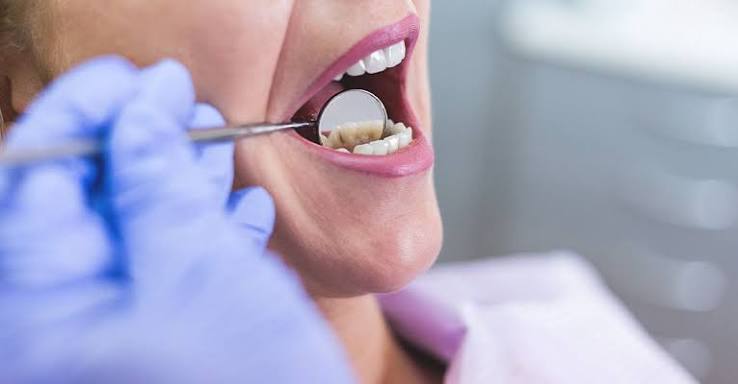
If you’ve recently had a filling, crown, or extraction, some sensitivity during exercise can be normal for a short healing period.
However, if pain increases instead of fading over a week or two, check in with your dentist about your recovery.
Warning Signs Table
| Symptom | Possible Cause | Recommended Action |
|---|---|---|
| Pain after run ends | Cavity, infection, crack | See a dentist soon |
| Facial or gum swelling | Abscess, infection | Seek care immediately |
| Sensitivity to hot/cold foods | Worn enamel, deep decay | Schedule a dental exam |
| Same tooth hurts every time | Localized decay or crack | Get an X-ray |
| Visible chips or cracks | Structural tooth damage | Dental repair needed |
| Bleeding gums, bad breath | Gum disease | Periodontal checkup |
How to Stop Your Teeth From Hurting While Running
Breathe Through Your Nose When Possible
Nasal breathing warms and filters the air before it reaches your teeth, reducing the temperature shock that triggers sensitivity.
This is especially helpful during colder months or when running in windy conditions.
Stay Hydrated Before and During Your Run
Drinking enough water keeps saliva production steady, which protects your teeth from bacteria and dryness during longer runs.
Carry water on runs over thirty minutes, especially in hot or dry weather.
Use a Sensitivity Toothpaste
Toothpaste designed for sensitive teeth helps block the tiny tubules in exposed dentin, reducing reactions to cold air and pressure.
Consistent use over a few weeks typically produces noticeable improvement.
Wear a Mouthguard for Clenching
If you grind or clench your jaw while running, a custom or over-the-counter mouthguard can cushion your teeth from repeated pressure.
This also helps protect against long-term enamel wear and jaw muscle fatigue.
Rinse After Sports Drinks or Gels
Swishing water in your mouth after using sugary or acidic fuel helps neutralize acid before it has time to soften your enamel.
Avoid brushing immediately after, since brushing right after acid exposure can wear enamel down faster.
Protect Your Mouth in Cold Weather
Wearing a light scarf, buff, or mask over your mouth on cold runs can reduce the amount of cold air hitting sensitive teeth directly.
This simple habit is especially useful for early morning or winter runners.
Keep Up With Regular Dental Checkups
Routine cleanings and exams catch cavities, cracks, and gum issues early, before they become painful during exercise.
Most dentists recommend a checkup every six months, or sooner if you’re already noticing symptoms.
Quick Fix Table by Cause
| Cause | Quick Fix |
|---|---|
| Sinus pressure | Allergy treatment, nasal spray, hydration |
| Cold air sensitivity | Nose breathing, scarf or mask |
| Jaw clenching | Custom mouthguard, relaxed jaw form |
| Dry mouth | Increased water intake |
| Acidic sports fuel | Rinse with water, choose lower-sugar options |
| Worn enamel | Sensitivity toothpaste, fluoride treatment |
| Suspected cavity or crack | Dental exam and X-ray |
Prevention Tips for Runners
Building a few simple habits into your training routine can prevent tooth pain before it starts, rather than just treating it after the fact.
Warm Up Before Intense Effort
Gradually easing into a run gives your sinuses and blood flow time to adjust, which can reduce sudden pressure spikes in your teeth.
Choose Low-Sugar Fueling Options
Opting for less acidic, lower-sugar hydration and fueling products reduces the frequency of enamel-softening exposure during long runs.
Practice Relaxed Running Form
Consciously relaxing your jaw and shoulders while running reduces the tendency to clench, which protects both your teeth and your neck muscles.
Track Your Symptoms
Keeping a simple note of when tooth pain happens, which tooth is affected, and the weather conditions helps your dentist diagnose the cause faster.
Frequently Asked Questions (FAQs)
1. Why do my teeth hurt when I run in cold weather?
Cold air moving over exposed dentin triggers sharp sensitivity. Breathing through your nose or covering your mouth usually helps.
2. Can running cause a cavity to hurt more?
Yes. Impact, vibration, and blood flow can irritate a cavity that’s otherwise silent at rest.
3. Is tooth pain while running always serious?
Not always, but pain that lingers after your run or repeats in the same tooth needs a dental check.
4. Why do my upper teeth hurt specifically when I run?
Upper molars sit close to the sinuses, so sinus pressure from exercise often shows up as upper tooth pain.
5. Can dehydration cause tooth pain during exercise?
Yes. Dehydration reduces saliva, which lets bacteria irritate sensitive teeth and gums more easily during a run.
6. Does teeth grinding while running cause long-term damage?
Yes, over time bruxism can wear enamel, crack teeth, and strain jaw muscles if left unaddressed.
7. Should I stop running if my teeth hurt?
You don’t usually need to stop entirely, but ease effort and see a dentist if pain repeats or worsens.
8. Can sports drinks make my teeth hurt more?
Yes. Their acid and sugar content can weaken enamel, increasing sensitivity to cold air and pressure over time.
9. How do I know if it’s sinus pain or a toothache?
Sinus pain usually affects several upper teeth at once and improves after congestion clears; a toothache is localized.
10. When should I see a dentist for tooth pain from running?
See a dentist if pain lasts after your run, repeats consistently, or comes with swelling, bleeding, or visible damage.
Conclusion
Teeth hurting when you run is more common than most people expect, and it usually comes down to sinus pressure, blood flow, jaw clenching, cold air, or an underlying dental issue like a cavity or worn enamel.
Most cases are manageable with simple changes like nose breathing, proper hydration, a sensitivity toothpaste, or a mouthguard for clenching. However, pain that lingers after your run, keeps returning in the same tooth, or comes with swelling, bleeding, or visible damage is a sign to book a dental visit rather than wait it out.
Paying attention to when and where the pain happens gives your dentist valuable clues and helps you get back to pain-free runs faster. With the right care, tooth pain doesn’t have to hold back your training.