Why Do My Ear Piercings Smell? Cleaning Tips 2026
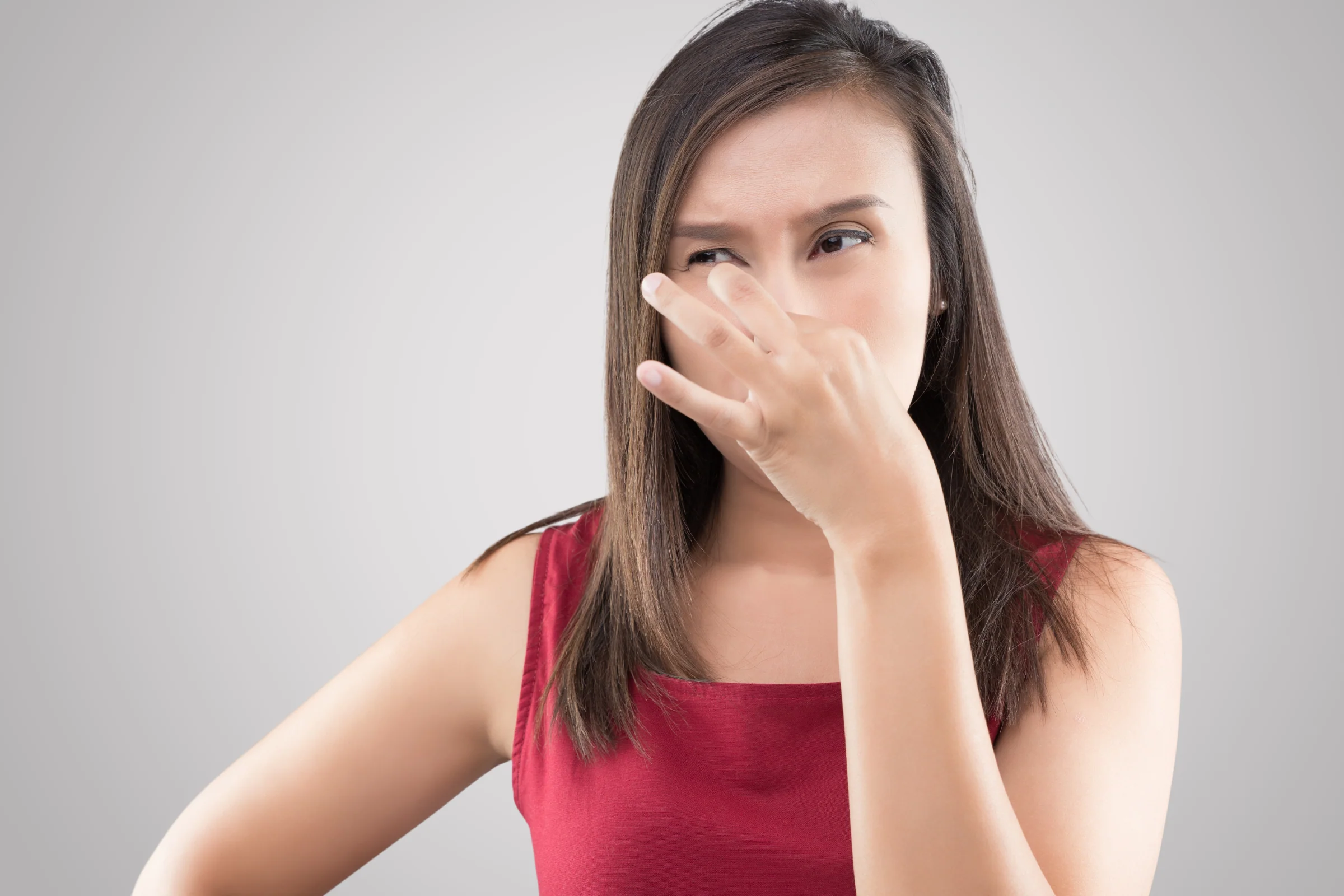
Why do my ear piercings smell is one of the most searched questions among earring wearers, and the answer is simpler than it seems. That funky odor, sometimes called “ear cheese,” is usually just a mix of dead skin cells, natural oil, sweat, and bacteria trapped around the jewelry.
It happens to almost everyone at some point and rarely means anything is wrong.
What Causes Ear Piercing Smell?
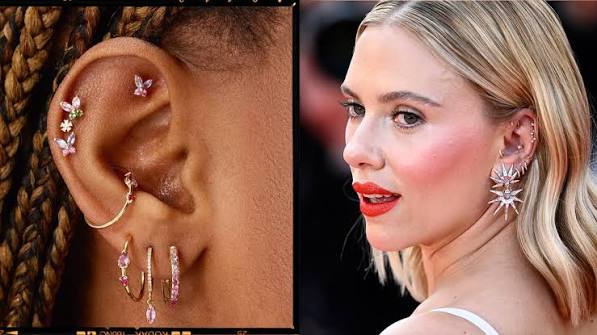
Ear piercing odor almost always comes down to a buildup of natural substances your body produces every day, not poor hygiene alone.
Sebum, sweat, dead skin cells, and bacteria all collect in the small space between your earring and your skin, creating the perfect environment for odor.
The Main Culprit: Sebum and Dead Skin Cells
Your skin constantly sheds dead cells and produces sebum, a natural oil that keeps skin moisturized and protected.
Around a piercing, these cells cannot shed normally. They get trapped behind the earring, mix with oil, and slowly turn into a waxy, smelly residue.
Table: Common Causes of Ear Piercing Smell
| Cause | Why It Happens | Common Trigger |
|---|---|---|
| Sebum buildup | Natural oil trapped behind earring | Rarely removing jewelry |
| Dead skin cells | Cannot shed normally under jewelry | Tight-fitting earring backs |
| Bacteria | Thrives in warm, moist areas | Not cleaning piercing regularly |
| Sweat | Adds moisture that traps debris | Exercise, hot weather |
| Low-quality metal | Reacts with skin, increases oil | Nickel, brass, plated jewelry |
Is Smelly Ear Cheese Normal?
Yes, in most cases a mild odor around your piercing is completely normal and not a sign of infection or poor hygiene.
Nearly everyone who wears earrings experiences this at some point, especially with earring backs that sit close against the skin.
Why New Piercings Smell More Than Old Ones
Fresh piercings go through an active healing process, and your body increases skin cell turnover to repair the wound.
This faster cell turnover means more dead skin builds up around the area, which is why new piercings often smell stronger than fully healed ones.
Does Metal Type Affect Ear Piercing Smell?
Yes, the material of your earrings plays a real role in how much odor develops around your piercing over time.
Cheap or reactive metals like nickel, brass, and plated jewelry are more likely to irritate skin and trigger extra oil production than hypoallergenic options.
Table: Earring Materials and Odor Risk
| Material | Odor Risk | Notes |
|---|---|---|
| Surgical Steel | Low | Hypoallergenic, widely recommended |
| Titanium | Low | Great for sensitive or new piercings |
| 14K/18K Gold | Low | Minimal reaction, easy to clean |
| Nickel | High | Common allergen, increases irritation |
| Plated/Brass | High | Coating wears off, exposes reactive metal |
How Sweat and Moisture Make the Smell Worse
Moisture trapped around your earring creates a warm, damp environment where bacteria multiply quickly.
Working out, showering with earrings in, or living in a humid climate all increase the chances of trapped moisture and stronger odor.
Tight Earring Backs and Poor Airflow
Earring backs that sit too close to the ear block airflow, trapping oil, sweat, and dead skin against the skin surface.
Leaving a small gap between the back and your earlobe allows the area to breathe, which noticeably reduces buildup and odor.
How to Clean Smelly Ear Piercings Properly
A consistent cleaning routine is the most effective way to eliminate ear piercing smell and prevent it from coming back.
Cleaning both the jewelry itself and the skin around the piercing matters, since buildup collects in both places at once.
Step-by-Step Cleaning Routine
- Wash hands thoroughly before touching your piercing or earrings
- Clean the piercing area with saline solution or mild soap and water
- Gently rotate healed earrings to clean both sides of the jewelry
- Remove earrings occasionally and soak them in warm, soapy water
- Dry earrings and piercings completely before putting jewelry back in
Table: Recommended Cleaning Frequency
| Piercing Stage | Cleaning Frequency |
|---|---|
| Fresh piercing (0–6 weeks) | Twice daily with saline solution |
| Healing piercing (6–12 weeks) | Once daily |
| Fully healed piercing | 2–3 times per week |
| Earrings worn daily | Weekly deep clean |
Best Cleaning Solutions for Ear Piercings
Saline solution remains the gold standard for cleaning both new and older piercings without irritating the skin.
Mild, fragrance-free soap and warm water also work well for cleaning jewelry itself, especially for earrings worn long-term.
Should You Use Alcohol or Hydrogen Peroxide?
No, both alcohol and hydrogen peroxide are too harsh for regular piercing care and can dry out or irritate the skin.
Overusing these products can actually delay healing and make your piercing more prone to irritation, redness, and odor over time.
Can Tea Tree Oil Help With Piercing Smell?
Tea tree oil has natural antibacterial properties and is sometimes used to help control odor around healed piercings.
Always dilute it properly and do a patch test first, since undiluted tea tree oil can irritate sensitive skin.
How to Clean Your Earrings, Not Just Your Ears
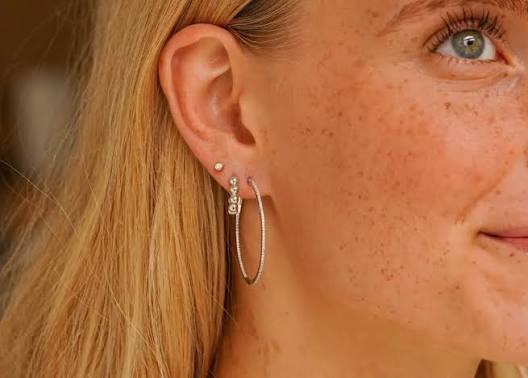
Many people focus only on cleaning their piercing and forget the earring itself, which can hold just as much buildup.
Soaking earrings in warm water with mild soap, then scrubbing gently with a soft toothbrush, removes trapped oil and residue effectively.
Table: Earring Cleaning Methods by Material
| Material | Best Cleaning Method |
|---|---|
| Surgical Steel / Titanium | Warm soapy water, soft toothbrush |
| Gold | Mild soap, soft cloth, avoid harsh chemicals |
| Silver | Specialized silver jewelry cleaner |
| Plated Jewelry | Gentle wipe only, avoid soaking |
Letting Your Ears Breathe
Giving your piercings a break from earrings, even for a few hours, allows trapped oil and moisture to air out naturally.
For healed piercings, removing earrings overnight is a simple habit that noticeably reduces smell over time.
Should You Remove Earrings During Exercise or Sleep?
For healed piercings, removing earrings during workouts and sleep helps prevent sweat and pressure from trapping bacteria against the skin.
For fresh piercings still healing, jewelry should stay in as directed by your piercer, but should still be cleaned regularly in place.
When Ear Piercing Smell Might Mean Infection
While mild odor is normal, certain symptoms alongside the smell can indicate an infection that needs proper attention.
Redness, swelling, warmth, discharge, or pain around the piercing are signs that go beyond normal buildup and may require professional care.
Table: Normal Odor vs. Possible Infection
| Symptom | Normal Buildup | Possible Infection |
|---|---|---|
| Mild smell only | Yes | Yes |
| Redness or swelling | No | Yes |
| Thick yellow/green discharge | No | Yes |
| Pain or tenderness | No | Yes |
| Warmth around piercing | No | Yes |
What to Do If You Suspect an Infection
If you notice signs of infection, avoid removing jewelry from a fresh piercing, since this can trap bacteria inside and worsen the issue.
Instead, clean the area gently with saline solution and consult a piercer or dermatologist if symptoms don’t improve within a few days.
Choosing the Right Jewelry to Prevent Future Smell
Investing in high-quality, hypoallergenic earrings is one of the most effective long-term solutions for reducing piercing odor.
Surgical steel, titanium, and solid gold are widely recommended because they resist buildup and rarely trigger skin reactions. These materials are non-porous, meaning they don’t absorb oil and bacteria the way lower-quality metals often do, which keeps buildup to a minimum even with daily wear.
Spending a little more upfront on quality jewelry usually pays off in the long run, since you’ll spend far less time dealing with irritation, allergic reactions, and recurring odor down the line.
How Earring Fit Impacts Odor Buildup
Earrings that fit too snugly against the earlobe leave little room for air circulation, increasing the chance of trapped moisture and smell.
Choosing slightly looser backs or flatback styles designed for airflow can make a noticeable difference over time.
Lifestyle Habits That Reduce Ear Piercing Smell
Small daily habits, beyond just cleaning, can make a big difference in how often you deal with piercing odor.
Washing your ears every time you wash your hair, avoiding lotions near piercings, and changing pillowcases regularly all help minimize buildup.
Quick Habit Checklist
- Wash ears whenever you wash your hair
- Avoid applying lotion or perfume directly on piercings
- Change pillowcases at least once a week
- Rotate between multiple earring pairs instead of wearing one constantly
Why Lotions and Perfumes Make Odor Worse
Lotions, perfumes, and hair products can seep into piercing holes and mix with natural oils, creating additional buildup.
These products often contain fragrances and chemicals that trap moisture and bacteria, making the smell stronger rather than masking it.
How Often Should You Change Your Earrings?
Rotating between a few pairs of earrings, rather than wearing the same pair constantly, gives each piece time to be properly cleaned.
For healed piercings, changing earrings every few days also reduces prolonged pressure and buildup at the same skin contact point.
Cartilage and Stretched Piercings: Do They Smell More?

Cartilage piercings and stretched ears tend to trap more debris due to their shape and limited airflow compared to standard lobe piercings.
These piercing types often benefit from specialized aftercare products, like activated charcoal-based cleansers, designed specifically for reducing buildup and odor.
Table: Piercing Type and Odor Tendency
| Piercing Type | Odor Tendency | Extra Care Needed |
|---|---|---|
| Standard Lobe | Moderate | Regular cleaning routine |
| Cartilage | High | Saline rinses, gentle handling |
| Stretched Ears | High | Specialized aftercare products |
| Industrial | High | Extra attention due to two entry points |
The Science Behind “Ear Cheese”
The waxy, smelly substance people call ear cheese is a mix of sebum, dead skin cells, sweat, and bacterial byproducts.
The name comes from the fact that skin bacteria involved in this buildup are similar to bacteria used in certain cheesemaking processes, which explains the distinct smell.
Why Some People Get Smellier Piercings Than Others
Not everyone experiences the same level of odor, since skin type, oil production, and sweat levels vary significantly from person to person.
People with naturally oilier skin or those who sweat more often tend to notice stronger piercing odor compared to those with drier skin types.
How Climate Affects Ear Piercing Smell
Hot, humid climates create more sweat and moisture around piercings, which speeds up bacterial growth and buildup.
In cooler, drier climates, odor tends to develop more slowly, though regular cleaning is still necessary year-round regardless of weather.
Table: Climate Impact on Piercing Odor
| Climate Type | Odor Development Speed | Recommended Cleaning Frequency |
|---|---|---|
| Hot & Humid | Fast | Daily |
| Warm & Dry | Moderate | Every other day |
| Cool & Dry | Slow | 2–3 times per week |
Piercing Aftercare for First-Time Wearers
If you recently got your ears pierced, following your piercer’s aftercare instructions closely is the best way to prevent odor and complications.
Most piercers recommend saline solution cleaning twice daily, avoiding unnecessary touching, and keeping the original jewelry in for the full healing period.
How Long Does It Take for a Piercing to Fully Heal?
Healing time varies by piercing type, with standard earlobes healing faster than cartilage or other specialty piercings.
Table: Average Healing Time by Piercing Type
| Piercing Type | Average Healing Time |
|---|---|
| Earlobe | 6–8 weeks |
| Upper Ear/Helix | 3–6 months |
| Cartilage | 4–12 months |
| Industrial | 6–12 months |
Odor-Reducing Products Worth Trying
Beyond basic soap and saline, several specialized products can help reduce piercing odor for people who experience it frequently.
Activated charcoal cleansers, hypoallergenic piercing sprays, and gentle antibacterial wipes are popular options among people managing stretched or cartilage piercings.
Signs You May Be Allergic to Your Earrings
A metal allergy can sometimes be mistaken for simple odor buildup, but it often comes with additional symptoms worth watching for.
Persistent itching, a rash extending beyond the piercing site, or recurring irritation despite proper cleaning may point to a nickel or metal allergy.
Switching to Hypoallergenic Jewelry: What to Expect
Switching to titanium, surgical steel, or gold jewelry often resolves ongoing odor and irritation issues within a few weeks.
Many people notice reduced buildup and less irritation almost immediately after switching away from nickel-based or plated earrings.
Building a Long-Term Piercing Care Routine
Consistency matters more than intensity when it comes to preventing ear piercing smell over the long run.
A simple weekly routine that includes cleaning your piercings, washing your jewelry, and giving your ears occasional breaks will keep odor under control indefinitely.
Table: Sample Weekly Piercing Care Routine
| Day | Task |
|---|---|
| Monday | Clean piercing with saline solution |
| Wednesday | Wipe down earrings with soft cloth |
| Friday | Deep clean earrings in warm soapy water |
| Weekend | Give ears a short earring-free break |
Common Mistakes That Make Piercing Smell Worse
Over-cleaning with harsh products, keeping earrings in constantly, and skipping jewelry cleaning are among the most common mistakes people make.
Twisting or rotating fresh piercings too aggressively can also irritate healing skin, which may actually increase oil production and odor.
How Diet and Hydration Affect Skin Oil Production
Diet and hydration levels can influence how much oil your skin produces overall, including around your piercings.
Staying well hydrated and maintaining a balanced diet may help regulate natural oil production, indirectly reducing buildup around jewelry.
Traveling or Exercising With Earrings: What to Know
Hot, humid environments and intense physical activity both increase sweat production, which speeds up odor buildup around piercings.
Packing a small saline spray or cleaning wipes when traveling or exercising makes it easier to maintain hygiene on the go.
Best Earring Materials for Odor-Prone Skin
If you consistently struggle with piercing odor, upgrading your jewelry collection to safer materials can make a lasting difference.
Surgical steel and titanium are especially popular for people with sensitive or odor-prone skin because they resist corrosion and rarely trap bacteria.
How to Store Earrings to Prevent Buildup
Where and how you store your earrings between wears also affects how much bacteria and residue accumulate on the jewelry itself.
Keeping earrings in a clean, dry case rather than a damp bathroom shelf helps prevent bacterial growth before you even put them back in.
When to See a Professional Piercer or Dermatologist
If odor persists despite consistent cleaning, or if you notice ongoing irritation, it may be worth consulting a professional piercer.
A dermatologist can help rule out metal allergies or skin conditions if home cleaning routines aren’t resolving the issue. They can also recommend medicated cleansers or alternative jewelry materials suited to your specific skin sensitivity.
Frequently Asked Questions
Why do my ear piercings smell bad?
The smell comes from a natural mix of dead skin cells, oil, sweat, and bacteria trapped around your earring.
Is it normal for ear piercings to smell?
Yes, mild odor is completely normal and affects nearly everyone who wears earrings at some point.
How often should I clean my ear piercings?
Clean fresh piercings twice daily and fully healed piercings two to three times per week for best results.
Can the type of metal cause my piercings to smell?
Yes, low-quality metals like nickel or plated jewelry increase irritation and odor compared to titanium or surgical steel.
Does tea tree oil help with piercing smell?
Yes, diluted tea tree oil has antibacterial properties that can help reduce odor when used carefully and sparingly.
Should I remove my earrings every night?
For healed piercings, removing earrings at night helps the skin breathe and reduces buildup significantly over time.
Can I use alcohol to clean my piercing?
No, alcohol is too harsh and can dry out the skin, potentially worsening irritation and odor long-term.
Does ear piercing smell mean I have an infection?
Not usually. Infection typically comes with redness, swelling, discharge, or pain, not just a mild smell alone.
How do I clean the earring itself, not just my ear?
Soak earrings in warm soapy water and gently scrub with a soft toothbrush to remove trapped buildup.
Why do new piercings smell more than old ones?
New piercings heal faster and shed more skin cells, which creates more buildup and a stronger smell temporarily.
Conclusion
Ear piercing smell is one of the most common, and most normal, experiences for anyone who wears earrings regularly. It usually comes from a harmless mix of dead skin cells, natural oil, sweat, and bacteria that build up around the jewelry over time. Choosing hypoallergenic materials like surgical steel, titanium, or gold, combined with a consistent cleaning routine for both your skin and your earrings, will keep odor to a minimum. Letting your ears breathe occasionally and avoiding lotions or perfumes near your piercings also makes a noticeable difference. If you ever notice redness, swelling, discharge, or pain alongside the smell, it’s worth checking in with a piercer or dermatologist rather than treating it at home. With the right habits in place, you can keep your ear piercings clean, comfortable, and odor-free heading into 2026.