Why Are There Dispensaries in Tennessee? Legal Facts 2026
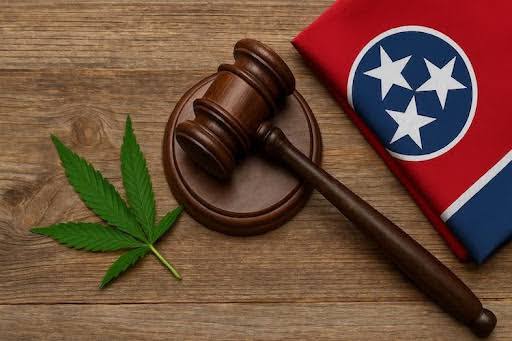
Why are there dispensaries in Tennessee if marijuana is still illegal in the state? The answer comes down to a federal loophole created by the 2018 Farm Bill, which legalized hemp-derived products containing less than 0.3% Delta-9 THC by dry weight.
This allowed stores selling Delta-8, Delta-10, and other hemp-derived cannabinoids to open across Tennessee, even though traditional marijuana dispensaries remain fully illegal. New state rules taking effect in 2026 are now reshaping how these stores operate.
Is Marijuana Actually Legal in Tennessee?

No, marijuana remains fully illegal in Tennessee for both recreational and medical use, with no exceptions for state-licensed sales.
Tennessee is one of the few remaining states without any form of comprehensive medical cannabis program, unlike most of its bordering neighboring states.
So What Are These “Dispensaries” Actually Selling?
Stores calling themselves dispensaries in Tennessee are not selling traditional marijuana. They sell hemp-derived cannabinoid products instead.
These products include Delta-8 THC, Delta-10 THC, and low-concentration Delta-9 THC items that technically fall outside the legal definition of marijuana.
Table: Marijuana vs. Hemp-Derived Products in Tennessee
| Product Type | Legal Status in Tennessee | Source |
|---|---|---|
| Traditional Marijuana (Delta-9 flower) | Illegal | Cannabis plant, high THC |
| Delta-8 THC | Legal, regulated | Hemp-derived |
| Delta-10 THC | Legal, regulated | Hemp-derived |
| Low-dose Delta-9 (under 0.3%) | Legal, regulated | Hemp-derived |
| THCA (high concentration) | Restricted under new 2026 law | Hemp-derived |
The 2018 Farm Bill: Where the Loophole Began
The Farm Bill signed into federal law in 2018 removed hemp from the definition of marijuana under the Controlled Substances Act.
This law defined hemp as cannabis containing less than 0.3% Delta-9 THC, opening the door for hemp-derived products nationwide, including in Tennessee.
Why Tennessee Allowed These Stores to Operate
Unlike some states that quickly banned hemp-derived cannabinoids, Tennessee did not immediately pass laws restricting Delta-8 or similar products.
This lack of early restriction allowed hemp-derived THC stores, often marketed as dispensaries, to spread across cities and towns throughout the state.
Are Hemp Dispensaries Regulated at All?
Yes, though regulation has historically been limited compared to states with fully legal marijuana programs.
Starting January 1, 2026, oversight shifted from the Tennessee Department of Agriculture to the Tennessee Alcoholic Beverage Commission, bringing much stricter rules.
What Changed in Tennessee Hemp Law for 2026?
Tennessee passed HB 1376 in 2025, fundamentally changing how hemp-derived cannabinoid products are regulated across the state.
This law introduced new licensing tiers, stricter product limits, age restrictions, and a ban on certain high-potency cannabinoids like THCA and THCP.
Table: Key 2026 Tennessee Hemp Law Changes
| Change | Effective Date | Details |
|---|---|---|
| Regulatory shift to TABC | January 1, 2026 | Replaces Department of Agriculture oversight |
| Age restriction enforced | January 1, 2026 | Must be 21+ to purchase or enter retail area |
| Online sales banned | January 1, 2026 | No shipping, delivery, or vending machine sales |
| THCA/THCP restrictions | July 1, 2026 | High-potency products phased out |
| New licensing fees | January 1, 2026 | Separate supplier, wholesaler, retailer licenses |
Who Can Legally Sell Hemp Products in Tennessee?
Under the new rules, only licensed, age-restricted retailers such as liquor stores, dedicated hemp shops, and certain bars can sell these products.
Grocery stores, convenience stores, and gas stations are being phased out of the hemp product market as licenses transition through mid-2026.
Licensing Costs for Tennessee Hemp Retailers
Businesses wanting to sell hemp-derived cannabinoid products now face a structured licensing system with separate fees for each role.
Table: 2026 Hemp Licensing Fees
| License Type | Annual Fee | Application Fee |
|---|---|---|
| Supplier | $2,500 | $500 |
| Wholesaler | $5,000 | $500 |
| Retailer | $1,000 | $500 |
Age Requirements at Tennessee Hemp Dispensaries
Anyone entering or purchasing from a licensed hemp-derived cannabinoid retailer in Tennessee must now be at least 21 years old.
This mirrors alcohol purchase laws and reflects the shift in oversight toward the Alcoholic Beverage Commission rather than agricultural regulators.
What Products Are Banned Under the New Law?
Products containing THCP in any amount are now fully illegal under Tennessee’s updated hemp regulations.
High-concentration THCA products, often sold as smokable flower or vape cartridges, are also being phased out through mid-2026 enforcement.
Table: Product Status Under 2026 Tennessee Law
| Product | Status |
|---|---|
| Delta-8 THC (compliant dosage) | Legal |
| Delta-10 THC (compliant dosage) | Legal |
| THCP (any amount) | Illegal |
| High-potency THCA flower | Being phased out |
| Low-dose hemp beverages | Legal, capped THC per serving |
THC Serving and Package Limits Explained
New rules cap how much THC can legally be included per serving and per package of any hemp-derived product sold in Tennessee.
Products are limited to 15 milligrams of THC per serving and 300 milligrams per package, with additional caps for cartridges and beverages.
Why Did Tennessee Tighten These Laws Now?
Lawmakers cited concerns over unregulated sales, inconsistent product testing, and easy access for minors as reasons behind the 2026 overhaul.
Before these changes, some observers noted Tennessee effectively allowed loosely regulated recreational cannabis sales through the hemp loophole.
Table: Reasons Behind Tennessee’s Hemp Law Overhaul
| Concern | How New Law Addresses It |
|---|---|
| Underage access | 21+ age restriction at licensed retailers |
| Unregulated products | Mandatory testing, labeling, QR codes |
| Convenience store sales | Phased out by mid-2026 |
| High-potency loopholes | THCA and THCP restrictions |
Understanding the Difference Between Hemp and Marijuana
Legally, hemp and marijuana come from the same cannabis plant species, but they are separated entirely by THC concentration.
Hemp contains 0.3% or less Delta-9 THC by dry weight, while marijuana contains higher concentrations, making it a controlled substance under both federal and Tennessee state law today.
Why This Distinction Matters for Tennessee Shoppers
This distinction is the entire reason hemp-derived dispensaries can operate openly in a state where marijuana remains criminalized under both state and federal law.
Products sold in these stores are chemically similar to marijuana in effect but are classified completely differently under the law due to THC percentage alone, not intent or usage.
How Delta-8 THC Actually Works
Delta-8 THC is a cannabinoid found in smaller amounts naturally in the cannabis plant, often extracted and concentrated from hemp-derived CBD.
It produces psychoactive effects similar to traditional Delta-9 THC, though many users describe it as somewhat milder or more relaxing.
How Delta-10 THC Differs From Delta-8
Delta-10 THC is another hemp-derived cannabinoid, often marketed for a more energizing or uplifting effect compared to Delta-8.
Both cannabinoids are legal under the same Farm Bill framework, provided they meet Tennessee’s updated 2026 dosage and licensing requirements.
Table: Delta-8 vs. Delta-10 THC
| Feature | Delta-8 THC | Delta-10 THC |
|---|---|---|
| Effect | Relaxing, mellow | Energizing, uplifting |
| Legal Status in TN | Legal, regulated | Legal, regulated |
| Common Products | Gummies, vapes, tinctures | Vapes, edibles |
What Is THCA and Why Was It Restricted?
THCA is a non-intoxicating cannabinoid found in raw cannabis that converts into Delta-9 THC when heated, such as through smoking.
Because heating effectively turns THCA into regular THC, high-concentration THCA flower was often used as a legal workaround, prompting the 2026 restrictions.
The Role of the Tennessee Alcoholic Beverage Commission
The TABC previously regulated only alcohol sales but now oversees the entire hemp-derived cannabinoid industry as of January 2026.
This shift brings hemp products under a regulatory body more experienced with age-restricted sales, licensing enforcement, and retail compliance inspections.
How Tennessee’s Approach Compares to Other States
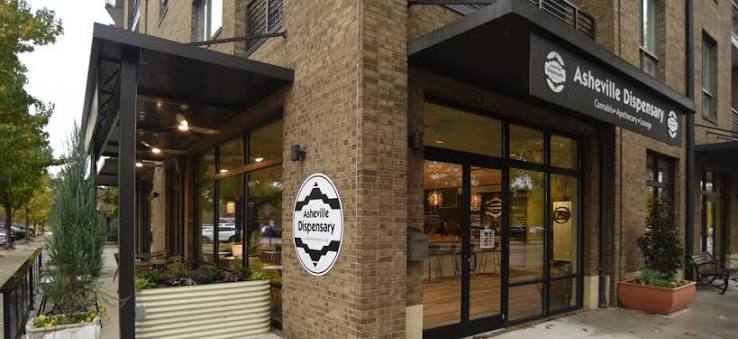
Tennessee is not alone in tightening hemp regulations. States like Ohio, Alabama, and Arkansas have introduced similar restrictions recently.
Table: State Approaches to Hemp-Derived THC Regulation
| State | Recent Action |
|---|---|
| Tennessee | New licensing, age limits, THCA/THCP ban (2026) |
| Ohio | Restricted intoxicating hemp products to dispensaries |
| Alabama | Ongoing legislative battles over hemp restrictions |
| Arkansas | Similar hemp restriction efforts underway |
What Business Owners Need to Know
Hemp retailers operating in Tennessee must now navigate a completely new licensing structure with separate categories for suppliers, wholesalers, and retailers.
Failing to comply with testing, labeling, or age-verification requirements can result in fines, license revocation, or even criminal charges in serious cases.
Common Misconceptions About Tennessee Dispensaries
Many people assume these stores are operating illegally, when in fact they are following a legitimate, if narrow, legal framework.
Others assume all hemp products are equally regulated, when in reality potency, THC type, and sales channel all affect legality individually.
Are Tennessee Dispensaries the Same as Vape or Smoke Shops?
In many cases, yes. Many businesses branded as “dispensaries” in Tennessee are essentially specialized smoke or vape shops selling hemp cannabinoids.
This differs from true medical or recreational dispensaries in legal states, which sell regulated marijuana flower and products directly.
What to Expect When Visiting a Tennessee Hemp Store
Expect to show identification confirming you are at least 21 years old before entering or purchasing any hemp-derived product.
Staff should be able to provide lab testing information, and products should include clear labeling showing THC content per serving.
Economic Impact of Tennessee’s Hemp Industry
The hemp-derived cannabinoid industry has created jobs and tax revenue in Tennessee, even without full marijuana legalization.
New licensing fees and wholesale taxes introduced in 2026 are expected to generate additional state revenue while tightening oversight of the market.
How Enforcement Will Work Going Forward
The TABC will conduct inspections at licensing and renewal, checking for compliance with testing, labeling, and age-restriction requirements.
Non-compliant businesses risk losing their licenses entirely, which would effectively shut down their ability to legally sell hemp-derived products in Tennessee.
Do You Need a Medical Card to Shop at a Tennessee Dispensary?
No, hemp-derived cannabinoid products in Tennessee do not require a medical marijuana card since they are not classified as marijuana.
This differs significantly from states with true medical dispensary programs, where a qualifying condition and doctor recommendation are required.
Is There Any Legal Medical Marijuana Program in Tennessee?
Tennessee has a narrow, limited law allowing certain patients to possess low-THC cannabis oil, but it does not permit in-state purchase or dispensaries.
Patients must obtain qualifying oil from outside Tennessee, since no licensed medical dispensaries exist within the state itself.
Table: Tennessee vs. Neighboring States on Cannabis Access
| State | Medical Cannabis Program | Recreational Legal |
|---|---|---|
| Tennessee | No (narrow oil exception only) | No |
| Georgia | Yes, expanded 2026 | No |
| Missouri | Yes | Yes |
| Virginia | Yes | Yes (limited sales) |
| Arkansas | Yes | No |
Can You Bring Marijuana Into Tennessee From Other States?
No, bringing marijuana purchased legally in another state into Tennessee is still treated as illegal possession under state law.
Even sealed packaging or out-of-state dispensary receipts offer no legal protection once the product crosses into Tennessee.
Penalties for Illegal Marijuana Possession in Tennessee
Tennessee continues to enforce strict penalties for marijuana possession, distinct from the more relaxed treatment of hemp-derived products.
Possession of a half-ounce or less can result in misdemeanor charges, while larger amounts or distribution can lead to felony charges.
Table: Tennessee Marijuana Possession Penalties
| Amount | Charge Level | Potential Penalty |
|---|---|---|
| Under 0.5 oz | Misdemeanor | Up to 1 year jail, fines |
| 0.5 oz – 10 lbs | Felony (varies) | Multiple years imprisonment |
| Over 10 lbs / distribution | Felony | Significant prison time, large fines |
Driving and THC Laws in Tennessee
Tennessee’s DUI laws apply to any intoxicant, including THC, regardless of whether it came from a legal hemp product or illegal marijuana.
Detectable THC alone doesn’t automatically prove impairment, but it can be used alongside other evidence in a DUI case.
Why Public Opinion Differs From Current Law
Polling shows a majority of Tennessee voters support some form of legal recreational cannabis, despite the state’s continued restrictions.
Recent survey data found roughly 60% of Tennessee voters favor legalization, highlighting a gap between public opinion and current legislation.
What Happens to Existing Hemp Businesses During the Transition?
Businesses holding older Department of Agriculture licenses can continue operating under previous rules through a transition period ending mid-2026.
These “legacy” operators must still follow new labeling, testing, and age-verification rules even while their old licenses remain valid.
Table: Hemp Business Transition Timeline
| Date | Milestone |
|---|---|
| January 1, 2026 | TABC becomes primary regulator |
| Early–Mid 2026 | Legacy businesses apply for new licenses |
| June 30, 2026 | Older Agriculture-issued licenses expire |
| July 1, 2026 | THCA and THCP enforcement fully active |
How to Tell If a Tennessee Dispensary Is Compliant
Shoppers can look for proper age verification, lab-tested product labeling, and QR codes linking to certificates of analysis.
Licensed retailers operating under the new TABC rules should also restrict entry to customers 21 and older, similar to a liquor store.
Is Online Ordering or Delivery Still Available?
No, the updated 2026 law prohibits online sales, shipping, delivery, and vending machine sales of hemp-derived cannabinoid products statewide.
All purchases must now happen in person at a licensed, age-restricted retail location within Tennessee.
What This Means for Tennessee Consumers Going Forward
Consumers will likely see fewer product options, particularly high-potency smokable items, as enforcement ramps up through 2026 and legacy licenses expire.
At the same time, products that remain on shelves should come with more consistent testing, labeling, and dosage transparency than before, giving consumers a clearer picture of exactly what they are purchasing.
Could Tennessee Legalize Marijuana in the Future?
While no current legislation guarantees full legalization, growing public support and regional trends may influence future lawmaking sessions.
With most neighboring states now offering medical or recreational access, pressure on Tennessee lawmakers to reconsider its stance continues to grow.
What Tourists Should Know Before Visiting Tennessee
Visitors traveling to Tennessee should understand that hemp-derived products purchased legally in-state cannot be assumed legal everywhere else.
Likewise, cannabis products purchased legally in other states become illegal the moment they are brought into Tennessee, regardless of original legality.
Key Takeaways for Tennessee Residents and Visitors
Tennessee’s dispensaries exist because of a narrow legal gap between hemp and marijuana, not because cannabis itself has been legalized statewide.
Understanding which products fall under this hemp exception, and which still count as illegal marijuana, is the single most important distinction to keep in mind when shopping, traveling, or starting a hemp-related business in the state.
Staying Informed as Tennessee Law Continues to Evolve
Because Tennessee’s hemp and marijuana laws have changed significantly within just the past year, staying updated matters for both consumers and business owners.
Checking official sources like the Tennessee Alcoholic Beverage Commission website before purchasing or selling products is the safest way to remain compliant with the state’s rapidly shifting hemp regulations.
Frequently Asked Questions
Why are there dispensaries in Tennessee if weed is illegal?
They sell hemp-derived products like Delta-8 THC, legal under a federal loophole from the 2018 Farm Bill.
Is Delta-8 THC legal in Tennessee?
Yes, Delta-8 THC is legal in Tennessee as long as it meets new 2026 licensing and dosage requirements.
Do Tennessee dispensaries sell real marijuana?
No, they sell hemp-derived cannabinoid products, not traditional marijuana, which remains fully illegal in the state.
What changed in Tennessee hemp law in 2026?
Oversight shifted to the Alcoholic Beverage Commission, adding licensing, age limits, and bans on certain high-potency products.
Can I buy hemp products online in Tennessee now?
No, the 2026 law banned online sales, shipping, and delivery of hemp-derived cannabinoid products statewide.
Do I need to be 21 to shop at a Tennessee dispensary?
Yes, licensed hemp retailers must now restrict purchases and entry to customers who are 21 or older.
Is medical marijuana legal in Tennessee?
Only a narrow oil-based exception exists, and it requires purchasing products outside the state, since no in-state dispensaries exist.
Can I bring legal marijuana from another state into Tennessee?
No, marijuana becomes illegal the moment it crosses into Tennessee, regardless of where it was legally purchased.
What happens if I get caught with marijuana in Tennessee?
Penalties range from misdemeanor charges for small amounts to serious felony charges for larger quantities or distribution.
Will Tennessee legalize marijuana soon?
There’s no confirmed timeline, though public support is high and neighboring states continue expanding their own cannabis programs.
Conclusion
Dispensaries exist in Tennessee not because marijuana is legal, but because of a federal loophole created by the 2018 Farm Bill that legalized hemp-derived cannabinoids like Delta-8 and Delta-10 THC. These products have operated in a loosely regulated space for years, but sweeping changes taking effect in 2026 are tightening the rules significantly. Oversight has shifted to the Tennessee Alcoholic Beverage Commission, bringing stricter licensing, age restrictions, product testing, and bans on high-potency cannabinoids like THCA and THCP. Traditional marijuana, meanwhile, remains fully illegal for both medical and recreational use across the state, with real criminal penalties attached. Understanding this distinction is essential for anyone visiting a Tennessee “dispensary” in 2026, since the products sold there are legally very different from marijuana available in states with full legalization. This article is for informational purposes only and is not legal advice.