Why Do My Toenails Smell When I Cut Them? Causes & Fixes 2026

Why do my toenails smell when I cut them is a question far more people ask than you might expect, even though it rarely comes up in conversation. In most cases, this odor is completely normal and linked to trapped debris and bacteria rather than anything seriously wrong.
Why Do My Toenails Smell When I Cut Them? Is This Actually Normal
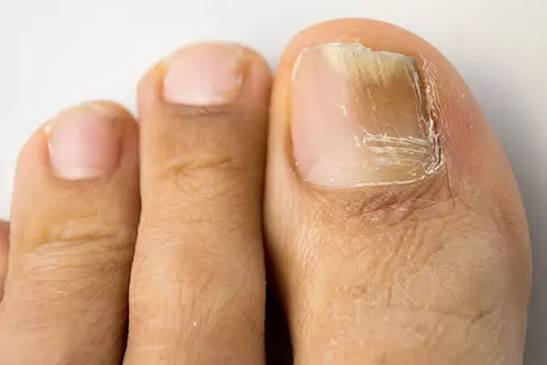
Experiencing an unpleasant smell when trimming your toenails is a common experience and usually not a cause for major alarm.
This specific issue is different from general foot odor, as it relates directly to what happens beneath the nail itself.
Understanding the underlying causes can help you feel less concerned and know exactly how to address the problem.
Understanding Toenail Anatomy
The area beneath your toenail, known as the nail bed, naturally traps dead skin cells, dirt, and tiny fibers over time.
This hidden space is often called a debris trap because it is difficult to clean thoroughly with regular washing alone.
Even with good hygiene, microscopic pockets under the nail can shelter bacteria that are hard to fully dislodge.
Subungual Debris Explained
Subungual debris refers to the buildup of dead skin cells, keratin fragments, dirt, and clothing fibers beneath the nail.
This organic material acts as a rich food source for bacteria living in this warm, somewhat oxygen-deprived space.
When trimming releases this trapped debris, the odor becomes noticeably stronger than usual.
Why Cutting Releases The Smell
Cutting or filing your toenails physically disturbs the trapped debris and bacteria living beneath and around the nail.
This action releases built-up gases and compounds that were previously contained, resulting in a sudden, noticeable smell.
Essentially, the act of trimming works like a trigger, exposing odors that were already present but previously unnoticed.
Bacteria As A Primary Cause
Bacteria naturally living on and around your feet can multiply significantly in warm, moist, and enclosed environments like shoes and socks.
These bacteria break down organic debris and release volatile compounds responsible for much of the unpleasant smell.
This process is similar to the mechanism behind general foot odor, but concentrated specifically under the toenail.
Moisture And Its Role
Sweat and trapped moisture around the toenail create an ideal environment for bacteria and fungi to thrive.
Feet contain a high concentration of sweat glands, making them particularly prone to moisture buildup throughout the day.
Reducing moisture through better ventilation and moisture-wicking socks can significantly help control odor over time.
Fungal Nail Infections
Fungal infections are one of the leading causes of persistent, strong-smelling toenails, especially when the smell does not wash away.
Fungi thrive in warm, dark, and moist environments, such as sweaty shoes, making toenails particularly vulnerable.
As the fungus breaks down keratin, the protein that makes up your nails, it releases foul-smelling byproducts.
Signs Of A Fungal Infection
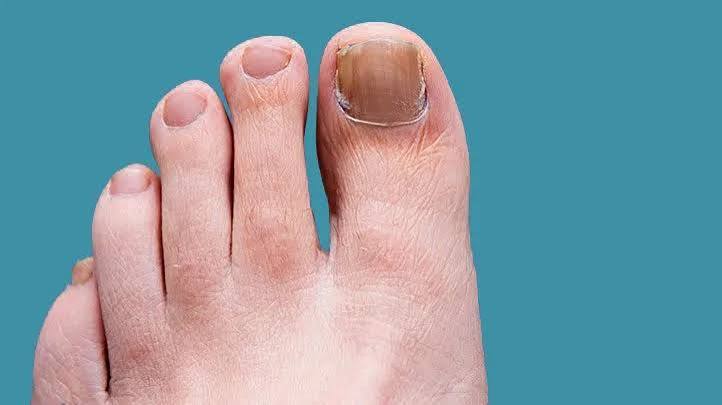
Fungal nail infections often cause the nail to become thickened, discolored, or brittle in addition to producing an odor.
The nail may also appear yellow, white, or brownish, with a crumbly texture in more advanced cases.
If these visual signs accompany the smell, a fungal infection is likely the underlying cause.
How To Tell Fungus From Normal Debris Smell
A simple way to check is to wash your feet thoroughly and see if the smell disappears afterward.
If regular washing removes the smell entirely, it is likely caused by trapped debris and bacteria rather than fungus.
If the odor persists despite thorough washing, a fungal infection becomes a more likely explanation.
Comparison Table Of Common Causes
| Cause | Typical Signs | Smell Behavior |
|---|---|---|
| Subungual Debris | Dirt, dead skin buildup | Smell reduces significantly after washing |
| Bacterial Growth | Sweaty feet, moisture buildup | Smell reduces with better hygiene |
| Fungal Infection | Thickened, discolored, brittle nail | Smell persists even after washing |
| Ingrown Toenail | Redness, swelling, pain | Smell linked to infection, not just debris |
Ingrown Toenails And Infection Risk
Cutting toenails incorrectly, especially rounding the corners too much, can lead to an ingrown toenail over time.
Ingrown toenails increase the risk of localized infection, which can produce a distinct and sometimes stronger odor.
Trimming nails straight across, rather than curved, helps significantly reduce the risk of this painful and odor-causing issue.
Small Cracks And Injuries In The Nail
Minor cracks or injuries in the nail can create small openings where bacteria and fungi can enter and hide.
Once inside, these microorganisms can multiply in a protected environment, contributing to persistent odor over time.
Being gentle while trimming and avoiding aggressive cutting techniques can help prevent this type of damage.
Shoes And Socks As Contributing Factors
The shoes and socks you wear daily can harbor bacteria and fungi that transfer odors directly to your toenails.
Non-breathable materials trap heat and moisture, creating an environment where odor-causing microbes thrive.
Alternating shoes and allowing them to fully air out between uses can help reduce this ongoing source of odor.
Poor Hygiene Habits
Infrequent washing or incomplete cleaning around the nail corners and cuticles allows debris and bacteria to accumulate over time.
This buildup becomes more noticeable when trimming disturbs and releases trapped material and compounds.
Establishing a consistent foot hygiene routine can significantly reduce this common contributing factor.
Diabetes And Circulation-Related Concerns
People with diabetes or poor circulation may be more prone to nail and skin infections, including fungal toenail infections.
Reduced circulation can also slow healing, allowing minor infections to persist longer and potentially worsen odor.
Individuals with diabetes should monitor foot health closely and consult a podiatrist promptly if odor or infection signs appear.
Skin Conditions Affecting The Nails
Skin conditions like psoriasis or eczema can occasionally affect the nails, making them more susceptible to infection and odor.
These conditions may cause changes in nail texture or appearance alongside any accompanying smell.
A dermatologist or podiatrist can help distinguish between a skin condition and a separate fungal or bacterial cause.
Athlete’s Foot And Its Connection
Athlete’s foot, a fungal skin infection, can spread from the skin of the foot to the toenails over time.
Once the fungus reaches the nail, it can contribute to the same odor-causing breakdown of keratin seen in nail fungus.
Treating athlete’s foot promptly can help prevent this spread and the resulting nail-related odor.
How To Properly Wash Your Feet
Washing your feet daily with soap and water, paying close attention to the areas around the cuticle and nail corners, helps prevent buildup.
Drying feet thoroughly afterward, especially between the toes, helps eliminate the moisture that supports bacteria and fungal growth.
Consistency with this routine is more effective than occasional deep cleaning sessions.
Best Practices For Trimming Toenails
Always trim toenails straight across rather than rounding the corners to reduce the risk of ingrown nails.
Use clean, sharp nail clippers and avoid cutting nails too short, which can expose sensitive skin to irritation.
If your nails are unusually thick or difficult to cut, consulting a foot health professional is recommended.
Cleaning Tools To Reduce Odor
Using a soft nail brush to gently clean under and around the nail can help remove trapped debris before it builds up.
Cleaning your nail clippers regularly also prevents the spread of bacteria or fungi between trims.
These small additions to your routine can noticeably reduce odor over time.
Choosing The Right Footwear
Opting for breathable shoes made from natural materials can help reduce moisture buildup throughout the day.
Moisture-wicking socks are especially helpful for people who sweat heavily or spend long hours in closed shoes.
Rotating between multiple pairs of shoes allows each pair time to fully dry out between uses.
Foot Antiperspirants And Odor Control
Foot-specific antiperspirants can help reduce sweat production, minimizing the moisture that supports bacterial and fungal growth.
These products are applied similarly to underarm antiperspirants and can be used as part of a daily hygiene routine.
Combined with moisture-wicking socks, this approach can significantly improve overall foot and toenail odor.
At-Home Treatment For Mild Cases
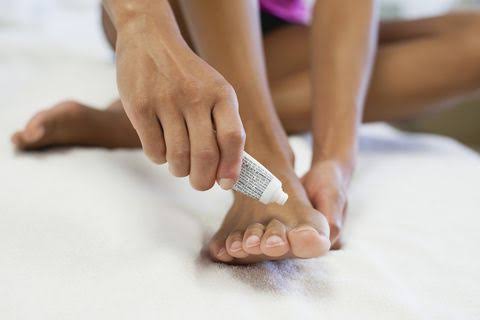
For odor linked to debris and bacteria rather than fungus, consistent washing and proper drying often resolve the issue.
Soaking feet in warm water with mild soap can help loosen trapped debris before trimming.
Over-the-counter antifungal treatments may help with mild fungal cases, though persistent infections often require professional treatment.
When To See A Podiatrist
If the smell persists despite thorough washing, or if you notice nail discoloration, thickening, or crumbling, professional evaluation is recommended.
Signs of ingrown toenails, redness, swelling, or drainage also warrant a visit to a foot health specialist.
A podiatrist can accurately diagnose the cause and recommend appropriate treatment, including prescription antifungal medication if needed.
Warning Signs Table
| Symptom | Recommended Action |
|---|---|
| Mild smell, resolves after washing | Continue regular hygiene routine |
| Persistent smell despite washing | Consider fungal infection, monitor closely |
| Thickened or discolored nail | See a podiatrist for evaluation |
| Redness, swelling, or drainage | See a podiatrist promptly |
Professional Treatment Options
Podiatrists may recommend topical or oral antifungal medications depending on the severity of a confirmed fungal infection.
In some cases, professional nail trimming or debridement may be performed to remove damaged or infected nail material.
Following the full recommended treatment course is important, as fungal infections can be slow to fully clear.
Why Fungal Infections Are Often Contagious
Toenail fungus is often contagious and can spread through shared surfaces like showers, pools, and nail grooming tools.
Wearing sandals in public showers and avoiding shared nail clippers can help reduce the risk of picking up or spreading fungus.
Addressing an infection promptly also reduces the chance of spreading it to other nails or household members.
Preventing Future Odor Issues
Maintaining a consistent hygiene routine, including daily washing and thorough drying, is the most effective long-term prevention method.
Trimming nails properly and regularly helps prevent debris buildup and reduces the risk of ingrown toenails.
Choosing breathable footwear and moisture-wicking socks further supports a healthy, odor-free environment for your feet.
Lifestyle Habits That Help
Rotating shoes regularly and allowing them to air out prevents the buildup of moisture and odor-causing bacteria over time.
Changing socks daily, or more often if you sweat heavily, helps maintain a drier environment for your feet.
Being mindful of these small daily habits can make a significant difference in reducing toenail odor over time.
Why This Topic Is More Common Than People Realize
Many people experience this exact issue but rarely discuss it openly due to mild embarrassment surrounding the topic.
Recognizing that this is a common, usually harmless experience can help reduce unnecessary worry when it happens.
Understanding the underlying causes empowers you to address the issue confidently rather than ignoring it.
The Science Behind The Odor Compounds
The unpleasant smell released when cutting toenails often comes from volatile sulfur compounds produced by bacterial breakdown of organic material.
These compounds are similar to those responsible for general body odor, but concentrated in a small, enclosed space beneath the nail.
Understanding this scientific basis helps explain why the smell can seem surprisingly strong despite its harmless origin.
Why Some People Notice This More Than Others
People with naturally sweatier feet, thicker nails, or those who wear closed shoes for long hours may notice this odor more frequently.
Genetics, activity level, and even certain medications can influence how much a person sweats and how prone they are to bacterial buildup.
Recognizing your own risk factors can help you tailor your hygiene routine more effectively.
Age-Related Changes In Toenails
As people age, toenails often become thicker and more prone to cracking, creating more surface area for debris to accumulate.
This natural change can make older adults more susceptible to both odor and fungal infections over time.
Extra attention to nail care and regular podiatrist visits becomes increasingly important with age.
The Connection Between Sweat Glands And Odor
Feet contain a particularly high concentration of sweat glands compared to other parts of the body.
This means feet, including the skin around toenails, are naturally more prone to moisture buildup throughout the day.
Managing this moisture through proper footwear and hygiene is key to reducing associated odor.
Common Myths About Toenail Odor
A common myth suggests that smelly toenails always indicate poor personal hygiene, which is not entirely accurate.
Even individuals with excellent hygiene habits can experience this odor due to natural anatomy and trapped debris.
Understanding this helps reduce unnecessary shame or embarrassment associated with this common experience.
Another Myth Worth Addressing
Some believe that toenail odor will always go away completely with enough washing, which is only true for debris-related causes.
Fungal infections require targeted antifungal treatment and will not resolve through hygiene efforts alone.
Recognizing this distinction helps people seek appropriate treatment rather than relying solely on washing.
The Role Of Nail Polish And Products
Frequent use of nail polish, especially without removal breaks, can trap moisture and bacteria beneath the polish layer.
This trapped environment can contribute to both odor and an increased risk of fungal growth over time.
Allowing nails to breathe periodically between polish applications can help reduce this risk.
Pedicure Hygiene Considerations
Getting pedicures at salons with improperly sanitized tools can introduce bacteria or fungi that contribute to toenail odor and infection.
Choosing reputable salons that follow strict sanitation practices helps reduce this risk significantly.
Bringing your own clean tools to appointments can provide an extra layer of protection against contamination.
Final Thoughts On Toenail Odor
Understanding why your toenails smell when cut helps remove much of the surprise and concern surrounding this common experience.
In most cases, simple adjustments to hygiene, trimming technique, and footwear choices can resolve or significantly reduce the issue.
If the smell persists despite these efforts, seeking professional evaluation ensures any underlying fungal or bacterial infection is properly treated.
Key Takeaways About Smelly Toenails
Most cases of smelly toenails after cutting are caused by trapped debris, bacteria, and moisture rather than serious illness.
Persistent odor, especially combined with nail discoloration or thickening, may indicate a fungal infection requiring treatment.
Consistent hygiene, proper trimming techniques, and breathable footwear are the most effective ways to prevent and manage this issue.
Quick Summary Before FAQs
Smelly toenails after cutting are usually linked to trapped debris, bacteria, or moisture buildup rather than a serious health concern.
Persistent odor that doesn’t improve with washing may point toward a fungal infection requiring further evaluation.
Below are the most frequently asked questions about smelly toenails, answered briefly for quick reading.
Frequently Asked Questions (FAQs)
Why do my toenails smell bad only when I cut them?
Trimming releases trapped debris, bacteria, and gases from beneath the nail that were not previously noticeable, causing a sudden smell.
Is smelly toenails a sign of fungus?
It can be, especially if the smell persists after thorough washing along with nail thickening or discoloration.
How can I tell if it’s just debris or an infection?
If washing your feet removes the smell completely, it’s likely debris. Persistent smell despite washing suggests infection.
Can poor hygiene cause this smell?
Yes, infrequent washing allows dead skin, dirt, and bacteria to build up under the nail, leading to odor when trimmed.
Does wearing closed shoes make it worse?
Yes, closed, non-breathable shoes trap moisture and heat, creating an ideal environment for bacteria and fungi to thrive.
How do I properly trim my toenails to avoid this?
Trim straight across using clean clippers, avoid rounding corners, and clean gently under the nail with a soft brush.
Can diabetes affect toenail odor?
Yes, diabetes and poor circulation can increase the risk of infections, including fungal infections that cause persistent odor.
Is toenail fungus contagious?
Yes, it can spread through shared surfaces like showers or nail tools, so good hygiene and separate tools help prevent spread.
When should I see a podiatrist for this?
See a podiatrist if the smell persists despite washing, or if you notice discoloration, thickening, redness, or swelling.
Can foot antiperspirants help reduce toenail smell?
Yes, they reduce sweat and moisture, which helps limit the bacterial and fungal growth responsible for much of the odor.
Conclusion
Discovering an unpleasant smell when cutting your toenails can feel alarming, but in most cases, it simply comes down to trapped debris, bacteria, and moisture that get released during trimming. This is a widely experienced issue rooted in normal anatomy rather than poor hygiene alone, though consistent foot care plays a major role in prevention.
However, if the smell persists despite thorough washing, or if you notice thickening, discoloration, or crumbling of the nail, a fungal infection may be the underlying cause and should be evaluated by a podiatrist.
Simple habits like proper trimming technique, breathable footwear, moisture-wicking socks, and daily hygiene can go a long way in preventing future odor. With the right approach, most people can effectively manage and eliminate this common but rarely discussed foot health concern.