Why Is My Jaw Locking? TMJ Explained 2026
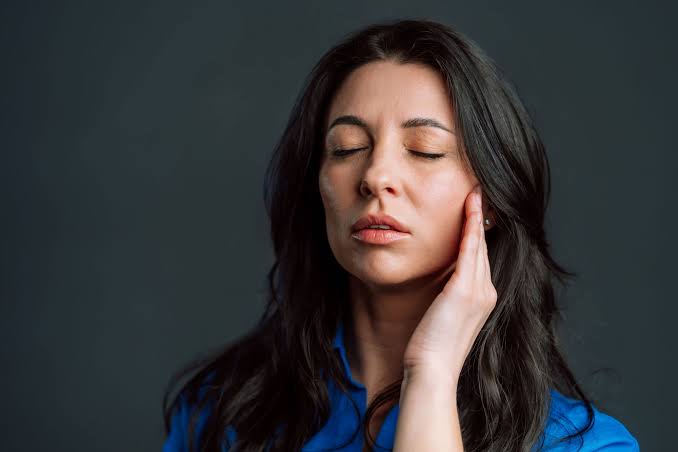
Why is my jaw locking is a question many people ask when they suddenly struggle to open or close their mouth fully. In most cases, this happens due to temporomandibular joint disorder, commonly known as TMJ or TMD, which affects the joints connecting your jawbone to your skull.
Locking can occur in an open or closed position and is often linked to disc displacement, teeth grinding, jaw injury, or joint inflammation. While it can feel alarming, most cases are treatable with the right approach once the underlying cause is identified.
What Is Jaw Locking?
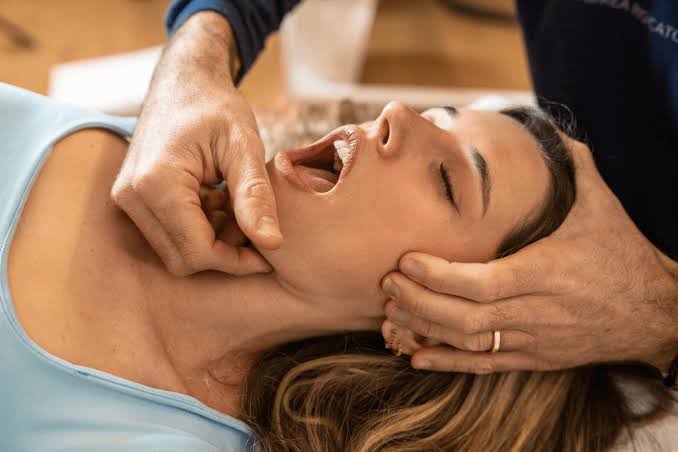
Jaw locking, sometimes called lockjaw, occurs when the temporomandibular joint becomes stuck, limiting your ability to open or close your mouth normally.
This joint acts like a hinge, allowing you to speak, chew, and yawn, and any disruption to its function can cause noticeable locking symptoms.
Jaw locking can happen suddenly or develop gradually, often accompanied by pain, clicking, or difficulty with normal jaw movement.
Understanding the Temporomandibular Joint (TMJ)
The temporomandibular joints are located on each side of your jaw, connecting your lower jawbone to your skull.
These joints rely on cartilage, ligaments, and a small disc that helps facilitate smooth movement during everyday activities like eating and talking.
When any part of this system becomes damaged or misaligned, it can result in temporomandibular joint disorder, commonly abbreviated as TMD.
Open Lock vs Closed Lock
Jaw locking generally falls into two categories, known as open lock and closed lock, depending on how the jaw becomes stuck.
Open lock occurs when the mouth cannot fully close, making it difficult or impossible to bring the upper and lower teeth together.
Closed lock happens when the jaw becomes stuck in a closed position, often preventing the mouth from opening wide enough to fit two fingers.
Quick Overview of Jaw Locking Causes
Here is a table summarizing the most common causes behind jaw locking symptoms.
| Cause | Explanation |
|---|---|
| Disc Displacement | Joint disc slips out of normal position |
| Bruxism (Teeth Grinding) | Repeated grinding strains the jaw joint |
| Jaw Clenching | Excessive muscle tension affects the joint |
| Jaw Injury or Trauma | Physical damage disrupts joint alignment |
| Osteoarthritis | Joint degeneration affects movement |
| Inflammatory Arthritis | Inflammation restricts joint function |
| Dental Procedures | Extended mouth opening strains the joint |
| Tetanus (Rare) | Bacterial infection causes muscle spasms |
Disc Displacement and Jaw Locking
One of the most common causes of jaw locking is disc displacement, where the small cushioning disc within the joint slips out of place.
In cases without reduction, sometimes called a “closed lock,” the disc becomes stuck in front of the jawbone, physically blocking movement.
This structural issue often requires imaging, such as an MRI, to confirm the disc’s position and guide appropriate treatment.
Bruxism and Teeth Grinding
Bruxism, or chronic teeth grinding, places significant repeated pressure on the jaw joint, often leading to strain and eventual locking symptoms.
This grinding frequently occurs during sleep, meaning many people are unaware they are doing it until symptoms begin to appear.
Over time, untreated bruxism can contribute to joint damage, muscle tightness, and an increased risk of jaw locking episodes.
Jaw Clenching and Muscle Tension
Similar to grinding, excessive jaw clenching creates ongoing tension in the muscles surrounding the temporomandibular joint.
This tension can restrict normal jaw movement and contribute to stiffness that eventually leads to locking sensations.
Clenching is often linked to stress or anxiety, making stress management an important part of addressing this particular cause.
Jaw Injury or Trauma
Physical trauma to the jaw, whether from an accident, sports injury, or impact, can directly affect the alignment of the temporomandibular joint.
This type of injury may damage the cartilage, ligaments, or disc within the joint, increasing the likelihood of locking episodes.
Even minor trauma that seems unrelated at first can sometimes contribute to jaw joint issues appearing later on.
Osteoarthritis of the TMJ
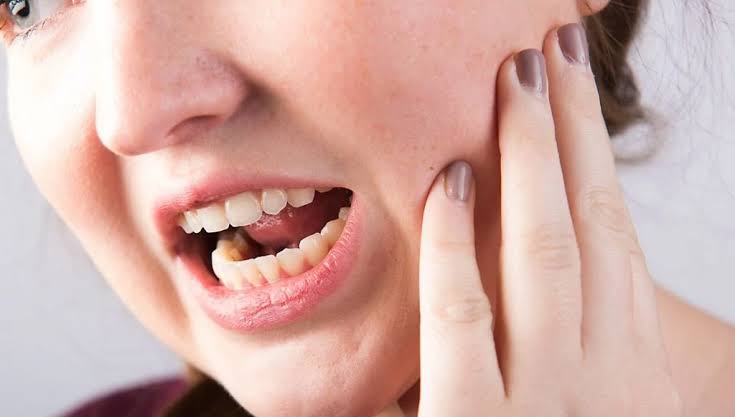
Osteoarthritis, a condition involving gradual joint degeneration, can also affect the temporomandibular joint and contribute to locking symptoms.
As cartilage within the joint wears down over time, movement can become increasingly restricted and uncomfortable.
Left untreated, TMJ osteoarthritis has the potential to worsen progressively, making early evaluation particularly important.
Inflammatory Arthritis and Jaw Locking
Inflammatory arthritis conditions can also impact the temporomandibular joint, leading to swelling, pain, and restricted movement.
This inflammation can interfere with the joint’s normal function, sometimes resulting in episodes of jaw locking.
Managing the underlying inflammatory condition is often a key part of addressing jaw-related symptoms in these cases.
Dental Procedures and Extended Mouth Opening
Lengthy dental procedures that require the mouth to remain open for extended periods can sometimes strain the jaw joint.
This strain may lead to temporary stiffness, discomfort, or limited mouth opening following certain dental treatments or oral surgeries.
In most cases, this type of jaw locking resolves on its own, though persistent symptoms should be evaluated by a professional.
Tetanus and Lockjaw: An Important Distinction
While rare today due to widespread vaccination, tetanus is a serious bacterial infection that can also cause jaw locking, historically termed “lockjaw.”
Tetanus affects the nervous system, causing painful muscle spasms that can extend beyond the jaw to other areas of the body.
This condition is a medical emergency and requires immediate care, making it important to distinguish from TMJ-related jaw locking.
How TMJ Lockjaw Differs From Tetanus Lockjaw
TMJ-related jaw locking is typically limited to the joint and surrounding muscles, without the widespread muscle spasms associated with tetanus.
Tetanus symptoms often include difficulty breathing and spasms affecting the neck and other muscle groups, not just the jaw.
If jaw locking is accompanied by these broader symptoms, seeking emergency medical attention immediately is essential.
Other Symptoms That Often Accompany Jaw Locking
Many people with jaw locking also experience a clicking or popping sound when opening or closing their mouth.
Jaw pain, facial soreness, and even headaches or earaches can accompany TMJ-related locking, particularly when linked to chronic grinding or clenching.
Neck and shoulder tension may also develop alongside jaw locking due to the interconnected nature of surrounding muscle groups.
When Jaw Locking Requires Immediate Attention
Seek emergency care if jaw locking is accompanied by difficulty breathing, widespread muscle spasms, or symptoms following a wound that may indicate tetanus.
Severe pain, an inability to move the jaw at all, or locking following significant trauma also warrants prompt medical evaluation.
For milder, recurring TMJ symptoms, scheduling an appointment with a dentist or TMJ specialist is generally the appropriate next step.
What to Avoid When Your Jaw Is Locked

Avoid forcing your jaw open or closed, as this can worsen existing joint damage or increase pain significantly.
Try to remain calm, since muscle tension caused by stress can sometimes make locking symptoms feel more intense.
Sticking to soft foods and avoiding wide mouth movements, like yawning forcefully, can help prevent further strain while symptoms are present.
First-Line Treatments for Jaw Locking
Resting the jaw by sticking to a soft food diet is often one of the first recommended steps for managing symptoms.
Applying heat or ice to the affected area can help reduce pain and muscle tension associated with jaw locking.
Over-the-counter anti-inflammatory medications may also help manage discomfort during the initial stages of treatment.
Gentle Exercises for TMJ Relief
Gentle, guided jaw exercises can sometimes help improve joint mobility and reduce stiffness associated with TMJ disorders.
These exercises are generally most effective when recommended and demonstrated by a healthcare provider or physical therapist.
Consistency is often key, as gradual improvement is more common than immediate relief with this type of treatment.
Night Guards and Dental Appliances
A night guard, also known as a dental splint, is commonly used to treat jaw locking related to teeth grinding or clenching.
These appliances work by preventing direct tooth-on-tooth contact, reducing strain on the jaw joint during sleep.
Custom-fitted night guards from a dentist are generally considered more effective and comfortable than over-the-counter alternatives.
Anterior Repositioning Appliances
For cases involving disc displacement, specialists may recommend anterior repositioning appliances designed to help stabilize the jaw joint.
These devices aim to reduce the frequency of locking episodes by supporting proper alignment of the disc during movement.
This type of treatment is typically guided by an orofacial pain specialist familiar with complex TMJ cases.
Physical Therapy for TMJ Disorders
Physical therapy can play a valuable role in treating jaw locking, particularly when muscle tension or misalignment is a contributing factor.
A trained therapist can guide targeted exercises and techniques designed to improve jaw mobility and reduce discomfort over time.
This approach is often combined with other treatments, such as night guards, for more comprehensive symptom management.
Stress Management and Jaw Locking
Since stress and anxiety often contribute to jaw clenching, incorporating relaxation techniques can be an important part of long-term treatment.
Practices like deep breathing, yoga, and mindfulness may help reduce the muscle tension that contributes to TMJ symptoms.
Addressing stress alongside physical treatment often leads to more sustainable improvement in jaw locking symptoms over time.
When to See a Specialist
If jaw locking persists despite home care, or if it significantly affects your ability to eat, speak, or function normally, professional evaluation is important.
A dentist, orofacial pain specialist, or TMJ specialist can help identify the specific underlying cause through examination and imaging when necessary.
Early evaluation can help prevent more serious joint damage and guide you toward the most effective treatment plan.
Frequently Asked Questions (FAQs)
1. Why is my jaw locking?
It is most often caused by TMJ disorder, disc displacement, or teeth grinding.
2. Is jaw locking a medical emergency?
Usually not, unless linked to trauma, tetanus, or breathing difficulty.
3. What is the difference between open and closed lock?
Open lock prevents closing the mouth; closed lock prevents opening it.
4. Can stress cause jaw locking?
Yes, stress-related clenching can strain the jaw joint over time.
5. Does teeth grinding cause jaw locking?
Yes, chronic grinding puts repeated pressure on the temporomandibular joint.
6. Can jaw locking heal on its own?
Mild cases sometimes improve, but persistent locking needs evaluation.
7. What is a night guard used for?
It reduces grinding-related strain on the jaw joint during sleep.
8. Is tetanus a common cause of lockjaw today?
No, it is rare due to vaccination but still a medical emergency.
9. Should I force my jaw open if it locks?
No, forcing it can worsen joint damage and increase pain.
10. When should I see a specialist for jaw locking?
See one if symptoms persist, worsen, or affect daily function.
Conclusion
Why is my jaw locking usually comes down to temporomandibular joint disorder, often triggered by disc displacement, teeth grinding, clenching, or jaw injury.
While the experience can feel frightening, most cases are manageable with the right combination of rest, gentle exercises, night guards, and stress management techniques.
Understanding the difference between TMJ-related locking and rare emergencies like tetanus is important, since the latter requires immediate medical attention.
Paying attention to accompanying symptoms, such as pain, clicking, or difficulty breathing, can help you determine how urgently you need professional care.
For persistent or worsening symptoms, consulting a dentist or TMJ specialist ensures you receive an accurate diagnosis and appropriate treatment plan.
With the right approach, most people are able to find meaningful relief and restore normal jaw function over time. This guide is intended for general information only and does not replace personalized medical advice from a qualified healthcare provider.