Why Movement Science Is Vital for Fitness Coaches
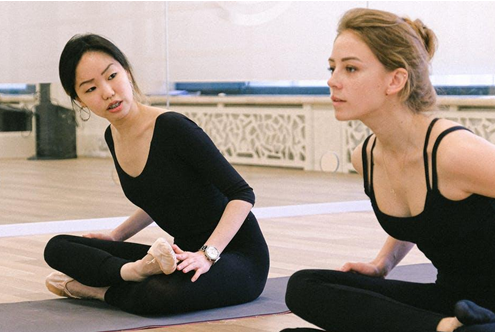
Fitness coaching requires more than handing clients heavy weights or counting reps on a gym floor. See how the human body moves to create a solid framework for real physical progress. Trainers who grasp structural mechanics spot hidden movement compensations.
Every workout session becomes safer when body alignment guides exercise selection. Clients achieve better fitness outcomes when exercise routines match individual physical capabilities directly. Master coaches focus on functional mechanics to build sustainable athletic habits for every client.
Building Stronger Foundations for Client Movement
Movement assessment is the starting point for effective personal training programs. Fitness instructors who complete certifications like Brookbush Institute corrective exercise certification gain a clearer understanding of human mechanics. Proper alignment techniques allow trainers to design tailored routines for clients of all skill levels.
Assessing joint range helps trainers identify restrictive tight spots early in a training program. Simple screening movements reveal hidden movement flaws before loading heavy weight onto key exercises. Correcting early structural issues establishes better lifting mechanics across every workout.
Identifying Biomechanical Issues Before Training Starts
Baseline evaluations help instructors uncover hidden movement restrictions before high-intensity training begins. Early detection prevents minor tightness from turning into major pain during complex movements. Screening protocols offer structured ways to evaluate hips, knees, and shoulders under active conditions.
Coaches establish clear baseline metrics for every client. Integrating biomechanics and movement screening into personal training reduces injury rates in recreationally active adults. Trainers who implement these systematic checks protect clients from unnecessary physical strain. Clear physical assessments build long-term trust between fitness instructors and gym members.
Improving Long-Term Client Retention Rates
Clients are consistent with workouts when they feel comfortable and stay free from injury. Personal trainers who understand structural mechanics keep workouts safe and productive over extended training cycles. Sustainable physical progress keeps gym members motivated to continue their fitness journeys.
Clients appreciate individualized care that accounts for structural limitations. Coaches applying human movement principles see a 30 percent increase in client performance retention. Keeping clients satisfied helps instructors build successful training practices in competitive local markets. High retention rates reflect consistent quality instruction and proven client results.
Developing Precise Exercise Programming Techniques
Customized programming relies on mechanical feedback gathered during each training session. Trainers must modify exercise variations to suit individual mobility levels rather than relying on generic workout templates.
Adjusting resistance paths keeps delicate joints safe during heavy compound lifts. Smart exercise programming incorporates specific elements to support complete physical development:
- Tailored warm-ups target specific joint restrictions before starting main compound lifts
- Controlled weight progressions match real-time stability improvements in client movement patterns
- Targeted mobility drills restore proper range of motion in tight muscle groups
- Balanced strength splits prevent muscular dominance from causing negative posture shifts
With structured exercise selection, clients build power without incurring joint irritation or fatigue. Systematic progression models guarantee long-term development across all fitness goals.
Reducing the Risk of Non-Contact Injuries
Injury prevention forms the bedrock of professional strength and conditioning coaching. Unchecked physical compensations lead to excessive joint stress during explosive power movements. Applied biomechanics helps trainers eliminate dangerous movement patterns before heavy loading occurs.
Proper screening protocols identify muscle imbalances before acute non-contact injuries occur in resistance training. Identifying structural red flags early keeps athletes training consistently with no frustrating setbacks. Proactive screening protocols protect vulnerable joints during intense physical exertion.
Upgrading Professional Credentials and Career Growth
Expanding educational qualifications opens lucrative career opportunities in commercial gym settings and private training studios. Modern fitness facilities prefer instructors who possess deep technical knowledge of human anatomy and biomechanics. Advanced movement knowledge supports professional career growth through multiple practical avenues:
- Premium session rates reward specialized movement coaching expertise and advanced certifications
- Referral networks expand through professional connections with physical therapists and chiropractors
- Client satisfaction leads to organic word-of-mouth recommendations across local communities
- Specialized service offerings attract demographic groups seeking targeted post-rehab training solutions
Investing time into mechanical education transforms standard trainers into recognized movement specialists. Elite knowledge leads directly to higher client satisfaction and lasting professional career success.
Supporting Diverse Client Populations Effectively
Working with diverse populations demands flexible training strategies tailored to individual physical limits. Senior adults, desk workers, and returning athletes all present unique mechanical challenges that require tailored solutions. Coaches who master movement science adapt foundational drills to match any client mobility profile.
Modifying exercise angles allows trainers to work around joint stiffness safely and effectively. Customized exercise modifications keep workouts challenging without exposing participants to harmful joint strain. Personalized care builds true confidence in clients who feel intimidated by standard fitness environments.
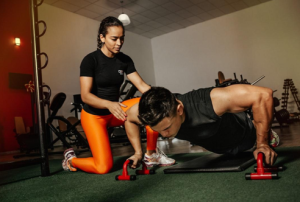
Mastering movement science equips fitness professionals with the tools needed to deliver exceptional client outcomes. Understanding how muscles and joints operate together transforms simple workouts into transformative training programs.
Coaches who prioritize structural assessment elevate their professional services and establish lasting careers in personal training. Continuous learning in body mechanics remains the single best strategy for building long-term coaching success.