How Steel Structures Are Transforming Modern Mining Operations
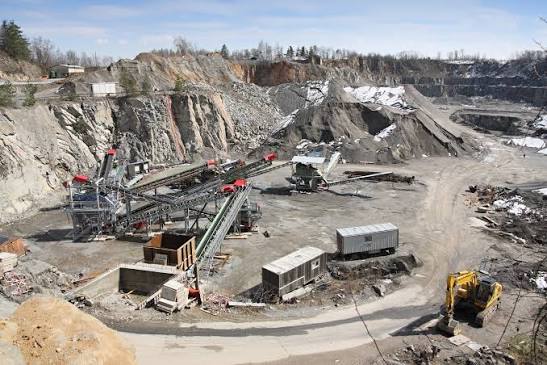
Modern mining demands structures that deliver resilience, speed of assembly, and dependable performance in harsh environments. Steel has become a leading choice for permanent and temporary facilities across extraction sites because it supports efficiency at every stage of a project. Its strength makes complex operations safer and more organized.
Advanced layout planning and purpose-built designs shape how organizations approach infrastructure needs. Many sites now rely on mining steel buildings for equipment storage, worker facilities, and large-scale processing areas. The following sections highlight the ways steel structures reshape modern mining and set a new standard for durability and adaptability across demanding locations.
Stronger Infrastructure for High-Intensity Operations
Mining requires structures that handle heavy machinery, high vibrations, and frequent movement. Steel frames support these demands with predictable load capacity and minimal material fatigue. This foundation allows facilities to operate with less downtime and safer flow patterns around critical zones.
Clear-span widths give operators open interior layouts that accommodate oversized vehicles, tall conveyors, and specialized equipment. The absence of interior columns makes navigation seamless and supports long-term flexibility as needs evolve.
Faster Project Timelines That Support Production Goals
Time is a major factor in mining success, and steel structures offer a clear advantage through accelerated timelines. Pre-engineered components arrive ready for efficient assembly, which shortens the gap between ground preparation and full operation.
Key Benefits for Time-Sensitive Sites
- Reduced labor hours due to simplified assembly
- Predictable scheduling that limits costly delays
- Improved placement accuracy due to precise fabrication
Why Speed Matters
Quicker facility completion boosts productivity and helps teams transition into active extraction phases sooner. This efficiency is particularly valuable for remote sites where logistics are challenging, and weather constraints create narrow construction windows.
Better Protection Against Harsh Environmental Conditions
Mining sites face constant exposure to dust, chemicals, moisture, and extreme temperatures. Steel systems address these challenges through durable coatings and corrosion-resistant components. These protections maintain structural integrity even when exposed to abrasive surroundings.
Insulation and cladding options strengthen interior conditions for equipment and staff. A controlled environment helps preserve tools, extend machinery life, and create safe zones for operational planning, repair tasks, or material processing.
Flexible Designs That Adapt to Operational Change
Mining locations experience shifts in workflow, equipment needs, and output requirements over time. Steel structures offer adaptability through modular layouts, expandable frames, and customizable widths and heights.
Advantages of Adaptable Steel Facilities
- Expanded storage capacity without structural disruption
- Easy integration of new machinery or conveyors
- Reconfiguration options that support evolving extraction strategies
Strong foundations stay in place while expansions or adjustments happen around them. This approach preserves investment value and supports long-term planning across the lifespan of a mining project.
Improved Safety Measures Across the Worksite
Safety remains a top priority, and steel structures contribute directly to stable work environments. Fire-resistant materials protect critical areas where heat or sparks may occur. High load capacity prevents structural stress during periods of intense activity.
Clear pathways, reinforced frames, and engineered ventilation support safe traffic flow and healthier working conditions. Strong structure reliability also reduces the risk of damage during seismic movement or high winds, common in certain regions.
Mining steel buildings continue to redefine expectations for performance, durability, and flexibility across extraction sites. Their ability to support heavy-duty activities, protect resources, and adapt to shifting demands makes them a reliable choice for long-term planning. These advantages strengthen productivity and provide dependable shelter for key operations. Facilities built with this approach deliver lasting value and support safer, smarter mining practices shaped by modern engineering. The rising use of steel structures highlights this positive shift and reinforces confidence in structural solutions suited for demanding environments.