Why Do Cats Love Bite? The Real Reasons Behind Feline Love Nibbles 2026
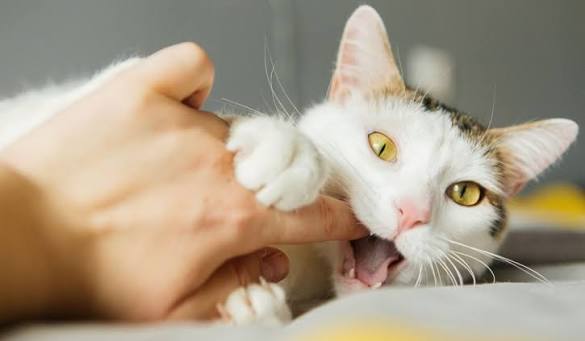
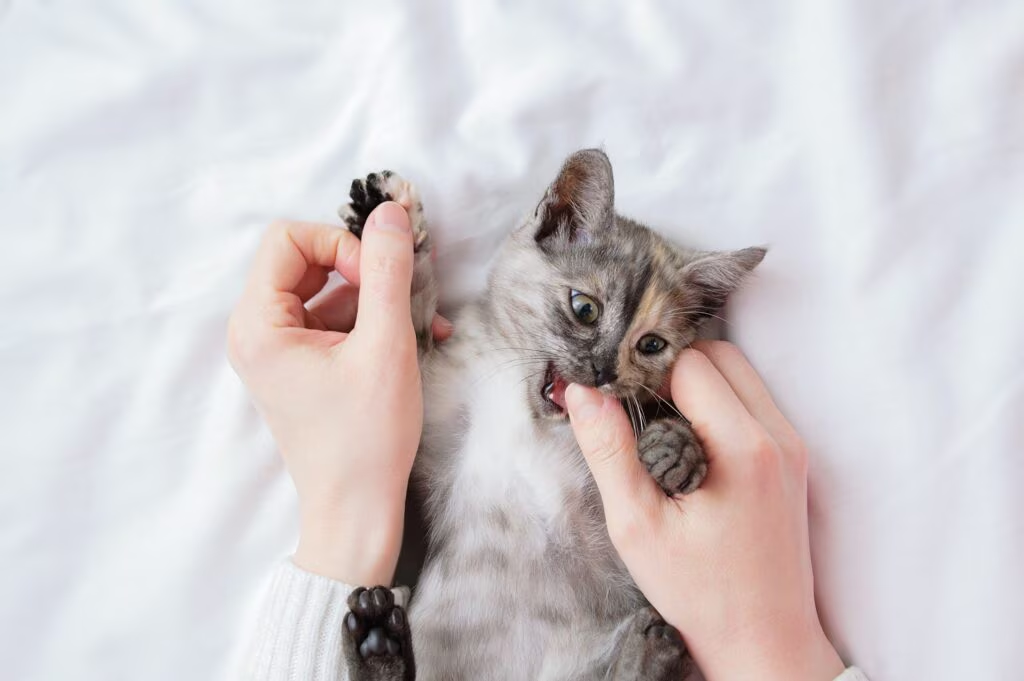
If your cat has ever nibbled your hand mid-cuddle, you’ve probably wondered why do cats love bite in the first place. It feels affectionate, but it can also catch you off guard.
The short answer: it’s a mix of instinct, communication, and sensation. Cats don’t have hands, so their mouth becomes a tool for both bonding and boundary-setting.
Why Do Cats Love Bite?
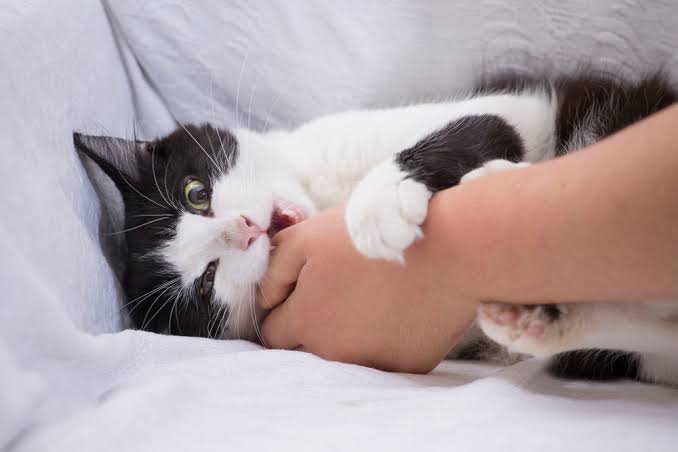
Cats give love bites to show affection, release excess playful energy, or signal that petting has gone on too long. It’s a natural form of feline communication, not a sign of anger.
Most love bites are gentle and don’t break the skin. They usually happen during calm moments like petting, cuddling, or grooming.
What Is a Cat Love Bite?
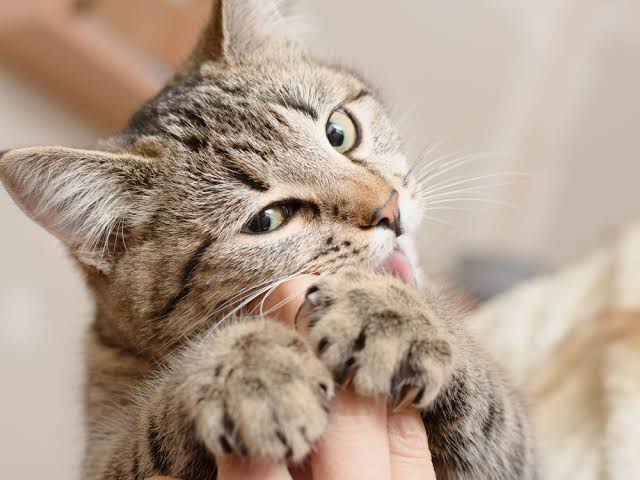
A love bite is a soft, controlled nip a cat gives without intending to hurt you. It’s different from a defensive or aggressive bite in both pressure and body language.
Cats often groom or lick before nibbling. This lick-then-nip pattern is a strong sign the behavior is affectionate rather than hostile.
Key Traits of a Love Bite
- Gentle pressure that rarely breaks skin
- Happens during petting, cuddling, or relaxed play
- Often paired with purring, kneading, or licking
- No hissing, growling, or flattened ears beforehand
Why Do Cats Love Bite? 6 Real Reasons
There isn’t one single explanation. Vets and behaviorists point to several overlapping instincts that drive this behavior.
1. Affection and Bonding
Some cats nibble the way kittens nip their littermates or mother. It’s a learned form of closeness carried into adulthood.
This type of bite usually feels soft and comes with contentment cues like purring or slow blinking.
2. Overstimulation During Petting
Repetitive petting can overstimulate a cat’s nerve endings, especially near the base of the tail. The bite becomes a polite “that’s enough” signal.
Watch for skin twitching, tail flicking, or ears turning back just before the nip — these are early warning signs.
3. Play and Hunting Instinct
Cats are natural hunters, and gentle mouthing mimics pouncing on prey. Hands that move quickly can trigger this predatory response.
Kittens especially rely on nipping to practice hunting skills learned during play with littermates.
4. Attention-Seeking Behavior
If a nibble ever earned attention, treats, or play in the past, your cat may repeat it on purpose. Cats are quick to learn what gets a reaction.
This is more about learned habit than emotion, and it responds well to consistent training.
5. Stress or Discomfort
A cat in pain from an old injury, arthritis, or dental issues may bite when touched in a sensitive spot. Sudden changes in biting behavior are worth noting.
If nipping starts suddenly and out of character, a vet visit can rule out an underlying medical cause.
6. Maternal or Comfort Behavior
Cats who were hand-raised or separated from their mother early sometimes nurse-nibble on soft objects, including human skin. It mimics nursing comfort behavior from kittenhood.
Cat Love Bite vs. Aggressive Bite
| Trait | Love Bite | Aggressive Bite |
|---|---|---|
| Pressure | Light, controlled | Hard, can break skin |
| Warning signs | Few or none | Hissing, growling, flattened ears |
| Body language | Relaxed, purring | Tense, tail thrashing |
| Trigger | Petting, play, bonding | Fear, pain, territory, stress |
| Follow-up behavior | Licking, staying close | Retreating or continued aggression |
Signs Your Cat Is About to Give a Love Bite
- Slow, deliberate movement toward your hand
- Purring or relaxed body posture
- A gentle lick right before the nip
- Kneading paws during petting sessions
How to Respond to a Cat Love Bite
Reacting calmly matters more than punishing the behavior. Cats don’t understand scolding the way dogs might, and harsh reactions can backfire.
Step-by-Step Response
- Freeze instead of yanking your hand away suddenly.
- Wait for your cat to release and disengage naturally.
- Redirect attention to a toy instead of your hand or fingers.
- Calmly stand up and walk away to end the interaction.
- Reward calm behavior with praise or a treat afterward.
How to Stop Cat Love Bites
You don’t need to eliminate affection to reduce nipping — you just need to redirect the energy somewhere appropriate.
Practical Prevention Tips
- Keep petting sessions shorter and watch for overstimulation cues.
- Offer interactive toys like wands and puzzle feeders daily.
- Never use hands or fingers as play toys, even for kittens.
- Stick to petting areas cats usually enjoy, like the cheeks and chin.
- Reward gentle interactions consistently with treats or praise.
Mistakes to Avoid When Your Cat Bites
- Don’t yell, tap the nose, or spray water — this damages trust.
- Don’t pull your hand away fast, since it can trigger a chase instinct.
- Don’t ignore repeated hard bites, since they may signal pain or stress.
- Don’t punish after the fact — cats don’t connect delayed consequences to the bite.
When to See a Vet
Sudden, out-of-character biting deserves medical attention. Dental disease, arthritis, and hidden injuries are common hidden triggers.
A vet visit is especially important if your cat flinches, avoids touch in one spot, or seems irritable more often than usual.
Expert Tips for Cat Owners
Veterinary behaviorists agree that understanding a cat’s body language before the bite is more useful than reacting after it happens. Learning your individual cat’s early warning signs takes time but pays off.
Every cat has a unique tolerance level for touch, so what works for one cat may not work for another.
Also Read:
- Pun Names: Powerful & Hilarious Names to Make Everyone Laugh
- 200+ Funny Responses to “Good Morning” Texts
Frequently Asked Questions (FAQs)
Why do cats love bite you during petting?
Cats often bite during petting because of overstimulation or as a playful, affectionate gesture learned from kittenhood behavior.
Are cat love bites a sign of affection?
Yes, in most cases. Gentle nibbles paired with purring or licking usually signal bonding rather than aggression.
Why does my cat bite me then lick me?
This lick-then-bite pattern mimics grooming behavior between cats and is typically a sign of comfort and trust.
How hard do cat love bites usually feel?
Love bites are light and rarely break the skin. Anything that draws blood or causes pain should be treated as a real bite.
Should I punish my cat for love bites?
No. Punishment can damage trust and increase anxiety. Redirection works far better than scolding.
Why does my cat bite my hand when I stop petting?
This is often attention-seeking behavior, especially if biting has gotten a reaction from you before.
Can kittens grow out of biting?
Many kittens reduce biting as they mature, especially with consistent redirection to toys instead of hands.
Why do cats bite and then run away?
This mimics hunting behavior, where a quick nip and retreat resembles a predatory strike-and-flee pattern.
Is it normal for cats to bite while being brushed?
Yes, especially if brushing lasts too long or touches a sensitive area like the belly or tail base.
Why does my cat only bite certain family members?
Cats may associate certain people with rougher play or inconsistent boundaries, leading to more frequent nipping.
What does it mean when a cat bites softly and stares at you?
This is typically an affectionate or curious gesture rather than a warning sign.
Do all cats give love bites?
No. Some cats never nip, while others do it frequently. It often depends on personality and early life experiences.
Why does my cat bite my feet?
Moving feet under blankets or during walking can trigger a cat’s natural prey-chasing instinct.
Can love bites turn into aggression?
Yes, if overstimulation isn’t recognized early. Watching body language helps prevent escalation.
Why do cats bite during cuddling but seem happy?
Cats can feel both affection and overstimulation at once, leading to a bite even while purring.
Should I stop petting immediately after a love bite?
Yes. Ending the interaction calmly teaches your cat that biting signals the end of attention.
Why does my senior cat suddenly bite more?
Increased biting in older cats often points to pain from arthritis or dental issues and warrants a vet check.
Do rescue cats love bite more often?
Some rescue cats with limited early socialization may show more mouthing behavior, which usually improves with patience.
Why does my cat grab my arm with their paws before biting?
This is a hunting-style behavior where paws hold the “prey” in place before a gentle bite follows.
Can diet or health affect biting behavior?
Yes. Pain, nutrient deficiencies, or illness can all increase irritability and biting frequency.
Is it safe to let kittens nibble on hands?
No. This teaches kittens that biting hands is acceptable, which can carry into adulthood.
Why do cats bite blankets or soft toys and not just hands?
This nursing-like behavior is often self-soothing and unrelated to aggression toward people.
How long do love bites typically last?
Most love bites last less than a second and involve minimal pressure.
Why does my cat bite me but not other people?
Cats often reserve mouthing behavior for people they trust most, since it mirrors intimate feline communication.
Do male or female cats bite more?
Biting tendencies are more linked to individual personality and upbringing than to sex.
Why do cats bite when overexcited during play?
Excitement can override self-control, especially with fast-moving toys or hands.
Can training reduce love biting over time?
Yes. Consistent redirection to toys, along with rewarding gentle behavior, reduces biting significantly.
Why does my cat bite harder some days than others?
Stress, changes in routine, or discomfort can all increase bite intensity temporarily.
Is hissing before a bite always aggressive?
Yes. Hissing is a clear warning sign and should not be confused with a love bite.
Why do cats bite ears or hair?
This mimics allogrooming, a bonding behavior cats use with trusted companions.
Should I avoid petting my cat if they bite often?
No. Reducing session length and reading body language is more effective than avoiding affection altogether.
Why does my cat bite right after being picked up?
Some cats find being lifted stressful, and a quick nip can be a request to be put down.
Can love bites indicate a cat wants to play, not cuddle?
Yes. If biting happens with pouncing or chasing, your cat is likely signaling playtime instead of affection.
Why do cats sometimes bite strangers but not owners?
Unfamiliar scents and body language can make cats cautious, leading to defensive nipping with new people.
Does neutering or spaying reduce biting behavior?
It can help reduce hormone-driven aggression, though playful or overstimulation-based biting may still occur.
Why do cats bite during belly rubs?
The belly is a vulnerable area for cats, and touching it can trigger an instinctive defensive nip.
Are love bites more common in certain breeds?
Some breeds known for high energy or strong bonding instincts may show more mouthing behavior, though it varies by individual cat.
Why does my cat bite the leash during walks?
This is often a mix of stress and redirected energy, common in cats still adjusting to leash training.
Conclusion
So, why do cats love bite? It comes down to instinct, communication, and the limits of feline body language. A gentle nip is rarely a sign of anger — it’s more often affection, excitement, or a polite request for space.
Learning to read your cat’s cues before the bite happens is the real key to a bite-free bonding experience. With patience, redirection, and the right response, most love bites fade into a manageable, even endearing, part of life with a cat.