

From Technology to Training: The Evolution of Modern Home Gym Equipment
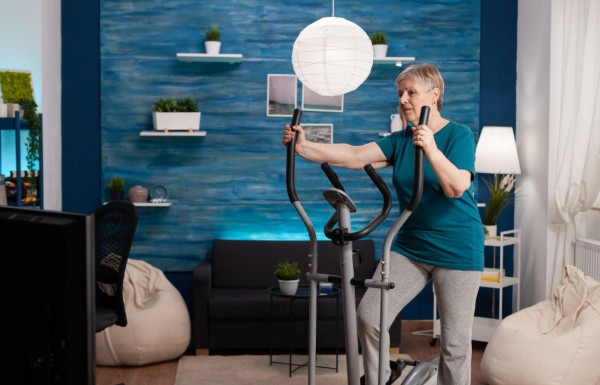
Home fitness has changed significantly as technology, compact design, and digital training become part of everyday exercise routines. Modern equipment lets people train at home without relying entirely on traditional gym environments.
The rise of the smart home gym reflects this shift toward connected and personalized workouts. Digital resistance, guided programs, performance tracking, and interactive features are changing how people approach strength, mobility, cardio, and recovery. At the same time, better equipment design is making home workouts more convenient for different lifestyles, fitness levels, and available spaces.
Connected Training Shaping Modern Home Fitness
Technology is making home workouts more personalized, measurable, and convenient through connected equipment and digital training experiences.
1. Personalized Workouts Through Digital Technology
Modern fitness equipment can provide structured workout programs based on individual goals and training preferences. Digital platforms can guide users through exercises and help them stay consistent. Instead of following the same routine every day, users can explore strength, mobility, cardio, and recovery-focused sessions. This approach makes home training more adaptable and allows individuals to create routines that fit their schedules, fitness levels, and changing objectives.
2. Smarter Resistance For Strength Training
Traditional weights require users to manually select and adjust resistance. Newer connected systems can make resistance management more convenient through digital controls. Users can adjust resistance to match the exercise or training goal without keeping multiple weights around the home. This reduces equipment clutter while making strength sessions easier to organize. Controlled resistance can also support gradual progression, helping users build structured routines without constantly switching between equipment.
3. Compact Designs For Everyday Homes
Space has become an important consideration for people building workout areas at home. Modern equipment increasingly focuses on compact footprints, multifunctional features, and designs that can fit into existing rooms. Instead of requiring a dedicated gym, users can create exercise spaces in bedrooms, offices, living areas, or wellness rooms. This makes home fitness more practical for people living in apartments or smaller properties where traditional gym equipment may be difficult to accommodate.
4. Tracking Progress During Regular Sessions
Progress tracking can encourage greater awareness of training habits and performance. Digital fitness systems can record workout information, allowing users to understand their activity over time. Monitoring completed sessions, resistance levels, movement patterns, or training consistency can make fitness goals easier to organize. Access to this information also helps users spot performance changes and adjust their routines to their goals, rather than relying on memory or general assumptions.
5. Interactive Features Improving Engagement
Digital displays, guided sessions, connectivity, and multimedia features can make home workouts more engaging. Interactive training reduces the repetitive feeling that some users associate with exercising alone. People can follow structured sessions while receiving visual or digital guidance throughout a workout. These features also allow fitness equipment to become part of a broader lifestyle routine rather than functioning as a simple exercise machine used occasionally.
Intelligent Equipment Transforming Everyday Training
Connected fitness machines are creating new possibilities for people who want structured workouts without leaving their homes.
The growing popularity of the smart fitness machine shows how exercise equipment is moving beyond basic mechanical functions. Modern systems can combine training programs, digital controls, connected displays, and performance information within a single workout experience. This can simplify exercise routines by reducing the need for multiple devices while giving users greater control over how they train. As technology develops, intelligent equipment is likely to become increasingly focused on personalization, convenience, and efficient use of space.
Building Better Home Workout Spaces For All
A well-planned home workout environment can make regular exercise easier by combining suitable equipment, practical layouts, and consistent training habits.
1. Choosing Equipment Around Fitness Goals
Start by understanding your training goals. Someone focused on strength may need different features from a person interested in mobility, cardio, or general conditioning. Choosing equipment around actual goals prevents unnecessary purchases and helps create a more useful workout environment. Multifunctional machines can also support several training styles, making them practical for households with different exercise preferences.
2. Creating A Comfortable Training Environment
The surrounding space can influence how consistently people exercise. Good ventilation, sufficient lighting, appropriate flooring, and enough movement space can create a more comfortable workout environment. Equipment should also be positioned so users can access it easily without repeatedly moving furniture. A convenient setup removes unnecessary barriers and can encourage people to turn exercise into a regular part of their daily schedule.
3. Combining Technology With Human Discipline
Advanced equipment can provide guidance and useful information, but consistency still depends on the user. Technology can simplify training, track progress, and provide structured programs, yet regular participation remains essential. Establishing realistic schedules and achievable goals helps users make better use of connected equipment. The most effective home fitness routine combines useful technology with personal discipline, adequate recovery, and a balanced approach to physical activity.
4. Supporting Different Household Users
Home fitness equipment can become more valuable when several people can use the same system. Adjustable resistance, different workout programs, and multiple user profiles can help accommodate varying fitness levels. Families or partners can therefore share a workout space without following identical routines. Flexible equipment also reduces the need to purchase separate machines for every individual, making the overall home fitness setup more practical.
5. Maintaining Equipment For Long-Term Use
Regular maintenance helps keep fitness equipment reliable. Users should follow manufacturer instructions for cleaning, inspections, software updates, and safe operation. Checking moving components and keeping connected systems updated can help maintain performance. Proper care also supports the longevity of an investment and reduces avoidable equipment problems. A clean, well-maintained workout area also contributes to a safer, more enjoyable training environment.
Conclusion: Smarter Choices For Home Fitness
The evolution of home gym equipment has moved exercise beyond traditional weights and basic machines toward connected, personalized, and space-conscious training. Smart technology can improve convenience, provide structured workouts, support progress tracking, and make regular exercise more engaging. With thoughtful equipment selection and consistent habits, home workouts can become an accessible part of everyday life.
For people exploring reliable home gym fitness equipment, Imbody offers modern fitness solutions designed around technology, compact home use, and connected training experiences. Their approach combines intelligent equipment with digital fitness features, giving users the opportunity to create more personalized workout environments while adapting exercise routines to their individual lifestyle and training needs.