What Crickets Eat: A Complete Guide to Their Diet

Crickets are opportunistic eaters, meaning they consume whatever food is available. In homes, they might nibble on fabric, paper, or food scraps, while in the wild, they feast on grass, leaves, seeds, and small insects. If you’re raising crickets as pets or feeder insects, providing the right nutrition ensures they stay active and healthy. Let’s explore what do crickets eat and how their diet impacts their well-being.
Natural Diet of Crickets in the Wild
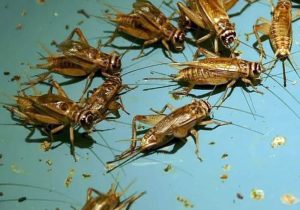
Crickets in their natural habitat feed on a variety of organic materials. Their diet consists of:
- Plants and grass – Fresh leaves, stems, and flowers provide essential nutrients.
- Fruits and seeds – Fallen fruits, nuts, and seeds serve as an energy source.
- Insects and decaying matter – Dead bugs and organic debris offer extra protein.
- Fungi and bacteria – Crickets consume decomposing material, helping the ecosystem.
Their diet changes based on the environment. In Australia and the desert, crickets rely on drought-resistant plants, while rainforest crickets eat moist leaves and fruits. Understanding what do crickets eat in the wild helps us appreciate their role in nature.
What do Cricket Eat in Captivity
In captivity, crickets need a balanced diet to thrive. Pet owners and breeders should feed them:
- Fresh fruits and vegetables – Carrots, apples, and potatoes offer hydration and nutrients.
- Protein-rich foods – Dog food, fish flakes, and even cooked eggs support growth.
- Whole grains and seeds – Oats, wheat bran, and cornmeal provide energy.
- Hydration sources – A damp sponge or fresh produce prevents dehydration.
When raising crickets, avoid moldy or rotten food, as it can lead to infections. Feeding crickets a well-rounded diet makes them healthier pets or nutritious feeder insects for reptiles.
Fruits and Vegetables Crickets Can Eat
Crickets love eating fresh fruits and vegetables, as they provide hydration and essential nutrients. Below is a table of the best plant-based foods for crickets:
| Food Type | Examples | Benefits |
| Vegetables | Carrots, lettuce, potatoes | Provides vitamins and fiber |
| Fruits | Apples, bananas, oranges | Hydration and natural sugar |
Crickets enjoy munching on leafy greens, but avoid feeding them excess citrus fruits, as too much acidity can be harmful.
Protein Sources for Crickets
Protein is essential for cricket growth and survival. In the wild, crickets obtain protein from dead insects and organic material. In captivity, you can provide protein through:
- Dog food and fish flakes – These contain high protein content.
- Cooked eggs and chicken feed – Great for breeding crickets.
- Small insects – Some cricket species eat ants, termites, or small worms.
Without protein, crickets become weak and less active. Feeding them a high-protein diet ensures they remain healthy and strong.
Grains and Other Plant-Based Foods for Crickets

Crickets consume grains and seeds to obtain carbohydrates for energy. These include:
- Oats and wheat bran – Easy to digest and packed with nutrients.
- Cornmeal and rice – Common in commercial cricket feed.
- Seeds from fruits – Extra fiber and minerals.
Grains should be given in moderation to maintain diet balance. Too many grains without fresh food can lead to nutritional deficiencies.
Foods That Are Harmful to Crickets
Not all foods are safe for crickets. Some items can be toxic or harmful, including:
- Processed foods – Chips, candy, and salty snacks harm crickets.
- Rotten or moldy food – Causes bacterial infections and health issues.
- Toxic plants – Some garden plants contain chemicals dangerous to crickets.
Avoid giving crickets anything with artificial additives, as they require a natural diet to thrive.
How Often Should Crickets Be Fed?
Crickets should be fed once or twice a day, depending on their size and species. Baby crickets require small, frequent meals, while adult crickets can survive on larger portions once daily. Overfeeding can lead to spoiled food in their enclosure, which attracts bacteria.
If you’re breeding crickets, ensure they have constant access to food, as hunger can trigger cannibalistic behavior among them.
Hydration Needs of Crickets
Crickets do not drink water from a dish like other pets. Instead, they absorb moisture from:
- Fresh fruits and vegetables – Apples, lettuce, and cucumbers provide hydration.
- Damp sponges or paper towels – Safe, spill-free water sources.
- Commercial cricket hydration gels – Prevent drowning risks.
Ensuring proper hydration prevents dehydration-related deaths, especially in dry environments.
Feeding Crickets for Pet Nutrition (Gut-Loading)
Gut-loading is the process of feeding crickets a nutrient-rich diet before they are given to reptiles, birds, or amphibians. This makes them more nutritious for pets. A well-fed cricket provides better protein, vitamins, and minerals.
Feed gut-load crickets leafy greens, carrots, and fish flakes 24-48 hours before feeding them to pets. Avoid giving them unhealthy foods, as poorly fed crickets offer little nutritional value.
Differences in Diet Among Cricket Species
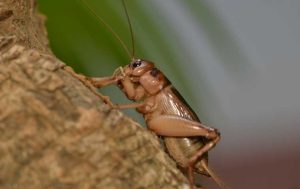
Not all cricket species eat the same diet. Some are strict herbivores, while others are predatory. Examples include:
- Field crickets – Eat plants, seeds, and insects.
- House crickets – Consume fabric, food crumbs, and household scraps.
- Camel crickets – Prefer decaying organic matter.
Understanding species differences helps when feeding pet crickets or controlling cricket populations.
Frequently Asked Questions About What Do Crickets Eat
what do crickets eat in your house?
Crickets eat fabric, paper, food crumbs, and even wood inside homes.
what food do crickets eat the most?
They prefer vegetables, fruits, and grains, but also eat insects for protein.
what animals do crickets eat?
Some species eat smaller bugs, ants, and termites for extra protein.
what grass do crickets eat?
They consume fresh grass blades and decaying plant matter.
what leaves do crickets eat?
Crickets eat soft leaves from garden plants, flowers, and trees.
what seeds do crickets eat?
They eat wheat, oats, and corn seeds when available.
what do crickets eat in the garden?
They eat flowers, roots, grass, and sometimes damage crops.
Conclusion of What Crickets Eat
Crickets are adaptable eaters, consuming whatever food is available in their environment. In the wild, they eat grass, seeds, insects, and decaying organic matter. Inside homes, they survive on fabric, crumbs, and paper. In captivity, crickets require a balanced diet of fruits, vegetables, grains, and protein sources to stay healthy.
Feeding crickets properly is crucial, whether you keep them as pets or use them as feeder insects. Understanding what do crickets eat helps ensure their health and longevity. By providing nutritious food and proper hydration, you can keep crickets active and beneficial in their ecosystem or enclosure.