Blue Laced Red Wyandottes: A Beautiful and Hardy Breed

The Blue Laced Red Wyandottes is one of the most striking and desirable chicken breeds. Known for its gorgeous blue-laced plumage and gentle temperament, this bird is a favorite among backyard chicken keepers and poultry enthusiasts. Originally bred for dual-purpose use, the Blue Laced Red Wyandotte is valued for both its egg production and high-quality meat.
This breed is a variation of the Wyandotte chicken, developed in the United States. It gained popularity due to its beautiful feather pattern, hardy nature, and reliable laying capabilities. These chickens are excellent choices for small farms, homesteads, and urban backyards.
One of the best features of the Blue Laced Red Wyandotte is its cold-hardiness. With its thick plumage, it thrives in colder climates, making it a great breed for regions with harsh winters. They also have a calm and friendly disposition, making them suitable for families with children.
Overall, the Blue Laced Red Wyandotte is a beautiful, productive, and low-maintenance chicken. Whether you are looking for a show-quality bird or a reliable egg layer, this breed is an excellent addition to any flock.
History and Origin of Blue Laced Red Wyandotte
The Wyandotte chicken originated in the United States in the late 1800s. It was developed as a dual-purpose breed to provide both meat and eggs for poultry farmers. The Blue Laced Red Wyandotte is a more recent color variation, believed to have been developed in Europe, particularly in Germany and the UK.
The original Wyandotte was created by crossing several breeds, including the Dark Brahma and Silver Spangled Hamburg. Over time, breeders worked to refine color variations, leading to the development of the Blue Laced Red Wyandotte. This variety was introduced by selectively breeding red-laced Wyandottes with Andalusian blue chickens to achieve the distinct blue-laced pattern.
Although this variation is not yet officially recognized by the American Poultry Association (APA), it has gained a huge following among poultry keepers. Many breeders continue to work on stabilizing the color pattern to meet official breed standards.
The Blue Laced Red Wyandotte remains a rare and sought-after breed due to its stunning appearance, excellent egg production, and docile temperament. Today, it is prized by backyard chicken enthusiasts, small-scale farmers, and poultry show competitors alike.
Physical Characteristics of Blue Laced Red Wyandotte
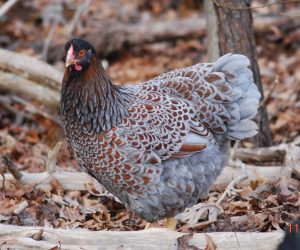
The Blue Laced Red Wyandotte is a medium to large-sized chicken, known for its rounded, fluffy body and broad frame. This breed has a rose comb, which is ideal for cold climates, as it prevents frostbite.
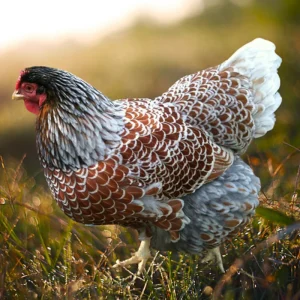
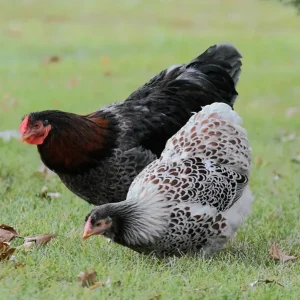
One of its most striking features is its unique feather pattern. The body is covered in rich reddish-brown feathers outlined with blue lacing. The lacing varies in intensity, with some birds having lighter or darker blue tones. The plumage is dense and soft, providing excellent insulation against cold weather.
These birds have yellow legs, beaks, and skin, which is a common trait among Wyandottes. Their eyes are a deep reddish-brown, giving them a sharp and alert appearance.
| Feature | Description |
| Size | Medium to large |
| Comb Type | Rose comb |
| Feather Pattern | Reddish-brown with blue lacing |
| Leg Color | Yellow |
| Egg Color | Light brown |
Both hens and roosters have a strong and sturdy build, making them great for free-ranging or confined spaces.
Temperament and Behavior of Blue Laced Red Wyandotte
The Blue Laced Red Wyandotte is known for its docile and friendly nature, making it an excellent breed for beginners and families with children. These chickens are generally calm and easygoing, rarely showing signs of aggression.
They thrive in both free-range and coop environments, as they are curious but not overly flighty. Unlike some nervous breeds, Wyandottes are comfortable around humans and can even be trained to follow routines.
This breed is also known for its strong flock mentality. They get along well with other chickens but can be slightly assertive when establishing a pecking order. Roosters tend to be protective but not overly aggressive, making them good guardians for the flock.
Due to their intelligent and adaptable nature, these chickens enjoy foraging for food and can thrive in various environments. Whether kept in small urban backyards or large rural farms, the Blue Laced Red Wyandotte remains a friendly and well-behaved chicken.
Egg Production and Laying Capabilities
The Blue Laced Red Wyandotte is a dependable egg layer, producing around 200-250 eggs per year. Their eggs are medium to large-sized with a light brown shell.
These hens typically start laying eggs around five to six months old. While they may not be the most prolific layers compared to Leghorns, their egg production is consistent and reliable.
One of the advantages of this breed is its cold-hardiness, meaning they continue laying eggs even in winter months. Unlike some breeds that slow down in cold weather, Wyandottes maintain a steady egg-laying pattern throughout the year.
| Egg Production Rate | 200-250 eggs per year |
| Egg Color | Light brown |
| Egg Size | Medium to large |
| Laying Age | 5-6 months |
While not overly broody, some Wyandotte hens may occasionally sit on their eggs. If you’re interested in hatching chicks, this breed can make a good natural mother.
Feeding and Nutrition Requirements
Providing the right nutrition is essential to keeping your Blue Laced Red Wyandotte healthy and productive. These chickens require a balanced diet rich in protein, vitamins, and minerals.
Diet Breakdown:
- Starter Feed (0-8 weeks) – Chick feed with 20-22% protein for growth.
- Grower Feed (8-20 weeks) – A diet with 16-18% protein for development.
- Layer Feed (20 weeks and older) – Contains 16% protein and extra calcium for strong eggshells.
- Treats & Supplements – Fresh vegetables, mealworms, and oyster shells improve overall health.
Best Feeding Practices:
- Provide fresh, clean water daily.
- Offer grit to aid in digestion, especially for free-range chickens.
- Limit high-carb treats like bread or pasta to prevent obesity.
A well-balanced diet ensures that your Blue Laced Red Wyandotte stays active, produces high-quality eggs, and maintains vibrant plumage.
Housing and Environment Needs
Providing a proper living environment is essential for keeping your Blue Laced Red Wyandottes healthy and productive. This breed requires a spacious coop with adequate ventilation, as well as a secure outdoor space to roam and forage.
For housing, a well-ventilated coop with nesting boxes, roosting perches, and clean bedding is necessary. Each chicken should have at least 4 square feet of coop space to prevent overcrowding. If you plan to let them free-range, ensure they have 10-12 square feet of outdoor space per bird.
The coop must be predator-proof, with secure fencing, locks, and covered runs to protect against foxes, raccoons, and hawks. Regularly cleaning the bedding, feeders, and waterers prevents disease and parasites.
| Housing Requirement | Ideal Condition |
| Coop Space | 4 sq. ft. per bird |
| Outdoor Run Space | 10-12 sq. ft. per bird |
| Ventilation | Proper airflow to prevent respiratory issues |
| Predator Protection | Fencing, locks, covered runs |
The ideal environment should also include shade in summer and insulation in winter, as Wyandottes are cold-hardy but need protection from extreme heat. A well-maintained coop and run ensure your flock remains healthy and stress-free.
Health and Common Issues in Blue Laced Red Wyandottes
Like all chickens, Blue Laced Red Wyandottes can experience health issues if not properly cared for. While they are generally hardy birds, they are prone to certain common poultry ailments.
One of the biggest concerns is mites and lice, which can cause feather loss, irritation, and stress. Regular dust baths and coop cleaning help prevent infestations. Another common issue is scaly leg mites, which result in raised, crusty scales on the legs. Applying Vaseline or poultry-safe mite treatments can help.
Respiratory illnesses, such as infectious bronchitis or mycoplasma, can affect Wyandottes, especially if the coop lacks ventilation. Symptoms include wheezing, nasal discharge, and lethargy. Ensuring proper airflow and a dry environment can prevent these problems.
| Common Health Issues | Symptoms | Prevention |
| Mites & Lice | Feather loss, itching | Regular dust baths |
| Scaly Leg Mites | Crusty, raised leg scales | Apply Vaseline, clean coop |
| Respiratory Infections | Wheezing, runny nose | Improve ventilation |
Providing fresh water, a nutritious diet, and regular health checks ensures your Blue Laced Red Wyandottes remain in top condition.
Breeding Blue Laced Red Wyandottes
Breeding Blue Laced Red Wyandottes requires careful planning to maintain their unique blue-laced feather pattern. The blue gene follows a complex inheritance pattern, meaning not all chicks will have the same coloration.
When breeding, you’ll get three different variations: blue laced, splash laced, and black laced. To maintain the desired blue laced pattern, breeders typically cross a blue-laced Wyandotte with a black-laced one, as breeding two blue-laced birds together can result in lighter-colored (splash) offspring.
| Parent Combination | Offspring Outcome |
| Blue x Blue | 50% blue, 25% black, 25% splash |
| Blue x Black | 50% blue, 50% black |
| Blue x Splash | 50% blue, 50% splash |
Hens may become broody and hatch their own eggs, but many breeders use incubators for consistent results. Ensuring good genetics, proper nutrition, and a clean hatching environment will help raise strong and healthy chicks.
Why Choose Blue Laced Red Wyandottes for Your Flock?
The Blue Laced Red Wyandotte is an excellent choice for backyard poultry keepers due to its beauty, egg production, and easygoing nature. These birds are known for their hardy constitution, making them great for colder climates where other breeds may struggle.
Their unique blue-laced plumage sets them apart from other chickens, making them a favorite for poultry shows. They also produce 200-250 medium to large brown eggs per year, ensuring a steady egg supply for families.
Additionally, Wyandottes are friendly and calm, making them great for families with children. They integrate well into mixed flocks, though they may be slightly dominant.
| Reasons to Choose | Benefits |
| Beautiful Appearance | Unique blue-laced feathers |
| Cold Hardy | Thrives in colder climates |
| Good Egg Layers | 200-250 eggs per year |
| Friendly Temperament | Great for families |
If you’re looking for a low-maintenance yet stunning breed, the Blue Laced Red Wyandotte is a fantastic addition to any flock.
Comparison with Other Wyandotte Varieties
The Blue Laced Red Wyandotte is just one of several Wyandotte color varieties. Compared to others, it stands out for its striking blue lacing, but it shares many traits with its Wyandotte relatives.
| Wyandotte Variety | Color Pattern | Egg Production | Temperament |
| Blue Laced Red | Reddish-brown with blue lacing | 200-250 per year | Friendly |
| Silver Laced | Black lacing on silver feathers | 200 per year | Docile |
| Gold Laced | Black lacing on gold feathers | 200 per year | Calm |
| Columbian | White body, black tail & neck | 180-200 per year | Hardy |
While Silver and Gold Laced Wyandottes are more common, the Blue Laced Red Wyandotte remains a rare and sought-after variety due to its stunning coloration.
Care Tips for Keeping Blue Laced Red Wyandottes
Proper care and management are essential to keeping your Blue Laced Red Wyandottes healthy and productive. Here are the best practices:
- Provide a spacious and clean coop to prevent overcrowding.
- Ensure a balanced diet with high-protein feed, fresh greens, and calcium supplements.
- Offer fresh water daily to prevent dehydration.
- Allow free-range time to promote natural foraging behavior.
- Dust baths help control mites and lice, keeping feathers in great condition.
By following these care tips, your Blue Laced Red Wyandottes will thrive and remain a beautiful, productive part of your flock.
Frequently Asked Questions about Blue Laced Red Wyandottes
What color eggs do Blue Laced Red Wyandotte lay?
Blue Laced Red Wyandottes lay light brown to medium brown eggs, which are medium to large in size.
Are Blue Laced Red Wyandottes rare?
Yes, Blue Laced Red Wyandottes are considered a rare variety, especially compared to other Wyandotte colorations like Silver and Gold Laced.
Are Blue Laced Red Wyandottes good layers?
Yes, they are good layers, producing around 200-250 brown eggs per year, making them a reliable choice for egg production.
What is the personality of a Blue Laced Red Wyandotte?
They have a calm, friendly, and social personality. They are also independent but enjoy human interaction, making them great for backyard flocks.
Are Wyandotte chickens noisy?
Wyandottes are not overly noisy compared to other breeds. They make soft clucking sounds but are generally quiet unless disturbed.
Are Wyandotte chickens friendly?
Yes, Wyandottes are friendly and docile, making them suitable for families and beginner chicken keepers.
What is the lifespan of a Blue Laced Wyandotte?
They typically live 6-8 years, but with excellent care, they can reach up to 10 years.
What is the nicest chicken breed?
Some of the nicest chicken breeds include Silkies, Buff Orpingtons, Wyandottes, and Sussex, known for their gentle and friendly nature.
At what age do Wyandotte hens lay eggs?
Wyandotte hens start laying eggs at around 5 to 6 months of age.
Conclusion on Raising Blue Laced Red Wyandottes
Raising Blue Laced Red Wyandottes is a rewarding experience, whether you’re looking for egg production, ornamental beauty, or a friendly backyard flock. Their cold-hardiness, striking feather pattern, and reliable egg-laying abilities make them a top choice for poultry keepers.
By providing proper nutrition, housing, and regular health care, you can ensure your Blue Laced Red Wyandottes thrive. If you want a stunning, low-maintenance, and productive chicken breed, this variety is an excellent investment.