Ovulation Signs Bellabeat.com: Your Guide to Understanding Your Fertile Window

Ovulation signs Bellabeat.com offers women a clear path to understanding their body’s fertility signals through innovative tools and science-backed insights. Ovulation, the release of a mature egg from the ovary, is a pivotal moment in the menstrual cycle, especially for those planning to conceive or seeking to monitor their reproductive health.
By recognizing early signs of ovulation, such as cervical mucus ovulation signs or basal body temperature and ovulation shifts, women can pinpoint their fertile days with precision. Bellabeat fertility awareness tools, like the IVY+ tracker and Period Diary app, make tracking ovulation with Bellabeat seamless, helping users identify physical signs of ovulation and the best time to conceive Bellabeat.
Why Track Ovulation?
Ovulation marks the peak of fertility, typically occurring mid-cycle, around day 14 in a 28-day cycle, though this varies due to stress, diet, or hormonal fluctuations. Knowing how to know you’re ovulating is crucial for conception, as the fertile window spans the five days before ovulation and the day of ovulation, offering a 20-41% chance of pregnancy.

Tracking ovulation signs before period also helps women understand their body’s rhythms, manage energy, and even plan around ovulation pain symptoms. Bellabeat ovulation tracker tools, like the IVY+ and Period Diary app, simplify this process by monitoring temperature, symptoms, and cycle patterns, fostering a deeper connection to your reproductive health without overwhelming complexity.
The Science of Ovulation
Ovulation is triggered by hormonal changes during ovulation, primarily a surge in luteinizing hormone (LH), which prompts the ovary to release an egg. Estrogen rises before ovulation, softening the cervix and producing fertile cervical mucus ovulation signs, while progesterone increases post-ovulation, raising basal body temperature and ovulation by 0.4-1°F.
The egg remains viable for about 24 hours, but sperm can survive up to five days in fertile mucus, creating a six-day fertile window. Understanding these natural ovulation indicators—from mucus changes to temperature shifts—helps women identify their best time to conceive Bellabeat. Tools like ovulation predictor kits (OPKs) and the ovulation calendar Bellabeat enhance accuracy by tracking these biological shifts over time.
Early Signs of Ovulation
Early signs of ovulation signal the approach of the fertile window, critical for conception planning. One of the earliest indicators is a change in cervical mucus, which becomes clear, stretchy, and slippery, resembling raw egg whites. This fertile mucus, a key cervical mucus ovulation sign, facilitates sperm movement and typically appears 2-3 days before ovulation.
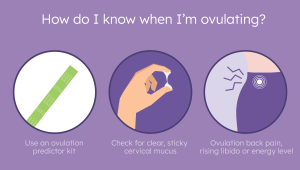
Some women notice a slight dip in basal body temperature and ovulation before a post-ovulation rise. Increased libido, mild pelvic twinges, or heightened senses of smell and taste, driven by estrogen spikes, are also common. Tracking these signs over multiple cycles, using a notebook or the Bellabeat ovulation tracker, reveals patterns for precise ovulation prediction.
Bellabeat Ovulation Tracker
The Bellabeat ovulation tracker, particularly the IVY+ Health Tracker, transforms fertility monitoring with advanced technology. The IVY+ measures skin temperature as a proxy for basal body temperature and ovulation, detecting the post-ovulation temperature rise that confirms egg release. Paired with the Bellabeat app, it creates a personalized ovulation calendar Bellabeat, analyzing ovulation signs and symptoms like temperature, mucus, and mood.
The app’s machine learning adapts to your unique cycle, offering tailored fertile window predictions. Unlike the older Leaf model, which relied on manual inputs, the IVY+ automates temperature tracking, though it’s not a medical device and works best alongside manual methods like mucus observation for maximum accuracy.
How to Know You’re Ovulating
How to know you’re ovulating involves combining physical signs of ovulation with tools like the Bellabeat ovulation tracker or OPKs. Look for cervical mucus ovulation signs—clear, stretchy discharge—and a sustained basal body temperature and ovulation rise of 0.4-1°F after ovulation. About 20% of women experience ovulation pain symptoms, known as mittelschmerz, a one-sided pelvic ache lasting a few hours to a day.
Other signs include breast tenderness, bloating, or increased libido due to estrogen surges. OPKs detect the LH surge 12-36 hours before ovulation, while the ovulation calendar Bellabeat logs symptoms to predict fertile days. Consistent tracking over months ensures accuracy, especially for irregular cycles.
Cervical Mucus Ovulation Signs
Cervical mucus ovulation signs are among the most reliable natural ovulation indicators. As ovulation approaches, estrogen increases mucus production, making it clear, stretchy, and slippery, ideal for sperm transport. To check, insert a clean finger into the vagina and stretch the mucus between your thumb and finger—if it stretches an inch or more, you’re likely fertile.
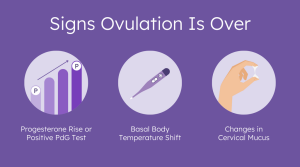
Post-ovulation, mucus becomes thick, cloudy, or disappears, signaling the fertile window’s end. Tracking ovulation with Bellabeat allows you to log these changes in the Period Diary app, which tracks mucus alongside other symptoms to map your cycle. Monitoring over several cycles helps identify your unique mucus patterns, especially useful for irregular periods.
Bellabeat Fertility Awareness
Bellabeat fertility awareness empowers women to connect with their cycles through technology and education. The IVY+ tracker and Period Diary app track ovulation signs and symptoms, including temperature, mucus, and mood, providing personalized insights into fertile windows. The app’s Private Key Encryption ensures data privacy, safeguarding sensitive information.
With over 1,000 wellness articles, Bellabeat offers guidance on nutrition, exercise, and mindfulness tailored to hormonal changes during ovulation, enhancing best time to conceive Bellabeat strategies. Whether planning pregnancy or seeking cycle awareness, Bellabeat’s holistic approach supports women in understanding their reproductive health, making fertility tracking intuitive and empowering.
Basal Body Temperature and Ovulation
Basal body temperature and ovulation are closely linked, as BBT reflects hormonal shifts. Your BBT, taken at rest, averages 97.2-97.6°F before ovulation, dips slightly just before, and rises 0.4-1°F after ovulation due to progesterone. To track, use a digital basal thermometer each morning before getting out of bed, recording readings in a notebook or the Bellabeat ovulation tracker app.
Consistency is key—measure at the same time daily, ideally after at least three hours of sleep. A sustained temperature rise for three days confirms ovulation. Tracking over months reveals patterns, though factors like illness or poor sleep can skew readings, so combine with cervical mucus ovulation signs for accuracy.
Physical Signs of Ovulation
Physical signs of ovulation vary but provide valuable clues. Beyond cervical mucus ovulation signs, some women experience ovulation pain symptoms, a mild, one-sided pelvic ache called mittelschmerz, lasting hours to a day. Breast tenderness or sensitivity, driven by estrogen and progesterone, is common, as is slight bloating or abdominal discomfort. Increased libido, heightened smell or taste sensitivity, and light spotting (from follicle rupture) may also occur.

These ovulation signs and symptoms are subtle and not universal—some women feel nothing—but tracking them with the ovulation calendar Bellabeat helps identify recurring patterns, especially when paired with OPKs or temperature monitoring.
Ovulation Pain Symptoms
Ovulation pain symptoms, known as mittelschmerz, affect about one in five women, manifesting as a sharp or dull ache on one side of the lower abdomen, corresponding to the ovulating ovary. The pain, caused by follicle rupture or fluid irritating the pelvic lining, lasts from minutes to 48 hours. Some women also experience bloating or mild nausea.
While usually harmless, severe or persistent pain warrants a doctor’s visit to rule out conditions like ovarian cysts. Logging ovulation pain symptoms in the Bellabeat ovulation tracker helps track their timing, aiding in predicting ovulation and distinguishing them from other abdominal issues.
Tracking Ovulation with Bellabeat
Tracking ovulation with Bellabeat combines technology with manual observation for a comprehensive approach. The IVY+ tracker monitors skin temperature, a proxy for basal body temperature and ovulation, detecting the post-ovulation rise.
The Period Diary app, a core ovulation calendar Bellabeat tool, lets you log cervical mucus ovulation signs, pain, mood, and other physical signs of ovulation, offering reminders for fertile days and periods. The app’s AI analyzes these inputs to predict ovulation, even for irregular cycles. For best results, complement Bellabeat’s tools with OPKs or manual mucus checks, as the IVY+ isn’t a medical device but a powerful aid for fertility tracking.
Natural Ovulation Indicators
Natural ovulation indicators include cervical mucus ovulation signs, basal body temperature and ovulation shifts, and physical signs of ovulation like mittelschmerz or increased libido. Cervical mucus becomes clear and stretchy near ovulation, while BBT rises post-ovulation. Other signs include light spotting, breast sensitivity, or heightened senses.
Cervical position also changes—during ovulation, it’s high, soft, and open, becoming low and firm afterward. Tracking these signs manually or with the Bellabeat ovulation tracker builds a clear picture of your cycle, helping identify the best time to conceive Bellabeat without relying solely on technology.
Ovulation Signs Before Period
Ovulation signs before period are critical for timing conception, as ovulation typically occurs 12-16 days before menstruation. Cervical mucus ovulation signs peak mid-cycle, becoming stretchy and clear, while ovulation pain symptoms may signal the egg’s release.
A rise in basal body temperature and ovulation confirms ovulation has occurred, visible in the luteal phase before your period. Increased libido or breast tenderness may also appear. The ovulation calendar Bellabeat helps map these signs, predicting ovulation based on past cycles and symptoms, ensuring you know your fertile window even with varying cycle lengths.
Best Time to Conceive Bellabeat
The best time to conceive Bellabeat is the fertile window—five days before ovulation and the day of ovulation—when conception chances peak at 33-41% two to three days prior and 20% on ovulation day. Tracking ovulation with Bellabeat using the IVY+ and Period Diary app identifies this window by monitoring basal body temperature and ovulation, cervical mucus ovulation signs, and LH surges via OPKs.
Timing intercourse during these days maximizes pregnancy chances. Bellabeat’s personalized insights, based on your cycle data, help pinpoint these days, even for irregular cycles, making conception planning precise and stress-free.
Ovulation Signs and Symptoms
Ovulation signs and symptoms include both physical and hormonal changes. Cervical mucus ovulation signs—clear, stretchy discharge—are a primary indicator, alongside a basal body temperature and ovulation rise post-ovulation.
Ovulation pain symptoms affect some women, while others notice increased libido, breast tenderness, bloating, or light spotting. Heightened senses, like smell or taste sensitivity, may occur due to estrogen spikes. The Bellabeat ovulation tracker logs these symptoms, helping you recognize patterns. Not all women experience every sign, but consistent tracking with tools like the ovulation calendar Bellabeat ensures you catch subtle cues over time.
Ovulation Calendar Bellabeat
The ovulation calendar Bellabeat, integrated into the Period Diary app, is a powerful tool for fertility tracking. It predicts ovulation based on logged symptoms, cycle length, and basal body temperature and ovulation data from the IVY+ tracker. Users input cervical mucus ovulation signs, ovulation pain symptoms, and other physical signs of ovulation, receiving tailored fertile window predictions.
The app sends reminders for fertile days and periods, ensuring you stay proactive. Its AI adapts to irregular cycles, making it versatile for all users. Regular logging over months enhances accuracy, helping you plan conception or monitor reproductive health effectively.
Hormonal Changes During Ovulation
Hormonal changes during ovulation drive the cycle’s fertility peak. Estrogen rises in the follicular phase, triggering cervical mucus ovulation signs and softening the cervix. The LH surge, detectable by OPKs, prompts egg release within 12-36 hours.
Post-ovulation, progesterone dominates, raising basal body temperature and ovulation and thickening cervical mucus to close the fertile window. These shifts cause physical signs of ovulation like mittelschmerz or breast tenderness. Tracking ovulation with Bellabeat captures these changes, with the IVY+ monitoring temperature and the app analyzing hormonal patterns, offering a clear view of your cycle’s dynamics.
FAQs
What are the most reliable ovulation signs and symptoms?
Cervical mucus ovulation signs (clear, stretchy discharge) and basal body temperature and ovulation rises are the most reliable, alongside OPKs detecting LH surges.
How does the Bellabeat ovulation tracker work?
The IVY+ tracks skin temperature as a proxy for basal body temperature and ovulation, while the Period Diary app logs cervical mucus ovulation signs and symptoms for personalized fertile window predictions.
Can ovulation pain symptoms confirm ovulation?
Ovulation pain symptoms, or mittelschmerz, indicate ovulation in some women but aren’t universal. Combining with cervical mucus ovulation signs and BBT tracking ensures accuracy.
When is the best time to conceive Bellabeat?
The best time to conceive Bellabeat is two to three days before ovulation and ovulation day, when conception chances peak at 33-41%, tracked via the IVY+ and Period Diary app.
How do hormonal changes during ovulation affect the body?
Estrogen triggers cervical mucus ovulation signs and LH surges cause egg release, while progesterone raises basal body temperature and ovulation post-ovulation, affecting mood and energy.
Are early signs of ovulation easy to spot?
Early signs of ovulation like stretchy cervical mucus and increased libido are noticeable with practice but require consistent tracking, aided by the Bellabeat ovulation tracker.
How does the ovulation calendar Bellabeat help with irregular cycles?
The ovulation calendar Bellabeat uses AI to analyze ovulation signs and symptoms and past cycle data, adapting to irregular cycles for accurate fertile window predictions.
Conclusion Ovulation signs Bellabeat.com
Ovulation signs Bellabeat.com equips women with tools and knowledge to master their fertility. By tracking cervical mucus ovulation signs, basal body temperature and ovulation, and physical signs of ovulation, you can pinpoint your fertile window with confidence. The Bellabeat ovulation tracker and ovulation calendar Bellabeat simplify this process, offering personalized insights through the IVY+ and Period Diary app.
Whether you’re aiming for the best time to conceive Bellabeat or seeking Bellabeat fertility awareness, understanding ovulation signs and symptoms empowers you to take control of your reproductive health, fostering a deeper connection to your body’s natural rhythms.