A Practical Guide To Better Home And Studio Workouts With Pilates Reformers
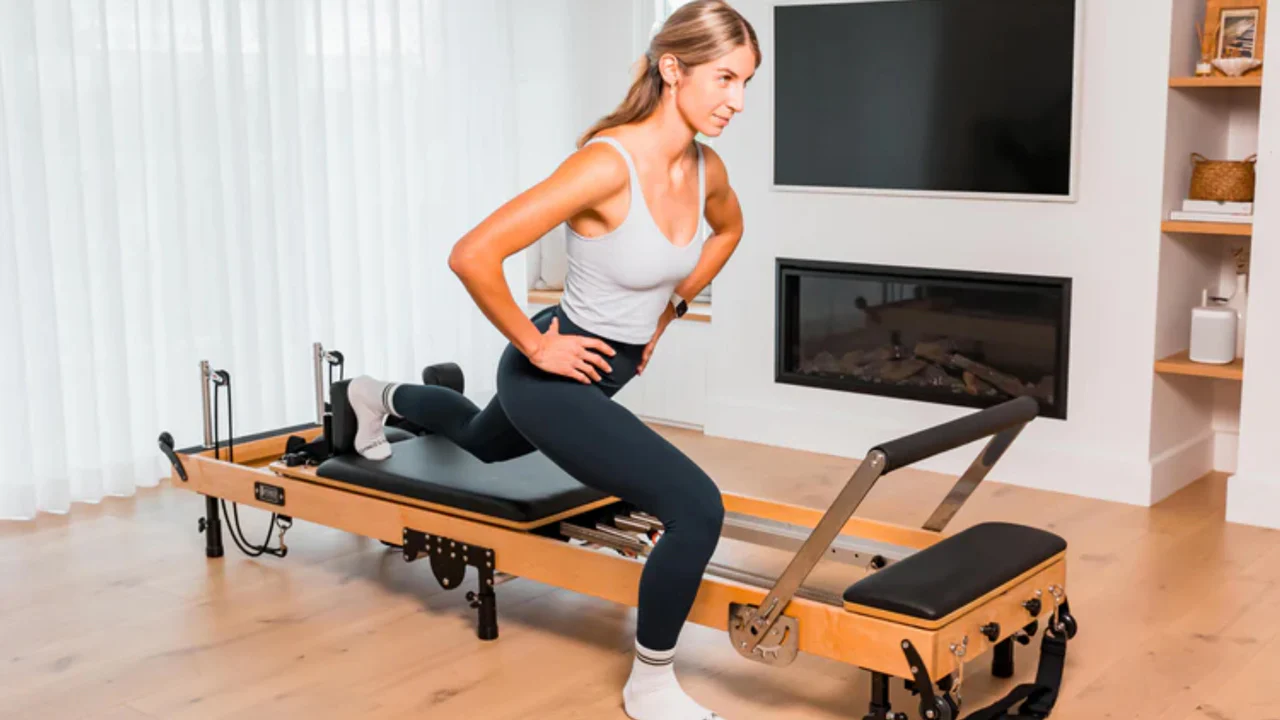
A pilates reformer provides a structured way to develop strength, mobility, balance and controlled movement through adjustable spring resistance. Unlike a conventional weight machine, it uses a moving carriage, straps, pulleys, springs and a footbar to support a broad variety of exercises. This combination allows a pilates reformer to be used by beginners learning fundamental movements, experienced users seeking progressive resistance and fitness professionals delivering varied sessions. Exercises can target the legs, arms, shoulders, back and abdominal muscles while encouraging deliberate movement and consistent body positioning. Interest in reformer-based exercise has grown because it can challenge the entire body without depending on repetitive, high-impact movements. Choosing the right machine, however, requires more than comparing prices or selecting the most attractive frame.
What Is A Pilates Reformer?
A pilates reformer is a bed-shaped exercise apparatus built around a padded carriage that travels along rails. Springs connect the carriage to the frame and create resistance as the user pushes or pulls. A footbar, ropes, straps, shoulder rests and headrest help position the body during different exercises. The equipment was designed to support the principles of Pilates through coordinated movement, breathing, postural control and concentration. Spring resistance behaves differently from conventional weights because the level of support and challenge can change throughout an exercise. The moving carriage also introduces an element of instability. Users must control both their bodies and the machine instead of simply moving a fixed load from one position to another. Many current machines include multiple spring strengths, adjustable footbars, multi-position headrests and carriage stoppers. More advanced models may provide wider platforms, elevated frames, silent wheel systems, adjustable ropes and accessories that substantially increase the available exercise range.
How A Pilates Reformer Supports Full-Body Exercise
The versatility of a pilates reformer comes from the number of positions in which it can be used. Exercises may be completed while lying down, sitting, kneeling, standing or supported by an accessory such as a sitting box. Resistance can be increased for strength-focused exercises or reduced when the objective is control, coordination and mobility. Lower resistance is not necessarily easier, as lighter springs may provide less carriage support and demand greater stability from the user.
Core Strength And Stability
Many exercises require the trunk to remain controlled while the arms or legs move independently. This can train the abdominal muscles, pelvic control and spinal stabilisers as part of a coordinated movement pattern. The pilates reformer can therefore challenge the core without relying exclusively on conventional abdominal exercises. Footwork, planks, kneeling arm exercises and exercises performed with the feet in straps may all require sustained trunk control.
Mobility And Flexibility
Controlled carriage movement can help users explore movement through the hips, shoulders and spine. The straps and spring system provide assistance in some positions while adding resistance in others. A pilates reformer may be used for exercises that combine strength and mobility rather than treating them as completely separate goals. Regular practice can help users become more comfortable moving through an appropriate range while maintaining control.
Low-Impact Resistance Training
The carriage glides along the machine rather than requiring repeated contact with a hard surface. Spring combinations can also be changed to suit the exercise, the user’s ability and the intended training outcome. These features make the pilates reformer suitable for many people who want resistance-based exercise without extensive jumping or heavy impact. Anyone managing an injury, medical condition or significant movement restriction should obtain individual guidance from an appropriate health professional.
Balance and Body Awareness
Standing and kneeling exercises demand concentration because the carriage can move beneath the body. Correctly selected exercises encourage awareness of posture, weight distribution and the relationship between the ribs, pelvis and limbs. This creates a form of exercise that combines strength with precision. Progress is not measured only by the number of repetitions completed, but also by how smoothly and accurately each movement is performed.
Choosing The Right Pilates Reformer
Selecting a pilates reformer should begin with its intended use. Someone exercising several times a week at home may have different requirements from a commercial studio serving multiple clients each day. Space, user height, weight capacity, storage requirements and preferred exercises should all influence the decision. Buyers should also consider whether replacement springs, ropes, wheels and other parts will remain available. A carefully selected pilates reformer should provide a stable frame, smooth carriage movement and sufficient adjustability for the intended users. Appearance may influence how the equipment fits into a home or studio, but safety, function and fit should remain the priorities.
Frame Material And Stability
Timber, steel and aluminium frames are widely available. Quality timber can provide a substantial studio-style appearance, while aluminium can deliver structural strength with a contemporary finish. Steel is also frequently used for durable home machines. The frame material alone does not determine quality. Rigidity, connection points, construction methods and the total machine weight can all influence stability. A heavier pilates reformer may feel more secure during dynamic exercises, but it will also be more difficult to relocate. Buyers who expect to move the equipment should check for transport wheels, folding systems or approved upright-storage features.
Carriage And Wheel Quality
The carriage should travel consistently without sticking, shaking or producing excessive noise. Multi-wheel carriage systems are common because they can distribute weight across the track and support smoother movement. Padding should provide sufficient comfort during lying, kneeling and seated exercises without feeling excessively soft. Upholstery should also be durable and easy to clean. Carriage width and travel distance can affect comfort. Taller users may require a longer track, while some users may prefer a wider platform. Product dimensions should always be checked rather than estimated from photographs.
Springs And Resistance Levels
Springs determine much of the machine’s training range. Many models provide colour-coded springs with light, medium and heavy resistance. A useful resistance system should allow gradual changes. Users should not be forced to choose between a setting that provides almost no challenge and one that is too difficult to control. The number of springs does not automatically identify the best pilates reformer. Spring quality, attachment security, replacement availability and compatibility with the carriage are equally important. Commercial studios should consider how the springs will perform under frequent use. Manufacturers may provide specific inspection, rotation and replacement recommendations that should be incorporated into routine maintenance.
Footbar, Headrest And Shoulder Supports
An adjustable footbar can help accommodate different exercises, body proportions and movement ranges. Multiple positions are useful for footwork, bridging, planks and exercises involving upper-body support. The locking system should feel secure and be simple to check before exercise begins. A loose or incorrectly positioned footbar may interfere with technique and create an avoidable safety risk. Headrests commonly provide several positions, while removable or adjustable shoulder rests can help different users establish a stable starting position. Professional instruction can help beginners understand when the headrest should be raised, lowered or kept flat.
Space Requirements For A Home Pilates Reformer
A full-sized pilates reformer is a substantial piece of equipment. Many machines are approximately 2.3 to 2.5 metres long and between 60 and 70 centimetres wide, although the measurements vary between models. Additional space is needed for getting on and off the machine, using the straps and completing side-facing exercises. The intended room should be measured before ordering. Doorways, hallways, stairs and the delivery path should also be considered. A machine that fits comfortably in a room may still be difficult to move around a narrow corner or through a small entrance. Foldable and vertically stored models can reduce the permanent footprint. Pilates World distinguishes between robust studio machines, compact home models and lighter portable equipment, noting that portability may involve compromises in stability or adjustability. Buyers should only store a pilates reformer vertically when the manufacturer specifically approves that method. Merrithew, for example, offers equipment with a purpose-designed vertical stand, demonstrating why manufacturer instructions should be followed instead of creating an improvised storage arrangement.
Accessories That Expand Exercise Variety
Accessories can substantially increase the number of exercises available. A sitting box supports seated, prone and side-lying exercises. It may also provide a stable surface for exercises involving the straps. A jumpboard creates a larger pushing platform and can be used for controlled, low-impact jumping movements. Platform extenders, Pilates rings, balls, poles and small hand weights may provide further options. Several manufacturers bundle accessories with their equipment. AlphaGo Fitness, for example, lists a sitting box, jumpboard, platform extender, straps, ropes and several resistance springs with its PL-500 machine. Other suppliers provide similar packages containing boxes, jumpboards and smaller training props. The total package should be compared instead of looking only at the machine’s initial price. A cheaper pilates reformer may become less economical when essential accessories must be purchased separately. Compatibility should also be confirmed. Boxes, jumpboards and replacement components are not necessarily interchangeable between brands or models.
Home Models Versus Commercial Machines
A home pilates reformer is usually designed for personal exercise, practical placement and easier storage. It may have transport wheels, folding legs or a lighter frame. Commercial machines are expected to tolerate repeated sessions, frequent adjustments and users with different body dimensions. They commonly provide robust frames, durable upholstery and a broader range of settings. Merrithew distinguishes between its home and professional-style equipment through factors such as carriage width, frame height, rope systems and compatibility with additional structures. These distinctions demonstrate why commercial equipment may cost more even when two machines appear similar in photographs. Home users do not automatically need the largest commercial model. A stable pilates reformer that fits the available room and supports the desired exercises is more valuable than an advanced machine that dominates the space or rarely gets used.
Safety And Maintenance
Correct setup is essential before every session. Springs should be attached securely, the footbar should be locked, the ropes should be even and the carriage track should remain clear. Springs, straps, clips, wheels, upholstery and adjustment points should be inspected regularly. Damaged components should not continue to be used simply because the machine still appears operational. Beginners can benefit from professional instruction because resistance selection and body positioning may be difficult to judge alone. Online classes can provide a useful structure, but users still need to understand the machine’s controls and their own physical limitations. Movement should remain deliberate and controlled. Pain should not be treated as a normal indication that the exercise is working. Maintenance requirements vary between manufacturers. Owners should follow the supplied instructions for cleaning, spring inspection, wheel maintenance and replacement intervals. Warranty terms should also be reviewed before purchase. Some companies provide separate coverage periods for the frame, upholstery and moving parts rather than applying one warranty to the entire pilates reformer.
Making The Investment Worthwhile
The best pilates reformer is the one that will be used consistently. Before making a purchase, decide where the equipment will remain, how frequently training will occur and what form of instruction will support the routine. Easy access can be more important than perfect storage. Equipment that must be unpacked, moved and reconstructed before every session may become inconvenient over time. A realistic weekly schedule can make the investment more valuable. Beginners can start with shorter foundational sessions before progressing to longer or more technically demanding programs. Progress can come from better control, increased range, more advanced coordination or different spring combinations. Constantly increasing resistance is not the only way to improve. A well-chosen pilates reformer can provide years of varied exercise when it suits the user, the available room and the intended training program.
Frequently Asked Questions
What does a pilates reformer do? It uses a moving carriage and adjustable springs to support strength, mobility, balance, coordination and controlled full-body exercise.
Is a pilates reformer suitable for beginners? Yes, provided the machine is adjusted correctly and the beginner follows suitable instruction and exercise progressions.
How much space is required? Allow enough room for the complete machine as well as clear space for mounting, straps, accessories and side-facing movements.
Are more springs always better? No, spring quality, resistance range, attachment security and replacement availability are more important than the number of springs alone.
Can reformer Pilates replace weight training? It can provide considerable resistance training, but whether it replaces other exercise depends on the individual’s strength, health and performance goals.
What accessories are most useful? A sitting box and jumpboard usually produce the greatest increase in exercise variety, while rings, balls and hand weights provide additional options.
Can every machine be folded or stored upright? No, the pilates reformer should only be folded or stored vertically when the manufacturer specifically confirms that it is designed for that purpose.
How often should the equipment be inspected? Springs, straps, clips, wheels, upholstery and adjustment points should be checked regularly in accordance with the manufacturer’s maintenance instructions.