Batter vs Pitcher Stats – The Complete Guide to BvP Data, Tools & Strategy 2026
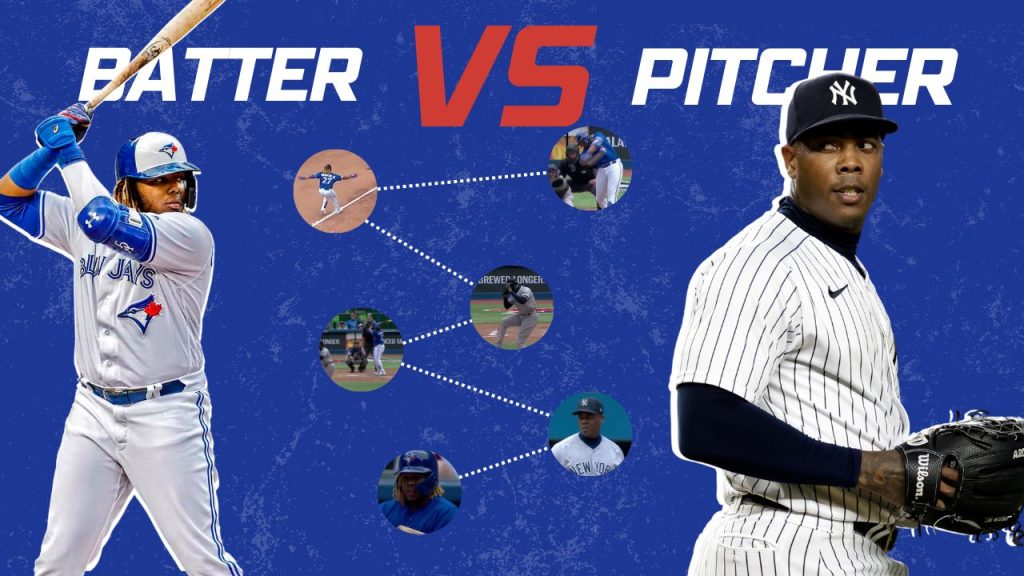
Batter vs pitcher stats, commonly known as BvP, are one of the most talked-about and debated metrics in all of baseball analytics. These head-to-head matchup numbers show exactly how a specific hitter has performed over his career against a specific pitcher.
Whether you are a casual MLB fan trying to understand the game better, a serious fantasy baseball player building daily lineups, or a DFS competitor on FanDuel or DraftKings, understanding batter vs pitcher stats is essential.
This guide covers everything you need to know about BvP, from what the numbers mean and where to find them, to how to use them correctly and avoid the most common mistakes in 2026.
Quick Facts Table
| Detail | Information |
|---|---|
| Full Term | Batter vs Pitcher Stats |
| Common Abbreviation | BvP |
| Sport | Major League Baseball (MLB) |
| Data Type | Historical head-to-head matchup statistic |
| Primary Use | Fantasy baseball lineup decisions, DFS research, scouting |
| Key Metrics Tracked | AVG, OBP, SLG, OPS, PA, AB, H, HR, RBI, K, BB, wOBA |
| Minimum Useful Sample Size | 15 to 20+ plate appearances |
| Best Data Sample | 50+ plate appearances for reliable predictive value |
| Top Data Sources (2026) | Baseball-Reference, Baseball Savant, RotoWire, RotoBaller, ESPN, FanGraphs |
| Related Tools | Stathead Versus Finder, Baseball Savant Player Matchup, RotoWire BvP Table |
| DFS Platforms That Use BvP | FanDuel, DraftKings, Yahoo DFS |
| Sabermetrics Viewpoint | BvP is descriptive, not reliably predictive at small sample sizes |
| Handedness Factor | Left vs right matchups significantly impact BvP outcomes |
| Ballpark Factor | BvP success can be park-specific and skew the data |
| Updated Frequency | Daily during MLB season (as of March 2026) |
What Are Batter vs Pitcher Stats?
Batter vs pitcher stats are a record of every plate appearance a specific hitter has ever had against a specific pitcher throughout their MLB careers. The data shows the outcomes of those matchups expressed as traditional and advanced statistics.
For example, if Aaron Judge has batted 45 times against a particular left-handed starter, the batter vs pitcher stats would show his batting average, home runs, strikeouts, walks, OPS, and more in those exact 45 at-bats.
This data is updated throughout every MLB season and is used by fans, broadcasters, analysts, fantasy players, DFS competitors, and actual MLB front offices when making in-game decisions.
Why Batter vs Pitcher Stats Matter in Baseball
Batter vs pitcher stats matter because baseball is fundamentally a one-on-one confrontation. At its core, every pitch is a direct matchup between one hitter and one pitcher with no teammates involved in that instant.
These individual matchup numbers give a historical snapshot of how that specific duel has played out over time. Managers study them before making lineup decisions, and broadcasters reference them constantly during game broadcasts.
For fantasy baseball and DFS players, batter vs pitcher stats have become a daily research ritual. They help identify high-upside matchups to target and unfavorable matchups to avoid when building a lineup.
Key Statistics in BvP Data
When you pull up batter vs pitcher stats on any major data platform, you will encounter a range of metrics. Understanding what each one means is essential for using the data effectively.
Plate Appearances (PA) is the total number of times the batter stepped up to the plate against this specific pitcher. This number is the most important factor when evaluating the reliability of BvP data.
Batting Average (AVG) shows how frequently the batter got a hit per at-bat. A .300 average sounds impressive but means almost nothing across only 10 at-bats due to random variance.
On-Base Percentage (OBP) measures how often the batter reached base via a hit, walk, or hit by pitch. This is generally more valuable than batting average alone.
Slugging Percentage (SLG) captures the power dimension of the matchup, showing the total bases earned per at-bat. A high slugging percentage indicates the batter has hit for extra bases against this pitcher.
OPS (On-base Plus Slugging) combines OBP and SLG into a single number and is one of the fastest ways to assess overall offensive production in a BvP matchup.
wOBA (Weighted On-Base Average) is a more advanced metric that assigns different weights to each offensive outcome based on actual run-scoring value. Many analysts prefer wOBA over OPS as a BvP indicator.
Strikeouts (K) and Walks (BB) reveal the nature of the matchup. High strikeout numbers suggest the pitcher has a swing-and-miss pitch the batter struggles with. High walk numbers suggest the batter has strong plate discipline against this pitcher.
Home Runs (HR) in a BvP context are a notable signal, especially if a batter has multiple home runs against a pitcher across a reasonable sample. Power hitters who have repeatedly gone deep against a starter are worth noting.
The Sample Size Problem with BvP Stats
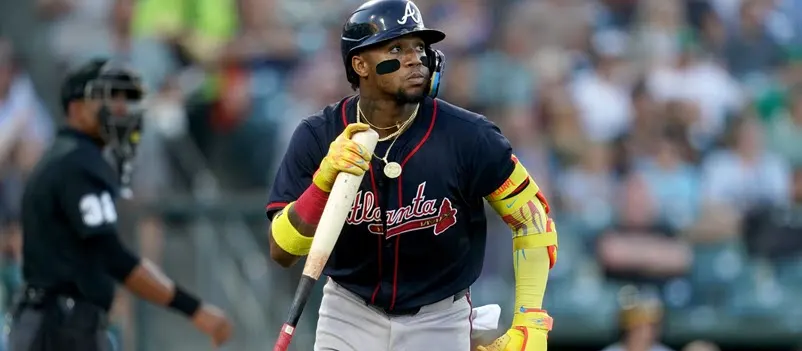
The biggest and most important debate in batter vs pitcher stats is the issue of sample size. This is the central argument that sabermetricians and analytics-driven analysts raise when discussing BvP.
A batter who has gone 4-for-10 against a pitcher carries a .400 batting average in that matchup. But 10 at-bats is so small a sample that the .400 figure tells us almost nothing about true ability and almost everything about luck.
Most research suggests that you need at minimum 15 to 20 plate appearances before batter vs pitcher stats start to carry any informational weight at all. Even then, the data is still fragile.
What Sample Size Is Actually Reliable?
The widely cited benchmark from sabermetric research, including the influential book The Book by Tom Tango, is that BvP data with fewer than 50 plate appearances is not statistically significant for predictive purposes.
This means that the vast majority of batter vs pitcher matchup combinations in any given MLB season do not have enough history to be reliably predictive of future results.
When you do find a matchup with 50 or more career plate appearances, you are in much stronger territory. At 100-plus plate appearances, the data becomes genuinely informative and worth factoring into lineup decisions.
Stale Data Problem
Even when sample sizes are large, batter vs pitcher stats can suffer from outdated data. A hitter who hit a pitcher extremely well five years ago may be facing a completely different version of that pitcher today.
Pitchers change their pitch mix over time. They add new pitches, lose velocity, or alter their approach based on injury or evolution. A batter’s historical edge may no longer reflect current reality.
Always check when the bulk of the BvP production occurred. If 80 percent of the hits came during a three-season window that ended six years ago, the data should carry far less weight in your current analysis.
Where to Find the Best Batter vs Pitcher Stats in 2026
There are several top-tier platforms where you can access reliable and up-to-date batter vs pitcher stats throughout the 2026 MLB season.
Baseball-Reference is the gold standard for historical BvP data. Their Versus Finder tool through Stathead allows you to look up complete career head-to-head data between any batter and pitcher combination going back decades.
Baseball Savant powered by Statcast and Google Cloud offers a Player Matchup tool that includes advanced metrics like exit velocity, launch angle, and barrel rate within specific BvP matchups, going well beyond traditional stats.
RotoWire maintains an updated batter vs pitcher stats table refreshed daily throughout the MLB season. Their layout is clean, sortable, and specifically designed for fantasy baseball and DFS research purposes.
RotoBaller offers a dedicated BvP daily matchups cheat sheet that combines historical BvP data with weather factors, ballpark data, and DFS pricing from FanDuel and DraftKings in a single view.
ESPN provides individual pitcher pages with full batter vs pitching stat tables listing how each hitter in the league has performed against that specific pitcher. Their pages for players like Max Fried and Zack Wheeler are frequently referenced by fantasy players.
FanGraphs offers advanced split data that lets you break down batter vs pitcher performance by pitch type, handedness, count, and location, giving the most granular analysis available to the public.
FantasyInfoCentral features Ownage Charts that visualise seasonal trends in BvP matchups using OPS trend lines, making it easy to see whether a batter is trending toward or away from dominance over a specific pitcher.
How to Use Batter vs Pitcher Stats for Fantasy Baseball
For fantasy baseball, batter vs pitcher stats are most useful when treated as one piece of a larger research puzzle rather than the single deciding factor in a lineup decision.
The best approach is to identify players whose BvP numbers are backed up by other supporting data. If a hitter has strong BvP numbers and also performs well against similar pitcher types in general, that is a much more compelling case.
Look for sample sizes of at least 20 plate appearances before taking any BvP data seriously. Anything below that threshold should be noted but treated with heavy skepticism.
Using BvP in Daily Fantasy Sports (DFS)
In DFS on platforms like FanDuel and DraftKings, batter vs pitcher stats are especially popular because every game comes with fresh starting pitcher matchups to research.
The smart DFS approach is to use BvP as a secondary confirming factor. Start with overall pitcher quality, recent form, park factors, and weather. Then use BvP as a potential tiebreaker between similar options.
One underused but smart tactic involves looking at BvP ownership levels. If a high-profile BvP matchup is widely known, it may drive up ownership of a particular player on a given slate, reducing its differentiation value in tournaments.
Lefty-Righty Splits and BvP
Handedness is one of the most important factors in batter vs pitcher stats. Left-handed batters historically perform better against right-handed pitchers, and right-handed batters generally hit left-handed pitchers more effectively.
When evaluating a BvP matchup, always note whether the batter is facing a same-handed or opposite-handed pitcher. A right-handed batter with good BvP numbers against a left-handed starter has a doubly favorable edge.
Platforms like FanGraphs allow you to filter BvP splits specifically by pitcher handedness, giving you a cleaner apples-to-apples comparison for your research.

CHICAGO, IL – APRIL 22: on April 22, 2015 at U. S. Cellular Field in Chicago, Illinois. (Photo by David Banks/Getty Images) *** Local Caption ***
Park Factors and Their Impact on BvP Stats
Ballpark dimensions and environmental conditions play a significant role in shaping batter vs pitcher stats. Certain matchups may show strong BvP numbers that are actually park-specific.
If most of a batter’s hits against a particular pitcher occurred during home games at Coors Field in Colorado or Great American Ball Park in Cincinnati, two of MLB’s most hitter-friendly venues, the numbers may be inflated by park context.
Always cross-reference BvP data with home and road splits to determine whether the historical success is spread evenly or concentrated in specific ballparks. This extra step can reveal misleading BvP data before it costs you a lineup spot.
Advanced BvP Concepts: Pitch Type and Statcast Data
Modern batter vs pitcher stats go far beyond batting average and home runs. Statcast data available on Baseball Savant allows analysts to study matchups at the pitch-type level.
For example, you can see how a specific batter performs against sliders compared to fastballs from a given pitcher. If a batter has a major weakness against breaking balls and the pitcher in question throws a slider 40 percent of the time, that is meaningful context.
Exit velocity and launch angle within BvP matchups are also available on Baseball Savant. These metrics can reveal whether past BvP success or failure is likely to continue, or whether it was driven by batted ball luck.
xBA and Expected Stats in BvP Matchups
Expected batting average, or xBA, uses launch angle and exit velocity to calculate what a batter’s average should be based on the quality of contact rather than actual results. When xBA is much higher than actual AVG in a BvP matchup, the batter may have been unlucky and could be due for positive regression.
Conversely, if a batter’s actual BvP average is much higher than expected stats suggest it should be, the numbers may reflect luck more than skill and the hitter could be due for regression.
Using expected stats alongside traditional batter vs pitcher stats is one of the most effective ways to separate signal from noise in BvP analysis in 2026.
The Pro-BvP Argument
Despite the statistical concerns, there is a legitimate case for using batter vs pitcher stats as part of a comprehensive research framework. Some analysts and former players argue strongly for their relevance.
The human element of baseball includes psychological and physical familiarity that numbers can capture over time. If a hitter has consistently squared up a pitcher over 60 career plate appearances, there may be a real stylistic reason why that matchup favors the hitter.
Release points, arm slots, pitch timing, and deception levels are all physical variables that individual batters process differently. BvP data, when the sample is large enough, may be capturing these real physical advantages rather than just random outcomes.
The Anti-BvP Argument
The strongest argument against relying on batter vs pitcher stats is that the data is overwhelmingly descriptive rather than predictive. It tells you what happened but not reliably what will happen next.
The sabermetric community, drawing on research in The Book and subsequent studies, has shown that BvP data with small sample sizes performs no better than simply using a batter’s overall season average when predicting future at-bat outcomes.
The practical conclusion most analysts reach is that BvP is worth knowing and monitoring, but should never be the primary reason to start or bench a player. It works best as confirmation of other supporting evidence.
How MLB Teams Use Batter vs Pitcher Data
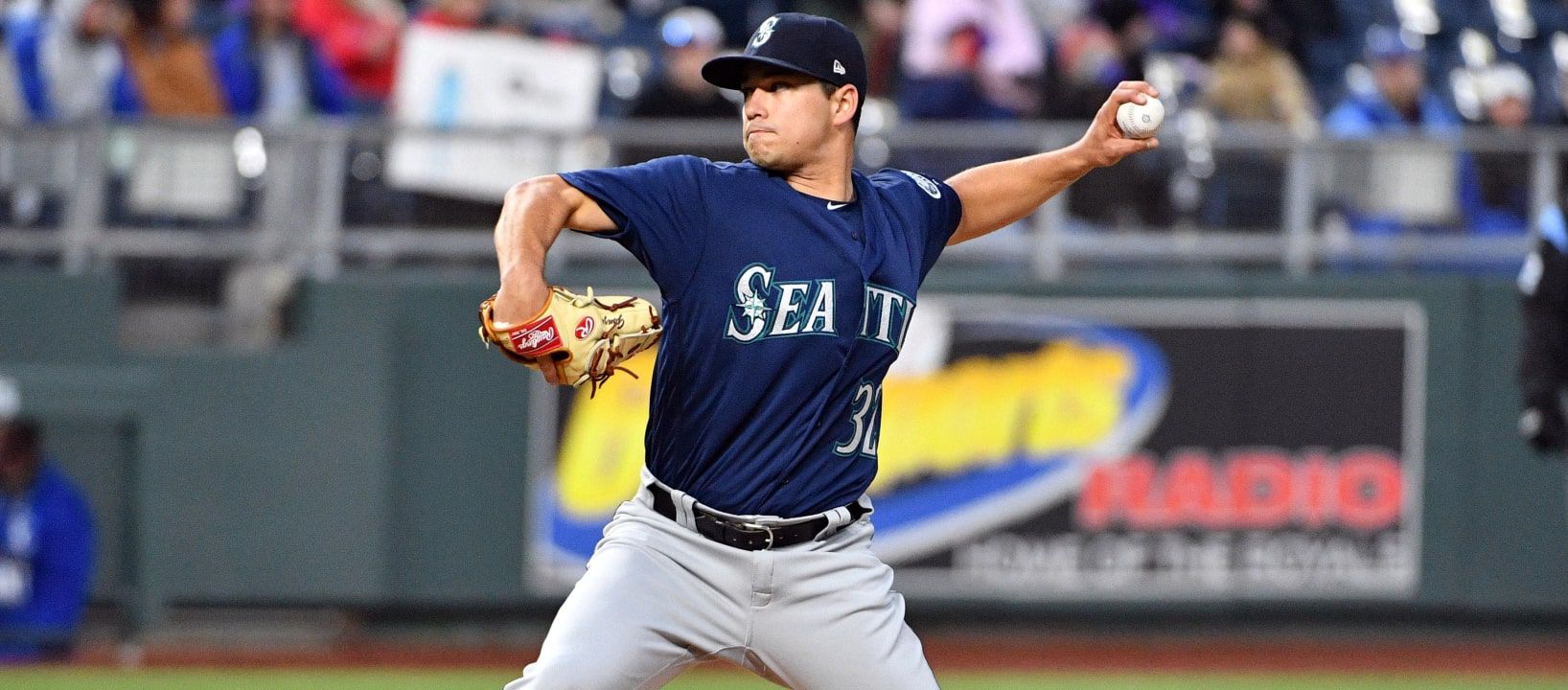
At the professional level, batter vs pitcher stats are part of much larger proprietary databases that go far beyond what is publicly available. MLB teams use Statcast data combined with video analysis to study matchup tendencies at a granular level.
Managers reference BvP data when deciding whether to bring in a left-handed or right-handed reliever against a specific hitter late in a close game. Pinch-hit decisions are frequently influenced by career matchup history.
Pitching coaches use BvP spray charts to identify a batter’s tendencies against specific pitch types from a given pitcher. This informs pitch sequencing and location strategy for upcoming starts.
Batter vs Pitcher Stats Glossary
Understanding the full terminology behind batter vs pitcher stats makes you a more effective analyst and fantasy player. Here is a complete glossary of key terms.
PA (Plate Appearances): Every time a batter completes a turn at bat, including walks, hit by pitches, and sacrifice flies, not just official at-bats.
AB (At-Bats): Official at-bats that exclude walks, hit by pitches, and sacrifice plays. Used for calculating batting average.
AVG (Batting Average): Hits divided by at-bats. Simple but limited as a standalone BvP metric.
OBP (On-Base Percentage): Times on base divided by plate appearances. More complete picture than AVG alone.
SLG (Slugging Percentage): Total bases divided by at-bats. Captures power output in the matchup.
OPS (On-Base Plus Slugging): OBP plus SLG combined. Quick benchmark for overall offensive value in the matchup.
wOBA (Weighted On-Base Average): Advanced metric weighting each outcome by its true run value. More accurate than OPS for comparing across matchups.
ISO (Isolated Power): SLG minus AVG. Shows raw power production independent of contact rate.
K% (Strikeout Rate): Percentage of plate appearances ending in a strikeout. High K% in BvP suggests a swing-and-miss advantage for the pitcher.
BB% (Walk Rate): Percentage of plate appearances ending in a walk. High BB% suggests the batter is patient and the pitcher struggles to throw strikes against him.
xBA (Expected Batting Average): Statcast metric predicting what batting average should be based on exit velocity and launch angle rather than actual results.
BABIP (Batting Average on Balls in Play): Shows how often balls in play turned into hits, helping identify lucky or unlucky BvP results.
Common Mistakes When Using Batter vs Pitcher Stats
The most common mistake fantasy players make with batter vs pitcher stats is treating a small sample BvP number as reliable data when it is actually just statistical noise.
Seeing a batter who is 5-for-7 against a pitcher and automatically inserting him into a lineup without checking when those 7 at-bats occurred is a recipe for poor decisions over the course of a full season.
Another major error is ignoring the current form of both players. A batter with strong historical BvP numbers who is currently in a prolonged slump should not be started solely on the basis of ancient head-to-head success.
Ignoring Pitcher Changes
Pitchers are not static. A starter who was tagged for extra-base hits in 2021 may have added a sweeper or cutter that makes him a completely different pitcher to face in 2026.
Always check whether a pitcher has significantly changed his pitch mix or velocity trends since the bulk of a batter’s BvP success. Baseball Savant’s pitch arsenal data makes this check straightforward and quick.
Treating batter vs pitcher stats as timeless when the reality is that players change significantly from year to year is one of the most costly errors in fantasy baseball research.
Best Tools and Platforms for BvP Research in 2026
The landscape of batter vs pitcher stats tools has expanded significantly heading into the 2026 MLB season. Here are the best options available to researchers and fantasy players right now.
Stathead Versus Finder from Baseball-Reference is the most comprehensive historical BvP lookup tool available. It covers data going back over a century and allows full custom queries across any batter-pitcher combination.
Baseball Savant Player Matchup tool integrates Statcast data directly into BvP searches, allowing you to add exit velocity, barrel rate, and expected stat layers to any head-to-head query.
RotoWire BvP Table is the best daily tool for active fantasy baseball players. It is sortable, updated daily, and presents data in a format optimised for quick lineup research.
RotoBaller BvP Cheat Sheet combines BvP matchup data with weather conditions, park factors, and DFS salary data from FanDuel and DraftKings, making it the most all-in-one BvP tool on the market.
FanGraphs Splits allow the deepest level of BvP customisation, letting you filter by date range, handedness, pitch type, and count-specific situations for the most advanced analysis available publicly.
Frequently Asked Questions
What are batter vs pitcher stats?
Batter vs pitcher stats show a hitter’s historical performance against a specific pitcher, including batting average, OPS, home runs, and strikeouts. They are used in fantasy baseball, DFS research, and MLB broadcast analysis.
How reliable are batter vs pitcher stats?
BvP stats become more reliable with larger sample sizes. Below 15 plate appearances the data is mostly noise, while 50 or more plate appearances starts to carry genuine predictive weight according to sabermetric research.
Where can I find batter vs pitcher stats for free?
The best free sources for batter vs pitcher stats are Baseball-Reference, ESPN’s batter vs pitching player pages, RotoWire’s daily BvP table, and Baseball Savant’s Player Matchup tool, all updated throughout the 2026 MLB season.
What sample size makes BvP stats useful?
Most analysts recommend at least 15 to 20 plate appearances before BvP data means anything at all. For genuinely reliable predictive value, look for 50 or more career plate appearances in the matchup.
What does BvP stand for in baseball?
BvP stands for Batter vs Pitcher. It is the abbreviation used across fantasy baseball platforms, DFS sites, and analytics communities to describe head-to-head historical matchup statistics.
Should I use BvP stats for DFS lineup building?
Yes, but only as a secondary confirming factor. Start with overall player quality, recent form, park factors, and pitcher matchup quality. Use BvP as a tiebreaker rather than the primary selection driver.
What stats are included in batter vs pitcher data?
Standard batter vs pitcher stats include plate appearances, at-bats, batting average, OBP, slugging, OPS, home runs, RBI, strikeouts, and walks. Advanced platforms also include wOBA, xBA, exit velocity, and barrel rate.
Do lefty-righty matchups affect BvP stats?
Yes, significantly. Handedness is one of the strongest factors in batter vs pitcher outcomes. Left-handed batters typically perform better against right-handed pitchers and vice versa, which is why platoon splits are always considered alongside BvP data.
How often are batter vs pitcher stats updated in 2026?
On major platforms like RotoWire and RotoBaller, batter vs pitcher stats are updated daily throughout the MLB season. Baseball Savant and Baseball-Reference update game data within hours of each game’s conclusion.
What is the difference between BvP and pitcher splits?
BvP refers to a specific batter-vs-specific-pitcher historical record. Pitcher splits refer to how a pitcher performs against broader batter categories, such as left-handed hitters as a group or batters in specific count situations, rather than individual matchup history.
Conclusion
Batter vs pitcher stats are one of the most fascinating and frequently misused metrics in all of baseball. Used correctly with adequate sample sizes, fresh data, and supporting context from advanced metrics, BvP data is a genuinely useful tool for fantasy baseball players, DFS competitors, and anyone who wants to go deeper than surface-level game analysis.
The key is always to treat batter vs pitcher stats as part of a complete research stack rather than a standalone decision-maker. In 2026, with Statcast-enhanced BvP tools available for free on platforms like Baseball Savant and Baseball-Reference, there has never been a better time to master this endlessly debated but undeniably interesting corner of baseball analytics.