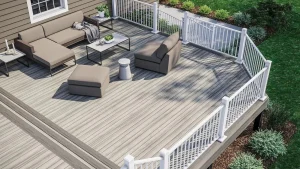

Best Colors to Choose for a Composite Deck

When we plan for a new deck, the structure and materials is just one part of the project, the second part is the colors we choose for our deck and railings. The color is important because we want it to look beautiful and to bland with our home design and when choose to build a composite deck, this means that the color is going to be a long term choise. Composite material comes in different colors compared to a wood deck that you can stain or paint. That’s why you want to make sure you are making the right choice.
This post will explain and break down the best composite deck colors and how it will look like over time.
Why Are Color So Important?
The color you choose is not just about how beautiful your outdoor space will look. Every color has its heat retention and comfort underfoot. This is one of the things that most people don’t know, according to Wolf Spirit Deck Builders.
Other interesting things like how the dirt, scratches, and pollen will look on your deck are also important. There are colors that will show more or less the scratches you will make over time. And of course, the color of your deck should match your home’s exterior design.
Composite decking is engineered to resist fading, but color still plays a role in how your deck ages visually over time.
Most Popular Composite Deck Colors
- Natural Wood Tones (The Safest Choice)
Natural wood color is a type of composite design that is good for traditional homes. These types of wood boards come in different other styles like cedar, teak, redwood, walnut.
Natural wood-inspired colors remain the most popular composite decking option. These tones look like real wood and can match almost any architectural style.
People choose them because composite lasts for a long time and because of that they want to pick a color that would be in trend for year to come. In this case the composite natural wood colors are the best colors.
If you want a deck that will look current 15–20 years from now, natural wood tones are the best choice.
- Light Composite Deck Colors (Cooler and Modern)
Best for: Small decks, hot climates, contemporary homes
Examples: Sand, coastal gray, driftwood, birch
Light-colored composite decking reflects more sunlight, making it noticeably cooler underfoot during summer months.
Advantages:
- Reduces heat buildup
- Makes smaller decks appear larger
- Works well with modern and coastal-style homes
Consideration:
Light colors may show dirt, leaves, and foot traffic more easily, especially in high-use areas.
- Medium Browns and Grays
These colors are more for families with kids where the kids are playing on the deck and can scratch it. Example of colors include ash gray, slate, weathered oak, and mocha. People chose them because the scratches on them are not as visible and they are very forgiving when it comes to dust, pollen and dirt.
Other benefits are that these colors don’t absorb the heat as much compared to darker boards and they can match most of the exterior colors of any house.
If you are undecided, medium tones are the safest and most practical option.
- Dark Composite Deck Colors (Bold and High-End)
Best for: Large decks, shaded areas, luxury designs
Examples: Espresso, charcoal, deep brown, dark walnut
Dark composite decking delivers a rich, upscale appearance and strong contrast against lighter homes.
Benefits:
- Dramatic, modern look
- Hides stains better than light decking
- Works well in shaded or partially covered spaces
Important note:
Dark colors absorb more heat and may feel hotter under direct sunlight, especially in peak summer months.
How to Choose the Right Color
Match Your Home’s Exterior
A well-chosen deck color should complement—not compete with—your home’s siding, trim, and roofing. Neutral deck colors provide flexibility if you plan to update your exterior in the future.
Here you might need the help of a good deck designer, but generally speaking, you don’t want to choose a deck color that would compete with your house colors. It needs to match your house. So, take in consideration the color of your home’s siding, trims, and roofing. People who don’t have much experience with colors and stuff just pick neutral deck colors. They will work for anything in the future, if you’ll want to repaint your house in a different color and other renovations along the way.
Another thing to think about is the sun exposure on your deck. If it will be under full sun, choose lighter colors or medium tones. If it’s partial in the shade, you can choose here almost any colors.
Should You Mix Composite Deck Colors?
Yes—when done correctly.
Popular two-tone deck designs include:
- Dark border with lighter field boards
- Contrasting stair treads or picture-frame borders
- Matching railing and fascia for visual continuity
Two-tone designs add depth and a custom look without overwhelming the space.
Final Ideas
Colors can have a big impact on your entire outdoor area. If you are not sure what color to pick, you can always consult with your deck builder. They can show you multiple examples of other decks they built for different other clients. They can also virtually design your deck so you can have a preview.
And just to be clear, there’s no universal best deck color for a composite deck. You can take in consideration the things we discussed in this post, and you can make your own choice. Pick something you will enjoy. Some people want to have something unique and different, and that’s ok too. You don’t have to align with everything other people do.