How Architects Actually Work: From Concept to Masterplan to Reality
Architecture is often associated with bold, breathtaking designs. But architects actually work on a wide variety of projects, from stunning skyscrapers to entire urban districts. Their creations help shape our communities, from the homes we choose to live in, to the places we visit in our free time. And this is no easy feat. Architects work through rigorous design processes, translating client goals and commercial requirements, and into practical spaces and inspiring . In this article, we’re going to take a closer look at how architects work, and the careful thought, design, and collaboration behind their projects.
The Architect’s Role
At its heart, architectural work is about transforming project needs into livable environments. That’s why architects often begin by thinking conceptually. They ask questions like: How will people move through this space? How can I ensure both functionality and sustainability? Will it encourage interaction and togetherness? These kinds of questions form the foundation for all subsequent design decisions.
Architects are planners and problem-solvers as much as designers. They have considerable creative freedom with the design process, but they also have to work within budgets, building regulations, and structural realities. Each choice shapes the project’s future, requiring constant trade-offs between ambition and feasibility. By weighing cost, performance, and commercial goals, they can ensure their designs are both functional and creative.
Architects are also negotiators and collaborators. They often need to work with other specialists – such as masterplanners, engineers, landscapers, and contractors – to meet project requirements. This means that they need to understand other relevant disciplines, and how they might impact the design process. For example, a structural engineer might propose changes that influence spatial layout, or a landscaper might suggest changes that influence accessibility. Through ongoing communication and compromise, architects can work alongside other teams to create functional, feasible architectural designs.
From Concept To Reality: The Design Process
The architectural design process is very structured. Each phase builds on the last, allowing ideas to be tested, refined, and translated into workable solutions. From early strategy to on-site delivery, architects guide projects through a series of coordinated stages that balance creativity, technical expertise, and practical constraints.
Phase 1: Pre-Design
This phase lays the groundwork for the entire project. Architects work closely with clients to clarify what is being built, why it is needed, and what success looks like. During the pre-design phase, they also define space requirements, review site conditions, and determine the budget. These key functional priorities then help guide design decisions.
Phase 2: Schematic Design
This is when architects begin transforming ideas into design. They use conceptual sketches, preliminary floor plans, and basic architectural studies to explore their ideas. They look at how different elements can potentially connect, and contribute to the overall functionality of the space. They then develop multiple design options, compare different approaches, and work with clients to refine the vision.
Phase 3: Design Development
Once a schematic direction is approved, the architectural design is developed in greater detail. Architects start to test their ideas against practical realities. They coordinate the various structural, mechanical, and environmental elements. They also look at the different materials, finishes, and spatial details. Their cost estimates start to become more accurate, helping align design considerations with budget needs.
Phase 4: Construction Documents
This is one of the most important phases of the architectural design process. The design is translated into detailed technical drawings and written specifications. Architects start to work on more precise plans, sections, and elevations, as well as coordinated engineering information and material requirements. These documents then form the legal and technical basis for the subsequent construction work.
Phase 5: Bidding and Negotiation
With documentation complete, contractors are then invited to price the project. This phase helps identify the most suitable team to deliver the design. Architects assist by answering technical questions, reviewing bids, and advising clients on cost, scope, and risk. They may also adjust their designs based on contractor price proposals or schedule expectations.
Phase 6: Construction Administration
During construction, architects continue to offer support by protecting design principles and responding to real-world challenges. They conduct site visits, review material samples, address practical concerns, and help resolve unforeseen issues. As part of this oversight, architects may also review payment applications and help clients understand the difference between lien waivers and lien releases before authorizing payments to contractors. They also review the completed work to ensure it meets the agreed standards. This final phase ensures that the finished building reflects both the original vision and the practical realities of construction.
Working At Scale: Masterplanning
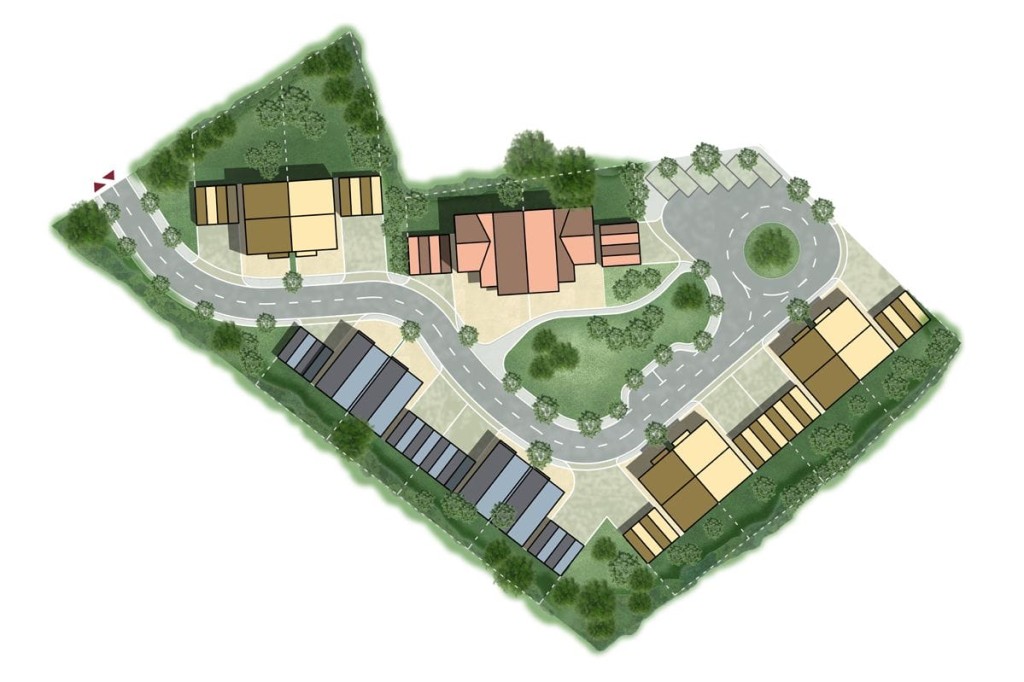
At the scale of large urban projects, the architectural process shifts from designing singular objects to shaping frameworks that guide growth over time. When working alongside masterplanners, architects help translate high-level visions into spatial systems that can accommodate complexity, change, and multiple stakeholders.
Early design phases focus on understanding the city as a network – of movement, infrastructure, landscape, and social activity. Masterplanning architects in London contribute to decisions about land use, block structure, and public space, establishing the underlying logic that individual buildings will later follow. These early choices define how places function and feel for decades. Later design phases focus on feasibility. Architects plan for different development scenarios, ensuring coherence while allowing flexibility. Rather than fixing every detail, they help establish design principles, guidelines, and controls. This ensures that the overall vision remains consistent.
Final Thoughts
Architecture is not a single creative act, but a structured and collaborative process shaped by constant decision-making. From early concepts to detailed delivery, architects balance vision with responsibility, ensuring that ideas can be built, used, and sustained over time.
Architects work on a variety of projects from individual buildings to large-scale masterplans. They help translate complex design ideas into clear, functional, and meaningful spaces. Their work is often underpinned by extensive experience and technical knowledge, as well as careful analysis, coordination, and refinement. By understanding how architects actually work, we gain a deeper appreciation for the thought, expertise, and collaboration required to shape the environments we inhabit every day.