How Digital Media Is Transforming Modern Education
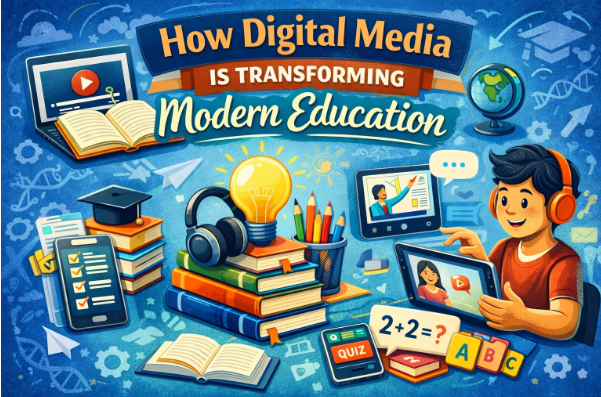
Education has evolved rapidly in recent years. Learning is no longer limited to classrooms, textbooks, or fixed schedules. Digital media has become a core part of education, shaping how students access information and how teachers deliver lessons. From online platforms to interactive videos, digital tools are changing the learning experience at every level.
This shift has made education more flexible and widely accessible. Students can now learn from home, revisit lessons at any time, and explore a wide range of resources. While digital media brings many benefits, it also requires learners to adapt to new responsibilities and learning styles.
Learning Without Classroom Walls
Traditional education followed a clear structure. Students attended classes in person, followed a timetable, and relied on printed materials. Digital media has expanded this approach by allowing learning to happen anytime and anywhere.
Online classes, recorded lectures, and digital study resources give students more freedom to manage their studies. This flexibility is especially helpful for those balancing education with work or family duties. However, online learning also demands self-discipline. Without proper planning, students can struggle to keep up and may look for quick fixes like taking my online class instead of building strong study habits. This highlights the importance of guidance and structure, even in digital environments.
Despite these challenges, digital education continues to open new opportunities for learners across the world.
Making Education More Engaging
One of the biggest strengths of digital media is its ability to make learning more engaging. Videos, animations, and visual tools help explain complex topics in simple ways. Students often understand lessons better when information is presented visually rather than through text alone.
Interactive features such as quizzes, live discussions, and online activities encourage students to take part in lessons. This active involvement improves focus and helps learners retain information for longer periods.
At the same time, digital learning can increase academic pressure. Managing multiple online assignments and deadlines can feel overwhelming. Some students turn to outside academic support, including essay writing services from MyAssignmentHelp, to manage heavy workloads. This shows the need for balanced course design that supports learning without unnecessary stress.
Personalised Learning for Better Results
Digital media allows education to move beyond a one-size-fits-all model. Many platforms adjust content based on a student’s progress, strengths, and learning pace. This helps learners focus on areas where they need improvement while moving ahead in topics they already understand.
Students can pause videos, replay lessons, or study at their own speed. This flexibility reduces pressure and supports different learning styles. Learners feel more confident when they are not rushed or compared to others.
Personalised learning also encourages independence. Students learn how to manage their own progress, which builds confidence and critical thinking skills that are valuable beyond school.
Stronger Communication and Collaboration
Digital media has improved communication between students and teachers. Online platforms allow easy sharing of resources, quick feedback, and regular progress tracking. Teachers can identify learning gaps early and offer support when needed.
Students also benefit from better collaboration. They can work together on shared documents, join virtual group discussions, and connect with peers from different locations. These experiences help develop teamwork and communication skills.
Such skills are essential in modern workplaces, where digital collaboration is often part of daily work.
Challenges That Come With Digital Learning
While digital media offers many advantages, it also presents challenges. Long screen time can cause fatigue, and constant online access can lead to distractions. Not all students have equal access to devices or reliable internet, which can affect learning outcomes.
There is also the risk of depending too heavily on technology. Digital tools should support learning, not replace effort or critical thinking. Students must learn how to manage time, stay focused, and use technology responsibly.
A balanced approach is key to successful digital education.
The Future of Education in a Digital Age
Digital media is now a permanent part of education. As technology continues to develop, learning will become more interactive, flexible, and student-focused. Tools such as artificial intelligence and immersive learning experiences are already shaping the future of education.
Technology will not replace teachers. Human guidance, creativity, and encouragement remain essential. When used wisely, digital media strengthens education and expands learning opportunities.
In conclusion, digital media has transformed modern education by making learning more accessible, engaging, and adaptable. With the right balance, it supports student success and prepares learners for a fast-changing world.