How Much Parasitic Draw Is Normal for a Car?
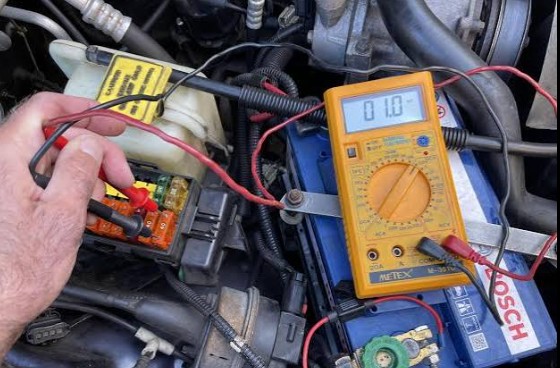
A dead battery in the morning after a perfectly normal drive the day before is the classic sign of parasitic draw, and knowing what counts as normal is the first step to knowing whether the car actually has a problem.
What Parasitic Draw Actually Is
Parasitic draw is the small amount of current a vehicle’s electrical system continues pulling from the battery after the key is off and every door is closed. Modules like the body control unit, infotainment system, and anti-theft system stay partially powered to remember settings, monitor for a key fob, and respond instantly on startup. This is normal and expected. The problem starts when draw exceeds the range those modules should require, slowly draining the battery over hours or days instead of leaving it ready for the next start. A battery that tests fine on a load test but still goes dead overnight is often the first clue that draw, not battery health, is the actual problem.
What Counts as Normal Draw
Most modern vehicles draw somewhere between 20 and 50 milliamps at rest, though the exact figure depends heavily on how many electronic modules and convenience features the vehicle has. A basic vehicle with fewer modules sits toward the lower end of that range, while a heavily optioned vehicle with multiple infotainment and driver-assist modules can sit higher and still be within spec. The only reliable number for a specific vehicle is the manufacturer’s published specification, since a draw that is perfectly normal on one platform can indicate a real fault on another. Technicians should always confirm spec before diagnosing a draw as excessive, since a reading that looks high in isolation can be entirely normal for that specific trim level.
How to Test for Parasitic Draw
A parasitic draw test starts by letting the vehicle sit long enough for all modules to power down into sleep mode, typically 20 to 40 minutes after the last door close, since testing too soon captures normal post-drive module activity rather than true resting draw. Connect a multimeter in series between the negative battery terminal and the disconnected negative cable, set to the appropriate current range, and read the draw once the reading stabilizes. A reading well above the vehicle’s published spec confirms a problem exists, though it does not yet identify which circuit is responsible.
Isolating the Circuit
Once excessive draw is confirmed, pulling fuses one at a time while watching the meter is the standard method for narrowing down the source. Removing the fuse for the circuit causing the draw produces a visible drop in the reading, pointing directly at that system. This process can take time on vehicles with dozens of fuses, and skipping straight to swapping components without this step often means replacing a good part while the actual fault stays hidden. Working through fuses in a consistent order and logging each reading avoids retracing the same circuit twice. A more direct approach uses a low-current probe or amp clamp at each fuse without removing it, which avoids resetting any modules that lose their memory when power is cut.
Common Causes of Excessive Draw
The most frequent causes are a component staying powered when it should shut off, a shorted wire, or a module failing to enter sleep mode. Interior lights or trunk lights stuck on from a faulty switch are an easy first check. Aftermarket accessories such as alarms, stereos, or dash cameras wired incorrectly into a always-hot circuit are another common source, especially on vehicles that have had non-factory equipment installed. A module that fails to go to sleep, sometimes due to a software fault or a communication error on the vehicle’s data network, can also hold the entire electrical system awake and draw well beyond spec.
Why Reference Documentation Matters Here
Confirming a draw is abnormal, and then finding which circuit is responsible, both depend on accurate reference data for that specific platform. Fuse box layouts, module sleep timing, and factory draw specifications vary enough between manufacturers and model years that assumptions from a different vehicle can send a technician chasing the wrong circuit. A resource such as a chilton manual provides the fuse maps, wiring references, and factory specifications needed to confirm what is actually abnormal before spending time pulling fuses or chasing a short that may not exist.