How You Will Be Contacted for a Warrant: What to Expect

How You Will Be Contacted for a Warrant? Many people wonder how law enforcement will notify them or whether they will receive a call, letter, or visit from the police. In most cases, police do not notify individuals directly about active warrants, as this could lead to suspects evading arrest. Instead, warrants are typically entered into law enforcement databases, and officers may act on them when they come into contact with you.
Understanding the different ways authorities handle warrant notifications is crucial. In some cases, you might find out through a court summons, an official letter, or even during a routine traffic stop. Some jurisdictions allow online warrant searches, while others require an in-person visit to a courthouse or police station.
If you suspect you have a warrant, it is essential to verify the information through official sources rather than falling for scams claiming to be from law enforcement. Knowing how the process works can help you take appropriate action, such as consulting an attorney or preparing for court.
If you find yourself in a situation where a warrant has been issued, it’s crucial to understand the steps you need to take. One of the first actions should be to secure your release, and this is where Alamance bail bonds can be invaluable. By working with a reliable bail bonds service, you can ensure a smoother process in securing your freedom while awaiting trial. This not only helps in managing the legal proceedings more effectively but also provides peace of mind during a stressful time. Remember, being proactive and informed can make a significant difference in how you handle such legal challenges.
What is a Warrant and Why is it Issued?
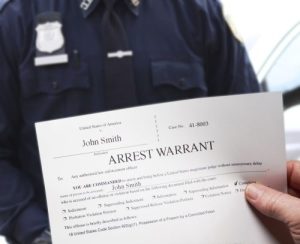
A warrant is a legal document issued by a judge or magistrate that authorizes law enforcement to take specific actions, such as arresting an individual, searching property, or seizing evidence. Warrants are granted based on probable cause and are essential to maintaining due process in the legal system.
Reasons a Warrant Might Be Issued:
- Failure to Appear (FTA) – Not showing up for a scheduled court date.
- Unpaid Fines or Tickets – Accumulating unpaid traffic violations or court fees.
- Criminal Charges – Being suspected of a crime, leading to an arrest warrant.
- Probation Violations – Failing to comply with the terms of probation.
| Type of Warrant | Issued For | Consequences |
| Arrest Warrant | Criminal charges | Immediate arrest |
| Bench Warrant | Missing court | Possible jail time |
| Search Warrant | Property searches | Police entry & investigation |
Warrants remain active until resolved, meaning you can be arrested at any time if law enforcement encounters you.
Different Types of Warrants and Their Implications
Not all warrants are the same, and each type has different legal consequences. Understanding the differences can help you navigate the situation properly.
Common Types of Warrants:
- Arrest Warrant – Issued when law enforcement has probable cause to arrest someone for a crime.
- Bench Warrant – Ordered by a judge when an individual fails to appear in court.
- Search Warrant – Grants police permission to search property for evidence.
- Civil Warrant – Issued in civil cases, such as unpaid debts or evictions.
| Warrant Type | Purpose | How It’s Executed |
| Arrest Warrant | To detain a suspect | Police make an arrest |
| Bench Warrant | For missing court | Can be arrested anytime |
| Search Warrant | Investigate evidence | Police search property |
Each type of warrant carries serious legal consequences, so it’s crucial to address it as soon as possible.
How Law Enforcement Notifies You About a Warrant
Unlike common belief, law enforcement does not always notify individuals directly about warrants. Instead, they use various methods depending on the type of warrant and severity of the offense.
Ways You Might Find Out About a Warrant:
- During a Traffic Stop – If your warrant is in the system, police can arrest you on the spot.
- Through a Letter or Court Notice – Some courts send a formal notice for bench warrants.
- Employer Background Checks – A pending warrant might show up in a background check.
- Online Warrant Search – Some counties allow checking for warrants via government websites.
If a warrant is serious, police may actively seek you out at your home or workplace.
Will Police Call or Send a Letter for a Warrant?
Many people wonder if they will receive a phone call or official letter if they have a warrant. In most cases, police do not call or warn individuals before making an arrest.
How Warrants Are Communicated:
- Police Visits – Officers may show up at your home or job to execute an arrest warrant.
- Court Summons – Some warrants, especially civil or bench warrants, may result in a letter from the court.
- Public Records & Online Databases – Some local governments list active warrants online.
⚠️ Beware of Scams: Scammers often pretend to be law enforcement, claiming you have a warrant and demanding immediate payment over the phone. Police will never ask for money to “clear” a warrant—only the courts can handle fines.
If you suspect a warrant, it’s best to consult an attorney or check through official channels.
Can You Check If You Have a Warrant Online?
Yes, in many areas, you can check for a warrant online through court websites or law enforcement databases. However, not all jurisdictions provide public access to warrant information.
Ways to Check for Warrants:
- Local Sheriff’s Office Website – Many counties have online search tools.
- State or County Court Websites – Some courts list active bench or arrest warrants.
- Third-Party Background Check Websites – These may show warrant records, but accuracy varies.
| Method | Availability | Reliability |
| Sheriff’s Office Website | Common in large counties | Highly reliable |
| Court Websites | Some states offer searches | Reliable but limited |
| Third-Party Sites | May require payment | Not always accurate |
If you find out you have a warrant, contact an attorney immediately to discuss your options before taking action.
What Happens If You Ignore a Warrant Notification?

Ignoring a warrant notification can lead to severe legal consequences. Many people assume that if they avoid contact with law enforcement, their warrant will simply go away—but this is far from the truth.
When a warrant remains unresolved, it can result in escalating legal troubles. For example, an unpaid fine or missed court appearance might only lead to a bench warrant, but if ignored, it can escalate into a more serious legal offense. The longer you wait, the higher the risk of immediate arrest when you least expect it—such as during a traffic stop, job application background check, or even at your home.
Consequences of Ignoring a Warrant:
- Increased Fines – Some courts add penalties or additional legal fees.
- Driver’s License Suspension – Many jurisdictions suspend licenses for unresolved warrants.
- Arrest at Any Time – Police can arrest you at work, home, or during routine interactions.
- Loss of Bail Privileges – Ignoring a warrant can make it harder to get bail once arrested.
| Action | Outcome |
| Ignoring the warrant | Higher penalties & possible arrest |
| Resolving the warrant | May avoid jail & reduce fines |
To avoid these issues, take immediate action if you suspect you have a warrant. Consulting a lawyer can help you determine the best course of action. Californians from all around the City of Trees seek Help from Sacramento attorneys as soon as they become aware of potential legal complications. Acting quickly allows individuals to understand their options and address the matter before it escalates further.
Can Someone Else Be Notified About Your Warrant?
Many people worry about whether family, employers, or friends could be informed if they have a warrant. Generally, law enforcement does not notify third parties directly, but there are situations where others may find out about your warrant.
Who Might Discover Your Warrant?
- Employers – If your job requires background checks, a warrant may show up.
- Family Members – If the police actively search for you, they may visit your home.
- Lawyers & Bail Bondsmen – Legal professionals can access warrant databases.
- Landlords – Some landlords check tenant backgrounds before renting.
| Situation | Likelihood of Discovery |
| Police notify family | Rare, but possible |
| Background check by employer | Likely, depending on the job |
| Law enforcement visit at home | Possible if warrant is active |
While law enforcement does not intentionally inform third parties, an active warrant can affect job applications, housing, and even travel plans. It’s always best to handle the situation before it leads to embarrassment or legal complications.
How to Verify If a Warrant Notification is Legitimate
With the rise of scam calls and emails, many people worry about whether a warrant notification is real. Scammers often impersonate law enforcement, claiming that the recipient has a warrant for their arrest and demanding immediate payment to clear it.
How to Spot a Warrant Scam:
- Law Enforcement Never Calls for Payment – Police do not request fines over the phone.
- Urgent Threats of Arrest – If someone claims you must pay immediately or be arrested, it’s likely a scam.
- Untraceable Payment Methods – Scammers often ask for gift cards, wire transfers, or cryptocurrency.
- Caller ID Spoofing – Scammers can fake official law enforcement numbers.
How to Verify a Real Warrant:
- Check With Local Authorities – Call your local police department or courthouse directly.
- Look Up Online Warrant Databases – Many courts and sheriff’s offices provide public warrant searches.
- Consult an Attorney – A lawyer can verify warrants and guide you on next steps.
If you receive a suspicious call, do not give out personal information—instead, verify through official sources before taking action.
Steps to Take If You Discover You Have a Warrant

Finding out you have an active warrant can be alarming, but taking the right steps can help reduce legal risks. The worst thing to do is ignore the situation, as warrants do not expire and can result in unexpected arrests.
What to Do First:
- Confirm the Warrant – Contact the court or sheriff’s office to verify details.
- Consult a Lawyer – A legal expert can advise on how to handle the warrant properly.
- Understand the Charges – Knowing why the warrant was issued can help you prepare a defense.
- Arrange a Court Appearance – Many warrants can be cleared by showing up voluntarily.
| Action | Benefit |
| Hiring a lawyer | Helps negotiate bail & legal options |
| Voluntarily appearing in court | Shows responsibility, reducing penalties |
| Ignoring the warrant | Increases risk of arrest & penalties |
By taking action quickly, you can prevent the worst consequences and possibly reduce fines or avoid jail time.
Can a Lawyer Help You Handle an Active Warrant?
Yes, hiring a lawyer is one of the best ways to handle an active warrant. A skilled attorney can guide you through the legal process, negotiate with the court, and even help get a warrant dismissed under certain conditions.
How a Lawyer Can Help:
- Check the Warrant’s Validity – They can confirm if the warrant is legitimate and active.
- Negotiate Bail – Lawyers can sometimes arrange lower bail amounts or even get bail waived.
- Advise on Voluntary Surrender – Surrendering under legal guidance may lead to a reduced penalty.
- File for a Motion to Quash – In some cases, an attorney can argue to dismiss the warrant.
| Legal Option | Outcome |
| Motion to quash warrant | Can get warrant dismissed |
| Negotiated surrender | May reduce penalties |
| Bail reduction request | Can lower financial burden |
Hiring an attorney ensures you understand your rights and have the best possible defense in court.
Consequences of Not Addressing a Warrant Promptly

Failing to address a warrant quickly can have serious, long-term consequences. Many people assume that if they move to a different state or avoid police interactions, their warrant will go away. However, warrants do not expire, and sooner or later, the legal system will catch up.
Potential Consequences:
- Immediate Arrest – You can be arrested at home, work, or during travel.
- Increased Fines & Legal Fees – The longer you wait, the more expensive the case can become.
- Harsher Sentencing – Judges often impose stricter punishments on individuals who avoid warrants.
- Difficulty Getting a Job or Housing – Many employers and landlords check criminal records.
| Risk | Long-Term Effect |
| Ignoring a bench warrant | Arrested during a routine stop |
| Avoiding court dates | Higher fines & penalties |
| Delaying legal resolution | Possible jail time increase |
The best approach is to handle the warrant as soon as possible to avoid unnecessary complications.
Frequently Asked Questions About Warrant Notifications
How will I know if I have a warrant?
You can check with your local courthouse, sheriff’s office, or online databases. Some jurisdictions allow public searches, while others require legal assistance.
Will police call or email me about a warrant?
Law enforcement does not notify individuals via phone calls or emails about active warrants. If you receive a call demanding payment, it is likely a scam.
Can I be arrested without prior notice?
Yes, if you have an active warrant, police can arrest you at any time, without warning. This can happen during a traffic stop, background check, or even at your home.
Can my employer or family be notified about my warrant?
Police usually do not inform third parties, but employers may discover a warrant through background checks, and family members may be contacted if officers are actively searching for you.
How can I clear my warrant?
The best approach is to consult a lawyer, who can negotiate with the court, arrange bail, or even dismiss the warrant in certain cases. Avoiding it only increases legal risks.
It’s crucial to verify warrant notifications through official sources and take immediate legal action to prevent arrest or further penalties.
Conclusion on How You Will Be Contacted for a Warrant
Law enforcement rarely contacts individuals directly about an active warrant. Instead, warrants are typically entered into legal databases, and officers may act on them during routine stops, employment checks, or investigations. Many people only discover they have a warrant when they attempt to renew their driver’s license, apply for a job, or get pulled over.
If law enforcement does attempt to contact you, it is usually through official court notices or, in some cases, in-person visits. However, many scammers impersonate police officers, demanding immediate payment for fake warrants. Police never ask for payments over the phone, so if you receive such a call, it’s likely a scam.
To avoid unexpected arrests, it’s best to proactively check for warrants and handle them legally. Consulting a lawyer can help reduce penalties, arrange voluntary surrender, or even dismiss certain warrants. Ignoring a warrant only increases the risks, as law enforcement can arrest you anytime, anywhere.