Ozempic Legs: What is Actually Happening to Your Skin After Weight Loss
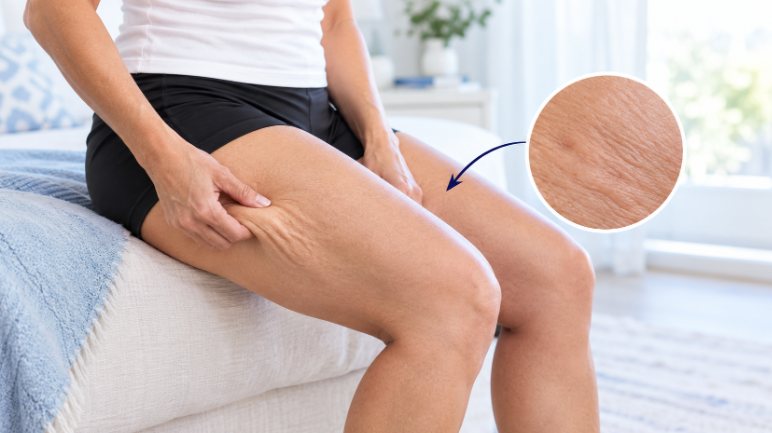
You finally reach a weight loss goal you have been working toward, but then you notice something unexpected. Your body is smaller yet the skin around your thighs or legs looks looser than before.
For some people, this can be confusing because losing weight is usually seen as a good thing but losing a lot of weight or losing weight quickly can also change how the skin looks.
This is one reason people often use the phrase “Ozempic legs” when talking about skin changes after weight loss.
So what is actually happening to the skin?
Why Loose Skin Can Happen After Weight Loss
When the body gains weight, the skin stretches. When you lose weight, the body gets smaller, but the skin may not tighten again right away.
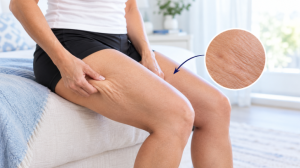
This can result in loose or crepey looking skin.
The effect can be more noticeable when someone loses a significant amount of weight or loses weight relatively quickly.
The skin needs time to adjust to changes in the body’s shape and size and that adjustment does not look the same for everyone.
This is why loose skin after weight loss can be a normal concern for people who have gone through major changes in their weight.
Where Do GLP-1 Medications Fit In?
GLP 1 medicines are often talked about for weight loss and when someone loses a lot of weight while using these medicines they may also notice changes in how their skin looks.
The medication itself is not necessarily the direct cause of loose skin. Instead, the skin changes can be connected to the weight loss that has taken place.
The phrase “Ozempic legs” is often used to describe loose or thin looking skin that some people notice on their legs or thighs after losing weight.
It is not a medical term and it is just a phrase used to talk about changes in how the skin can look after weight loss.
Why Does Skin Respond Differently From Person to Person?
Not everyone’s skin responds to weight loss in exactly the same way.
One important factor is skin elasticity. Elasticity refers to the skin’s ability to stretch and move back toward its previous shape. As people age, skin naturally changes and this can affect how it responds to changes in body size.
The amount of weight lost can also make a difference. A larger change in body size may result in more noticeable changes in the skin.
The speed of weight loss is another factor people may consider. When weight changes happen quickly, the skin may have less time to adjust to the body’s changing shape.
Individual differences matter too. Two people can lose a similar amount of weight and still have very different looking skin afterward.
This is also important when looking at ozempic legs before and after photos online. Those images may show one person’s experience but they cannot predict exactly what someone else will experience.
What Options Are People Researching?
When loose or thin looking skin becomes noticeable people may start looking for different options.
There is no one option that works for everyone.
Some people use skin care to help their skin look or feel better.
Others look into non-invasive aesthetic treatments for loose or crepey looking skin.
Some people may also research medical or surgical options, depending on their individual situation and the amount of loose skin involved.
The right option depends on the person’s needs, situation and the area being treated.
That is why it is helpful to learn what each treatment is made to do instead of thinking all treatments work the same way.
Talking to a qualified provider can also help you understand which options may be right for you.
Looking at “Ozempic Legs” Realistically
The phrase “Ozempic legs” can make the issue sound more complicated than it is. In many cases the conversation is simply about how the skin looks after noticeable weight loss.
Weight loss changes the body’s size and shape and the skin has to adjust to those changes.
For some people the difference may be barely noticeable. For others loose or crepey looking skin may become a more visible concern especially around areas such as the thighs and legs.
There is no one timeline or look that is the same for everyone.
Age, how much and how quickly you lose weight, and your skin’s elasticity can all affect the result.
Knowing this can help you understand your own experience without comparing it too much with someone else’s experience.
The Bottom Line
Loose skin after weight loss can be an unexpected part of changing body size. It can become especially noticeable after significant or rapid weight loss, including weight loss associated with GLP-1 medications.
“Ozempic legs” is a common term used to describe loose or crepey-looking skin around the legs or thighs following weight loss. The way skin responds can vary widely from person to person.
If you want to learn more about the topic and the skin changes associated with weight loss, you can read Sofwave’s detailed resource on ozempic legs.
The main takeaway is simple: changes in your skin after weight loss can happen, and understanding why they happen is a useful first step when researching what options may be available.