The Hidden Signals That Show How Online Gaming Became Modern Gaming
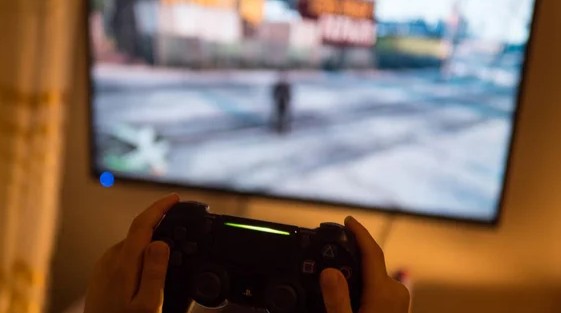
Have you ever noticed how many games now feel like places where people meet, create, and spend time together?
That shift did not happen all at once. It happened through small signals that slowly changed what gaming means. Online gaming grew from a simple way to play with others into the heart of modern gaming culture. Today, many players expect games to feel social, flexible, creative, and personal.
The signs are everywhere once you look closely. Friends meet inside games. Players build their own spaces. Communities form around shared routines. A quick match can become a real hangout. These hidden signals show how online gaming helped shape the modern idea of play.
Gaming Became a Social Habit
One of the clearest signals is how often people use games to spend time together. For many players, online gaming is now part of their social routine. It sits next to texting, video calls, group chats, and weekend plans.
The game gives people something active to do while they connect. That makes the time feel relaxed, natural, and full of shared moments.
Friends Use Games to Stay Close
Online gaming lets friends meet even when they live in different places. A friend across town, a cousin in another country, or a sibling away from home can still join the same session.
That is a big reason online play became central to modern slot gaming. It makes connection feel simple. People do not need a full plan. They can join, talk, laugh, and play for a while.
A short session can still feel meaningful because everyone is part of the same activity.
Group Routines Feel Familiar
Another signal is the rise of regular gaming routines. Many groups have a weekly session, a usual start time, or a favorite type of activity.
These habits make online games feel like familiar meeting spots.
A group might:
- Play after work or school
- Meet every weekend
- Use the same greeting
- Share jokes from past sessions
- Celebrate small wins together
These routines turn gaming into a steady part of social life.
Players Started Shaping the Experience
Modern gaming also became more player-led. Players are not only following fixed paths. They are making choices, building spaces, creating styles, and setting their own goals.
This is a major signal of how online gaming changed the wider culture of play. People want to feel involved, not just present.
Choices Make Play Feel Personal
Players often get to choose how they look, where they go, what role they take, and how they solve tasks. These choices help the experience feel personal.
Someone may choose a funny name, a calm color theme, a bold outfit, or a role that matches how they like to play.
These details may seem small, but they matter. They give players a sense of ownership. The game starts to feel like something they helped shape.
Custom Goals Add Meaning
Online gaming also showed that players enjoy making their own goals. One player may want to build a cozy room. Another may want to help new players. A group may want to create a fun event.
That freedom adds fresh meaning to play.
Instead of only asking, “Did I finish?” players can ask, “Did I create something I enjoyed?” or “Did I share a good moment with others?”
Communities Became Part of the Game
Another hidden signal is that gaming no longer ends when the session ends. Communities often continue through chats, shared clips, group plans, and regular conversations.
The game becomes the center of a wider social circle. People talk about ideas, remember funny moments, and plan what to do next.
Familiar Names Build Belonging
When players see the same names often, connection grows. They learn who likes planning, who brings humor, who helps others, and who enjoys creative ideas.
That familiarity makes the space feel friendly.
| Signal | What It Shows |
| Regular players | Familiarity |
| Shared jokes | Group memory |
| Helpful tips | Care and support |
| Weekly sessions | Routine |
| Group projects | Shared purpose |
These signs show that gaming has become a place for belonging.
Shared Stories Keep People Connected
Online slot depo 5k gaming creates stories people talk about later. A funny mistake, a clever plan, a kind teammate, or a group success can become part of the community’s memory.
These stories make the experience feel human. They turn play into something people carry with them.
That is one reason online gaming became such a strong part of modern gaming. It gives people stories they share together.
Creativity Became a Core Part of Play
Modern gaming is full of creative choices. Players can build, decorate, design characters, plan events, invent challenges, and shape social spaces.
This creative layer is another signal that online gaming changed what people expect from play. Fun now often means making something personal.
Players Express Themselves Through Style
A player’s look, room, role, or name can express mood and personality. These choices help players show a bit of themselves.
It is similar to arranging a room, choosing clothes, or making a playlist. The details create a feeling.
When players can express themselves, the experience feels warmer and more personal.
Group Creativity Builds Stronger Bonds
Creativity becomes even richer when people work together. A group may build a shared space, create a themed night, or invent a playful challenge.
Each person adds an idea. The final result feels special because it belongs to the group.
That shared creativity makes online gaming feel active and alive.
Online Gaming Set the Tone for Modern Play
The hidden signals are clear. Gaming became more social, more creative, more personal, and more community-based. Online play helped turn games into places where people gather, express themselves, and build shared memories.
Modern gaming is shaped by these habits. Players now expect connection, choice, teamwork, and creative freedom. They want play to feel like something they take part in, not something they only watch happen.
That is how online gaming became modern gaming. It changed the meaning of play by making it more human, more shared, and more connected to everyday life.