TMS Therapy Near Me: Discover Better Depression Care

Living with persistent depression often feels like an exhausting cycle of trial and error. You might spend months trying various medications only to experience uncomfortable side effects or minimal improvement. If this cycle sounds familiar, you are certainly not alone. Millions of people find that standard antidepressant medications simply do not provide the relief they need to get back to their daily lives. This is where modern medical technology steps in to offer new hope. If you are searching for better depression care, exploring localized options is a smart first step. For instance, looking into TMS Therapy Fayetteville NC can open the door to an innovative, non-invasive treatment plan designed specifically for your brain chemistry.
The journey to better mental health does not have to end when the first line of defense fails. Transcranial Magnetic Stimulation is changing the way doctors approach depression care. It is a completely different method compared to traditional talk therapy or daily pills. Instead of introducing systemic chemicals into your body, this therapy targets the exact areas of the brain associated with mood regulation. You do not have to accept treatment-resistant depression as a permanent state. There are real, scientifically backed solutions available right in your community.
Why Traditional Depression Treatments Sometimes Fall Short
Many patients start their depression treatment journey with prescription medications like SSRIs. While these drugs work wonders for some people, they are not a universal cure. You might find that the medication takes weeks to build up in your system before you even know if it works. During that waiting period, you still have to manage the heavy symptoms of depression alongside potential side effects like weight gain, fatigue, or insomnia.
When the first medication fails, doctors typically prescribe a second or third option. This process is frustrating and emotionally draining. You are essentially putting your life on hold while hoping the next pill does the trick. Medical professionals refer to this condition as treatment-resistant depression. It happens when you have tried at least two different antidepressant medications without seeing adequate results. Reaching this point can feel incredibly discouraging, but it simply means your body needs a different kind of intervention.
This is exactly why searching for localized transcranial magnetic stimulation becomes a logical next step. When systemic treatments do not work, targeted brain stimulation provides a focused alternative. You skip the gastrointestinal side effects entirely because the treatment works externally. Understanding your options empowers you to advocate for your own mental health and seek out clinics that specialize in these advanced techniques.
How Magnetic Stimulation Offers A Different Approach
Transcranial Magnetic Stimulation uses powerful magnetic fields to stimulate nerve cells in your brain. To picture how this works, think about the technology used in an MRI machine. The therapy relies on similar magnetic energy, but it focuses that energy on very specific regions of the prefrontal cortex. This is the area of the brain responsible for mood control and depression. In depressed patients, these specific areas often show decreased activity. The magnetic pulses work to wake up these dormant cells and restore normal brain function.
One of the biggest advantages of this approach is its non-invasive nature. You do not need any surgery, and there are no electrodes implanted in your body. The entire process takes place in a comfortable clinical setting. You stay completely awake and alert the whole time. Because no anesthesia or sedation is required, you can literally drive yourself to the clinic, undergo your session, and drive straight back to work or home.
Here are a few reasons why this therapy stands out from other depression treatments:
- It is entirely outpatient and requires zero downtime or recovery periods.
- It does not cause the common side effects associated with antidepressants (like weight gain or sexual dysfunction).
- The sessions are relatively short, easily fitting into a normal daily schedule.
- It is cleared by the FDA specifically for major depressive disorder that has not responded to prior medications.
By stimulating the brain directly, the therapy encourages neuroplasticity. This means your brain actually learns how to form new, healthier pathways. It is a biological reset for the mood centers that have been weighed down by severe depression.
What To Expect During Your First Appointment
Taking the first step toward a new medical treatment always comes with a bit of anxiety. Knowing exactly what happens during your initial consultation can help put your mind at ease. When you arrive at the clinic, the first goal is to determine if you are a good candidate for the procedure. You will sit down with a medical professional to review your complete psychiatric history. They will ask about the medications you have tried, the symptoms you experience daily, and your overall health profile.
If the doctor decides you are a fit for the treatment, they will move on to the mapping phase. This is a very precise process where the technician figures out the exact placement of the magnetic coil on your head. Everyone has a slightly different brain structure. The mapping ensures the magnetic pulses hit the exact right spot for your specific anatomy. They will also determine your motor threshold. This tells them the precise dose of magnetic energy needed to safely and effectively stimulate your brain cells.
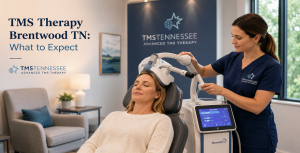
Once the mapping is complete, your actual therapy sessions can begin. During a standard session, you recline in a comfortable chair that looks a lot like a dentist chair. The technician places the magnetic coil against your head. You will hear a clicking sound and feel a tapping sensation on your scalp. The tapping might feel a bit unusual at first, but it is rarely described as painful. Most people get used to the feeling within the first few minutes. A typical session lasts anywhere from twenty to forty minutes.
Because the treatment requires consistency, you will usually visit the clinic five days a week for about four to six weeks. This might sound like a major time commitment, but the short session times make it manageable. Many patients bring a book, listen to a podcast, or just relax during the procedure. The gradual nature of the therapy means you might not feel a massive change on day one. However, as the weeks progress, patients frequently report feeling lighter, more energetic, and more engaged with the world around them.
Taking Control Of Your Mental Health Journey
Deciding to pursue advanced depression care requires courage. You have already navigated the difficult waters of standard treatments and realized you deserve better results. Transcranial Magnetic Stimulation offers a modern, scientifically validated path forward for people who feel stuck in their depression. By seeking out a qualified local provider, you are taking a proactive stance on your well-being.
Do not let treatment-resistant depression convince you that feeling good is impossible. The landscape of mental health care is expanding rapidly, and you have access to tools that were not available a decade ago. Remember to ask questions during your consultations, communicate openly with your care team, and stay committed to the process. Better depression care is within your reach, and the right treatment plan can help you reclaim the vibrant, fulfilling life you deserve.