Tracking ROI with Purpose: Virtual and Custom Trade Show Designs that Work Smarter
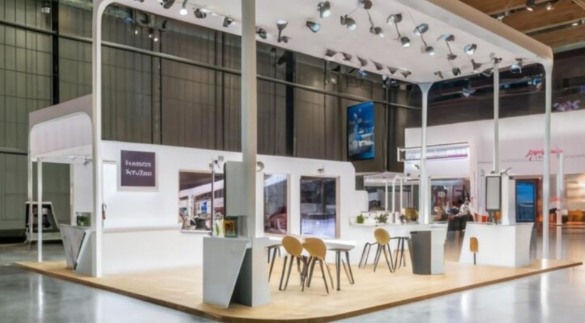
As business marketing continues to change and develop, trade shows are still one of the best opportunities to develop relationships with potential clients, demonstrate innovation, and build a brand as the leader in a vertical. However, showing up is not enough—changing the measure of success to a focus on return on investment (ROI) becomes the ultimate goal. For companies exhibiting at either in-person exhibits or virtual trade shows, designing, executing, and following up on engagements should be optimized for every dollar spent to deliver quantifiable value.
Now, modern trade show exhibits face an added challenge to stand out in a crowded hall and connect using digital platforms that are de rigueur for hybrid events. The result-driven initiatives have progressed from eye candy to movements that ensure designs generate traffic and results. From booth layout to leading capture technology, even a plan to give away prizes, every aspect of a booth can yield a better ROI when leveraged correctly.
5 Ways to Design Trade Show Strategies That Boost ROI
Businesses aiming to get the most out of their trade show investment need to approach booth design and strategy for outcomes, not just appearances. Here are five key strategies that help create a smarter, ROI-focused plan for trade shows.
- Maximize Flexibility with Trade Show Rental Booths
Using trade show rental booths is one of the best ways to establish a professional representation of your business without the cost of building a booth from the ground up. Rental booths give you design flexibility in customizing and branding from event to event, fully meeting companies’ needs to accommodate different audiences and venue sizes while remaining cost-effective.
Another benefit of booth rentals is the opportunity to experiment. With rental booths, brands can explore different layouts, messaging options, and interactivity that might enhance the booth experience for attendees and engagement levels that yield better leads. By focusing on booth design that can be easily refreshed or rebranded, businesses can ensure their booths are fresh and aligned with campaign goals over multiple events.
- Integrate Digital Engagement Tools
ROI isn’t solely about traffic; it’s about converting that traffic into leads and opportunities. By adding digital components such as QR codes, touchscreen displays, or virtual reality demonstrations, engagement can occur after the show floor. Furthermore, these tools capture data instantly, ultimately making booth effectiveness easy to measure.
Additionally, engaging digitally gives exhibitors the ability to both market to a tech-savvy audience and provide an interactive experience that differentiates. When coupled with strong follow-up campaigns, these tools can turn casual visitors into qualified leads, increasing ROI over time.
- Align Design with Brand Storytelling
A successful trade show booth does more than show products; it communicates the relatable sense of your brand’s mission. The design should create an overall story, with colors, visuals, and feel associated with messaging working together to tell a story about the brand in seconds.
Creating an experience that immerses visitors in your world, captures your audience’s attention, and ultimately creates emotional connections is critical. The more impactful or memorable the booth experience is, the more likely a visitor will engage with your brand, share their contact information, and continue that relationship following the event.
- Focus on Lead Quality, Not Just Quantity
Understanding your return on investment (ROI) isn’t about how many people visited your booth, but about how many leads you captured and the questions and information you collected from prospective customers for making ideal customer profiles.
This helps make sure your company follows up on the right prospects so that the company’s efforts toward sales conversion are more efficient and ultimately lead to a higher conversion and follow-up rate. And when any business focuses on qualified quality leads and customer interactions, they are more likely to measure ROI from their trade show investment.
- Measure, Analyze, and Improve
A solid measurement plan supports any ROI strategy. Businesses should measure relevant KPIs, such as the number of leads generated, the number of meetings scheduled, the amount of social media interactions, and any sales conversions following the trade show. The analysis of the post-show metrics will give exhibitors critical insights about what went well and where adjustments should be made.
With this measurement plan data, exhibitors can further refine their booth design and their messaging and engagement plans for the next trade show. The goal is to begin a cycle of continuous improvement, ultimately leading to each trade show giving results that are measurably better than the last trade show.
End Point
Clever exhibition design not only considers appealing design, but it also aims for measurable results. With the combination of flexible stand approaches, engaging digital strategies, and continually evolving engagement strategies, businesses can maximize their trade show ROI. Tracking outcomes and utilizing lessons learned creates a “do it again” framework for successful future efforts.