Who Is the Best Cosmetic Dentist in the UK for Your Smile Goals?
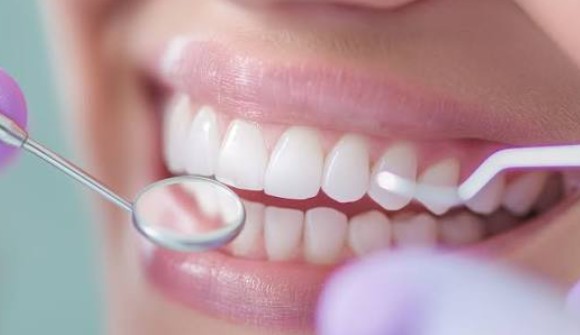
Imagine receiving two photographs of your possible future smile. One shows a brighter, more uniform appearance; the other changes only the edge that has bothered you for years. Neither image tells you which outcome you will prefer after the novelty has worn off. Choosing a cosmetic dentist becomes easier when the desired change is described before a treatment is selected, especially if you are comparing practices across the UK or planning appointments in London.
Many people arrive at a consultation with a list of dislikes and no account of what already works. Yet retaining a characteristic shape or a slight difference between neighbouring teeth can be central to a satisfying result. Consider your smile in conversation, at rest and in an unposed photograph. The feature that dominates a close-up image may be far less noticeable in daily life. A dentist needs to understand that context before interpreting a request for greater symmetry as a request for every tooth to look alike.
Start With What You Want to Keep
A small alteration deserves a clearly defined aim. Decide which outline bothers you and which familiar features you want to retain before comparing complete smile designs. A request to soften one edge is different from a wish to change the proportions of several teeth. The examination determines whether a limited approach is suitable, while your description helps keep the discussion focused. It also gives you a way to assess whether the proposed improvement answers the original concern or introduces changes you did not ask for. In patient guidance from MaryleboneSmileClinic, a cosmetic dentist explains that contouring can address selected small shape irregularities without comprehensive correction.
It can help to describe a specific situation rather than an ideal. You may notice a dark restoration during video meetings, cover your mouth because of a chipped edge, or dislike the way a gap catches the light. These observations give the discussion a focus without requiring you to diagnose the cause. They also provide a way to recognise whether a proposed improvement actually addresses the concern. A broader makeover that changes several unrelated features might be attractive, but those additional changes should be a deliberate choice rather than an automatic extension of the first request.
Comparison photographs need the same care. An image can communicate a preference for softer edges or a particular degree of brightness, but another person’s teeth and facial proportions are not a blueprint. Discuss which aspects of the example appeal to you and which would feel unfamiliar. The dentist should explain how your own anatomy, oral health and existing dentistry influence the possibilities. Preserving identity is not a minor finishing preference. It helps define the treatment’s purpose and gives both patient and clinician a boundary when new options are introduced during planning.
Separate the Goal From the Material
An enquiry about veneers may begin with a desire for a more even colour, while a request for bonding may actually concern tooth position. Starting with the material can narrow the conversation too early. Explain the visible problem first and ask which broad approaches deserve consideration after assessment. Whitening, tooth movement and restorative changes act in different ways. Their suitability cannot be inferred from a photograph alone, and combining them is not automatically more effective than selecting a limited intervention.
Colour illustrates why sequence matters. Natural teeth and existing restorations do not necessarily respond to the same treatment. NHS information explains that whitening acts on natural teeth rather than changing the colour of crowns or similar restorations. Someone with a visible restoration therefore needs a discussion about the intended overall match, not simply a promise of a lighter shade. A dentist comparing options should explain what each route can change and where further work might be considered, without assuming that every difference needs correction.
Shape brings other tradeoffs. Adding material, removing tooth tissue and moving teeth are different kinds of commitment, even when photographs of the finished result appear similar. The relevant comparison includes what happens to the existing tooth and what future repair might involve. Ask the dentist to explain why the proposed route suits that particular tooth, rather than relying on a general preference for one material. A clinician who works comfortably within those distinctions is more useful to your goals than someone whose entire presentation begins and ends with a favourite procedure.
Let Conflicting Priorities Become Visible
The shortest treatment schedule, the least alteration to the teeth and the largest visual change do not always point towards the same plan. It is reasonable to value any of them, but the consultation should make the conflict explicit. For instance, a person preparing for an event may initially prioritise speed, then decide that a smaller interim improvement is preferable to rushing a wider commitment. Another may accept a longer sequence because preserving particular features matters more than finishing quickly.
Conflicting opinions can make the goal harder to describe. A partner may favour a very bright result while you want a change that colleagues barely notice. Bring that difference into the conversation without allowing somebody else’s enthusiasm to become your treatment instruction. Describe what would feel excessive as clearly as what would feel improved. The dentist can then explore the available range against your own preferences, while explaining where clinical findings limit the choice. The appearance is something you will live with after the consultation ends.
Make room for a preference to change. Records, examinations and previews may reveal something you had not considered, such as how a different tooth length affects the balance of the smile. A thoughtful clinician treats that discovery as part of the decision. The patient should not feel obliged to preserve the original brief merely because it appeared on an enquiry form. Equally, a changing plan needs an explanation, including any effect on fees and the commitment involved.
By the end of the discussion, the competing priorities should be understandable. If the proposed result requires a compromise you find unacceptable, it is better to discover that before treatment. The dentist who helps you recognise the limit may be better suited to your needs than the one who gives the most reassuring answer at the first meeting.
Use Previews to Ask Better Questions
Digital simulations and physical mock-ups can make an abstract discussion more concrete. They are particularly helpful when the patient and dentist use the same descriptive word differently. A preview gives them something to point to: an edge looks too straight, a tooth appears too prominent, or the proposed shade feels unfamiliar. Its value lies in improving the conversation and testing preferences, rather than in proving that the final result is guaranteed.
Find out what the preview represents. Some images are an early visual illustration; other planning tools use more detailed records. A design still needs to be reconciled with the clinical assessment, the chosen materials and the space available. Ask which features remain provisional and at what stage they can be reviewed. Understanding these limits reduces the risk of treating a persuasive image as a precise promise about appearance, comfort or longevity.
Pay attention to ordinary use as well as the posed smile. Where a trial is appropriate, discuss speech, lip movement and how the teeth relate when the mouth closes. The dentist should determine what can meaningfully be evaluated at that stage. A patient does not need to assess technical details independently, but they do need time to express whether the proposed direction feels right. If the answer is uncertain, identify the uncertainty specifically instead of accepting the design simply because it looks polished on a screen.
Ask how changes to the design are recorded. If an early image shows longer teeth and a later discussion agrees a shorter outline, everyone contributing to the work needs to know which version reflects the current decision. Keep a copy of the agreed description or preview where the practice provides one, and clarify any mismatch before the next stage. This gives feedback a practical destination: it becomes part of the shared plan instead of remaining a passing comment that different people remember differently.
Match Experience to the Decision You Face
A dentist’s most striking cases may have little in common with the decision you need to make. Someone seeking a subtle adjustment should look for explanations of limited changes and integration with untreated teeth. A person with several older restorations needs to understand how the clinician evaluates what remains serviceable. The relevant evidence is experience with the kind of judgement required, not just experience delivering a large number of visually impressive transformations.
During comparisons, bring the same goal statement to each consultation and notice what the dentist investigates. Does the discussion stay connected to your priorities? Are alternative routes described with their disadvantages as well as their advantages? If another discipline is needed, is the reason explained? Referral is not a failure of cosmetic expertise. It can be an appropriate response when a concern depends on gum health, tooth position or restorative complexity beyond the immediate scope of the proposed work.
Experience with a subtle goal should be discussed in its own terms. Ask how a clinician has approached a limited alteration beside teeth that were left untreated, rather than judging only their complete transformations. The explanation should identify the choices involved in integration: which feature was retained, which changed and how the patient described the intended difference. Respect for another patient’s privacy may limit what can be shown, but the reasoning can still be explained without disclosing their personal information.
The consultation should also identify who needs to hear your preferences. If a dental technician or another clinician contributes to the result, ask how the agreed visual aims are communicated. A carefully expressed preference loses value if it does not reach the people working on the design. The patient does not need to manage that exchange personally, but understanding how it happens makes the planning process more coherent.
Agree on an Endpoint Before You Begin
Without a clear endpoint, cosmetic planning can expand as attention moves from one small difference to another. A patient initially concerned about one tooth may begin to notice every asymmetry after studying enlarged photographs. The answer is not to dismiss those observations, but to return to the original purpose and decide which additional changes are worthwhile. A dentist should help distinguish a meaningful improvement from an increasingly broad pursuit of uniformity.
Describe the intended result in terms that can be reviewed. That may mean reducing the visibility of a particular restoration, bringing selected edges into a more harmonious relationship or achieving a shade that suits neighbouring teeth. Record which features will remain and what uncertainty exists. An agreed description cannot guarantee an outcome, but it provides a more useful reference than the vague promise of a perfect smile. It also allows a patient to recognise when the proposed work has reached its intended scope.
Leave the consultation understanding what maintenance belongs to the chosen endpoint. A result that looks right initially still needs to fit the patient’s willingness to attend reviews and manage future upkeep. Materials, anatomy, habits and oral health affect how a smile changes over time. Asking about those factors is part of defining the goal, not a separate conversation reserved for the end of treatment.
If several acceptable designs remain, give yourself room to compare them away from the excitement of the appointment. The question is which change you would welcome in ordinary life, not which image produces the strongest immediate reaction. A measured preference is easier to communicate and less likely to expand simply because another possible alteration has been shown.
For a colour concern, leave with an explanation of what can change and what existing dentistry will remain. For a shape concern, know the proposed extent of the alteration. For a position concern, understand how movement and cosmetic finishing relate. The dentist who makes these distinctions clear has helped turn a vague wish into a usable brief. Keep that brief as the reference for later decisions, so each new suggestion can be judged against the smile you actually want to live with.