Why a Slipped Disc Doesn’t Always Mean You Need Surgery
Hearing that you have a “slipped disc” can sound alarming. The name itself creates an image of something in your spine sliding dramatically out of place — and it’s easy to assume the next step must involve an operating theatre. Fortunately, that isn’t necessarily the case.
What people commonly call a slipped disc is usually a herniated or prolapsed disc. Treatment depends on factors such as your symptoms, examination findings and how the condition progresses over time. While someone with significant or persistent nerve-related symptoms may be referred to a specialist such as a Sydney neurosurgeon, many people with disc problems can improve without surgery.
Understanding what a disc problem actually means can make the diagnosis considerably less frightening.
What Is a Slipped Disc?
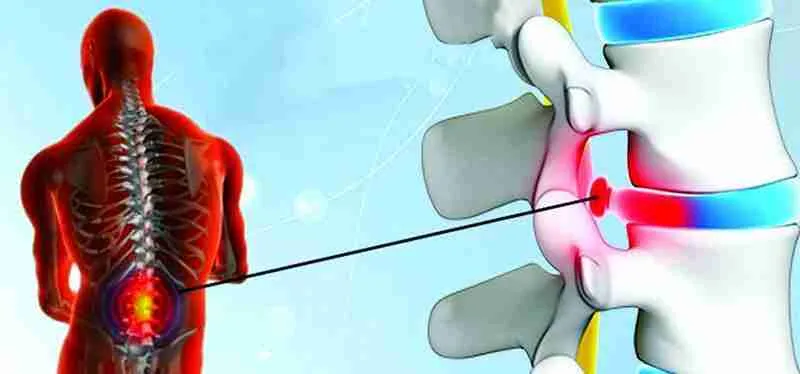
Your spine is made up of bones called vertebrae, with discs positioned between many of them. These discs help absorb forces and allow the spine to move.
Each disc has a tougher outer layer surrounding softer material inside. If part of the disc bulges or the inner material pushes through the outer layer, it may be described as a disc herniation or prolapse.
Problems can occur when the affected disc irritates or compresses a nearby nerve.
In the lower back, for example, this can sometimes cause pain that travels into a leg, commonly referred to as sciatica. Depending on the nerve involved, a person might also experience tingling, numbness or weakness.
A Scan Doesn’t Tell the Whole Story
One of the most important things to understand is that an abnormal-looking scan doesn’t automatically mean you need surgery.
Disc changes can sometimes appear on imaging in people who aren’t experiencing significant symptoms. For that reason, healthcare professionals generally interpret scans alongside your symptoms, medical history and physical examination rather than treating the image alone.
Where the disc problem is located matters. So does whether it corresponds with the symptoms you’re experiencing.
This is also why two people with seemingly similar scan results can end up with different treatment plans.
Many People Improve With Conservative Treatment
When there are no signs requiring urgent intervention, non-surgical management is often considered first.
The appropriate treatment varies from person to person, but may include advice about staying appropriately active, pain management and physiotherapy or other rehabilitation strategies.
Complete bed rest is generally not the goal for uncomplicated back problems. Depending on your condition, gradually maintaining or returning to suitable activity may form part of recovery.
A healthcare professional can advise you about what is appropriate based on your individual symptoms.
Recovery can take time, so improvement isn’t always immediate. Symptoms may change gradually over several weeks rather than disappearing overnight.
When Might Surgery Be Considered?
Surgery can be an important treatment for some people. The key point is that a disc problem alone doesn’t automatically make it necessary.
A specialist may consider surgery when symptoms remain severe despite appropriate non-surgical treatment, particularly when nerve compression is causing persistent leg pain or neurological problems.
Factors that can influence the decision include:
- The severity of symptoms
- How long symptoms have persisted
- Whether there is significant weakness
- Findings from a neurological examination
- Imaging results
- Whether non-surgical treatment has helped
- The impact symptoms are having on everyday life
The potential benefits and risks of an operation also need to be considered for the individual patient.
Some Symptoms Need Urgent Medical Attention
Although many disc problems aren’t emergencies, certain symptoms shouldn’t be ignored.
Seek urgent medical assessment if back or leg symptoms are accompanied by new problems controlling your bladder or bowel, numbness around the genitals or buttocks, or severe or rapidly worsening weakness.
These symptoms can potentially indicate serious compression of the nerves at the lower end of the spinal canal and require prompt assessment.
Severe back pain following significant trauma, or back pain accompanied by other concerning symptoms such as fever or unexplained illness, also deserves appropriate medical attention.
If you’re unsure about new or worsening neurological symptoms, it’s safer to seek professional advice rather than trying to diagnose the problem yourself.
Recovery Isn’t Always a Straight Line
Back and nerve pain can be frustrating because recovery isn’t necessarily linear.
You might have several good days followed by a painful one. That doesn’t automatically mean the condition has suddenly become worse or that your treatment has failed.
Your healthcare team may monitor changes in pain, mobility, strength and function over time.
It’s useful to pay attention to what you’re actually able to do rather than judging progress solely by whether every trace of discomfort has disappeared.
Don’t Let the Word “Slipped” Frighten You
A slipped disc sounds like something that needs to be physically pushed back into position, but that’s not an accurate way to think about most disc herniations.
The diagnosis also doesn’t automatically lead to surgery.
For many people, the first approach involves appropriate non-surgical treatment while symptoms and neurological function are monitored. For others, specialist assessment and surgery may become appropriate based on the nature or persistence of their symptoms.
The important thing is to treat the person, not simply the scan.
If you’ve been diagnosed with a disc problem, ask your healthcare professional what the findings actually mean in your case, what symptoms you should watch for and what treatment options are appropriate. Understanding those answers can make the path forward feel much less intimidating.