Why Can’t You Give Babies Honey? Infant Botulism 2026

Why can’t you give babies honey is one of the most important safety questions new parents search for, and the answer comes down to a serious but treatable illness called infant botulism.
Honey can naturally contain spores of a bacteria called Clostridium botulinum, which are generally harmless to older children and adults but dangerous for babies under 12 months old.
In an infant’s immature digestive system, these spores can germinate, multiply, and release a toxin that affects the nervous system. This is why the CDC and the American Academy of Pediatrics both recommend avoiding honey in any form until after a baby’s first birthday.
Why Can’t You Give Babies Honey? What Is Infant Botulism?
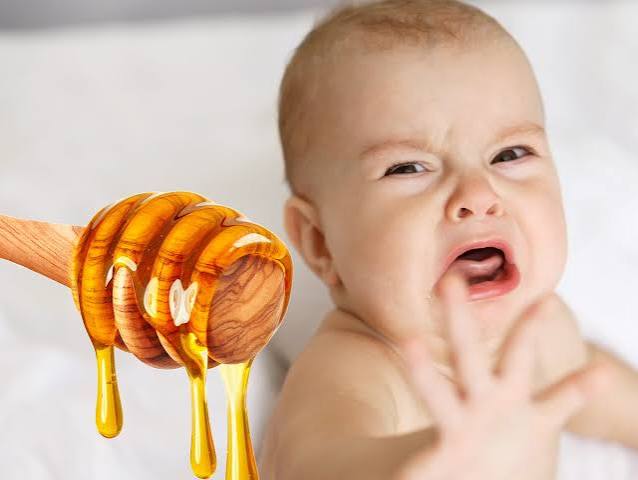
Infant botulism is a rare but serious illness caused by a toxin released from Clostridium botulinum bacteria inside a baby’s digestive system.
Unlike foodborne botulism in adults, which comes from eating food already containing the toxin, infant botulism happens when bacterial spores grow inside the baby’s gut after being swallowed.
This toxin then enters the bloodstream and affects the nervous system, leading to progressive muscle weakness if left untreated.
Why Honey Specifically Is A Risk
Clostridium botulinum spores occur naturally in soil, dust, and water, and can sometimes end up contaminating honey during production or harvesting.
Older children and adults have mature digestive systems capable of moving these spores through the body before they can cause harm.
Babies under 12 months, however, have an immature gut environment that allows the spores to germinate, multiply, and produce toxin instead of passing through safely.
Common Causes At A Glance
Before going further, here is a quick table summarizing the key facts behind why honey poses a specific risk to infants.
| Factor | Explanation |
|---|---|
| Bacteria Involved | Clostridium botulinum |
| Source | Soil, dust, and sometimes honey |
| Who Is At Risk | Babies under 12 months old |
| Why Adults Are Safe | Mature gut flora prevents spore growth |
| Recommended Rule | No honey in any form before age 1 |
This simple summary explains the core reasoning behind the widely recommended no-honey rule for infants.
Why Babies Under One Year Are Uniquely Vulnerable
A baby’s gut microbiome, the community of bacteria living in the digestive tract, is still developing during the first year of life.
This underdeveloped gut environment lacks the competitive bacteria needed to prevent Clostridium botulinum spores from establishing themselves and growing.
By around 12 months, most babies have developed a more mature gut microbiome capable of naturally resisting this type of bacterial growth.
How Infant Botulism Develops In The Body
Once swallowed, Clostridium botulinum spores can germinate inside a baby’s intestines, transforming from a dormant spore into an active, toxin-producing bacteria.
As the bacteria multiply, they release a neurotoxin that is absorbed into the bloodstream and travels throughout the body.
This toxin specifically targets the nervous system, disrupting the signals between nerves and muscles, which leads to the characteristic muscle weakness seen in infant botulism.
Symptoms Of Infant Botulism
Recognizing the symptoms of infant botulism early is critical, since prompt treatment significantly improves outcomes for affected babies.
| Symptom | Description |
|---|---|
| Constipation | Often one of the earliest signs |
| Weak Cry | Cry sounds noticeably softer than usual |
| Poor Feeding | Weak sucking or difficulty feeding |
| Floppiness | Reduced muscle tone throughout the body |
| Drooping Eyelids | Eyelids appear heavy or partially closed |
| Loss of Head Control | Baby struggles to hold their head up |
| Breathing Difficulty | Can occur in more severe cases |
If you notice any combination of these symptoms in your baby, contacting your pediatrician or seeking emergency care promptly is strongly recommended.
Why Constipation Is Often The First Sign
Constipation is frequently one of the earliest noticeable symptoms of infant botulism, sometimes appearing days before other signs become apparent.
This happens because the toxin begins affecting muscle function throughout the body, including the muscles involved in normal digestion.
While constipation alone has many possible causes, its appearance alongside other symptoms like weak cry or poor feeding should prompt medical evaluation.
How Quickly Symptoms Can Appear
Symptoms of infant botulism can appear anywhere from a few days to about a month after exposure to the bacterial spores.
This variability makes it important for parents to stay alert to potential symptoms even if honey exposure happened some time ago.
Because progression can happen relatively quickly once symptoms begin, early recognition and medical attention play a critical role in a positive outcome.
Is Infant Botulism Common
Infant botulism is considered rare, though it remains the most commonly reported form of botulism overall in the United States each year.
Public health data shows that reported cases number in the low hundreds annually nationwide, with the majority of all botulism cases occurring specifically in infants.
Despite being uncommon, its potential severity is exactly why prevention through simple steps like honey avoidance remains strongly recommended.
How Infant Botulism Is Diagnosed
Doctors typically begin diagnosis by asking detailed questions about the baby’s symptoms, recent diet, and overall behavior changes.
A physical examination helps assess muscle tone, reflexes, and other neurological signs consistent with infant botulism.
Laboratory testing of stool samples can confirm the presence of the toxin or bacteria, helping doctors reach a definitive diagnosis.
How Infant Botulism Is Treated
Treatment for infant botulism typically involves hospitalization, supportive care, and in the United States, a specific antitoxin medication called BabyBIG.
This antitoxin works by neutralizing the toxin circulating in the baby’s bloodstream, helping prevent further nerve and muscle damage.
In more severe cases affecting breathing muscles, babies may require temporary support from a ventilator until their strength gradually returns.
Recovery Outlook For Infant Botulism
The good news is that infant botulism has a very high survival rate, generally reported between 98 and 100 percent with proper treatment.
Most babies go on to make a full recovery, regaining normal muscle strength and function over time as their nervous system heals.
Recovery time can vary, sometimes taking several weeks, particularly in cases involving breathing or feeding support during hospitalization.
Other Sources Of Botulism Spores Beyond Honey
While honey is the only well-established, avoidable food source of these bacterial spores, it is not the sole possible source of exposure.
Spores can also be found in soil, dust, and other environmental sources that babies might occasionally encounter during normal exploration and development.
Because these other sources are difficult to fully avoid, honey avoidance remains the single most effective and practical prevention step parents can control.
Corn Syrup And Other Foods To Be Cautious About
Light and dark corn syrups have also been suspected as potential sources of botulism-causing bacteria, though a definitive link has not been fully proven.
Because of this uncertainty, many pediatricians recommend checking with your doctor before introducing corn syrup or similar products to a baby under 12 months.
Staying cautious with any product containing raw, unprocessed sweeteners is a reasonable approach until a baby’s first birthday has passed.
Does Cooking Or Baking Make Honey Safe
Many parents assume that cooking or baking honey into food might destroy the bacteria and eliminate the risk, though this is not accurate.
While high heat can destroy the toxin itself, it does not reliably destroy the heat-resistant bacterial spores found in contaminated honey.
Because normal home cooking temperatures do not reach the sustained heat needed to eliminate spores, cooked or baked honey is still considered unsafe for babies under 12 months.
Honey In Small Amounts Or On Pacifiers
Some parents may not realize that even a very small amount of honey, such as a drop used to soothe a pacifier or nipple, still carries risk.
Health experts specifically warn against this practice, sometimes called honey pacifiers, since even tiny amounts can potentially introduce dangerous bacterial spores.
The safest approach is to avoid honey entirely in any form or amount until a baby reaches 12 months of age.
Is It Safe For Breastfeeding Mothers To Eat Honey
Many parents wonder whether a breastfeeding mother eating honey could pass any risk to their baby through breast milk.
According to available guidance, botulism is not transmitted through breast milk, meaning breastfeeding mothers can safely continue eating honey themselves.
Continuing breastfeeding is generally recommended even during infant botulism treatment and recovery, since it does not pose the same risk as direct honey consumption.
When Does Honey Become Safe For Babies
Once a baby reaches their first birthday, their digestive system has typically matured enough to safely process any bacterial spores that might be present in honey.
At this point, most pediatricians consider honey safe to introduce in small amounts, though it should still be treated as an added sugar rather than a dietary staple.
Starting with small amounts mixed into familiar foods is a common, gentle way to introduce honey after the one-year mark.
Products That May Contain Hidden Honey
Parents should also be mindful of processed foods that may contain honey as an ingredient, even if it is not the primary focus of the product.
Items like honey graham crackers, certain cereals, and baked goods sometimes include honey, making it important to check ingredient labels carefully for babies under 12 months.
Reading labels consistently until a baby’s first birthday helps ensure accidental honey exposure does not occur through less obvious food sources.
What To Do If You Suspect Infant Botulism

If you notice symptoms like constipation, weak cry, poor feeding, or floppiness in your baby, seeking prompt medical attention is essential.
Infant botulism is considered a medical emergency, and early treatment significantly improves outcomes and reduces the risk of complications.
Do not wait to see if symptoms improve on their own, since timely diagnosis and treatment play a critical role in a full recovery.
Prevention Tips For Parents And Caregivers
Avoiding honey in any form, including cooked, baked, or trace amounts, remains the single most effective prevention step for infant botulism.
Educating all caregivers, including grandparents, babysitters, and daycare providers, about this rule helps ensure consistent avoidance across every setting your baby is in.
Reading ingredient labels carefully and asking about ingredients when accepting food from others also helps reduce the risk of accidental exposure.
Historical Background Of Infant Botulism Research
Infant botulism was first formally identified as a distinct medical condition in the late 1970s, when researchers began connecting specific infant illness cases to honey consumption.
Since then, ongoing public health surveillance and research have helped refine understanding of the condition, its causes, and effective treatment approaches over the following decades.
This growing body of research is what eventually led major health organizations to formally recommend against giving honey to infants under 12 months old.
Age Range Most Commonly Affected
While all babies under 12 months are considered at risk, available data shows that most reported cases occur in babies younger than 6 months old.
This age range corresponds to when a baby’s gut microbiome is at its least developed stage, making bacterial spore growth more likely to occur successfully.
As babies approach their first birthday, their gut environment becomes increasingly resistant to this type of bacterial colonization, gradually reducing overall risk.
Understanding Gut Microbiome Development In Infants
A baby’s gut microbiome begins developing at birth and continues maturing steadily throughout the first year of life and beyond.
This community of beneficial bacteria plays a protective role by competing with harmful bacteria for space and resources within the digestive system.
As this protective microbiome becomes more established, it becomes significantly harder for spores like Clostridium botulinum to successfully take hold and multiply.
Global Perspective On Honey Safety Guidelines
Health authorities in many countries beyond the United States, including various public health agencies worldwide, share similar recommendations regarding honey and infant safety.
While specific guidelines and reporting practices vary by country, the underlying scientific rationale regarding infant gut immaturity remains consistent internationally.
This global consensus reflects the strength of the scientific understanding behind why honey poses a unique risk specifically to infants under 12 months old.
Comparing Infant Botulism To Other Types Of Botulism
Botulism can occur in a few different forms, each with distinct causes, making it useful to understand how infant botulism differs from other types.
| Type Of Botulism | Common Cause |
|---|---|
| Infant Botulism | Spores growing inside baby’s gut |
| Foodborne Botulism | Toxin already present in improperly preserved food |
| Wound Botulism | Bacteria entering through a wound |
Understanding these distinctions helps clarify why infant-specific prevention, like avoiding honey, differs somewhat from general food safety botulism prevention in adults.
The Emotional Impact On Parents
Learning that your baby may have been exposed to a serious illness like infant botulism can understandably feel overwhelming and frightening for any parent.
It is important to remember that infant botulism has an excellent recovery outlook with prompt treatment, and most babies fully regain normal health and function.
Reaching out to your pediatrician with any concerns, even before symptoms fully develop, can provide reassurance and appropriate guidance during this stressful time.
Supporting A Baby During Recovery
During treatment and recovery from infant botulism, babies often need extra support with feeding, comfort, and monitoring as their strength gradually returns.
Hospitals typically provide guidance on feeding methods, whether through breastfeeding, bottle feeding, or temporary tube feeding, depending on the baby’s specific needs during recovery.
Following your medical team’s guidance closely during this period helps support the smoothest possible recovery process for your baby.
Key Takeaways Before The FAQs
Honey should never be given to babies under 12 months old due to the risk of infant botulism, a rare but serious and treatable illness.
Recognizing early symptoms like constipation, weak cry, and reduced muscle tone allows for prompt medical attention, which significantly improves recovery outcomes.
Avoiding honey completely, including in cooked foods, pacifiers, and processed products, remains the most effective and practical prevention step for parents to follow.
Talking To Family Members And Caregivers
Explaining this guideline clearly to grandparents, relatives, and other caregivers helps ensure everyone understands why even well-meaning honey treats should be avoided.
Some caregivers may not be aware of this risk, especially if it was not a common recommendation during their own parenting years, making clear communication important.
Providing simple, factual explanations, rather than just a rule to follow, often helps others understand and respect the guideline more consistently.
Frequently Asked Questions (FAQs)
Why can’t babies have honey before age one?
Honey may contain bacterial spores that can grow in a baby’s immature gut, causing infant botulism.
What are the first signs of infant botulism?
Constipation is often the earliest sign, followed by weak cry, poor feeding, and reduced muscle tone.
Is infant botulism treatable?
Yes, with prompt medical care and antitoxin treatment, survival rates are between 98 and 100 percent.
Can cooking honey make it safe for babies?
No, cooking destroys the toxin but not the heat-resistant bacterial spores, so cooked honey remains unsafe.
Is it safe to breastfeed while eating honey?
Yes, botulism is not transmitted through breast milk, so breastfeeding mothers can safely eat honey.
When can babies safely start eating honey?
Most pediatricians consider honey safe after a baby’s first birthday, once their gut has matured.
Can a tiny drop of honey on a pacifier cause botulism?
Yes, even small amounts carry risk, so honey pacifiers should always be avoided for babies under 12 months.
Are there other sources of botulism besides honey?
Yes, spores also occur in soil and dust, though honey is the main avoidable food source.
How is infant botulism diagnosed?
Doctors use symptom evaluation, physical exams, and stool testing to confirm the presence of the toxin or bacteria.
What should I do if I suspect my baby has botulism?
Seek immediate medical attention, since infant botulism is a medical emergency requiring prompt treatment.
A Final Note For New Parents
Navigating early feeding decisions can feel overwhelming, but simple, well-established guidelines like avoiding honey make one part of that journey clearer and safer.
Trusting evidence-based recommendations from organizations like the CDC and AAP, while staying in close contact with your pediatrician, provides a solid foundation for confident early parenting decisions.
One Last Reminder About Reading Labels
Beyond honey itself, staying attentive to ingredient lists on baby food, snacks, and treats helps prevent accidental exposure through less obvious sources.
Making this a consistent habit throughout your baby’s first year provides an extra layer of protection alongside the core recommendation to avoid honey directly.
A Quick Summary For Busy Parents
If you remember just one thing from this guide, let it be this: no honey in any form for babies under 12 months, without exception.
This single, simple rule remains one of the most effective, evidence-based steps parents can take to protect their baby during the first year of life.
Conclusion
Understanding why babies cannot have honey comes down to a simple but important biological fact, their immature digestive systems cannot yet handle the bacterial spores that honey can naturally contain, which fully mature guts in older children and adults handle safely.
This is why the CDC and the American Academy of Pediatrics both firmly recommend avoiding honey in any form, whether raw, cooked, baked, or even in a tiny amount on a pacifier, until after a baby’s first birthday.
While infant botulism is rare, its potential severity makes this simple precaution well worth following consistently. Recognizing early symptoms like constipation, weak cry, or reduced muscle tone, and seeking prompt medical care if they appear, gives babies the best possible chance at a full recovery.
Once your baby reaches 12 months old, honey can generally be introduced safely, marking one small but meaningful milestone in their growing independence and diet, and a simple reminder of how far their digestive system has developed since birth.