Why Did Cain Kill Abel in the Bible? Bible Facts (2026)
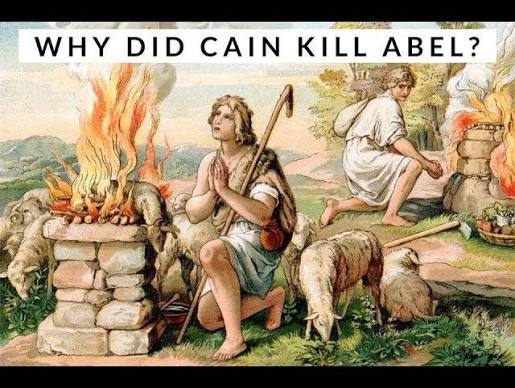
Why did Cain kill Abel in the Bible? According to Genesis 4, Cain murdered his brother Abel out of jealousy after God accepted Abel’s offering but rejected his own.
This story, found in the very first book of the Bible, is considered the first murder in human history and carries deep lessons about sin, jealousy, and the human heart.
The Bible Story of Cain and Abel
Who Were Cain and Abel
Cain and Abel were the first two sons of Adam and Eve, born after their parents were exiled from the Garden of Eden.
Cain was the elder brother and worked the ground as a farmer, while Abel was a shepherd who kept flocks of sheep.
The Offerings to God
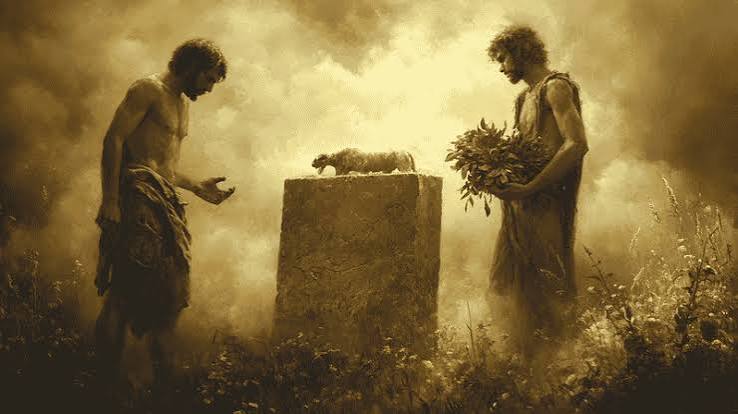
Genesis 4 describes both brothers bringing offerings to God, with Cain presenting some of the fruit of the ground and Abel offering the firstborn of his flock.
The text specifically notes that Abel brought the fat portions of the firstborn animals, suggesting he gave his very best rather than a general portion.
God’s Response to the Offerings
God regarded Abel and his offering favorably, but did not regard Cain’s offering in the same way.
This difference in response is the central turning point that sets the rest of the story into motion.
The Family Context Before the Story
Cain and Abel were born after Adam and Eve had already been exiled from the Garden of Eden for their own disobedience.
This context matters, since the family was already living with the consequences of sin before Cain’s actions introduced an even greater tragedy.
Why Genesis Places This Story Early
The story appears in Genesis 4, immediately following the account of Adam and Eve, framing it as an early example of how sin spreads and escalates across generations.
This placement suggests the narrative was intended to show a pattern rather than an isolated event.
Table: Cain and Abel Quick Facts
| Detail | Cain | Abel |
|---|---|---|
| Birth order | Firstborn son | Second son |
| Occupation | Farmer | Shepherd |
| Offering | Fruit of the ground | Firstborn of the flock |
| God’s response | Rejected | Accepted |
| Outcome | Became a murderer | Killed by his brother |
Historical and Cultural Background of Offerings
In the ancient world, offerings to a deity were a common practice among early agricultural and herding societies, reflecting gratitude and dependence on divine provision.
Understanding this cultural backdrop helps explain why the story places such heavy emphasis on the nature and quality of each brother’s gift.
Symbolism of Farming vs Herding
Cain’s identity as a farmer and Abel’s as a shepherd is sometimes seen as symbolic of two different approaches to life and worship.
Some interpreters suggest this contrast reflects broader tension in ancient societies between agricultural and pastoral ways of life.
Why God Rejected Cain’s Offering
The Quality of the Offering
Many scholars point to the specific wording in Genesis, noting that Abel offered the “firstborn” and “fat portions,” while Cain simply brought “some of the fruit.”
This distinction suggests Abel gave his best first, while Cain may have offered a more general or lesser portion.
The Heart Behind the Offering
Beyond the physical offering itself, many interpretations focus on the attitude and faith behind each brother’s gift rather than the offering alone.
Hebrews 11:4 later describes Abel’s offering as being made “by faith,” suggesting the difference was rooted in sincerity as much as substance.
Cain’s Anger and God’s Warning
Cain Becomes Angry
After his offering was rejected, Cain became very angry, and the Bible describes his face as falling in visible distress.
This emotional reaction is the first clear sign of the internal conflict that would soon lead to violence.
God Speaks Directly to Cain
God asked Cain directly why he was angry, offering him a chance to reflect and make a better choice before acting.
This moment shows that Cain was given a clear warning and opportunity to change course before the murder took place.
The Warning About Sin
God told Cain that sin was “crouching at the door,” desiring to control him, but that he must master it.
This warning is often seen as one of the Bible’s earliest teachings on the power of sin and personal responsibility.
Free Will as a Central Theme
God’s warning to Cain about mastering sin highlights the biblical theme of free will, suggesting Cain had a genuine choice in how he responded to his anger.
This theme reinforces the idea that emotional pain alone does not excuse harmful actions, since a choice still remained available to Cain.
Comparing Cain’s Sin to Adam and Eve’s Sin
While Adam and Eve’s sin involved disobedience through eating forbidden fruit, Cain’s sin escalated into direct harm against another person.
This progression is often highlighted as an example of how unresolved sin can grow more severe if left unaddressed.
The Murder of Abel
Cain Invites Abel to the Field
Despite God’s warning, Cain invited Abel out to the field, setting the stage for what would happen next.
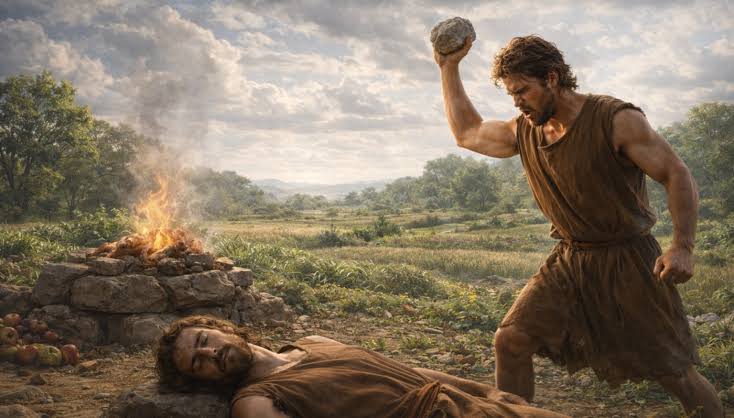
The Bible states plainly that while they were in the field, Cain rose up against his brother and killed him.
The Bible Does Not Detail the Method
Genesis does not specify exactly how Cain killed Abel, leaving the precise method open to interpretation and later tradition.
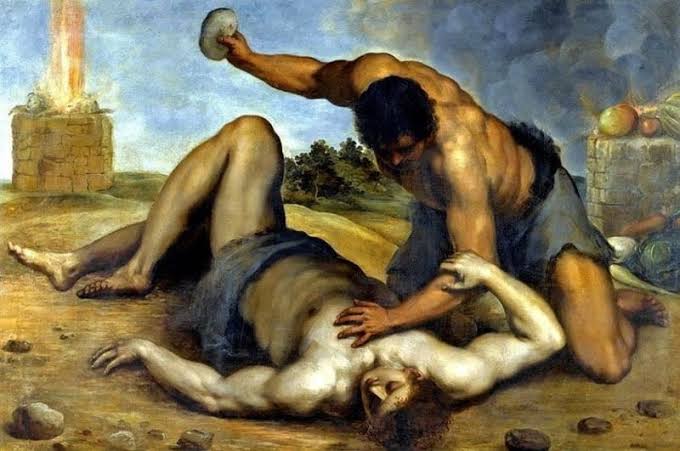
Some later writings and artistic depictions imagine tools like a rock or farming implement, though the biblical text itself remains brief.
The First Murder in Human History
This event is widely regarded as the first act of murder recorded in the Bible, marking a significant escalation from earlier sin in Eden.
Where Adam and Eve’s sin was disobedience, Cain’s act introduced violence and bloodshed into the human story.
God’s Confrontation With Cain
“Where Is Your Brother?”
After the murder, God asked Cain directly where his brother was, again giving him an opportunity to respond honestly.
Cain responded with denial, famously asking, “Am I my brother’s keeper?”
The Blood That Cried Out
God told Cain that his brother’s blood cried out to Him from the ground, indicating that the act had not gone unnoticed.
This phrase is often cited as an early biblical example of divine justice acknowledging suffering and wrongdoing.
Cain’s Punishment
As punishment, Cain was cursed from the ground he had worked and told he would become a restless wanderer on the earth.
Despite the severity of the crime, God also placed a protective mark on Cain so that others would not kill him.
Table: Key Events in the Cain and Abel Story
| Event | Description |
|---|---|
| Offerings given | Cain offers crops, Abel offers firstborn flock |
| God’s response | Abel’s offering accepted, Cain’s rejected |
| Cain’s anger | Cain becomes angry and downcast |
| God’s warning | Sin described as crouching at the door |
| The murder | Cain kills Abel in the field |
| God’s question | “Where is your brother?” |
| Cain’s denial | “Am I my brother’s keeper?” |
| The punishment | Cursed to wander, marked for protection |
The Mark of Cain and Life After the Murder
What the Mark of Cain Represents
The mark placed on Cain was meant to protect him from being killed by others, rather than serving as a symbol of shame alone.
This detail is often highlighted as an example of mercy coexisting with judgment in the biblical narrative.
Cain’s Life in the Land of Nod
After his punishment, Cain settled in the land of Nod, east of Eden, where he eventually built a city.
The text notes that Cain’s descendants included figures associated with early crafts, herding, and technology.
Cain’s Descendants and Legacy
Genesis notes that Cain’s line included descendants associated with early city-building, livestock herding, music, and metalworking.
This detail is sometimes interpreted as showing that human civilization advanced even in the shadow of humanity’s first act of violence.
A Complicated Legacy
Despite building a lasting legacy through his descendants, Cain himself remains primarily remembered in Scripture as a cautionary figure rather than a heroic one.
This contrast between accomplishment and moral failure adds complexity to how his story is remembered.
Different Interpretations of Why Cain Killed Abel
Jealousy Over Divine Favor
The most widely cited interpretation is that Cain’s jealousy over God’s acceptance of Abel’s offering directly fueled his anger and violence.
This view sees the murder as an extreme reaction to feeling rejected and overshadowed by a sibling.
Pride and Wounded Ego
Some interpretations emphasize Cain’s wounded pride more than jealousy specifically, framing the murder as a reaction to perceived humiliation.
In this view, Cain’s inability to accept correction, rather than jealousy alone, escalated the conflict.
Sibling Rivalry as a Broader Theme
Scholars often connect the Cain and Abel story to later biblical accounts of sibling rivalry, such as Joseph and his brothers.
This suggests the narrative reflects a recurring biblical theme about favoritism and rivalry between siblings.
Jewish Traditional Interpretations
Ancient Jewish sources, including early historians like Josephus, describe Cain as driven by both jealousy and a flawed moral character.
Some rabbinic traditions expand on the story with additional details about disputes between the brothers beyond the offerings alone.
Islamic Interpretation
In the Quran, the story of Cain and Abel, known as Qabil and Habil, closely mirrors the Genesis account, with jealousy again cited as the cause.
The Quran uses this story as a strong moral lesson against murder and the value of human life.
Table: Interpretations of the Motive
| Interpretation | Core Idea |
|---|---|
| Jealousy over favor | Reaction to God’s rejection of his offering |
| Wounded pride | Inability to accept correction or humility |
| Sibling rivalry theme | Reflects a recurring biblical pattern |
| Jewish tradition | Jealousy combined with moral corruption |
| Islamic tradition | Jealousy as a moral warning against murder |
New Testament References to Cain and Abel
Hebrews 11:4
This passage describes Abel’s offering as being made “by faith,” presenting him as an example of righteous devotion to God.
Abel is remembered here as someone whose faith continues to “speak” even after his death.
1 John 3:12
This verse explicitly states that Cain murdered his brother because his own deeds were evil, while Abel’s were righteous.
This passage frames the story as a moral contrast between wickedness and righteousness rather than jealousy alone.
Jude 1:11
This brief reference warns against following “the way of Cain,” using his story as a symbol of sinful, self-centered behavior.
This shows how the Cain and Abel narrative continued to serve as a moral warning throughout later biblical writings.
Table: New Testament References
| Reference | Main Point |
|---|---|
| Hebrews 11:4 | Abel’s offering made in faith |
| 1 John 3:12 | Cain’s evil deeds versus Abel’s righteousness |
| Jude 1:11 | Warning against “the way of Cain” |
Why This Story Still Matters Today
A Lesson About Jealousy
The story of Cain and Abel is often used to illustrate how unresolved jealousy can escalate into destructive, even violent, behavior.
This makes the narrative a common reference point in discussions about anger management and emotional responsibility.
A Lesson About Personal Responsibility
God’s warning to Cain about mastering sin is frequently cited as an early biblical teaching on self-control and moral choice.
The story suggests that giving in to negative emotions is a choice, not an inevitability.
A Lesson About Sincerity in Worship
The contrast between Cain’s and Abel’s offerings is often used to teach that the heart and intention behind an action matters as much as the action itself.
This theme appears repeatedly throughout both the Old and New Testaments in discussions about worship and sacrifice.
A Lesson About Brotherhood
Cain’s dismissive response, “Am I my brother’s keeper?”, is frequently referenced as a symbol of failing to care for others.
This phrase has become a broader cultural expression tied to themes of responsibility toward one’s community and family.
A Modern Psychological Reading
Some modern readers approach the story through a psychological lens, viewing Cain’s actions as an extreme example of how rejection and comparison can fuel resentment.
This perspective doesn’t replace theological interpretation but adds another layer for understanding the emotional realism behind the ancient text.
Why the Story Resonates Across Cultures
The themes of favoritism, rejection, and jealousy are universal enough that the story continues to resonate well beyond its original religious context.
This universality is part of why the Cain and Abel narrative remains widely referenced in literature, psychology, and everyday language today.
Common Misconceptions About the Story
Misconception: The Bible Describes the Murder Weapon
Many assume the Bible specifies how Cain killed Abel, but the text itself leaves this detail unstated.
Misconception: Cain Was Immediately Killed for His Crime
Rather than being killed, Cain was protected by a mark and sent to live as a wanderer instead.
Misconception: Jealousy Was the Only Factor
While jealousy is central, many interpretations point to deeper issues like pride, sincerity, and personal responsibility as contributing factors.
Use in Sermons and Religious Teaching
The Cain and Abel story is frequently used in sermons and religious education to teach lessons about anger management, sincerity, and moral accountability.
Its brevity and clear moral structure make it an accessible teaching tool across different age groups and faith backgrounds.
A Foundational Story for Moral Teaching
Because it appears so early in Genesis, the story often serves as a foundational reference point for later biblical teachings on sin, justice, and mercy.
How Artists and Culture Have Portrayed the Story
Depictions in Religious Art
The story of Cain and Abel has been a popular subject in religious paintings for centuries, often emphasizing the moment of the murder or God’s confrontation with Cain.
These depictions have shaped popular imagination about the story, sometimes adding details not explicitly found in the biblical text.
References in Literature and Language
Phrases like “mark of Cain” and “brother’s keeper” have entered everyday language, showing the story’s lasting cultural influence beyond religious contexts.
Frequently Asked Questions (FAQs)
1. Why did Cain kill Abel in the Bible?
Cain killed Abel out of jealousy after God accepted Abel’s offering but rejected his own.
2. What were Cain and Abel’s occupations?
Cain was a farmer who worked the ground, while Abel was a shepherd who tended flocks.
3. Why was Abel’s offering accepted but Cain’s rejected?
Abel offered the best portions of his flock, while Cain gave a more general offering, reflecting different levels of devotion.
4. What did God say to Cain before the murder?
God warned Cain that sin was crouching at the door and that he needed to master it.
5. How did Cain kill Abel?
The Bible does not specify the exact method used, only that Cain killed Abel in the field.
6. What was Cain’s punishment for killing Abel?
Cain was cursed to become a restless wanderer, though God also placed a protective mark on him.
7. What does “the mark of Cain” mean?
It refers to a sign God placed on Cain to protect him from being killed by others.
8. Where did Cain go after killing Abel?
Cain settled in the land of Nod, east of Eden, where he eventually built a city.
9. How is the Cain and Abel story referenced in the New Testament?
It’s referenced in Hebrews 11:4, 1 John 3:12, and Jude 1:11 as a lesson on faith and righteousness.
10. What lesson does the Cain and Abel story teach?
It teaches about the dangers of jealousy, the importance of sincerity, and personal responsibility over sin.
Conclusion
The story of Cain and Abel remains one of the most significant narratives in the Bible, illustrating how jealousy, wounded pride, and unchecked anger can lead to devastating consequences.
Cain killed his brother after God accepted Abel’s offering over his own, despite receiving a clear warning to master the sin taking hold of his heart.
Beyond the act itself, the story explores themes of divine justice, mercy, and personal responsibility that continue to resonate across Judaism, Christianity, and Islam.
References throughout the New Testament reinforce its lasting moral weight, using Cain’s actions as a warning and Abel’s faith as an example worth following. Understanding why Cain killed Abel offers timeless insight into human emotion, moral choice, and the enduring consequences of unchecked jealousy.