Why Did Rory Drop Out of Yale? Character Analysis 2026

Why did Rory drop out of Yale is one of the most debated storylines in Gilmore Girls history, and the answer says as much about her character as it does about the plot.
At the end of Season 5, a brutal career critique from Mitchum Huntzberger shattered Rory’s confidence, sending her into a spiral of impulsive decisions that ended with her leaving Yale and moving in with her grandparents.
This wasn’t really about school itself, but about identity, pressure, and a young woman questioning everything she thought she knew about herself.
What Actually Happened When Rory Left Yale?
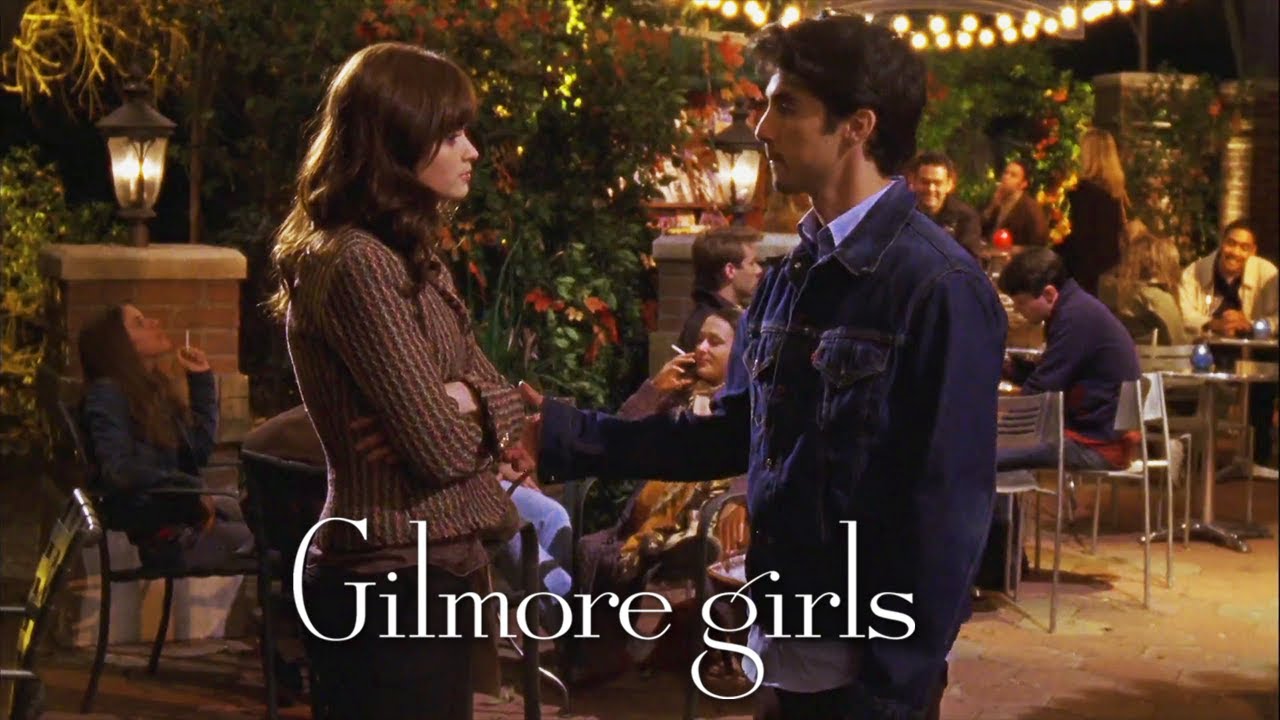
At the close of Season 5, Rory made the sudden decision to leave Yale University, shocking both her mother Lorelai and longtime fans of the show.
She didn’t officially withdraw for good. Instead, she took an extended break, moved in with her grandparents, and stepped away from journalism entirely for a stretch of time.
The Mitchum Huntzberger Confrontation
The turning point came during Rory’s internship at the Stamford Eagle Gazette, arranged by her boyfriend Logan’s powerful media mogul father, Mitchum Huntzberger.
After watching her work, Mitchum delivered a devastating assessment, telling Rory she simply didn’t have what it takes to succeed as a journalist.
Table: Key Events Leading to Rory’s Yale Departure
| Event | Impact on Rory |
|---|---|
| Stamford Eagle Gazette internship | Exposed her to real newsroom pressure |
| Mitchum’s harsh career critique | Shattered her professional confidence |
| Stealing a yacht with Logan | Signaled impulsive, out-of-character behavior |
| Announcing she’s leaving Yale | Broke her bond with Lorelai temporarily |
Why Mitchum’s Words Hit So Hard
Rory had built her entire identity around becoming a journalist since childhood, making Mitchum’s criticism feel like an attack on who she was, not just her skills.
For someone who had always excelled academically, hearing she lacked a fundamental quality needed for her dream career was uniquely destabilizing.
The Yacht-Stealing Scene and Its Meaning
Shortly after the internship ended, Rory and Logan impulsively stole a yacht, an act completely out of character for the studious, rule-following version of Rory fans knew.
This moment functioned as a visual symbol of Rory unraveling, testing a version of herself untethered from expectations, structure, and her usual identity.
Why This Storyline Felt So Shocking to Fans
Rory had spent five seasons as the disciplined, driven, book-smart daughter who never seemed to falter under pressure.
Watching her abandon that identity so suddenly felt jarring precisely because it contradicted everything the show had built her character to represent.
Table: Rory’s Character Traits Before vs. During the Yale Break
| Trait | Before the Break | During the Break |
|---|---|---|
| Academic focus | Extremely disciplined | Disengaged, avoidant |
| Relationship with Lorelai | Close, communicative | Distant, secretive |
| Decision-making | Thoughtful, cautious | Impulsive, reactive |
| Sense of identity | Clear, journalism-focused | Confused, directionless |
Was Dropping Out Really About Journalism?
Not entirely. While the internship triggered the breakdown, the underlying issue was Rory’s fear of failing at the one thing she’d always defined herself by.
Her identity had been so tightly wound around being “the smart one” that a single harsh critique made her question her entire sense of self.
The Role of Richard and Emily Gilmore
Rory’s grandparents played a significant part in enabling her departure, allowing her to move in without immediately alerting Lorelai to the situation.
Some fans argue Richard and Emily should have pushed Rory back toward Yale sooner, rather than allowing her extended withdrawal to continue.
Why Rory Stopped Talking to Lorelai
Rory’s decision to distance herself from her mother during this period marked one of the most dramatic relationship shifts in the entire series.
She seemed to associate Lorelai with the pressure and expectations she was trying to escape, even though Lorelai had never pushed journalism onto her.
Table: Reasons Behind the Rory-Lorelai Rift
| Reason | Explanation |
|---|---|
| Fear of disappointing Lorelai | Didn’t want to admit she was struggling |
| Desire for independence | Wanted to make the decision without pushback |
| Emotional avoidance | Distancing felt easier than confronting failure |
| Grandparents’ influence | Provided an alternative support system |
How Jess Mariano Changed Everything

Rory’s ex-boyfriend Jess Mariano appears during this period and directly confronts her about leaving school, asking why she made such a drastic decision.
This conversation is widely considered the turning point that pushed Rory to reconsider her choices and eventually reconcile with her mother.
Why Jess’s Confrontation Resonated With Fans
Unlike other characters who tiptoed around Rory’s decision, Jess challenged her directly, refusing to validate the excuses she had been making for herself.
For many viewers, this scene remains one of the most memorable moments in the entire series because of its raw honesty.
Did Rory Actually Drop Out Permanently?
No, despite the dramatic framing, Rory never permanently withdrew from Yale. She returned the following semester and eventually graduated on schedule.
Her time away functioned more as an extended gap period than a true dropout, though the emotional impact on the story was significant either way.
Table: Rory’s Yale Timeline
| Phase | What Happened |
|---|---|
| End of Season 5 | Leaves Yale, moves in with grandparents |
| Early Season 6 | Distant from Lorelai, working at grandparents’ request |
| Jess confrontation | Turning point toward reconciliation |
| Mid-to-late Season 6 | Returns to Yale, repairs relationship with Lorelai |
| Season 7 | Graduates from Yale as an English major |
Why Critics Say the Storyline Doesn’t Fully Add Up
Some critics have pointed out that Rory was actually studying English, not journalism, making her decision to abandon school entirely feel like an overreaction.
Since Yale didn’t even offer a journalism major, her dropping out over one internship critique struck some viewers as narratively inconsistent.
Alternative Paths Rory Could Have Taken
Given her love of literature and comfort in academic settings, some fans argue Rory could have pivoted toward teaching, editing, or creative writing instead of quitting entirely.
Her later dismissal of a headmaster job offer in the show’s revival season reinforced this idea that alternative paths were available all along.
How This Storyline Reflects Real Young Adult Struggles
Beyond the specific plot details, Rory’s Yale departure reflects a relatable experience many young adults face when their identity is challenged for the first time.
The fear of not being “good enough” at the one thing you’ve built your future around is a common, if painful, coming-of-age moment.
Table: Real-Life Parallels to Rory’s Storyline
| Rory’s Experience | Real-Life Parallel |
|---|---|
| Harsh career critique | Negative feedback shaking self-confidence |
| Withdrawing from responsibilities | Burnout or avoidance during a crisis |
| Distancing from support system | Isolating during emotional struggle |
| Eventually returning stronger | Recovery and growth after setbacks |
How Lorelai’s Reaction Shaped the Story
Lorelai’s heartbreak over Rory’s decision added emotional weight to the storyline, showing how deeply their relationship had been affected by unspoken pressure.
Their eventual reconciliation became one of the show’s most emotionally significant arcs, reinforcing the strength of their bond despite the temporary fracture.
Fan Reactions to Rory’s Yale Storyline Then vs. Now
At the time, many fans were frustrated watching Rory make choices that felt selfish or out of character compared to earlier seasons.
Rewatching the show years later, some fans have grown more sympathetic, recognizing the storyline as a realistic portrayal of identity crisis rather than simple bad behavior. This shift in perception reflects a broader cultural change in how audiences discuss mental health, burnout, and academic pressure on screen.
Table: Fan Perception Then vs. Now
| Perspective | Original Airing | Modern Rewatches |
|---|---|---|
| Overall sympathy for Rory | Lower | Higher |
| View of Mitchum’s critique | Justified, harsh feedback | Overly cruel, damaging |
| View of Lorelai and Rory’s rift | Frustrating | Realistic family conflict |
| View of the storyline overall | Divisive | More nuanced and relatable |
How This Arc Fits Into Rory’s Overall Character Development

The Yale departure represents a pivotal moment where Rory’s carefully constructed identity was tested for the first time in the series.
Her eventual return to Yale and reconciliation with Lorelai marked meaningful growth, showing she could recover from failure rather than being defined by it.
Why This Remains One of the Show’s Most Discussed Moments
Even years after the show ended, this storyline continues to generate discussion among fans revisiting the series or discovering it for the first time.
Its themes of identity, pressure, and family relationships remain relatable, keeping the conversation around Rory’s choices alive well into 2026.
How the Storyline Connects to the Revival Series
In the Netflix revival “A Year in the Life,” echoes of this same identity struggle reappear as an adult Rory faces new career uncertainty.
This connection suggests the show’s writers viewed Rory’s Yale crisis as an early sign of a recurring pattern in her character’s relationship with ambition and identity.
What This Storyline Teaches About Handling Criticism
Rory’s reaction to Mitchum’s critique offers a cautionary example of how harsh feedback, when taken too personally, can spiral into avoidance rather than growth.
Her eventual recovery shows the importance of leaning on support systems instead of isolating during moments of professional or personal doubt.
Setting the Scene: Rory’s Life Before the Breakdown
To understand why the Yale departure felt so shocking, it helps to remember how meticulously Rory’s early character was built around ambition and control.
From childhood, she was portrayed as bookish, focused, and destined for greatness, rarely showing the kind of vulnerability that defined her Season 5 unraveling.
The Pressure of Being “The Smart One”
Throughout the series, Rory’s identity was constantly reinforced by others labeling her as gifted, driven, and destined for success in journalism.
This external validation, while well-intentioned, left little room for failure, making Mitchum’s critique feel like it shattered her entire sense of self-worth.
How Logan Huntzberger Fits Into the Storyline
Rory’s relationship with Logan indirectly set the stage for her crisis, since it was through him that she gained access to his father’s newsroom.
Logan’s more carefree, privileged approach to life also seemed to influence Rory during this period, as she experimented with impulsive behavior uncharacteristic of her usual self.
Table: Key Relationships During Rory’s Yale Crisis
| Relationship | Role During the Storyline |
|---|---|
| Logan Huntzberger | Introduced her to Mitchum, influenced impulsive behavior |
| Mitchum Huntzberger | Delivered the critique that triggered the crisis |
| Jess Mariano | Confronted her, sparked reconciliation with Lorelai |
| Richard and Emily Gilmore | Provided housing and support during the break |
| Lorelai Gilmore | Estranged, then reconciled by storyline’s end |
Why Rory’s Reaction Felt Disproportionate to Some Viewers
A single negative review from one media executive, however harsh, seemed like an extreme reason to abandon an entire Ivy League education and academic path built over years.
This disproportion is part of what made the storyline so divisive, since it hinged on Rory’s internal fragility rather than any external, unavoidable obstacle.
The Writers’ Intent Behind the Storyline
Show creator Amy Sherman-Palladino has spoken about wanting to explore what happens when a character defined by success faces real failure for the first time.
This creative choice aimed to add depth and realism to Rory’s character, moving her beyond the “perfect daughter” archetype established in earlier seasons of the show.
How This Storyline Compares to Other TV Identity Crises
Rory’s Yale departure fits into a broader pattern of coming-of-age television storylines where high-achieving characters face a pivotal identity-shaking failure.
This type of arc appears across many shows featuring young, ambitious characters, often serving as a turning point that adds emotional depth, realism, and lasting resonance for viewers.
Table: Common Elements in TV Identity Crisis Storylines
| Element | Purpose in Storytelling |
|---|---|
| Sudden harsh criticism | Triggers self-doubt in a previously confident character |
| Impulsive behavior | Signals internal instability |
| Withdrawal from support system | Heightens emotional stakes |
| Eventual reconciliation | Demonstrates growth and resilience |
What Rory’s Grandparents’ House Represented
Moving in with Richard and Emily symbolized more than just a change of address. It represented Rory retreating into a more controlled, structured environment.
This contrasted sharply with the chaotic, impulsive decisions she’d been making, suggesting a subconscious desire for stability even while rejecting her previous path.
The DAR and Community Service Subplot
During her time away from Yale, Rory becomes involved in Daughters of the American Revolution activities alongside her grandmother, a notably different world from journalism.
This subplot highlighted just how far Rory had drifted from her original ambitions, immersing herself in an entirely different social and lifestyle bubble far removed from newsroom culture.
Why This Subplot Divided Fans Further
Watching Rory attend DAR meetings and socialize with her grandmother’s circle felt like a betrayal of her established identity to many longtime viewers.
Others saw it as a natural, if uncomfortable, exploration of what life might look like without the pressure of academic and career ambition.
How Paris Geller’s Reaction Highlighted the Contrast
Rory’s Yale roommate and academic rival Paris Geller reacted with disbelief and frustration upon learning Rory had abandoned her studies.
Paris’s intense dedication to her own academic path served as a foil, emphasizing just how far Rory had strayed from her former ambitious self.
Table: Paris vs. Rory During the Yale Crisis
| Trait | Paris Geller | Rory Gilmore (During Crisis) |
|---|---|---|
| Academic focus | Unwavering | Abandoned temporarily |
| Response to setbacks | Doubles down, pushes harder | Withdraws, avoids |
| Relationship with ambition | Central to identity | Questioned entirely |
The Symbolism of Rory’s Return to Yale
When Rory finally returns to Yale, it’s framed not just as a practical decision, but as a reclaiming of her sense of purpose and identity.
Her graduation in Season 7 closes this arc, reinforcing that the setback, while painful, didn’t define her long-term trajectory.
What Rory’s Journey Says About Failure and Recovery
Rather than portraying failure as something to avoid entirely, this storyline suggests that stumbling and recovering can be part of authentic personal growth for any young adult finding their way.
Rory’s arc ultimately reframes her Yale departure not as a permanent flaw, but as a necessary, if messy, step in her development as a character and as a person.
Did Rory’s Yale Storyline Age Well?
Opinions remain divided, though many modern viewers appreciate the storyline more for its emotional honesty than they did during its original television airing.
Revisiting the arc with fresh eyes years later often reveals more empathy for Rory’s fragility, rather than the frustration many first-time viewers initially felt watching it unfold.
Why This Storyline Still Matters to New Viewers in 2026
As new audiences continue discovering Gilmore Girls through streaming platforms, this storyline continues to spark fresh discussion across social media and fan communities.
Its exploration of identity, pressure, and imperfect family dynamics feels just as relevant to today’s viewers as it did during the show’s original run on television.
Frequently Asked Questions (FAQs)
Why did Rory drop out of Yale?
A harsh career critique from Mitchum Huntzberger shattered her confidence, leading to an impulsive decision to leave school.
Did Rory permanently drop out of Yale?
No, she took an extended break and returned, eventually graduating from Yale as an English major.
What episode does Rory drop out of Yale?
Rory’s decision unfolds at the end of Season 5 and continues into the early episodes of Season 6.
Why did Rory stop talking to Lorelai?
She distanced herself to avoid disappointing her mother and escape the pressure tied to their relationship.
What convinced Rory to go back to Yale?
A direct confrontation from Jess Mariano pushed her to reconsider her choices and reconcile with Lorelai.
Was Rory actually failing at journalism?
Not entirely. Mitchum’s critique was harsh, but Rory’s real struggle was tied more to identity than raw skill.
Why did Rory steal a yacht with Logan?
The impulsive act symbolized her unraveling identity and desire to escape expectations during her crisis.
Did Rory’s grandparents help her drop out?
Yes, Richard and Emily allowed her to move in without immediately informing Lorelai of the decision.
Why was Yale offering Rory a journalism critique if she studied English?
Yale doesn’t offer a journalism major, which is part of why critics find the storyline narratively inconsistent.
How does the Yale storyline connect to the revival series?
Rory faces similar identity and career uncertainty as an adult, echoing themes from her original Yale crisis.
Conclusion
Rory’s decision to leave Yale remains one of Gilmore Girls’ most talked-about storylines because it broke from everything fans expected of her character. A single harsh critique from Mitchum Huntzberger exposed just how fragile Rory’s sense of identity was beneath her polished, high-achieving exterior.
Her impulsive choices, temporary estrangement from Lorelai, and eventual return to Yale reflect a realistic, if messy, coming-of-age arc rather than simple bad writing. Jess Mariano’s blunt confrontation became the emotional turning point that pushed her back toward reconciliation and growth.
Looking back in 2026, many fans view this storyline with more empathy, recognizing it as an honest portrayal of identity crisis rather than pure selfishness.
Understanding why Rory dropped out of Yale ultimately reveals more about resilience, pressure, and self-worth than it does about journalism, academics, or any single career path alone.