Why Do I Bite My Tongue When I Sleep? Relief Tips 2026
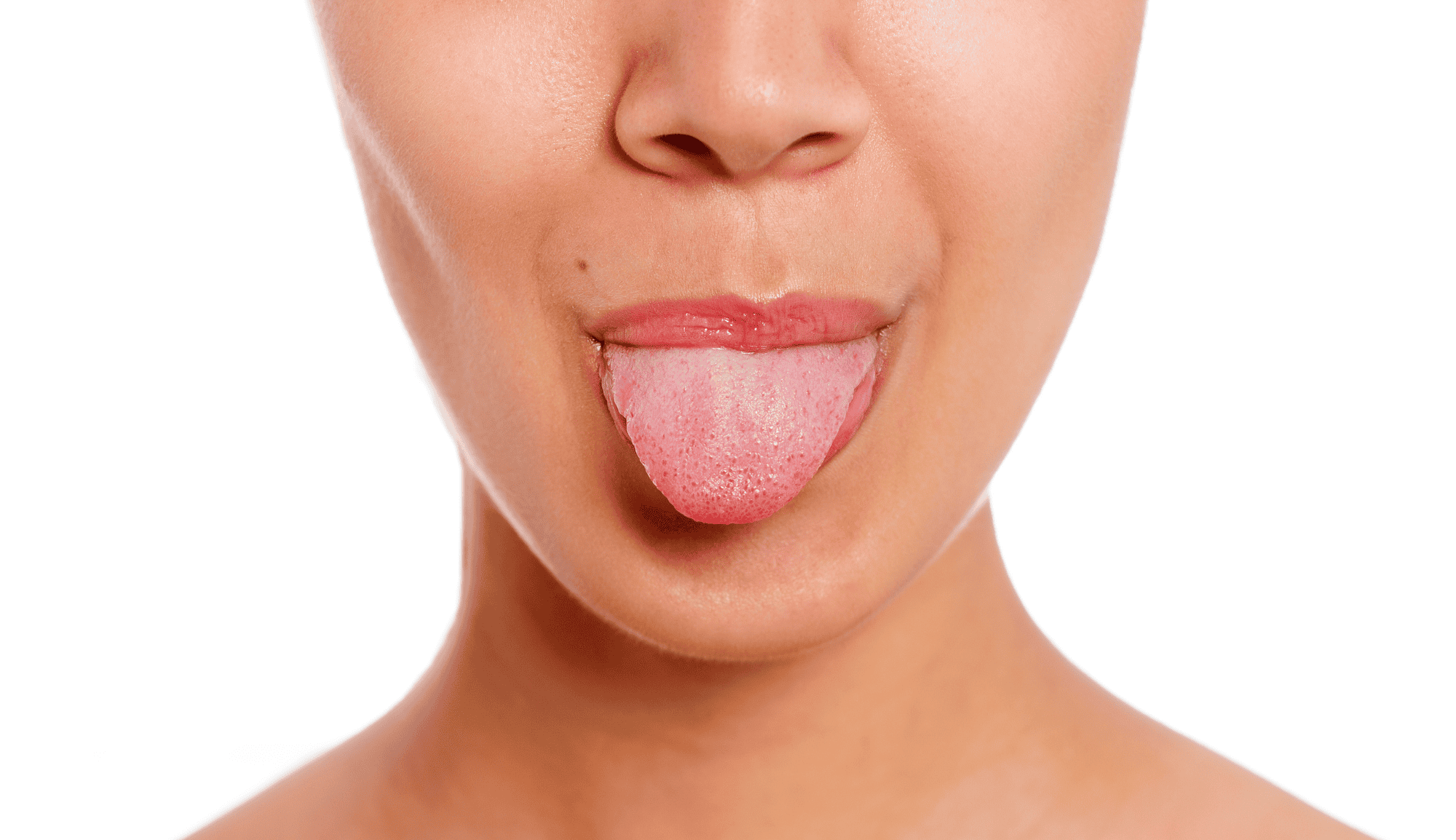
Why do I bite my tongue when I sleep? In most cases, it comes down to bruxism, the medical term for grinding or clenching your teeth during sleep, which can force your tongue between your teeth without you realizing it.
Other common causes include misaligned teeth, sleep apnea, muscle spasms, and occasionally more serious conditions like nighttime seizures.
Waking up with a sore, swollen, or bleeding tongue can feel confusing and even a little alarming, but most cases are treatable once the underlying cause is identified.
Quick Answer: Why Do I Bite My Tongue When I Sleep?
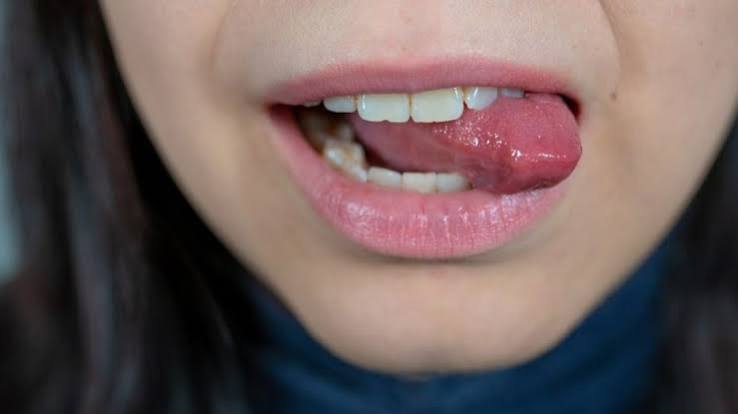
The most common cause of tongue biting during sleep is bruxism, where involuntary jaw clenching or grinding forces the tongue between the teeth.
Other frequent causes include misaligned teeth, sleep apnea, facial muscle spasms, and rhythmic movement disorders, especially in children.
In rare cases, tongue biting during sleep can be linked to nighttime seizures, which should always be evaluated by a doctor.
Is Tongue Biting During Sleep Normal or a Red Flag?
An occasional tongue bite during sleep is usually harmless and often linked to stress, fatigue, or a one-off episode of jaw tension.
The concern grows when it happens repeatedly, causes noticeable pain or bleeding, or is paired with other symptoms like snoring, jerking movements, or confusion upon waking.
Watching for patterns, especially if a sleep partner notices unusual sounds or movements, helps you judge how urgent the situation really is.
What Is Nocturnal Tongue Biting?
Nocturnal tongue biting refers to accidentally clenching or biting your tongue while you are asleep, often without any memory of it happening.
It is a surprisingly common experience, and in most cases the underlying cause is treatable once properly identified by a dentist or doctor.
| Term | Meaning |
|---|---|
| Bruxism | Involuntary grinding or clenching of the teeth, often during sleep |
| Malocclusion | Misalignment of the upper and lower teeth |
| Facio-mandibular myoclonus | Sudden, forceful muscle contractions in the face and jaw during sleep |
| Morsicatio buccarum | A condition involving chronic biting of the tongue, lips, or cheek |
Common Causes of Biting Your Tongue While Sleeping
There is rarely a single explanation for nocturnal tongue biting. It can come from muscle activity, dental alignment, sleep disorders, or stress, so it helps to look at each cause individually.
Below are the most frequently documented reasons people bite their tongues during sleep, based on dental and medical sources.
Sleep Bruxism (Teeth Grinding)
Sleep bruxism is one of the most common causes of nocturnal tongue biting, occurring when the jaw clenches or grinds forcefully during lighter stages of sleep.
When teeth grind together with force, the tongue can get caught between them, leading to accidental bites without the person waking up.
Stress and Anxiety
Even without full-blown bruxism, stress can increase muscle tension in the jaw, and that tension can carry into sleep as clenching or involuntary biting.
Your body may be physically expressing built-up tension at night, even if you do not consciously feel stressed during the day.
Misaligned Teeth (Malocclusion)
When the upper and lower teeth do not fit together properly, it is called malocclusion, and this misalignment can push the tongue into a vulnerable position.
People with malocclusion are more likely to bite their tongue during normal jaw movements throughout the night.
Sleep Apnea
Obstructive sleep apnea causes repeated pauses in breathing during sleep, and people with this condition often have a larger tongue or overly relaxed mouth muscles.
This combination increases the likelihood of the tongue slipping into a position where it gets bitten during breathing-related movements.
Facial Muscle Spasms
Also known as facio-mandibular myoclonus, facial muscle spasms involve sudden, forceful contractions of the jaw and face muscles, more common in children than adults.
These spasms can cause involuntary jaw clenching that leads to tongue biting, along with uncontrollable chin trembling in some cases.
Rhythmic Movement Disorder
This condition, more common in children, causes sudden jerks and sharp movements during sleep, usually affecting the head and neck.
These movements can lead to accidental tongue biting, though most children outgrow the disorder over time.
REM Sleep Behavior Disorder
REM Sleep Behavior Disorder is a condition where a person physically acts out their dreams due to a lack of normal muscle paralysis during REM sleep.
This can lead to sudden movements and, in some cases, tongue injuries from unconscious biting or jaw clenching.
Nighttime Seizures
Seizure disorders like epilepsy can trigger tongue biting during sleep, since uncontrolled muscle activity during a seizure often causes forceful jaw clenching.
If you suspect nighttime seizures, especially with confusion or exhaustion upon waking, it is important to see a medical professional right away.
An Overcrowded Mouth or Tongue Thrusting
An overcrowded mouth or a naturally larger tongue can force the tongue into a vulnerable position, increasing the risk of it getting caught between the teeth.
Some individuals also naturally press their tongue against their teeth during sleep, a habit known as tongue thrusting, which raises injury risk.
Symptoms to Watch Alongside Tongue Biting
Nocturnal tongue biting rarely tells the whole story on its own. The symptoms that show up with it are usually what help identify the underlying cause.
Keeping a short note of when it happens and what else you notice can make a dental or medical visit far more useful.
| Symptom Seen With Tongue Biting | Possible Cause |
|---|---|
| Jaw soreness or worn teeth | Bruxism |
| Loud snoring or gasping for air | Sleep apnea |
| Sudden jerking movements | Rhythmic movement disorder, REM sleep behavior disorder |
| Chin trembling or facial spasms | Facio-mandibular myoclonus |
| Confusion or exhaustion upon waking | Possible nighttime seizure |
| Crooked or misaligned teeth | Malocclusion |
| Recurring ulcers or infections | Chronic tongue biting needing evaluation |
When Tongue Biting Becomes a Medical Concern
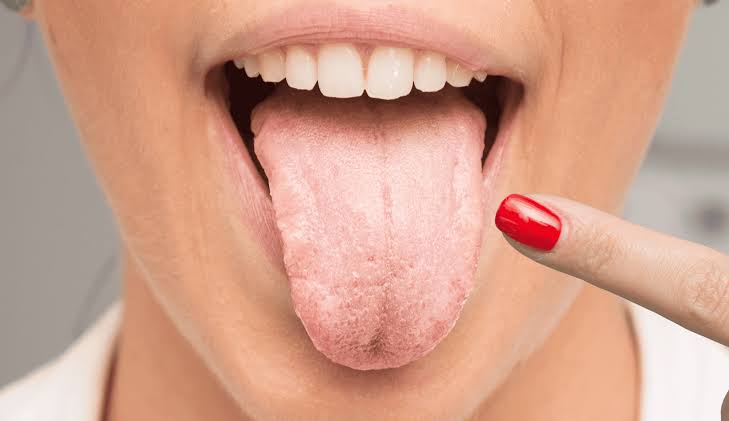
Occasional mild tongue biting during sleep is usually not a serious concern and often resolves without specific treatment.
Repeated tongue biting that causes cuts, ulcers, or bleeding can genuinely lead to infection if left untreated, so ongoing episodes deserve medical attention.
Tongue biting paired with confusion, extreme exhaustion, or witnessed convulsive movements should be treated as a possible sign of a seizure and evaluated promptly.
If a sleep partner reports choking sounds, pauses in breathing, or unusual movements, this combination points toward a sleep disorder that needs professional diagnosis.
How Doctors and Dentists Diagnose the Cause
A dentist will often check for signs of bruxism first, including worn tooth enamel, jaw soreness, and scalloped edges on the tongue.
If sleep apnea is suspected, a sleep study, called a polysomnogram, can monitor breathing patterns, oxygen levels, and muscle activity overnight.
For suspected seizures, a doctor may recommend an EEG to measure brain activity and confirm or rule out a seizure disorder.
Orthodontic evaluation can help identify malocclusion or overcrowding as a contributing factor when tongue biting seems linked to how the teeth fit together.
How to Stop Biting Your Tongue at Night
Once you have a general sense of the likely cause, several practical steps can reduce or eliminate nocturnal tongue biting.
The goal is to protect the tongue physically while also addressing the underlying cause, whether that is stress, dental alignment, or a sleep disorder.
Wear a Night Guard
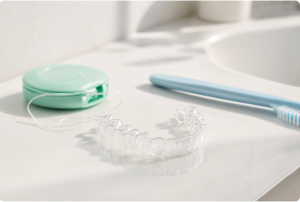
A custom-fitted night guard from your dentist creates a physical barrier between your teeth, reducing the chance of catching your tongue while grinding or clenching.
This is one of the most effective and commonly recommended solutions for bruxism-related tongue biting.
Manage Stress and Anxiety
Since stress often contributes to jaw tension, relaxation techniques like meditation, deep breathing, or yoga can help reduce nighttime clenching.
Addressing stress during the day can meaningfully reduce how much tension carries over into your sleep.
Improve Sleep Hygiene
A calming bedtime routine, a comfortable sleep environment, and avoiding stimulants like caffeine before bed all support more relaxed, restful sleep.
Better overall sleep quality can reduce the muscle tension and disrupted sleep stages that contribute to tongue biting.
Treat Underlying Sleep Apnea
If sleep apnea is diagnosed, treatments like a CPAP machine or an oral appliance can improve airflow and reduce the abnormal muscle relaxation linked to tongue biting.
Addressing sleep apnea also improves overall sleep quality and reduces other associated health risks.
Correct Misaligned Teeth
Orthodontic treatment, such as braces or aligners, can correct malocclusion over time, reducing the chances of your tongue getting caught between misaligned teeth.
This is typically a longer-term solution but can meaningfully reduce injury risk once alignment improves.
See a Doctor for Suspected Seizures
If nighttime seizures are suspected, a neurologist can run diagnostic tests and recommend appropriate treatment to manage the underlying condition.
Getting an accurate diagnosis is important, since seizure-related tongue biting requires a very different treatment approach than bruxism.
Products and Tools That Can Help
A few simple tools can support the prevention strategies covered earlier in this guide, especially for bruxism-related tongue biting.
| Tool | How It Helps |
|---|---|
| Custom night guard | Creates a barrier between teeth during grinding or clenching |
| CPAP machine | Treats sleep apnea by keeping airways open during sleep |
| Stress-relief apps or meditation guides | Supports relaxation before bed to reduce jaw tension |
| Orthodontic aligners | Gradually corrects misaligned teeth over time |
| Sleep tracking device | Helps identify unusual movements or disrupted sleep patterns |
None of these tools replace a proper diagnosis when tongue biting is frequent, severe, or paired with other concerning symptoms.
Healing and Caring for a Bitten Tongue
Rinsing your mouth gently with warm salt water can help clean a fresh tongue bite and reduce the risk of infection.
Avoiding spicy, acidic, or very hot foods for a day or two allows the injured area to heal without added irritation.
Most minor tongue bites heal within a few days on their own, but persistent soreness or swelling should be checked by a doctor or dentist.
Myths vs Facts About Tongue Biting in Sleep

There is a lot of casual speculation online about nighttime tongue biting, so it helps to separate common myths from what medical and dental sources actually support.
| Myth | Fact |
|---|---|
| Only stressed people bite their tongue at night | Sleep apnea, malocclusion, and muscle spasms are just as common causes |
| Tongue biting always means bruxism | It can also stem from seizures, sleep disorders, or dental alignment issues |
| A night guard fixes every case | It helps with bruxism specifically but does not address sleep apnea or seizures |
| Occasional tongue biting is always harmless | Repeated biting can lead to infection, ulcers, and disrupted sleep |
| Only adults experience nocturnal tongue biting | Children commonly experience it too, often from rhythmic movement disorder |
A Quick Doctor or Dentist Visit Checklist
Before your appointment, note how often the tongue biting happens, how severe it is, and whether you notice jaw soreness or worn teeth in the morning.
Ask a sleep partner if they have noticed snoring, gasping, jerking movements, or unusual sounds, since these details can help identify sleep apnea or movement disorders.
Mention any recent stress, anxiety, or life changes, as well as any family history of teeth grinding, seizures, or sleep disorders.
Tongue Biting in Children vs Adults
Children often experience nocturnal tongue biting from rhythmic movement disorder or facial muscle spasms, both of which are typically outgrown as they get older.
Parents may notice sudden jerks, head movements, or chin trembling in younger children, which usually resolves without long-term treatment.
Adults are more likely to experience tongue biting linked to bruxism, sleep apnea, or dental alignment issues, which often require a more targeted, ongoing treatment approach.
Regardless of age, persistent or severe tongue biting deserves a proper evaluation rather than being dismissed as something that will simply go away.
The Link Between Stress and Nighttime Jaw Tension
Stress is one of the most common underlying contributors to nighttime jaw clenching, even in people who do not consider themselves particularly anxious.
The body often holds onto tension physically, and the jaw is one of the most common areas where this tension shows up during sleep.
Building daily stress-reduction habits, such as short walks, journaling, or simple breathing exercises, can meaningfully reduce the muscle tension that leads to nighttime clenching and biting.
Over time, addressing the root cause of stress tends to produce more lasting improvement than relying on physical barriers alone.
How Diet and Lifestyle Habits Affect Tongue Biting
Consuming caffeine or alcohol close to bedtime can increase muscle tension and disrupt normal sleep stages, both of which may contribute to bruxism-related tongue biting.
Staying well hydrated and maintaining a consistent sleep schedule supports more stable, restful sleep, which can reduce the frequency of involuntary nighttime movements.
Avoiding heavy meals right before bed may also help reduce the likelihood of disrupted sleep that contributes to muscle tension and jaw clenching.
| Lifestyle Factor | Effect on Tongue Biting Risk |
|---|---|
| Caffeine before bed | Increases muscle tension and disrupts sleep |
| Alcohol before bed | Can worsen sleep apnea symptoms and muscle relaxation |
| Irregular sleep schedule | Increases stress and disrupted sleep stages |
| High stress levels | Raises jaw clenching and grinding risk |
| Poor hydration | May contribute to overall muscle tension |
When Tongue Biting Signals a Sleep Disorder Worth Testing
If tongue biting consistently occurs alongside loud snoring, gasping for air, or long pauses in breathing, a sleep study can provide a clear diagnosis.
Sleep studies, called polysomnograms, monitor brain activity, breathing, oxygen levels, and muscle movement overnight to identify the exact cause of disrupted sleep.
Getting a proper diagnosis through a sleep study allows for more targeted treatment, whether that means a CPAP machine, an oral appliance, or another intervention.
Long-Term Outlook for Nocturnal Tongue Biting
With the right diagnosis and treatment, most people see a significant reduction in nocturnal tongue biting within a few weeks to a few months.
Bruxism-related cases often improve quickly with a night guard, while sleep apnea and dental alignment issues may take longer to fully resolve with ongoing treatment.
Consistency with treatment, whether that is wearing a night guard nightly or following through with orthodontic care, plays a major role in long-term success.
Building a Nightly Routine That Protects Your Tongue
A consistent bedtime routine that includes relaxation, proper hydration, and avoiding stimulants sets the stage for calmer, less tense sleep overall.
Wearing a night guard consistently, rather than only occasionally, gives the most reliable protection against bruxism-related tongue injuries over time.
Tracking your symptoms in a simple sleep journal can help you and your healthcare provider notice patterns and measure whether treatment is working as expected.
Frequently Asked Questions (FAQs)
Why do I keep biting my tongue every night?
Repeated nightly tongue biting is most often linked to bruxism, though sleep apnea or misaligned teeth can also be contributing factors.
Can stress really cause me to bite my tongue while sleeping?
Yes, stress increases jaw muscle tension, which can lead to clenching and involuntary tongue biting during sleep.
Is biting your tongue in your sleep a sign of a seizure?
It can be in rare cases, especially if paired with confusion or exhaustion upon waking, so persistent cases should be evaluated by a doctor.
Does a night guard stop tongue biting completely?
A night guard significantly reduces bruxism-related tongue biting by creating a physical barrier, though it does not address other causes like sleep apnea.
Can sleep apnea cause tongue biting?
Yes, relaxed mouth muscles and a larger tongue associated with sleep apnea can increase the likelihood of accidental tongue biting.
Is it normal for children to bite their tongue at night?
Yes, it is fairly common in children and is often linked to rhythmic movement disorder, which most children outgrow over time.
How do I know if my tongue biting is from bruxism?
Signs like jaw soreness, worn tooth enamel, and headaches upon waking often point toward bruxism as the underlying cause.
Can misaligned teeth cause nighttime tongue biting?
Yes, malocclusion can push the tongue into a vulnerable position, increasing the risk of it getting caught between the teeth.
When should I see a doctor about biting my tongue in my sleep?
See a doctor if it happens frequently, causes significant injury, or comes with confusion, jerking movements, or signs of sleep apnea.
How long does a bitten tongue take to heal?
Most minor tongue bites heal within a few days with basic care, though persistent soreness or swelling should be evaluated professionally.
Conclusion
Biting your tongue while you sleep is usually caused by bruxism, the involuntary grinding or clenching that forces your tongue between your teeth without you realizing it. Other common causes include misaligned teeth, sleep apnea, muscle spasms, and movement disorders, while nighttime seizures remain a rarer but important possibility to rule out.
Paying attention to accompanying symptoms like jaw soreness, snoring, jerking movements, or confusion upon waking helps you and your doctor identify the right underlying cause.
Simple solutions like a custom night guard, better sleep hygiene, and stress management resolve many cases, while sleep apnea or dental alignment issues may need more targeted treatment. If tongue biting is frequent, severe, or paired with concerning symptoms, a dentist or doctor can provide an accurate diagnosis and a clear path toward relief.