Why Does It Hurt When I Pee After Sex? Common Causes 2026
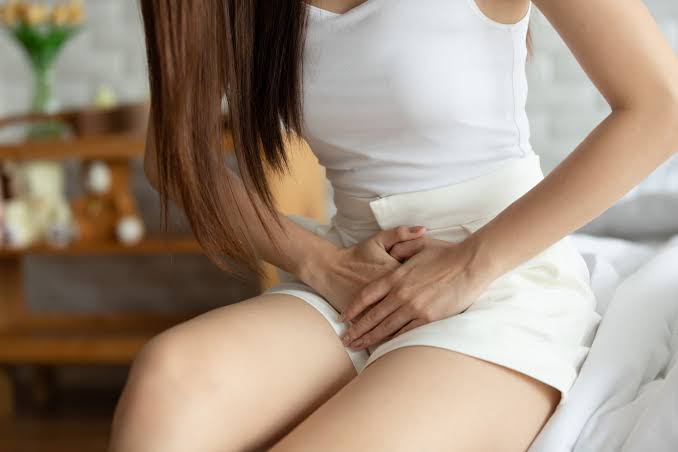
Why does it hurt when I pee after sex is a question many people search after experiencing sudden burning or discomfort during urination following intercourse. This symptom, known medically as dysuria, is common and often treatable once the underlying cause is identified.
Why Does It Hurt When I Pee After Sex? What Is Dysuria?

Dysuria is the medical term for pain, burning, or discomfort experienced during urination.
It is not a diagnosis itself but rather a symptom pointing toward an underlying issue affecting the urinary or reproductive system.
Dysuria can affect anyone, though it occurs more frequently in women due to anatomical differences.
Why This Happens After Sex Specifically
Sexual activity can introduce bacteria, cause friction, or irritate sensitive tissue around the urethra.
This makes post-sex dysuria a fairly common complaint in both sexual health and general medical practice settings.
Understanding the anatomical and physiological reasons behind this can help explain why the symptom often appears shortly after intercourse.
Urinary Tract Infections
A urinary tract infection, or UTI, is the most common cause of painful urination after sex.
During intercourse, bacteria such as E. coli can be pushed from the anus or skin into the urethra, leading to infection.
If left untreated, this bacteria can travel further into the bladder or even the kidneys, causing more serious symptoms.
Symptoms Of A Bladder Infection
A bladder infection often causes burning during urination, frequent urges to pee, and cloudy or strong-smelling urine.
Some people also notice mild pelvic discomfort or a feeling of incomplete bladder emptying.
These symptoms typically require antibiotic treatment prescribed by a doctor to fully clear the infection.
When UTIs Progress To Kidney Infections
If bacteria travel further up the urinary tract, a kidney infection can develop with more severe symptoms.
These may include fever, chills, back or side pain, nausea, and more intense discomfort than a typical bladder infection.
Kidney infections require prompt medical attention, as they can lead to more serious complications if left untreated.
Urethral Irritation From Friction
Sexual activity, especially without adequate lubrication, can cause friction and micro-irritation around the urethra.
This mechanical irritation can mimic infection symptoms, causing a burning sensation during urination even without bacteria being involved.
This cause is particularly common in women due to the shorter urethra and its closer proximity to the vaginal opening.
Insufficient Lubrication And Its Effects
Inadequate lubrication during intercourse increases friction, which can lead to small tears or irritation in delicate tissue.
This irritation often results in discomfort during urination shortly after sexual activity.
Using a good quality, water-based lubricant can significantly reduce this type of friction-related irritation.
Sexually Transmitted Infections
Certain sexually transmitted infections, including chlamydia and gonorrhea, can cause dysuria as one of their primary symptoms.
Chlamydia is often asymptomatic but may cause burning urination, unusual discharge, or pelvic discomfort when symptoms do appear.
Gonorrhea frequently causes a visible discharge alongside painful urination, though this is not present in every case.
Genital Herpes And Painful Urination
Genital herpes can cause painful urination, especially when open sores or blisters are present near the urethral opening.
Urine passing over these sensitive sores can create a stinging or burning sensation during urination.
Testing and antiviral treatment from a healthcare provider can help manage symptoms and reduce future outbreaks.
Why Testing Matters For STIs
Because UTI and STI symptoms can overlap significantly, it is not always possible to distinguish between them based on symptoms alone.
Testing remains the only reliable way to confirm whether an infection is present and which specific pathogen is involved.
Getting tested promptly also helps prevent potential complications and reduces the risk of passing an infection to a partner.
Comparison Of Common Causes
| Cause | Typical Symptoms | Common In |
|---|---|---|
| UTI | Burning, frequent urge to pee, cloudy urine | Women, sexually active individuals |
| Friction Irritation | Mild burning, no discharge | Anyone with insufficient lubrication |
| Chlamydia | Burning, possible discharge, pelvic pain | Sexually active individuals |
| Gonorrhea | Burning, colored discharge | Sexually active individuals |
| Herpes | Burning near sores or blisters | Anyone with active outbreak |
Prostatitis In Men

Prostatitis is inflammation of the prostate gland, which can be triggered by bacterial infection or other underlying causes.
Because the prostate sits close to the urethra, inflammation here can cause discomfort during urination, especially after ejaculation.
This condition may require antibiotics or other targeted treatment depending on the underlying cause identified by a doctor.
Interstitial Cystitis And Urethral Syndrome
Interstitial cystitis and urethral syndrome are conditions that cause persistent urinary symptoms, including dysuria, without any infection present.
These conditions can be triggered or worsened by sexual activity due to pressure or irritation near the bladder and urethra.
Management often involves lifestyle adjustments and treatments recommended by a specialist familiar with chronic bladder conditions.
Dehydration And Concentrated Urine
Not drinking enough water can lead to more concentrated urine, which may cause mild stinging during urination.
This effect can become more noticeable after sexual activity if the area is already slightly irritated from friction.
Staying well-hydrated throughout the day helps dilute urine and reduce this type of discomfort.
Irritants From Products And Hygiene Items
Scented soaps, douches, contraceptive sponges, and spermicides can all irritate sensitive genital tissue.
This irritation may not be immediately noticeable but can worsen with the added friction and moisture from sexual activity.
Switching to fragrance-free, gentle products can help reduce irritation-related dysuria over time.
The Myth About Peeing Before Sex
Many people believe urinating before sex helps prevent infection, but this can actually have the opposite effect.
Peeing before sex means your urine stream afterward may be weaker, making it less effective at flushing out bacteria pushed into the urethra during intercourse.
Doctors generally recommend urinating after sex instead, as this helps clear bacteria more effectively.
Why Women Are More Prone To This Symptom
Women have a shorter urethra located closer to the vaginal opening and anus, increasing the risk of bacterial transfer during sex.
This anatomical difference explains why UTIs and post-sex dysuria are significantly more common in women than in men.
Understanding this anatomical context can help explain why preventive habits are especially important for women.
Oral Sex And Bacterial Transfer
Certain sexual practices, including oral sex, can introduce bacteria into the urinary tract in some cases.
This transfer of bacteria may contribute to infection and subsequent burning sensation during urination.
Practicing good hygiene before and after any type of sexual activity can help reduce this risk.
Non-Infectious Causes Are Common Too
Not all painful urination after sex is caused by an infection or sexually transmitted disease.
Simple urethral irritation from friction, dehydration, or contact with irritant products can all cause similar symptoms without any infection present.
These non-infectious causes often resolve on their own within a short period without requiring specific treatment.
How To Manage Mild Symptoms At Home
Staying well-hydrated helps dilute urine and reduce irritation-related discomfort during urination.
Urinating after sex, rather than before, helps flush out bacteria that may have entered the urethra during intercourse.
Using gentle, fragrance-free hygiene products can help minimize irritation from external sources.
When Home Management Is Not Enough
If symptoms persist for more than a day or two, home management alone is unlikely to resolve an underlying infection.
Worsening pain, fever, or visible discharge are signs that professional medical evaluation is necessary.
Attempting to manage a genuine infection without proper treatment can allow it to worsen or spread further.
Warning Signs That Require Medical Attention

Fever, chills, and back or side pain may indicate the infection has progressed to the kidneys.
Blood in the urine, unusual discharge, or pelvic pain are also signs that warrant prompt medical evaluation.
These symptoms should never be ignored, as they can indicate a more serious underlying condition requiring treatment.
Symptom Severity Guide
| Symptom | Level Of Concern |
|---|---|
| Mild burning, resolves within a day | Low, monitor and stay hydrated |
| Persistent burning lasting more than 2 days | Moderate, schedule a doctor visit |
| Fever, back pain, or chills | High, seek medical care promptly |
| Blood in urine or unusual discharge | High, seek medical care promptly |
How Doctors Diagnose The Cause
A doctor will typically ask about your symptoms, sexual history, and any recent changes in hygiene products or practices.
Urine tests can detect bacterial infections, while swab tests may be used to check for sexually transmitted infections.
Blood tests or imaging may be recommended in cases involving suspected kidney involvement or recurrent symptoms.
Treatment Options Based On Cause
Bacterial urinary tract infections are typically treated with a course of antibiotics prescribed by a doctor.
Sexually transmitted infections like chlamydia and gonorrhea also require specific antibiotic treatment based on test results.
Non-infectious causes like friction or irritation often improve with simple lifestyle changes rather than medication.
Why You Should Always Follow Medical Advice
Since UTI and STI symptoms can look nearly identical, self-diagnosing and self-treating can lead to inadequate or incorrect treatment.
Only a healthcare provider can accurately determine the cause through proper testing and recommend the correct treatment plan.
Following prescribed treatment fully, including completing any antibiotic course, helps prevent recurrence and complications.
Preventing Painful Urination After Sex
Urinating shortly after sex helps flush bacteria out of the urethra before it has a chance to cause infection.
Staying hydrated throughout the day supports healthy urine flow and reduces concentration-related irritation.
Using water-based lubricants and avoiding scented hygiene products can significantly reduce friction and chemical irritation.
Additional Prevention Tips
Practicing good hygiene before and after sexual activity helps minimize bacterial transfer to the urinary tract.
Choosing breathable cotton underwear and avoiding tight clothing can also help reduce moisture buildup and irritation.
Open communication with sexual partners about hygiene and comfort can further reduce the risk of recurring symptoms.
The Psychological Impact Of Recurrent Symptoms
Recurring painful urination after sex can create anxiety or hesitancy around intimacy for some individuals.
This emotional impact is a valid part of the overall experience and should not be dismissed or minimized.
Addressing the underlying physical cause with a doctor often helps reduce this anxiety by providing clarity and effective treatment.
Why This Topic Deserves Open Discussion
Painful urination after sex is a common but often under-discussed topic due to its sensitive nature.
Open, factual conversations about this symptom can help reduce stigma and encourage people to seek timely medical care.
Understanding that this symptom is common and usually treatable can provide reassurance to those experiencing it for the first time.
Hormonal Changes And Vaginal Dryness
Hormonal shifts, such as those during menopause or breastfeeding, can reduce natural vaginal lubrication and increase tissue sensitivity.
This reduced lubrication can lead to more friction during intercourse, increasing the likelihood of irritation and painful urination afterward.
Using additional lubrication and discussing hormonal symptoms with a doctor can help manage this cause effectively.
Yeast Infections And Bacterial Vaginosis
Yeast infections and bacterial vaginosis can cause inflammation and irritation of the vaginal tissue, which may lead to discomfort during urination.
These conditions often come with additional symptoms like unusual discharge, itching, or a distinct odor.
Both conditions are treatable with medication prescribed by a doctor after proper diagnosis.
The Role Of Sexual Position And Intensity
Certain sexual positions or more intense activity can place additional pressure or friction on the urethra and surrounding tissue.
This increased physical stress may contribute to irritation, especially when combined with insufficient lubrication.
Being mindful of comfort during intercourse and communicating with your partner can help reduce this type of irritation.
Recurrent UTIs And Their Impact
Some individuals experience recurrent UTIs specifically triggered by sexual activity, which can become frustrating and disruptive over time.
Doctors may recommend preventive strategies, including post-sex urination habits or, in some cases, low-dose preventive antibiotics for frequent recurrences.
Identifying and addressing recurrent patterns with a healthcare provider can significantly improve long-term comfort and confidence.
Underlying Health Conditions To Consider
Conditions like diabetes can increase the risk of urinary tract infections due to higher sugar levels in urine, which can promote bacterial growth.
An enlarged prostate in men can also contribute to urinary symptoms, including discomfort after sexual activity.
Managing these underlying health conditions with a doctor can help reduce the frequency of related urinary symptoms.
Contraceptive Methods And Irritation
Certain contraceptive methods, including spermicides and diaphragms, can sometimes irritate sensitive genital and urethral tissue.
This irritation may contribute to burning sensations during urination, particularly with frequent or prolonged use.
Discussing alternative contraceptive options with a doctor can help identify a method that causes less irritation.
Why Some People Experience This More Than Others
Individual anatomy, hydration habits, hygiene practices, and overall health all play a role in how likely someone is to experience this symptom.
People with a history of UTIs or sensitive skin may be more prone to recurring discomfort after sexual activity.
Understanding your own patterns and triggers can help you take more targeted preventive steps going forward.
Talking To A Doctor Without Embarrassment
Many people feel hesitant to discuss painful urination after sex due to embarrassment, but this is an extremely common medical concern.
Doctors and healthcare providers address this symptom regularly and can offer prompt, judgment-free evaluation and treatment.
Being open about your symptoms, timing, and any related sexual activity helps your doctor reach an accurate diagnosis faster.
Final Thoughts On This Common Symptom
Painful urination after sex is a widely experienced symptom with several identifiable and often easily treatable causes.
Whether the cause is a simple friction irritation or an infection requiring antibiotics, understanding your symptoms empowers you to seek the right care.
Prioritizing hydration, proper lubrication, good hygiene, and timely medical attention can help you manage and prevent this discomfort long term.
Key Takeaways About Painful Urination After Sex
Painful urination after sex is commonly caused by UTIs, friction irritation, or certain sexually transmitted infections.
Non-infectious causes like dehydration and irritant products can also contribute to this uncomfortable symptom.
Persistent, worsening, or severe symptoms should always be evaluated by a doctor to determine the exact cause and appropriate treatment.
Quick Summary Before FAQs
Painful urination after sex has multiple possible causes, ranging from simple friction irritation to urinary tract or sexually transmitted infections.
Paying attention to accompanying symptoms like discharge, fever, or persistent pain helps determine how urgently medical care is needed.
Below are the most frequently asked questions about painful urination after sex, answered briefly for quick reading.
Frequently Asked Questions (FAQs)
Why does it burn when I pee after sex?
Burning is most often caused by a urinary tract infection or friction-related irritation during intercourse. Testing can confirm the exact cause.
Is painful urination after sex always a UTI?
No, it can also be caused by friction, dehydration, irritant products, or sexually transmitted infections like chlamydia or gonorrhea.
Should I pee before or after sex?
Doctors recommend urinating after sex, as this helps flush out bacteria more effectively than urinating beforehand.
Can lack of lubrication cause painful urination?
Yes, insufficient lubrication can cause friction and irritation, leading to burning during urination without any infection present.
When should I see a doctor for this symptom?
See a doctor if symptoms persist beyond a day or two, worsen, or are accompanied by fever, discharge, or back pain.
Can men experience painful urination after sex?
Yes, men can experience this due to UTIs, prostatitis, or friction-related irritation, though it is more common in women.
Does dehydration make this symptom worse?
Yes, concentrated urine from dehydration can increase stinging or burning sensations, especially if the area is already irritated.
Can STIs cause burning urination without discharge?
Yes, some STIs like chlamydia can be asymptomatic or cause only mild burning without noticeable discharge.
How is a UTI treated after sex?
UTIs are typically treated with a prescribed course of antibiotics after confirmation through a urine test.
Can this symptom go away on its own?
Mild, friction-related irritation may resolve on its own, but infections typically require medical treatment to fully clear.
Conclusion
Painful urination after sex is a common symptom with a wide range of possible causes, from simple friction and dehydration to urinary tract infections and sexually transmitted infections.
While some cases resolve on their own with basic self-care like hydration and proper lubrication, others require prompt medical attention and testing to identify the exact underlying cause.
Because UTI and STI symptoms can closely overlap, it is never advisable to self-diagnose based on symptoms alone. If your discomfort persists, worsens, or comes with fever, discharge, or back pain, seeing a doctor promptly is the safest and most effective path forward.
With proper diagnosis, most causes of painful urination after sex are easily treatable, allowing you to address the issue quickly and confidently protect your long-term urinary and sexual health.