Why Does My Cat Have Eye Boogers? Causes & Treatment 2026
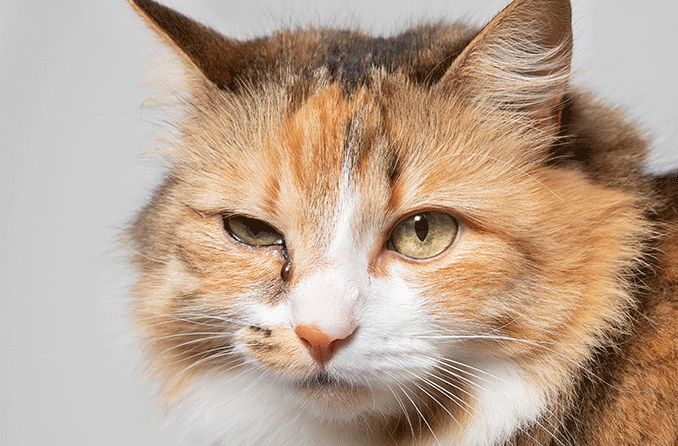
Why does my cat have eye boogers every morning, and is it something to worry about or just normal grooming residue? It’s a question nearly every cat owner asks at some point.
A small amount of crust in the corners of the eyes, especially after sleep, is usually completely normal. Tears naturally contain mucus, salts, and oils that can dry and collect overnight without signaling any real problem.
What Are Cat Eye Boogers, Exactly?
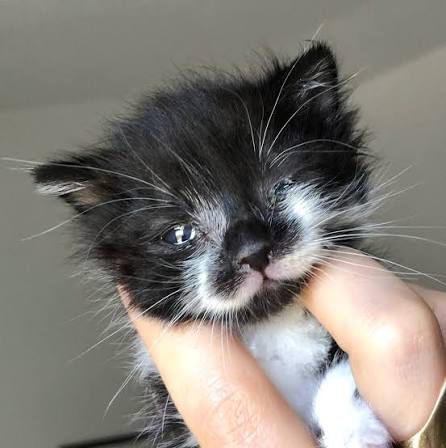
Cat eye boogers, sometimes called eye gunk, eye goop, or sleep, are simply dried secretions that collect in the corners of the eyes.
A cat’s eyes are protected by a film of tears containing water, salts, protein, mucus, and fatty oils that shield against dirt, dust, and bacteria.
While awake, tears spread across the eye with blinking and drain through tear ducts. During sleep, some of this fluid dries and collects instead.
Table: Normal vs Concerning Eye Discharge
| Feature | Normal Eye Boogers | Concerning Discharge |
|---|---|---|
| Color | Clear or light gray | Yellow, green, or bloody |
| Consistency | Light, dry crust | Thick, sticky, or excessive |
| Frequency | Mainly after waking | Throughout the day |
| Accompanying signs | None | Redness, squinting, swelling |
| Eye comfort | Cat seems unbothered | Rubbing, pawing, discomfort |
Is a Little Eye Crust Normal?
Just like people, cats can wake up with a small bit of crust in the corners of their eyes without anything being wrong.
This mild, grayish discharge after waking is considered normal and shouldn’t continue or worsen throughout the rest of the day.
If your cat seems otherwise comfortable, with no redness, squinting, or excessive tearing, occasional light crust is rarely a reason for concern.
When Eye Discharge Signals a Problem
Excessive tearing or thick mucus production typically means something is irritating the eyes and the body is working overtime to protect them.
A change in the amount, color, or texture of discharge, especially if it appears suddenly, should always prompt closer observation.
Persistent or worsening discharge that doesn’t improve with basic cleaning is a clear signal that a veterinary visit is worth scheduling.
Environmental Irritants and Allergies
Exposure to household irritants like dust, smoke, mold, cleaning products, scented candles, and oil diffusers can trigger excess eye discharge in sensitive cats.
Environmental allergens such as pollen and mold can also cause watery eyes, often paired with sneezing, itching, or skin irritation.
Identifying and reducing exposure to these triggers, when possible, often noticeably reduces the amount of daily eye discharge.
Table: Common Environmental Triggers
| Trigger | Typical Symptoms Alongside Discharge |
|---|---|
| Dust and mold | Watery eyes, sneezing |
| Smoke | Redness, increased tearing |
| Cleaning products | Sudden irritation, squinting |
| Scented candles or diffusers | Watery eyes, mild redness |
| Pollen | Sneezing, itching, watery discharge |
Conjunctivitis (Pink Eye) in Cats
Conjunctivitis is one of the most common causes of noticeable eye discharge, affecting the lining of the eyelid and white of the eye.
This condition often causes redness, swelling, and a significant increase in discharge, which can range from watery to thick and colored.
Conjunctivitis can stem from infections, allergies, or irritants, and typically requires veterinary treatment to fully resolve the underlying cause.
Upper Respiratory Infections
Viral or bacterial upper respiratory infections are a frequent cause of eye discharge, especially in cats from multi-cat households or shelters.
Symptoms often include sneezing, nasal discharge, and noticeable eye boogers appearing alongside general signs of feeling unwell.
Veterinary care helps manage these infections effectively and reduces the risk of spreading illness to other cats in the household.
Blocked Tear Ducts
Tear ducts can become blocked due to infections, inflammation, or anatomical abnormalities, preventing tears from draining normally.
When this happens, tears back up and overflow onto the face instead of draining properly, leading to persistent dampness and discharge.
This is commonly seen with abnormal eyelid conformation, called entropion, where the eyelid rolls inward and irritates the eye’s surface.
Foreign Bodies and Trauma
Objects such as dirt particles, grass awns, or other debris can become lodged in the eye, causing irritation and excessive tearing.
Trauma from scratches, catfights, or blunt injury can also lead to significant discharge as the eye attempts to protect and heal itself.
If a foreign object or injury is suspected, prompt veterinary attention helps prevent complications like corneal ulcers from developing.
Corneal Ulcers
Corneal ulcers are commonly caused by eye infections, catfight injuries, viral infections, or chemical burns from irritating substances reaching the eye.
Feline herpesvirus is the most common infectious cause of corneal ulcers, often triggering inflammation, discharge, and visible discomfort.
Symptoms typically include eye inflammation, squinting, and increased discharge, all of which warrant prompt veterinary evaluation to prevent further damage.
Table: Common Medical Causes of Eye Discharge
| Cause | Key Symptoms | Needs Vet Visit |
|---|---|---|
| Conjunctivitis | Redness, swelling, discharge | Yes |
| Upper respiratory infection | Sneezing, nasal discharge, eye gunk | Yes |
| Blocked tear duct | Persistent dampness, overflow tears | Yes |
| Foreign body in eye | Sudden irritation, excessive tearing | Yes |
| Corneal ulcer | Squinting, inflammation, discomfort | Yes, urgently |
| Entropion (inward eyelid) | Chronic irritation, tearing | Yes |
Why Some Cats Get More Eye Boogers Than Others
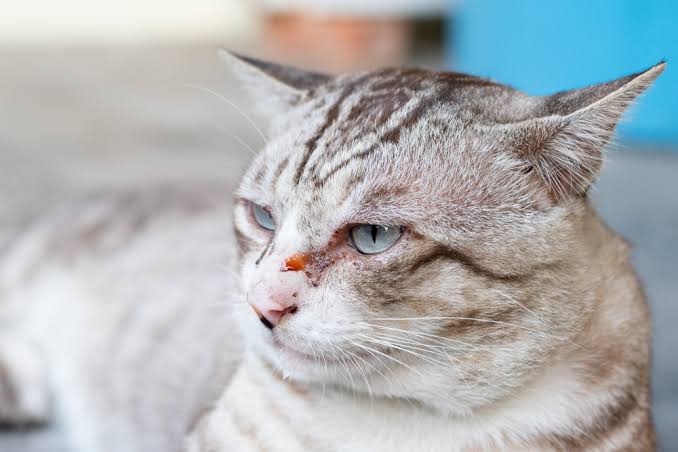
Certain breeds, such as Persians, are more prone to noticeable eye discharge due to their unique facial and eye anatomy.
Flat-faced breeds often have shorter tear ducts or altered eyelid structure, making regular gentle cleaning a normal part of their care routine.
This doesn’t necessarily indicate illness, but breed-prone cats should still be monitored for any sudden changes in discharge amount or color.
Understanding Discolored or Dark Eye Boogers
If eye boogers are thick and crusty, they can sometimes appear black or dark brown rather than the typical light gray color.
One possible explanation involves pigmented molecules in tears, though research suggests cats may not produce these compounds the same way other animals do.
Another explanation points to enzymes in tears interacting with bacteria or yeast, which thrive in moist areas and can darken surrounding fur or discharge.
Table: What Discharge Color May Indicate
| Discharge Color | Possible Meaning |
|---|---|
| Clear or light gray | Normal tear residue |
| Yellow or green | Possible bacterial infection |
| Red or bloody | Injury, trauma, or serious irritation |
| Dark brown or black | Dried crust, yeast, or bacterial interaction |
| Watery and excessive | Allergies or irritants |
How to Safely Clean Your Cat’s Eyes
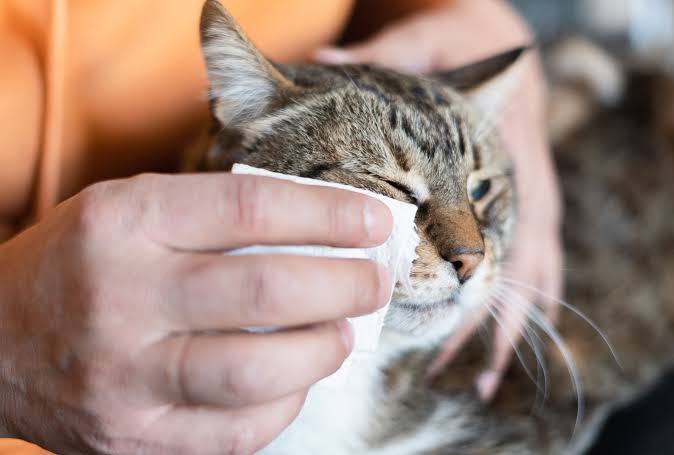
A warm, damp washcloth gently wiped across the corner of the eye is usually enough to remove mild, everyday crust safely.
Always wipe outward, away from the eye itself, and use a separate cloth section for each eye to avoid spreading potential infection.
Regular gentle cleaning, especially for breeds prone to discharge, helps prevent secondary skin irritation or infection around the eye area.
Table: Safe At-Home Cleaning Steps
| Step | Purpose |
|---|---|
| Use a warm, damp washcloth | Softens and loosens dried discharge |
| Wipe gently outward | Prevents pushing debris into the eye |
| Use separate cloth per eye | Reduces risk of spreading infection |
| Clean daily for prone breeds | Prevents buildup and skin irritation |
| Avoid harsh wipes or chemicals | Prevents further eye irritation |
When Cleaning Isn’t Enough
If discharge persists despite regular cleaning, or if it worsens in amount or color, an underlying medical cause likely needs treatment.
Leaving persistent discharge unaddressed can allow secondary skin infections to develop where moisture continues to sit against the fur and skin.
At this point, a veterinary exam is the appropriate next step rather than continuing home cleaning alone.
Warning Signs That Need a Vet Visit
Squinting, pawing at the eye, visible redness, or swelling alongside discharge are all signs of discomfort that warrant prompt evaluation.
A sudden change in the color, thickness, or amount of discharge, especially if it appears overnight, should not be ignored.
Any sign of trauma, a visible foreign object, or cloudiness in the eye itself calls for urgent veterinary attention rather than home treatment.
Table: Symptom Checklist for Vet Visits
| Symptom | Level of Concern |
|---|---|
| Occasional light crust after waking | Low, usually normal |
| Watery eyes with sneezing | Moderate, monitor closely |
| Thick yellow or green discharge | High, needs vet visit |
| Squinting or pawing at eye | High, needs vet visit |
| Visible redness or swelling | High, needs vet visit |
| Cloudy or injured-looking eye | Urgent, seek care immediately |
How Veterinarians Diagnose the Cause
A thorough eye exam, checking for redness, swelling, and any visible foreign material, is usually the first step in diagnosis.
Additional tests like fluorescein staining can detect corneal ulcers, while cultures may identify specific bacterial or viral infections.
For chronic or unusual cases, further testing may be needed to rule out systemic illnesses like feline infectious peritonitis affecting the eyes.
Treatment Options Based on Cause
Bacterial infections are typically treated with prescribed antibiotic eye drops or ointments to clear the infection and reduce discharge.
Allergies often respond well to identifying and reducing exposure to the specific trigger, alongside supportive care as needed.
Structural issues like blocked tear ducts or entropion may require a minor surgical correction to fully resolve chronic discharge.
Table: Treatment by Underlying Cause
| Cause | Common Treatment |
|---|---|
| Bacterial infection | Prescription antibiotic eye drops |
| Viral infection (e.g., herpesvirus) | Antiviral medication, supportive care |
| Allergies | Trigger avoidance, supportive treatment |
| Blocked tear duct | Flushing or surgical correction |
| Entropion | Surgical correction of eyelid |
| Corneal ulcer | Targeted medication, close monitoring |
Preventing Excess Eye Discharge
Reducing exposure to household irritants like smoke, strong cleaning products, and heavily scented candles can lower the frequency of eye irritation.
Keeping a clean living environment and regularly grooming prone breeds helps minimize buildup before it becomes uncomfortable or infected.
Scheduling routine veterinary checkups allows early detection of eye issues before they progress into more serious, harder-to-treat conditions.
Eye Boogers in Kittens vs Adult Cats
Kittens are especially prone to upper respiratory infections, which frequently cause noticeable eye discharge alongside sneezing and congestion.
Young kittens with closed or partially closed eyelids at a very early age are also more susceptible to infections that require prompt veterinary attention.
Adult cats typically develop more predictable patterns of discharge, making sudden changes easier to notice and investigate compared to kittens still developing their immune systems.
One Eye vs Both Eyes: Does It Matter?
Discharge appearing in only one eye often points to a localized issue like a foreign body, injury, or blocked tear duct on that specific side.
Discharge affecting both eyes simultaneously is more commonly linked to systemic causes like allergies, viral infections, or environmental irritants affecting the whole body.
Noting whether one or both eyes are affected can help your veterinarian narrow down the likely cause more efficiently during an exam.
Senior Cats and Age-Related Eye Changes
Older cats may experience increased eye discharge due to age-related changes in tear production, eyelid structure, or underlying chronic health conditions.
Conditions like kidney disease or hyperthyroidism, both common in senior cats, can sometimes contribute indirectly to changes in eye moisture and discharge.
Routine senior wellness exams often include eye checks specifically because these subtle changes can be an early indicator of broader health issues.
Diet, Immune Health, and Eye Discharge
A well-balanced diet supports a strong immune system, which plays a role in how effectively your cat’s body fights off minor eye irritations and infections.
Cats with compromised immune systems, whether from age, stress, or illness, may experience more frequent or severe bouts of eye discharge.
Discussing nutrition and overall health with your veterinarian can be a helpful part of managing cats prone to recurring eye issues.
Feline Infectious Peritonitis and Eye Symptoms
In rare cases, chronic or unusual eye discharge combined with inflammation inside the eye, called uveitis, can be linked to feline infectious peritonitis.
This serious systemic illness requires specialized testing and veterinary management well beyond simple at-home cleaning or minor treatment.
While uncommon, this possibility is one reason persistent or unusual eye symptoms should never be dismissed without a proper veterinary evaluation.
Common Myths About Cat Eye Boogers
Many owners assume any eye discharge automatically means an infection, but mild morning crust is a normal, harmless part of tear cycling.
Another myth is that dark-colored discharge always signals something dangerous. In many cases, it’s simply dried crust interacting with normal bacteria or yeast.
Some also believe eye discharge only affects sick cats. In reality, healthy cats can have occasional mild discharge without any underlying illness at all.
Building a Simple At-Home Monitoring Routine
Checking your cat’s eyes briefly each day, ideally during regular petting or grooming time, helps you notice changes before they become serious.
Keeping a simple mental or written note of discharge color, amount, and any accompanying symptoms makes veterinary visits faster and more productive.
This small daily habit is one of the easiest ways to catch developing eye issues early, when treatment tends to be simpler and more effective.
Multi-Cat Households and Spreading Infections
Contagious upper respiratory infections spread easily between cats sharing food bowls, litter boxes, or close living spaces.
Isolating a cat with suspected infectious eye discharge, along with washing hands between handling different cats, helps limit spread within the household.
Vaccinations against common feline respiratory viruses also play an important role in reducing the frequency and severity of these infections over time.
Stress and Its Effect on Eye Health
Stressful events like moving homes, new pets, or loud environments can weaken a cat’s immune response, sometimes triggering flare-ups of dormant viral infections.
Cats with a history of feline herpesvirus, for example, may experience recurring eye discharge specifically during periods of high stress or environmental change.
Reducing stress through consistent routines, safe hiding spots, and gradual introductions to new changes can help minimize these stress-related flare-ups over time.
Final Takeaway for Cat Owners
Most cat eye boogers are nothing more than dried tear residue, especially when they appear only after sleep and disappear with gentle cleaning.
Trust your observations as an owner, since you know your cat’s normal patterns better than anyone else and will notice changes first, often before anyone else would.
When something feels off, whether it’s color, amount, or your cat’s comfort level, don’t hesitate to reach out to your veterinarian for guidance.
One Last Note on Prevention
Consistent gentle care, a clean environment, and routine vet visits together form the strongest defense against recurring or serious eye discharge issues.
Small, preventive habits practiced regularly tend to matter more in the long run than reacting only after a problem has already developed.
Frequently Asked Questions (FAQs)
1. Why does my cat have eye boogers every morning?
This is usually normal tear residue that dried overnight. Occasional light crust after waking isn’t typically a concern.
2. What color eye discharge is normal in cats?
Clear or light gray discharge is considered normal. Yellow, green, or bloody discharge suggests an infection or irritation.
3. Can allergies cause my cat’s eye boogers?
Yes, allergies to pollen, dust, or mold can increase tearing and lead to more frequent eye discharge.
4. Why does my cat have black eye boogers?
Dark or black discharge often results from dried crust interacting with bacteria or yeast. Monitor for other symptoms.
5. When should I take my cat to the vet for eye discharge?
See a vet if discharge is thick, colored, persistent, or paired with redness, squinting, or swelling.
6. How do I safely clean my cat’s eye boogers at home?
Use a warm, damp washcloth and wipe gently outward. Use a separate section of cloth for each eye.
7. Can upper respiratory infections cause eye discharge?
Yes, viral or bacterial respiratory infections often cause eye boogers alongside sneezing and nasal discharge.
8. Are certain cat breeds more prone to eye boogers?
Yes, flat-faced breeds like Persians often have more noticeable discharge due to their facial and eye structure.
9. Can a blocked tear duct cause eye discharge?
Yes, blocked tear ducts prevent proper drainage, causing tears to overflow and collect around the eyes.
10. Is it an emergency if my cat’s eye looks cloudy or injured?
Yes, cloudiness or visible injury needs urgent veterinary attention to prevent lasting damage or vision loss.
Conclusion
A small amount of eye discharge is a normal part of a cat’s tear production, especially after sleep, and usually isn’t cause for concern. Problems arise when discharge becomes thick, colored, persistent, or paired with symptoms like redness, squinting, or swelling.
Causes range from mild environmental irritants and allergies to more serious issues like conjunctivitis, blocked tear ducts, or corneal ulcers. Gentle at-home cleaning handles most everyday crust, but any sudden change in color, amount, or your cat’s comfort level deserves a veterinary evaluation.
Paying close attention to your cat’s eyes, along with routine checkups, helps catch problems early and keeps your cat comfortable and healthy for years to come. When in doubt about your cat’s eye boogers, a quick call to your veterinarian is always the safest and most reassuring choice for both you and your feline companion.