Why Does My Dog Yawn When I Pet Him? Signs to Know 2026
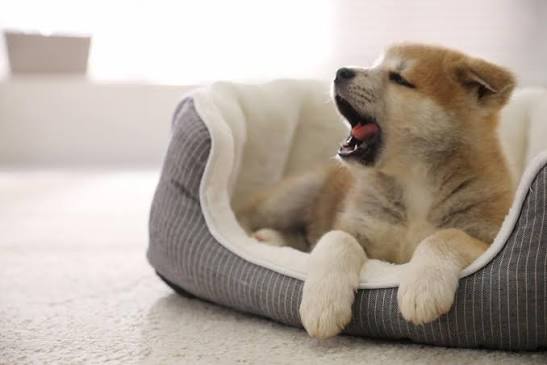
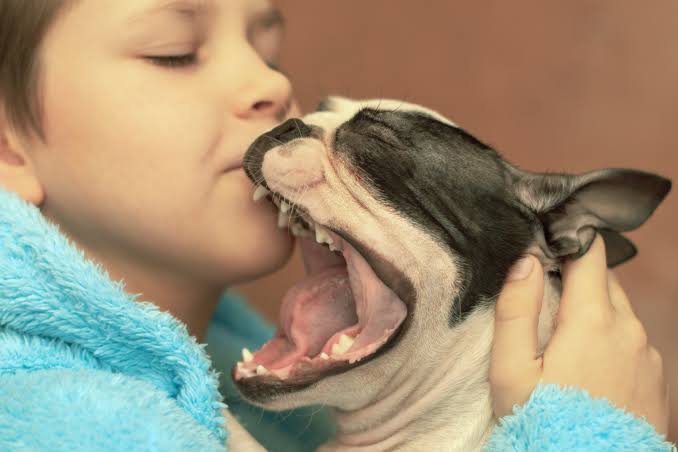
Why does my dog yawn when I pet him is a question most dog owners ask at some point, and the honest answer is that it depends on context.
In most cases, a yawn during petting is a calming signal, showing your dog feels relaxed and safe with you.
Other times, it can mean mild discomfort, overexcitement, or even stress if the touch feels unwelcome. Understanding the difference between a happy yawn and a stressed one helps you respond to your dog in a way that strengthens trust.
What Does Yawning Mean in Dogs?
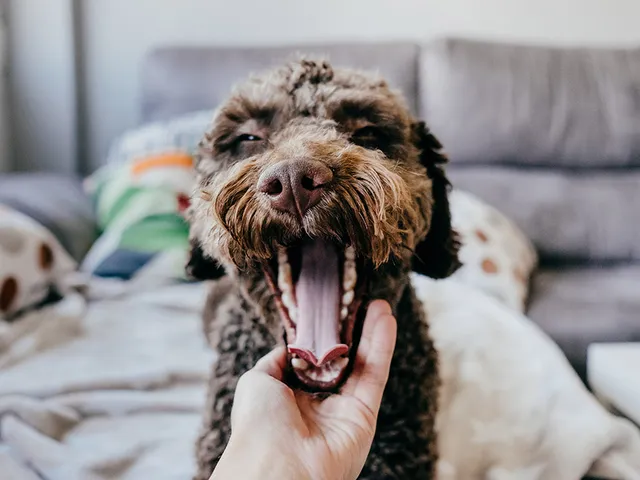
Yawning in dogs is a natural behavior tied to both physical and emotional states, not just tiredness like in humans.
Unlike a simple sleepy reflex, dog yawns often function as a form of communication, especially during moments of close physical contact like petting.
Is Yawning During Petting Normal for Dogs?
Yes, yawning while being petted is extremely common and usually falls within a completely normal range of canine behavior.
Most dogs yawn occasionally during affection, and it rarely signals a serious problem unless it happens excessively or alongside other stress signs.
Table: Common Reasons Dogs Yawn When Petted
| Reason | What It Usually Means |
|---|---|
| Calming signal | Dog is relaxed and self-soothing |
| Mild discomfort | Dog wants gentler or different touch |
| Overexcitement | Dog is overstimulated by affection |
| Tiredness | Dog is physically sleepy or winding down |
| Stress or anxiety | Dog feels unsure or overwhelmed |
Yawning as a Calming Signal
Many canine behavior experts describe yawning as one of several “calming signals” dogs use to regulate their own emotions.
When your dog yawns while being petted, it may be actively working to relax its nervous system, similar to how humans take a deep breath.
Why Calming Signals Matter for Bonding
Recognizing calming signals helps you understand what your dog is communicating without needing them to bark or growl to get your attention.
A relaxed yawn during gentle petting is often a strong indicator that your dog trusts you and feels emotionally safe in that moment.
Could the Yawn Mean Your Dog Is Stressed?
Yes, in some cases, yawning during petting is a sign your dog feels mildly stressed or unsure about the interaction happening.
This is more likely if the yawn occurs alongside lip licking, turning away, or a stiff body posture rather than a relaxed one.
Table: Relaxed Yawn vs. Stressed Yawn
| Signal | Relaxed Yawn | Stressed Yawn |
|---|---|---|
| Body posture | Loose, soft | Stiff, tense |
| Eye contact | Soft or half-closed eyes | Wide eyes, whale eye |
| Tail position | Relaxed or wagging | Tucked or low |
| Additional signs | Leaning into touch | Turning away, lip licking |
Why Dogs Yawn When Touched on the Head
Many dogs are less comfortable with hands reaching directly toward their head or face compared to other areas of the body.
A yawn in this situation may be a polite request for space, especially if paired with your dog pulling their head back slightly.
Better Petting Spots to Reduce Stress Yawns
If your dog seems uncomfortable with head petting, try shifting your touch to the chest, shoulders, or side of the body instead.
Most dogs respond better to petting under the chin or along the back, which tends to feel less intrusive than direct head contact.
Table: Dog-Friendly Petting Zones
| Petting Area | Comfort Level for Most Dogs |
|---|---|
| Chest | High |
| Shoulders/back | High |
| Side of body | Moderate to High |
| Top of head | Moderate, varies by dog |
| Face/muzzle | Low, often uncomfortable |
Yawning From Overexcitement
Some dogs yawn simply because they are overstimulated by attention, especially after being separated from their owner for a while.
This type of yawn often shows up during enthusiastic greetings, right before a dog settles into calmer, more relaxed behavior.
How to Tell Overexcitement Yawns Apart From Stress Yawns
Overexcitement yawns are usually short-lived and quickly followed by wagging, playful movement, or the dog leaning happily into your hands.
Stress yawns, on the other hand, tend to repeat and are accompanied by avoidance behaviors like turning the head away or backing up.
Tiredness and Yawning During Petting
Just like in humans, physical tiredness remains one of the simplest and most common explanations for a dog yawning during affection.
If your dog has just finished playing, walking, or exercising, a yawn while being petted may simply mean they’re ready to relax or nap.
Contagious Yawning in Dogs
Research suggests dogs can catch yawns from humans, much like humans catch yawns from each other in social settings.
If you yawn while petting your dog, there’s a good chance your dog may yawn back shortly after, purely as a social response.
Table: Contagious Yawning Facts
| Fact | Detail |
|---|---|
| Dogs can catch yawns from humans | Yes, documented in behavior studies |
| Linked to empathy | Some researchers believe so |
| More common with familiar owners | Yes, bond strength may play a role |
| Not linked to tiredness in this case | Correct, it’s a social mirroring response |
Yawning as an Appeasement Signal
Dogs sometimes yawn as a way of showing submission or signaling that they mean no harm during a tense or uncertain moment.
This appeasement yawn can appear if your dog anticipates being scolded, or feels unsure how you’ll react to something they’ve done.
Why Context Matters More Than the Yawn Itself
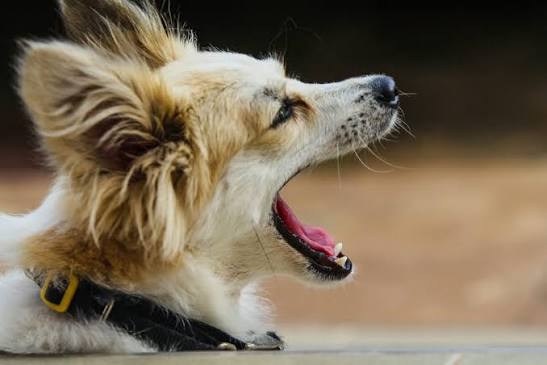
A single yawn rarely tells the whole story, which is why reading your dog’s full body language matters more than one isolated signal.
Looking at ear position, tail movement, and overall posture alongside the yawn gives a much clearer picture of what your dog is feeling.
How to Read Your Dog’s Full Body Language
Combining multiple signals together is the most reliable way to understand whether your dog is relaxed, excited, or genuinely uncomfortable.
Table: Body Language Signals to Watch Alongside Yawning
| Signal | Relaxed Meaning | Uncomfortable Meaning |
|---|---|---|
| Ears | Neutral or slightly back | Pinned back tightly |
| Tail | Loose wag or relaxed | Tucked or stiff |
| Eyes | Soft, blinking | Wide, showing whites |
| Mouth | Open, relaxed | Closed tightly or lip licking |
The Science Behind Why Dogs Yawn
Researchers still don’t fully understand yawning in any species, but several theories help explain why dogs do it during petting.
One leading theory suggests yawning helps regulate brain temperature and oxygen levels, similar to how it may function in humans.
Yawning and the Nervous System
Yawning is thought to activate the parasympathetic nervous system, which helps the body shift from a stressed state into a calmer one.
This is part of why a yawn during petting can genuinely help your dog settle down, whether the initial trigger was excitement or mild unease.
How Yawning Differs From Panting
Panting and yawning can sometimes appear together, but they usually signal different things and shouldn’t be confused with one another.
Panting is more often linked to heat regulation or higher stress levels, while yawning tends to reflect a shift toward calming or relaxation.
Table: Yawning vs. Panting in Dogs
| Behavior | Common Cause | Typical Meaning |
|---|---|---|
| Yawning | Calming signal, tiredness, mild stress | Self-soothing, communication |
| Panting | Heat, exercise, anxiety | Temperature regulation, higher stress |
| Both together | Overheating or acute stress | Warrants closer attention |
Do All Dogs Yawn the Same Amount?
No, yawning frequency varies widely between individual dogs, influenced by temperament, past experiences, and even breed tendencies.
Some dogs are naturally more expressive communicators and will yawn more often as part of their everyday body language.
How Socialization Affects Yawning Behavior
Dogs that were well socialized as puppies often show fewer stress-related yawns during handling compared to under-socialized dogs.
Positive early exposure to touch, new people, and different environments tends to build comfort that carries into adulthood.
The Role of Trust in Reducing Stress Yawns
As trust builds between a dog and their owner, stress-related yawning during petting typically decreases over time.
Dogs that feel consistently safe with their owner are more likely to yawn purely as a relaxed, contented response rather than out of unease.
How Long-Term Relationships Change Yawning Patterns
Owners who have had their dog for years often notice yawning shifts from occasional nervousness early on to consistent relaxation later.
This shift reflects a deepening bond, where physical touch becomes something the dog associates almost entirely with comfort and safety.
Yawning in Rescue Dogs and Dogs With Trauma
Rescue dogs, especially those with unknown or difficult histories, may yawn more frequently during petting as they adjust to a new home.
Patience and gentle, predictable handling can help these dogs gradually associate touch with safety, reducing stress-related yawning over time.
Table: Yawning Patterns in Rescue Dogs Over Time
| Timeframe | Typical Yawning Behavior |
|---|---|
| First few weeks | More frequent, stress-related yawning |
| 1–3 months | Gradual decrease as trust builds |
| 3+ months | Yawning mostly reflects calm, relaxed states |
How Multiple Dogs in a Household Affect Yawning
In multi-dog households, yawning can also serve as a social signal between dogs, not just between a dog and their owner.
Watching how your dogs interact with each other, alongside how they respond to your petting, can offer additional insight into their comfort levels.
Cultural Misconceptions About Dog Yawning
Many owners mistakenly assume a yawn always means their dog is bored or sleepy, overlooking its role as a communication tool.
Understanding yawning as multi-purpose behavior, rather than a single fixed signal, leads to better-informed interactions with your dog overall.
How to Track Your Dog’s Yawning Patterns
Keeping a simple mental or written note of when your dog yawns can help you identify patterns tied to specific situations or triggers.
Over time, this awareness makes it easier to distinguish your dog’s normal, relaxed yawning from yawning tied to genuine discomfort or stress.
Table: Simple Yawning Observation Log Example
| Situation | Yawn Observed? | Other Signals Present |
|---|---|---|
| Petting after a walk | Yes | Relaxed posture, tail wag |
| Petting near a stranger | Yes | Stiff body, lip licking |
| Petting during a nap | Yes | Slow blinking, leaning in |
| Petting at the vet | Yes | Tucked tail, panting |
When Yawning Becomes Excessive
Occasional yawning is normal, but frequent, repeated yawning in a short period may point to ongoing stress or discomfort.
If your dog yawns constantly during nearly every interaction, it’s worth paying closer attention to their overall stress levels and environment.
Common Triggers for Excessive Yawning
New environments, unfamiliar people, loud noises, and vet visits are among the most common triggers for frequent stress-related yawning in dogs.
Identifying these triggers can help you adjust your approach and reduce unnecessary stress during future interactions with your dog.
Table: Common Excessive Yawning Triggers
| Trigger | Why It Causes Stress |
|---|---|
| New environments | Unfamiliar smells and sounds |
| Strangers | Uncertainty about intentions |
| Loud noises | Overstimulation of senses |
| Vet visits | Past negative associations |
| Rough handling | Physical discomfort |
Final Thoughts on Reading Your Dog’s Yawns
Every dog communicates a little differently, so getting to know your own dog’s unique patterns matters more than any general rule.
Over time, paying attention to context will make it easy to tell a happy, relaxed yawn from one that’s asking for a little space.
Should You Stop Petting If Your Dog Yawns?
Not necessarily. A single relaxed yawn doesn’t mean you should stop, especially if your dog continues leaning into your touch afterward.
However, if the yawn is paired with pulling away or stiffening up, it’s a good idea to pause and give your dog a little space.
How to Respond When Your Dog Yawns During Petting
Pay attention to what happens immediately after the yawn, since your dog’s next move often clarifies what the yawn actually meant.
If they relax further or nuzzle closer, continue as normal. If they move away or stiffen, ease off and let them decide when to re-engage.
Does Breed Affect How Often Dogs Yawn?
Yes, some breeds are naturally more expressive with calming signals like yawning than others, though individual personality plays a role too.
More sensitive or anxious breeds may yawn more frequently in general, even during otherwise calm and comfortable interactions.
Age and Yawning Behavior in Dogs
Puppies and senior dogs may yawn for slightly different reasons compared to adult dogs in their prime years.
Puppies often yawn from overstimulation and normal development, while senior dogs may yawn more due to fatigue or mild physical discomfort.
Table: Yawning Patterns by Life Stage
| Life Stage | Common Yawning Cause |
|---|---|
| Puppy | Overstimulation, learning social cues |
| Adult | Calming signal, comfort, tiredness |
| Senior | Fatigue, possible joint discomfort |
When Yawning Might Signal a Health Issue
While rare, excessive yawning combined with other unusual symptoms could occasionally point to an underlying health concern worth monitoring.
Symptoms like drooling, pale gums, lethargy, or restlessness alongside yawning warrant a conversation with your veterinarian rather than assuming it’s purely behavioral.
Table: When to Consult a Veterinarian
| Symptom Combination | Recommended Action |
|---|---|
| Occasional yawning only | No action needed |
| Yawning with lethargy | Monitor closely, consider vet visit |
| Yawning with pale gums or drooling | Contact veterinarian promptly |
| Yawning with restlessness or pacing | Discuss with veterinarian |
How Vets Interpret Yawning Behavior
Veterinarians typically view occasional yawning as harmless, but they consider frequency, context, and accompanying symptoms before ruling out other causes.
If you’re ever unsure, tracking when and how often the yawning occurs can help your vet identify patterns more accurately during a checkup.
Building Trust Through Gentle Petting Habits
Learning to read your dog’s calming signals, including yawns, is one of the best ways to build long-term trust and comfort.
Slowing down, watching for feedback, and adjusting your touch based on your dog’s reactions all contribute to a stronger bond over time.
Tips for Petting Your Dog More Comfortably
Small adjustments to how you approach and pet your dog can significantly reduce stress-related yawning during everyday interactions.
Quick Petting Tips
- Approach calmly and let your dog initiate closer contact
- Avoid reaching directly over your dog’s head
- Watch for relaxed body language before continuing longer petting sessions
- Give your dog breaks if they seem overstimulated or tense
Why Some Dogs Yawn More Than Others
Individual personality, past experiences, and overall temperament all influence how often a particular dog yawns during affection.
A dog with a history of rough handling may yawn more frequently as a protective response, even during gentle, well-intentioned petting.
How Training Can Reduce Stress-Related Yawning
Positive reinforcement training that builds trust over time can gradually reduce stress yawning in dogs who are naturally more sensitive to touch.
Rewarding calm behavior during gentle petting sessions helps dogs associate physical contact with positive outcomes rather than uncertainty.
Frequently Asked Questions (FAQs)
Why does my dog yawn when I pet him?
It’s usually a calming signal showing relaxation, though it can sometimes indicate mild discomfort or overstimulation instead.
Is yawning during petting a bad sign?
Not usually. A single relaxed yawn is normal, but repeated yawning with tension may suggest discomfort.
Does yawning mean my dog is happy?
Yes, it often does. Yawning while relaxed and leaning into touch typically signals comfort and trust.
Can yawning mean my dog is stressed?
Yes, especially if paired with stiff posture, lip licking, or turning away from your hand.
Why does my dog yawn when I touch his head?
Head touching feels intrusive to some dogs, and yawning can be a polite request for space.
Are dog yawns contagious like human yawns?
Yes, dogs can catch yawns from their owners, especially in dogs with strong human bonds.
Should I stop petting my dog if he yawns?
Not necessarily. Watch what happens next, and pause only if your dog pulls away or stiffens.
Can excessive yawning mean a health problem?
Rarely, but yawning with lethargy, drooling, or pale gums should be checked by a veterinarian.
Do puppies yawn differently than adult dogs?
Yes, puppies often yawn from overstimulation, while adult dogs use it more as a calming signal.
How can I reduce stress yawning in my dog?
Pet gentler areas like the chest, move slowly, and let your dog guide the interaction.
Conclusion
A dog yawning while being petted is one of the most common and often misunderstood behaviors in canine communication. In most cases, it’s simply a calming signal, showing that your dog feels safe, relaxed, and comfortable in that moment with you.
However, yawning can also point to mild discomfort, overstimulation, or stress, especially when paired with stiff posture, lip licking, or avoidance. Learning to read the full picture, rather than the yawn alone, gives you a much clearer understanding of what your dog is actually communicating.
Adjusting where and how you pet your dog, staying attentive to their body language, and responding with patience all help build deeper trust over time. If yawning ever becomes excessive or comes with other concerning symptoms, checking in with your veterinarian is always the safest choice moving into 2026.