Why Is My Car Shaking When I Stop? Fast Answers (2026)

Why is my car shaking when I stop? This is one of the most common car problems drivers report, and it usually points to one of two systems: the engine or the brakes. If the shaking happens while you’re sitting still at a light with the engine idling, the cause is likely engine-related.
If it happens the moment you press the brake pedal to slow down, the brakes are the more likely culprit.
Why Is My Car Shaking When I Stop? The Two Types of “Shaking When You Stop”

Shaking While Idling or Stopped at a Light
This type of shaking happens while your car is stationary with the engine running, such as at a red light or in park.
It’s usually caused by an issue with the engine, fuel system, or engine mounts rather than the brakes themselves.
Shaking While Braking to a Stop
This type of shaking happens specifically during the act of pressing the brake pedal as your car slows down.
It typically points to a brake system issue, most often related to the rotors, pads, or calipers.
Rough Idle vs Normal Engine Vibration
Every engine produces some natural vibration, but a healthy engine should feel smooth and consistent while idling.
Rough idle feels noticeably different, often described as a pulsing, shuddering, or trembling sensation felt through the seat, steering wheel, or floor.
Learning to distinguish normal background vibration from an actual rough idle helps you catch developing problems earlier.
Why Idle Problems Feel Worse When Stopped
While driving, road vibration and forward motion tend to mask smaller engine irregularities that would otherwise be noticeable.
Once you come to a stop, that masking effect disappears, which is why shaking often seems to appear or worsen specifically at idle.
Table: Two Types of Shaking Compared
| Type | When It Happens | Likely System |
|---|---|---|
| Idle shaking | Sitting still, engine running | Engine, fuel, or mounts |
| Braking shaking | Pressing the brake pedal | Brakes, rotors, or wheels |
Common Causes of Shaking While Idling
Worn or Broken Engine Mounts
Engine mounts secure your motor to the vehicle frame and absorb the natural vibration created by the engine while it runs.
When mounts crack or wear out, that vibration transfers directly into the cabin instead of being absorbed, especially when the car is stopped.
A simple way to check this is shifting into neutral. If the shaking decreases significantly, worn mounts are a likely cause.
Worn or Fouled Spark Plugs
Spark plugs ignite the fuel-air mixture inside each engine cylinder, and worn or dirty plugs can cause uneven combustion.
This uneven firing creates a noticeable shake, especially at the low RPMs your engine runs at while idling.
Vacuum Leaks
Vacuum hoses help regulate airflow into the engine, and a cracked or loose hose can throw off the air-fuel mixture.
This imbalance often causes rough, shaky idling along with symptoms like hissing sounds or a lit check engine light.
Dirty or Clogged Fuel Injectors
Fuel injectors deliver precise amounts of fuel into each cylinder, and clogged injectors disrupt that balance.
Uneven fuel delivery causes some cylinders to fire differently than others, creating a shake that’s most noticeable while idling.
Dirty Air or Fuel Filters
A clogged filter restricts the flow of air or fuel, forcing the engine to work harder just to maintain a steady idle.
This extra strain often shows up as light shaking or a rough, inconsistent idle speed.
Failing Idle Air Control Valve
This valve regulates how much air enters the engine while idling, keeping RPMs steady and consistent.
When it fails, idle speed can fluctuate unpredictably, leading to a shaky or unstable feeling while stopped.
Worn Timing Belt
The timing belt coordinates the timing of several engine components, and a stretched or worn belt throws that timing off.
This issue is more common in higher-mileage vehicles and often causes shaking that’s noticeable even beyond idle.
AC Compressor Load
Turning on the air conditioning adds extra load to the engine, which is already working at minimum output while idling.
This added strain can make existing shaking issues more noticeable, especially in vehicles with other underlying problems.
Worn Transmission Mounts
Transmission mounts work alongside engine mounts to keep the drivetrain stable and absorb vibration during operation.
If shaking changes noticeably when shifting between park, drive, or reverse, worn transmission mounts are a strong possibility.
Torque Converter Issues
In automatic transmissions, a failing torque converter can occasionally cause vibration while the vehicle is stopped and in gear.
This issue typically comes with additional symptoms, such as slipping or shuddering during acceleration, rather than shaking alone.
Table: Idle Shaking Causes at a Glance
| Cause | Typical Symptom | Quick Check |
|---|---|---|
| Worn engine mounts | Shake lessens in neutral | Shift to neutral and compare |
| Bad spark plugs | Rough idle, misfire feeling | Check engine light, plug inspection |
| Vacuum leak | Hissing sound, shaky idle | Listen for hissing near hoses |
| Clogged fuel injectors | Uneven idle, poor fuel economy | Fuel system inspection |
| Dirty filters | Sluggish, rough idle | Filter inspection |
| Bad idle air control valve | Fluctuating RPMs | RPM gauge behavior |
| Worn timing belt | Shaking beyond idle too | Mileage and belt inspection |
Common Causes of Shaking While Braking
Worn or Warped Brake Rotors
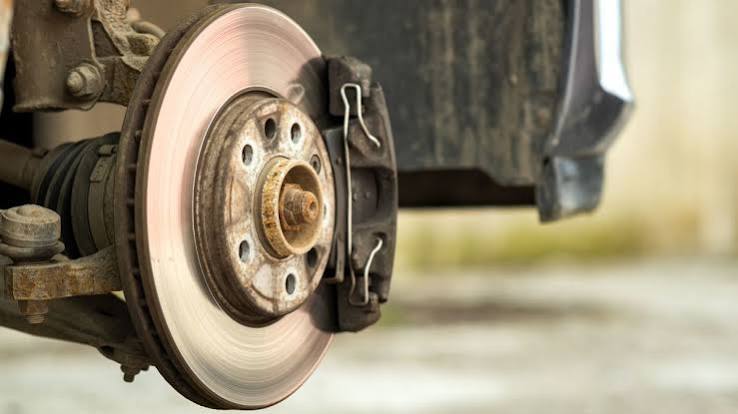
Brake rotors are the metal discs your brake pads clamp onto to slow your wheels down.
Uneven wear, often called “warping,” causes the pads to grip inconsistently, creating a pulsing vibration through the pedal or steering wheel.
Worn Brake Pads
As brake pads wear down unevenly, they can no longer make smooth, consistent contact with the rotor surface.
This uneven contact often produces vibration along with a high-pitched squealing sound as a warning sign.
Sticking Brake Calipers
Calipers press the brake pads against the rotors, and a sticking caliper can cause uneven pressure or dragging.
This often leads to the car pulling to one side while braking, along with a noticeable shake.
Unbalanced or Damaged Wheels
Wheels that are out of balance or have structural damage can cause shaking that becomes more noticeable during braking.
This issue is sometimes mistaken for a brake problem but actually originates from the tire or wheel assembly.
Suspension or Sway Bar Issues
While less common, worn suspension components or a failing sway bar can occasionally contribute to shaking while braking.
This is usually accompanied by other handling issues, such as pulling or looseness while turning.
ABS System Malfunctions
The anti-lock braking system prevents wheels from locking up during hard stops, but a faulty component can cause it to engage unexpectedly.
This can create a pulsing sensation in the brake pedal that feels similar to warped rotor symptoms.
Table: Braking Shaking Causes at a Glance

| Cause | Typical Symptom | Where You Feel It |
|---|---|---|
| Warped rotors | Pulsing vibration | Steering wheel or pedal |
| Worn brake pads | Squealing plus vibration | Brake pedal |
| Sticking caliper | Pulling to one side | Steering wheel |
| Unbalanced wheels | Shake worsens with speed | Steering wheel or seat |
| Suspension issues | Shake plus handling looseness | Whole vehicle |
| ABS malfunction | Pulsing pedal | Brake pedal |
How to Tell If It’s the Engine or the Brakes
Pay Attention to Timing
If the shake happens while your foot is off the brake and the car is simply idling, the engine or mounts are more likely responsible.
If the shake appears specifically when you press the brake pedal, the brake system is the more likely cause.
Try the Neutral Test
Shifting into neutral while idling can help isolate whether the shake is related to the engine or the drivetrain.
If the shaking decreases noticeably in neutral, worn engine or transmission mounts are a strong possibility.
Notice Where You Feel It
Vibration felt through the steering wheel often points to front-end issues like rotors, wheels, or front mounts.
Vibration felt through the seat or floor may point to rear brake components, exhaust, or rear mounts instead.
Table: Diagnostic Clues by Location
| Where You Feel It | Likely Cause Area |
|---|---|
| Steering wheel | Front rotors, front wheels, front mounts |
| Brake pedal | Rotors, pads, ABS system |
| Seat or floor | Rear brakes, exhaust, rear mounts |
| Whole vehicle | Suspension, multiple worn components |
Is It Safe to Keep Driving?
When It’s Usually Okay Short-Term
Mild shaking at idle from something like a dirty filter is generally not an immediate safety risk, though it should still be addressed soon.
When You Should Stop Driving
Shaking accompanied by grinding noises, a burning smell, warning lights, or reduced braking power should be treated as an urgent safety issue.
Continuing to drive with worn rotors or failing brake components can significantly reduce your ability to stop safely.
The Cost of Waiting
Minor issues like a bad spark plug are inexpensive to fix early, but neglecting them can lead to more expensive damage over time.
Ignoring brake vibration specifically increases the risk of complete brake failure, which is far more dangerous and costly to repair.
Table: Estimated Repair Cost Ranges
| Repair | Estimated Cost Range |
|---|---|
| Spark plug replacement | $50 to $250 |
| Vacuum hose repair | $75 to $200 |
| Fuel injector cleaning | $100 to $300 |
| Engine mount replacement | $200 to $700 |
| Brake pad replacement | $150 to $350 per axle |
| Rotor replacement | $250 to $500 per axle |
| Wheel balancing | $50 to $150 |
Costs vary widely based on vehicle make, model, and local labor rates, so treat these as general estimates only.
Prevention Tips for Both Issues
Stay Current on Routine Maintenance
Regular oil changes, filter replacements, and spark plug checks help prevent many of the engine-related causes of idle shaking.
Get Brakes Inspected Regularly
Routine brake inspections can catch worn pads or early rotor wear before they progress into noticeable vibration.
Avoid Aggressive Braking Habits
Hard, frequent braking generates excess heat that can accelerate rotor wear and contribute to warping over time.
Don’t Ignore Early Warning Signs
Small vibrations, minor noises, or dashboard warning lights are often much cheaper to address early than after the problem worsens.
Simple Checks You Can Do at Home
Listen Closely While Idling
Turn off the radio and listen for hissing, ticking, or knocking sounds while your car sits at idle, since these can point toward specific problems.
A hissing sound often suggests a vacuum leak, while ticking may point toward valve train or spark plug issues.
Inspect Visible Hoses and Mounts
Popping the hood and visually checking for cracked hoses or an engine that shifts excessively can offer early clues before a full diagnosis.
This isn’t a replacement for professional inspection, but it can help you describe symptoms more accurately to a mechanic.
Check Tire Pressure and Wear
Uneven tire pressure or wear patterns can sometimes contribute to vibration, especially when combined with braking.
Comparing tread wear across all four tires can help rule out this simpler, often overlooked cause.
Watch the Dashboard
Any illuminated warning lights alongside shaking, such as the check engine or ABS light, provide important diagnostic information a mechanic can use immediately.
Noting exactly which lights appear, and when, speeds up the diagnostic process significantly.
Cold Weather and Seasonal Shaking
Cold Starts and Idle Roughness
Engines often idle slightly rougher during cold starts before fluid and components reach optimal operating temperature.
This is usually normal and should smooth out within a few minutes, but persistent rough idling even after warming up needs attention.
Winter’s Effect on Rotors and Pads
Road salt and moisture during colder months can accelerate rust buildup on rotors, sometimes contributing to vibration during braking.
Regular winter brake inspections can help catch this seasonal wear before it becomes a bigger issue.
Front-Wheel Drive vs Rear-Wheel Drive Considerations
Different Mount and Driveline Layouts
Front-wheel drive vehicles typically rely on different mount configurations than rear-wheel drive vehicles, which can slightly change where shaking is most noticeable.
Rear-wheel and all-wheel drive vehicles may also involve additional components, like U-joints or a driveshaft, as possible causes of vibration.
Why This Matters for Diagnosis
Knowing your vehicle’s drivetrain layout helps a mechanic narrow down likely causes more efficiently during inspection.
Questions to Ask Your Mechanic
Clarifying the Diagnosis
Asking whether the issue is confirmed through visual inspection, computer diagnostics, or a test drive helps you understand the reliability of the diagnosis.
Understanding Repair Priority
If multiple issues are found, asking which repairs are urgent versus which can reasonably wait helps you budget and plan accordingly.
Getting a Written Estimate
Requesting a written, itemized estimate before repairs begin helps avoid unexpected costs and gives you a clear reference point.
Why Ignoring the Problem Often Costs More
Small Issues Can Compound
A minor issue like a vacuum leak, left unaddressed, can eventually strain other components and lead to more expensive repairs.
Brake Safety Is Non-Negotiable
Unlike some engine issues that develop gradually, brake problems can escalate quickly and directly affect your ability to stop safely.
Resale Value Considerations
Unresolved vibration issues can also affect a vehicle’s resale value, since buyers or inspectors are likely to notice the same symptoms you have.
When to See a Mechanic
Persistent or Worsening Shaking
If shaking continues over multiple drives or gradually gets worse, it’s a clear sign that professional diagnosis is needed.
Shaking Paired With Other Symptoms
Warning lights, unusual smells, noises, or reduced performance alongside shaking all point toward issues that shouldn’t be handled through guesswork alone.
After Recent Repairs
If shaking begins shortly after a repair, such as a new brake job, it’s worth having the work rechecked promptly.
Putting It All Together
Understanding whether your shaking happens at idle or during braking is the fastest way to narrow down the likely cause before visiting a mechanic.
Tracking exactly when, where, and how the shaking occurs turns a vague complaint into specific, useful information for diagnosis.
Keeping a Simple Symptom Log
Jotting down when the shaking happens, how it feels, and any accompanying sounds or lights can make future visits to a mechanic faster and more accurate.
Even a few notes on your phone, tracked over a week or two, can reveal patterns that help pinpoint the true cause.
A Quick Recap Before the FAQs
If your car shakes only while sitting still and idling, focus your attention on engine mounts, spark plugs, and fuel delivery components first.
If the shake shows up specifically when you press the brake pedal, rotors, pads, and calipers should be your starting point for inspection.
This quick recap gives you a starting point, but the FAQ section below covers the fastest, most specific answers drivers typically search for.
Frequently Asked Questions
1. Why does my car shake when I stop at a red light?
This usually points to engine-related issues like worn mounts, spark plugs, or a vacuum leak affecting idle stability.
2. Why does my car shake only when I brake?
Shaking specifically during braking usually points to worn or warped rotors, brake pads, or a sticking caliper.
3. Is it safe to drive if my car shakes when stopped?
Mild shaking may be okay short-term, but persistent or worsening shaking should be checked by a mechanic soon.
4. Why does my car shake in neutral but not while driving?
If shaking decreases in neutral, worn engine or transmission mounts are a likely explanation.
5. Can dirty spark plugs cause my car to shake when stopped?
Yes, worn or fouled spark plugs commonly cause rough, shaky idling at low RPMs.
6. Why does my steering wheel shake when I brake to a stop?
This is a classic sign of warped or unevenly worn brake rotors affecting front braking components.
7. Can bad tires cause shaking when stopping?
Yes, unbalanced or damaged wheels can contribute to vibration that becomes noticeable during braking or stopping.
8. How much does it cost to fix a car that shakes when stopped?
Costs range widely, from around fifty dollars for minor fixes to several hundred for mounts or rotor replacement.
9. Why does my car shake more when the AC is on?
Running the AC adds extra load to the engine at idle, which can make existing shaking issues more noticeable.
10. When should I stop driving if my car shakes when I stop?
Stop driving immediately if shaking comes with grinding noises, warning lights, burning smells, or reduced braking power.
Conclusion
Car shaking when you stop almost always points to one of two areas: the engine and its supporting components, or the brake system itself.
Shaking at idle often traces back to worn mounts, spark plugs, vacuum leaks, or fuel delivery issues, while shaking during braking usually points to worn rotors, pads, or calipers.
Paying attention to when the shake happens and where you feel it gives you valuable clues before you even reach a mechanic. While minor causes are often inexpensive to fix, ignoring persistent shaking, especially brake-related vibration, can lead to costly repairs or serious safety risks.
If the shaking continues, worsens, or comes with warning signs like noise or dashboard lights, having a professional diagnose the issue promptly is always the safest choice.