Why Is Tacrolimus Ointment So Expensive? Price Facts 2026
Why is tacrolimus ointment so expensive when it has been available as a generic medication for years? Many patients are surprised to see a price tag of over $100 for a small tube, especially when other topical treatments seem far more affordable.
The answer involves a mix of complex manufacturing, limited competition, insurance structures, and the drug’s specialized role in treating eczema and other skin conditions.
What Is Tacrolimus Ointment Used For
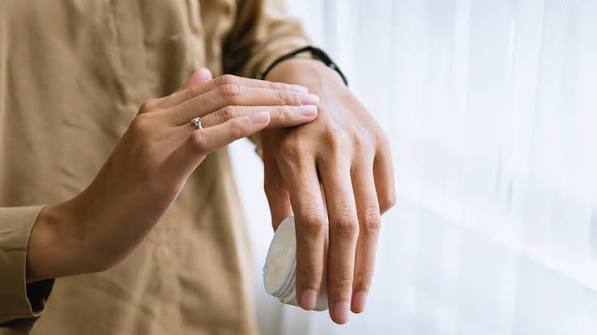
Tacrolimus ointment is a topical medication primarily prescribed for eczema, also called atopic dermatitis. It belongs to a drug class called calcineurin inhibitors, which work by calming an overactive immune response in the skin.
Unlike steroid creams, tacrolimus does not cause skin thinning, making it a popular choice for long-term or sensitive-area treatment.
Doctors often prescribe it when other treatments, such as corticosteroids, have not worked well or caused unwanted side effects.
Quick Overview: Why Tacrolimus Ointment Costs So Much
Before diving into each factor, here is a summary table of the main reasons behind the high price of tacrolimus ointment.
| Factor | Impact on Price |
|---|---|
| Complex manufacturing process | High |
| Limited number of generic manufacturers | High |
| Brand-name patent protection (Protopic) | High for brand version |
| Insurance and pharmacy pricing structures | Moderate |
| Small patient population compared to pills | Moderate |
| Lack of government price regulation in the US | Moderate |
| Packaging and storage requirements | Low to moderate |
Brand-Name vs Generic Tacrolimus Pricing
Protopic is the original brand-name version of tacrolimus ointment, and it remains significantly more expensive than the generic form. Brand-name pricing typically covers marketing, past research costs, and company profit margins.
| Version | Approximate Price (30g tube) |
|---|---|
| Brand-name Protopic | $300 to $500+ |
| Generic tacrolimus 0.03% | Around $150 |
| Generic tacrolimus 0.1% | Around $150 to $200 |
Even though generic tacrolimus is cheaper than the brand-name version, it is still considered expensive compared to many other topical treatments.
Why Even Generic Tacrolimus Is Costly
Unlike many oral generic medications, generic tacrolimus ointment does not drop dramatically in price once patents expire. This is because manufacturing a stable, effective topical formulation is far more complex than producing a simple pill.
Topical ointments require precise formulation to ensure the active ingredient penetrates the skin correctly and remains stable over time.
This manufacturing complexity limits how many companies can produce it, which keeps competition, and therefore price reduction, lower than expected, unlike simpler generic pills that often see dramatic price drops soon after patent expiration.
The Role of Research and Development Costs
Even generic drug manufacturers must invest in research, quality testing, and regulatory compliance before a product reaches the market. These costs are baked into the final price of the medication.
For a specialized topical formulation like tacrolimus, meeting bioequivalence and stability standards requires additional testing compared to simpler drug forms.
These ongoing costs help explain why prices remain elevated even years after the original patent has expired.
Patents and Market Exclusivity
When a new drug like tacrolimus ointment is developed, the manufacturer receives patent protection that grants exclusive selling rights for a set number of years. During this period, no other company can produce a generic version.
This exclusivity allows the original manufacturer to set higher prices without competitive pressure.
Even after patents expire, the transition to widely available, lower-cost generics can take time due to manufacturing complexity, sometimes taking several years longer than it does for simpler oral medications.
Limited Number of Generic Manufacturers
Unlike common oral generics, which may have a dozen or more manufacturers competing on price, tacrolimus ointment has relatively few companies producing it. Fewer manufacturers means less competitive pressure to lower prices.
| Drug Type | Typical Number of Generic Makers | Price Competition |
|---|---|---|
| Common oral tablets | Many (10+) | High |
| Specialty topical ointments | Few (2 to 5) | Low to moderate |
| Tacrolimus ointment | Limited | Low |
This smaller manufacturing base is a major reason tacrolimus ointment prices have stayed relatively high compared to other generic drugs.
No Government Price Regulation in the US
In the United States, pharmaceutical companies have significant freedom to set their own prices, unlike in countries such as Canada, where government regulation helps keep drug costs lower.
This regulatory difference is part of why American patients often pay more for the same medication compared to patients elsewhere.
International or Canadian pharmacies are sometimes used by patients seeking lower prices, though this comes with its own considerations around safety and legality.
Insurance Coverage and Out-of-Pocket Costs
How much you pay for tacrolimus ointment depends heavily on your insurance plan, including your deductible, copay structure, and whether the drug is on your plan’s formulary. Some insurers place tacrolimus in a higher-cost tier.
| Insurance Situation | Typical Out-of-Pocket Impact |
|---|---|
| Covered, low copay tier | Lower cost |
| Covered, high copay tier | Moderate to high cost |
| Not covered or high deductible | Full retail price |
| No insurance | Highest cost |
Checking your plan’s formulary or calling your insurer directly can clarify what you can expect to pay before filling a prescription, which can help you avoid an unexpected charge at the pharmacy counter.
Small Patient Population Compared to Other Drugs
Tacrolimus ointment treats a relatively specific condition, moderate to severe eczema unresponsive to other treatments, which limits the overall size of its market compared to widely used medications.
Smaller markets generally mean manufacturers need to charge more per unit to make production financially viable.
This is a common pattern seen across many specialty and niche dermatology medications, not just tacrolimus.
Comparing Tacrolimus to Other Eczema Treatments
Cost comparisons with alternative treatments help put tacrolimus pricing into perspective.
| Treatment | Approximate Cost per Gram | Notes |
|---|---|---|
| Tacrolimus 0.1% ointment | Around $2.00+ | Non-steroidal, long-term use option |
| Clobetasol (strong steroid) | Around $1.00 | Cheaper, but not for long-term use |
| Pimecrolimus cream | Comparable to tacrolimus | Similar drug class, slightly different profile |
| Hydrocortisone (mild steroid) | Under $0.50 | Much cheaper, lower potency |
While tacrolimus costs more per gram than many steroid creams, it offers an option for patients who cannot use steroids long-term due to side effects like skin thinning.
Is Tacrolimus Worth the Higher Cost
Clinical research has generally found tacrolimus ointment to be effective and well-tolerated compared to alternatives, particularly for patients who cannot use steroids on sensitive areas like the face or eyelids.
Some studies suggest tacrolimus can be more cost-effective over time despite the higher upfront price, since it may reduce flare-ups and repeat treatments.
Ultimately, the value of tacrolimus depends on individual treatment needs and should be discussed with a dermatologist, who can weigh effectiveness, side effect profile, and cost together.
Ways to Lower the Cost of Tacrolimus Ointment
Several practical strategies can help reduce out-of-pocket costs for this medication.
- Ask your pharmacist about manufacturer coupons or discount programs
- Use a prescription discount service like GoodRx to compare pharmacy prices
- Request a 90-day supply to reduce per-fill costs
- Ask your doctor about switching to generic if you’re currently on brand-name Protopic
- Explore patient assistance programs offered by drug manufacturers
Patient Assistance Programs
Many pharmaceutical companies offer patient assistance programs for patients who cannot afford their medications, including tacrolimus ointment. These programs are often income-based and require an application process.
Your dermatologist’s office or the drug manufacturer’s website can provide information on current available programs.
Nonprofit organizations focused on skin conditions may also offer resources or grants for eczema treatment costs, particularly for families managing the condition in children.
Comparing Pharmacy Prices for Tacrolimus
Prices for the same medication can vary significantly between pharmacies, even within the same city. Comparing prices before filling a prescription can lead to meaningful savings.
| Pharmacy Type | Typical Price Range |
|---|---|
| Large retail chain | Higher, less negotiable |
| Independent local pharmacy | Varies, sometimes lower |
| Mail-order pharmacy | Often lower for 90-day supplies |
| Online discount programs | Can significantly reduce price |
Calling ahead or using a price comparison tool before filling a prescription is one of the simplest ways to save money, and it often takes only a few minutes to check multiple options.
International and Online Pharmacy Options
Some patients look to international pharmacies, particularly in Canada, where drug pricing regulations keep costs lower. This can offer significant savings for long-term users of tacrolimus ointment.
It is important to verify that any international pharmacy is licensed and reputable before ordering medication.
Consulting with your doctor before switching pharmacy sources ensures continuity of care and product safety, since not all international sellers meet the same quality and regulatory standards.
How Dosage and Strength Affect Price
Tacrolimus ointment is available in two strengths, 0.03% and 0.1%, and pricing can vary slightly between them depending on the pharmacy and manufacturer.
| Strength | Typical Use Case | Price Difference |
|---|---|---|
| 0.03% | Often used in children and mild cases | Slightly lower or similar |
| 0.1% | Used in adults with moderate to severe eczema | Slightly higher or similar |
Your doctor will determine the appropriate strength based on your age, skin condition, and treatment history, which can also influence overall cost.
How Tacrolimus Ointment Is Manufactured

Producing tacrolimus ointment involves extracting and stabilizing a compound originally derived from a soil bacterium, then formulating it into a consistent, skin-safe ointment base. This process requires specialized equipment and strict quality controls.
Any inconsistency in manufacturing can affect how well the medication absorbs into the skin, which is why regulatory standards for topical formulations are especially strict.
These technical demands make it harder for new manufacturers to enter the market compared to producing a simple oral tablet.
The FDA Approval Process and Its Cost Impact
Before any generic tacrolimus ointment can be sold, it must pass through the FDA’s approval process, which confirms it performs the same way as the original brand-name product. This process, called demonstrating bioequivalence, can be costly and time-consuming for topical medications.
Because skin absorption is harder to measure precisely than blood levels from a pill, additional testing is often required.
These regulatory hurdles add to the overall cost of bringing a generic tacrolimus product to market, which is reflected in its retail price.
How Tacrolimus Pricing Compares Globally
Drug pricing varies significantly by country due to differences in regulation, insurance systems, and government negotiation power. The United States generally has some of the highest prescription drug prices in the world.
| Country | General Price Trend for Tacrolimus |
|---|---|
| United States | Highest, largely unregulated pricing |
| Canada | Lower, due to price regulation |
| United Kingdom | Lower, covered by national health system |
| Australia | Lower, subsidized under national programs |
This global price gap is one of the main reasons some patients explore international pharmacy options for long-term treatment.
Why Pharmacy Prices Vary So Much for the Same Drug
It may seem strange that the exact same medication can cost drastically different amounts at two pharmacies just a few miles apart. This happens because pharmacies negotiate separate pricing agreements with wholesalers and insurance intermediaries.
Pharmacy benefit managers, the companies that negotiate prices between insurers and pharmacies, also play a significant role in determining what a specific pharmacy charges.
This lack of pricing transparency is part of why comparison shopping can lead to noticeably different costs for the same prescription.
Long-Term Cost Considerations for Chronic Eczema Treatment
Since eczema is often a chronic, recurring condition, patients may need tacrolimus ointment for extended periods, making the cumulative cost an important factor in treatment planning. A single tube may not go far if flare-ups are frequent.
Discussing a long-term treatment and budgeting plan with your dermatologist can help avoid unexpected financial strain.
Combining tacrolimus with other management strategies, such as trigger avoidance and proper moisturizing, may reduce how often refills are needed.
Common Misconceptions About Tacrolimus Pricing
A few misunderstandings often come up when patients first see the price of tacrolimus ointment.
| Misconception | Reality |
|---|---|
| Generic always means cheap | Not true for complex topical formulations like tacrolimus |
| Insurance always covers it fully | Coverage varies widely by plan and tier |
| Price reflects how well it works | Price is driven by market and manufacturing factors, not effectiveness |
| All pharmacies charge the same | Prices can vary significantly by location and provider |
Questions to Ask Your Doctor or Pharmacist About Cost
Having a short list of questions ready can make cost conversations with your healthcare team more productive. Most providers are used to discussing pricing and are glad to help.
- Is a generic version available and appropriate for my treatment?
- Does my insurance plan cover this medication, and at what tier?
- Are there manufacturer coupons or discount programs I qualify for?
- Would a 90-day supply reduce my overall cost?
- Are there lower-cost alternatives that could meet my treatment goals?
Bringing these questions to your next appointment can open the door to savings you might not find on your own.
Looking Ahead: Will Tacrolimus Ointment Get Cheaper
Drug prices can shift over time as more manufacturers enter a market or as policy changes affect pricing regulation. For tacrolimus, meaningful price drops depend heavily on increased generic competition.
Advocacy for prescription drug price transparency and reform continues in the United States, which could eventually affect specialty topical medications like tacrolimus.
In the meantime, using available discount tools and assistance programs remains the most reliable way to manage costs.
Frequently Asked Questions (FAQs)
1. Why is tacrolimus ointment so expensive even as a generic?
Generic tacrolimus remains costly because manufacturing a stable topical formulation is complex and only a limited number of companies produce it. This keeps competition, and price drops, lower than typical generic drugs.
2. How much does tacrolimus ointment cost without insurance?
A 30g tube of generic 0.03% tacrolimus ointment typically costs around $150 without insurance. Prices can vary by pharmacy, strength, and location.
3. Is brand-name Protopic more expensive than generic tacrolimus?
Yes, brand-name Protopic often costs $300 to $500 or more per tube, significantly higher than the generic version. Switching to generic can lead to substantial savings.
4. Does insurance usually cover tacrolimus ointment?
Many insurance plans cover tacrolimus, but coverage tiers and copays vary widely between providers. Checking your plan’s formulary can clarify your expected cost.
5. Can I use a discount card to lower the cost of tacrolimus?
Yes, services like GoodRx can significantly reduce the price of tacrolimus ointment, sometimes even below insurance copays. It’s worth comparing prices before filling your prescription.
6. Why is tacrolimus more expensive than steroid creams?
Tacrolimus is a non-steroidal option that avoids skin-thinning side effects, which involves more complex formulation and a smaller market than common steroid creams. This drives up its per-gram cost.
7. Is tacrolimus 0.1% more expensive than 0.03%?
Pricing between the two strengths is often similar, though it can vary slightly by pharmacy and manufacturer. Your doctor will choose the strength based on medical need, not cost alone.
8. Are there cheaper alternatives to tacrolimus ointment?
Pimecrolimus cream is a similar non-steroidal alternative, while corticosteroids are generally cheaper but not suitable for long-term use. Your dermatologist can help weigh cost against treatment goals.
9. Can I get financial assistance for tacrolimus ointment?
Yes, many manufacturers offer patient assistance programs based on income for those who qualify. Your doctor’s office can often help you apply.
10. Will tacrolimus ointment prices go down in the future?
Prices could decrease if more generic manufacturers enter the market, but this has been slow due to production complexity. For now, discount programs remain the most reliable way to save.
Conclusion
Tacrolimus ointment remains expensive largely because of complex manufacturing requirements, a limited number of generic producers, and the lack of government price regulation in the United States.
Brand-name Protopic carries an even higher price tag due to patent protection, while generic versions, though more affordable, still cost more than many alternative eczema treatments.
Despite the higher price, tacrolimus offers real value for patients who cannot rely on steroids long-term, particularly for sensitive areas like the face.
Comparing pharmacy prices, using discount programs like GoodRx, requesting 90-day supplies, and exploring patient assistance programs are all practical ways to reduce your out-of-pocket costs.
If the price remains a barrier, talking openly with your dermatologist or pharmacist can help you find the most affordable path to consistent, effective treatment.