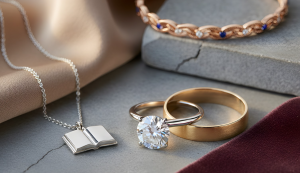

Why Jewelry Is Important: Meaning, Style, and Value

Jewelry is important because it ties together identity, style, emotion, culture, and financial value in a single, wearable form. People wear jewelry to express who they are, mark life’s biggest moments, feel more confident, and sometimes to store real, tangible wealth.
Jewelry is more than decoration; it’s a powerful form of self-expression that connects identity, emotion, culture, and value in one wearable piece. From ancient amulets to modern moissanite chains, what you wear on your body influences how you feel, how others perceive you, and how you remember your life’s story.
For those just beginning their jewelry journey, starting with versatile pieces like a trendy men’s bracelet can be an accessible entry point. Understanding why jewelry matters helps you choose pieces with intention and build a collection that reflects who you truly are.
Jewelry as Personal Expression and Identity
Jewelry is one of the fastest ways to say “this is who I am” without speaking.
Expressing Your Unique Style
The importance of jewelry in daily life starts with self-expression. A minimal gold band, a stack of silver rings, or a loud iced-out pendant each sends a different message about taste, personality, and lifestyle.
A few ways jewelry shapes personal style:
- Minimal pieces signal subtle, refined taste.
- Bold, oversized jewelry signals confidence and creativity.
- Vintage or handmade pieces hint at a love for stories and history.
This is why jewelry is important in fashion: the same outfit can look casual, edgy, or elegant just by changing the necklace or earrings. When people talk about “signature style,” they often mean the repeat elements, like the same hoop earrings or chain you become known for. Creating a cohesive personal brand extends beyond physical style; for content creators and influencers, having distinctive jewelry can become part of your visual identity across platforms. Resources like social media bio ideas can help you articulate your style in your profile descriptions.
Communicating Identity Without Words
Jewelry also carries identity markers: culture, beliefs, affiliations, and even profession. Religious symbols, family crests, zodiac pendants, and fraternity or sorority pieces all say who someone is and what matters to them.
In hip-hop and urban fashion, the importance of jewelry is even more explicit. Thick Cuban link chains, iced-out pendants, and custom name pieces show status, success, and belonging to a specific cultural movement. High-quality hip-hop jewelry, such as moissanite Cuban link chains or grillz, is not just fashion; it is a visual language of achievement and confidence.
Why Jewelry Is Important in Fashion
In fashion, the question is not just “why do people wear jewelry” but “why do outfits feel unfinished without it.”
The Finishing Touch That Transforms Outfits
Jewelry matters because it changes the entire feel of a look in seconds. A plain black dress plus no jewelry looks simple; add a bold necklace,e and it becomes elegant; add layered chains, ns and it becomes edgy.
Key fashion functions:
- Creates a focal point (necklace, earrings, or bracelet).
- Adds texture and shine to basic fabrics.
- Shifts a look from day to night without changing clothes.
For urban and streetwear styles, statement jewelry like tennis chains or moissanite pendants can define the entire outfit. A hoodie and jeans can go from casual to “celebrity off-duty” when paired with a striking chain or bracelet.
Practical Styling: Matching Jewelry to You
The importance of jewelry in fashion isn’t only about trends; it’s about fit and proportion. The right jewelry:
- Frames the face (earrings and necklaces).
- Balances body proportions (long necklaces elongate, chokers shorten).
- Highlights skin tone (gold often flatters warm undertones, silver cool tones).
Simple styling rules:
- V-necklines pair well with pendants that follow the V shape.
- High necklines suit statement earrings or bracelets instead of heavy necklaces.
- Busy prints work better with simpler jewelry; solid outfits can handle bolder pieces.
Emotional and Psychological Benefits of Jewelry
Ask people why jewelry is important to them personally, and you will hear feelings before facts.
Confidence, Presence, and “Armor”
Many people say they “don’t feel fully dressed” without jewelry. That is not vanity; it is psychology. Jewelry can act as a subtle form of armor, something that helps you feel composed, put-together, and ready to face the world.
Jewelry can:
- Boost confidence in professional settings (classic watch, subtle studs, minimalist chain).
- Help with stage presence or public speaking (a “lucky” ring or necklace).
- Signal self-respect and care in how you present yourself.
When jewelry becomes part of a daily ritual, putting on the same watch, ring, or studs before work,k it creates a mental cue: “I am ready.”
Memory Anchors and Emotional Comfort
Another reason why jewelry matters is its role as a memory anchor. A bracelet from a trip, a necklace from a partner, or earrings from a family member can instantly pull up vivid memories when you touch or see them.
Sentimental jewelry often:
- Provides comfort during stressful times.
- Creates a sense of closeness to absent or lost loved ones.
- Turns ordinary days into small rituals of remembrance.
This emotional weight is why losing a piece of jewelry can feel like losing a piece of history, even when the item is not financially valuable.
Symbolic and Sentimental Importance of Jewelry
Jewelry often becomes the physical symbol of invisible feelings.
Love, Commitment, and Life Milestones
Engagement rings and wedding bands are the clearest examples of why jewelry is important: they stand in for vows, promises, and entire relationships. Whether choosing traditional diamond rings or modern alternatives like moissanite engagement rings, the symbolism goes further:
- Promise rings for early commitment.
- Graduation pendants to mark achievements.
- Push presents or anniversary pieces to celebrate milestones.
These items carry the story of a specific moment in time. The ring or necklace is important not because of the metal or stone alone, but because of what happened when it was given.
The Power of Jewelry as a Gift
People often choose jewelry when they want a gift that feels “serious” and lasting. Unlike clothes or gadgets that wear out or go out of style fast, a well-chosen piece of jewelry can last decades.
Jewelry gifts:
- Signal deep thought and emotional investment.
- Can be worn often and seen daily, reinforcing the bond.
- Become shared reference points (“this is the bracelet you gave me when…”).
This is one of the strongest reasons why jewelry is important in relationships: it turns feelings into something visible and enduring.
Cultural and Historical Significance of Jewelry
The importance of jewelry across cultures is longstanding and remarkably consistent.
Status, Power, and Protection Through History
From ancient Egypt to royal courts, jewelry has served as a marker of rank and power. Crowns, signet rings, royal necklaces, and ceremonial pieces told everyone who held authority.
Historically, jewelry also functioned as:
- Protection (amulets, talismans, evil eye charms).
- Currency and portable wealth in regions without stable banks.
- Religious devotion, such as crosses, medallions, and prayer beads.
Even today, many cultures place heavy emphasis on bridal gold, dowry jewelry, and ceremonial ornaments. In these contexts, the importance of jewelry is woven into identity, ritual, and security.
Preserving Heritage and Belonging
Traditional and ethnic jewelry styles keep cultural stories alive. Patterns, materials, and motifs each carry meaning:
- Tribal patterns may represent clans or regions.
- Certain stones or colors may be tied to local beliefs.
- Specific designs might be reserved for particular ceremonies.
Owning and wearing this kind of jewelry is not just fashion; it is a quiet act of honoring ancestors and keeping heritage visible in a modern world.
Family Legacy and Heirloom Jewelry
Heirloom jewelry explains why jewelry is important across generations, not just lifetimes.
Inherited Pieces and Family Stories
A ring from a grandparent, a brooch from a great-aunt, or cufflinks from a father hold layers of personal and family meaning. The financial value may be modest or huge; the emotional value is often priceless.
Heirloom jewelry:
- Connects people to relatives they may never have met.
- Carries stories that get retold at family gatherings.
- Serves as a physical thread linking past, present, and future.
This is why people often protect and insure certain pieces with more care than many other possessions.
Building Your Own Future Heirlooms
Thinking long term, part of the importance of jewelry is its potential to outlive you. Choosing quality pieces today can mean your children or grandchildren will wear and treasure them.
To create future heirlooms:
- Prioritize timeless designs over fleeting trends.
- Choose durable materials (gold, platinum, high-quality stones).
- Document the story behind each piece (who gave it, when, why).
Heirloom-building turns jewelry purchases into intentional acts of legacy.
Jewelry as Financial Asset and Investment
Beyond emotion and culture, the importance of jewelry includes its role as a tangible asset.
Wearable Wealth and Value Retention
High-quality jewelry, gold, platinum, diamonds, fine gemstones, and certain luxury watches can hold or even grow in value over time. Unlike many consumer items, properly stored and maintained jewelry often remains sellable decades later.
Key financial aspects:
- Gold and platinum track global commodity prices.
- Certified diamonds and branded watches can retain strong resale value.
- Rare or signed pieces may appreciate due to scarcity.
For many families and cultures, jewelry doubles as emergency savings: portable, relatively discreet, and recognizable worldwide.
Smart and Modern Jewelry Investing
Answering “why is jewelry important” for modern buyers also requires looking at alternatives and strategy. Not every piece is a great investment; costume jewelry rarely holds value.
More strategic approaches:
- Focus on solid precious metals rather than plated items.
- Check certifications for diamonds and gemstones.
- Consider quality moissanite for affordable luxury: while it may not appreciate like fine diamonds, it offers high visual impact at a fraction of the price, making it a smart choice for people who prioritize look, durability, and ethical sourcing.
Treating jewelry as part enjoyment and part asset helps buyers make informed decisions rather than impulse purchases.
Social Functions and Connection
Jewelry also plays a social role that subtly influences how people interact.
Conversation Starters and Shared Interests
A bold necklace, an unusual ring, or an intricate bracelet often draws comments from strangers and acquaintances. This is one more reason why jewelry is important: it opens doors to interaction.
Common examples:
- Compliments that turn into conversations.
- Questions about where a piece came from.
- Shared appreciation among jewelry enthusiasts or collectors.
In social and professional spaces, well-chosen jewelry can help people appear more approachable and memorable. Building an online presence can amplify this effect. Social media growth services help jewelry enthusiasts and businesses showcase their collections to wider audiences.
For jewelry businesses looking to increase their online visibility, strategic link-building services can improve search rankings and drive more organic traffic to product pages.
Community, Groups, and Belonging
Matching jewelry pieces, friendship bracelets, sorority pins, or team rings all express belonging. People wear them to:
- Signal membership in a group.
- Strengthen bonds with friends or teammates.
- Visibly support causes or communities.
Jewelry here acts like a badge, quiet but powerful in how it builds connections.
Jewelry as Art and Craftsmanship
The importance of jewelry also lies in the artistry and labor behind each piece.
Wearable Art You Live With
Fine jewelry is not just manufactured; it is designed. From the first sketch to the final polish, artistic choices shape the result:
- Stone cuts and settings create light patterns.
- Metalwork creates texture, depth, and form.
- Design choices express themes and narratives.
When people collect jewelry, they are often collecting art that they can wear instead of hanging on a wall.
Respecting the Skills Behind Each Piece
Behind most jewelry lies a jeweler, stone setter, engraver, or designer with years of training. The importance of jewelry is easier to see when you understand:
- How many steps does it take to turn raw metal into a finished ring?
- How precise stone-setting must be to secure gems safely.
- How design and engineering combine to keep pieces comfortable and durable.
Appreciating jewelry as craft shifts focus from “shiny object” to “human skill made visible.”
Practical Style and Personal Presentation
Jewelry also plays a highly practical role: it helps people look more polished with minimal effort.
Highlighting Your Best Features
Well-chosen jewelry guides where others’ eyes go:
- Earrings draw attention to the eyes and cheekbones.
- Necklaces frame the face and neckline.
- Bracelets and rings highlight hands and gestures.
For people who want a simple style system, a few reliable jewelry pieces can make almost any outfit look intentional and put-together. Pairing jewelry with a well-groomed appearance creates a complete, polished look. Men’s grooming products can complement your jewelry choices by ensuring your overall presentation is sharp and intentional.
Occasion-Ready Without Stress
Another reason why jewelry is important: it solves the “what do I wear” problem for events. A small collection of versatile pieces, studs, a simple chain, a statement necklace, and a classic bracelet can carry someone from work to dinner to formal occasions.
Jewelry acts as a flexible toolkit:
- Subtle pieces for professional or conservative settings.
- Sparkling pieces for evening or celebrations.
- Personal, symbolic items for important life events.
Deeper Meaning, Symbolism, and Spirituality
For many, the importance of jewelry reaches beyond style and status into belief and meaning.
Symbols, Talismans, and Protection
Throughout history, jewelry has been used as a shield and symbol:
- Evil eye charms, hamsas, and crosses for protection.
- Stones associated with calm, courage, or clarity.
- Astrological or spiritual symbols worn close to the body.
Even when people do not literally believe in magic, they often feel more grounded and intentional when wearing pieces that “mean something” to them.
Making Personal Meaning Visible
Jewelry allows people to carry their values, memories, and hopes in visible form. That alone explains much of why jewelry is important:
- It can represent goals (a ring you buy to mark a career achievement).
- It can symbolize transformation (a new piece after a major life change).
- It can remind you daily of what matters most.
Jewelry, at its best, turns the abstract love, identity, heritage, and ambition into something you can touch.
How to Use This Understanding in Your Own Life
Knowing why jewelry is important helps you choose and wear it with more intention.
Practical Takeaways for Choosing Jewelry
When you buy or wear jewelry, ask:
- What do I want this piece to express about me?
- Will this matter emotionally five or ten years from now?
- Does it fit my lifestyle, values, and budget?
- Could this become something I pass down?
Answering these questions turns jewelry from “just an accessory” into a tool for storytelling, confidence, connection, and even long-term value.
Conclusion
Jewelry holds lasting importance because it serves multiple roles simultaneously: it’s personal expression, emotional anchor, cultural symbol, financial asset, and wearable art all at once. Whether you’re drawn to minimalist gold bands or statement iced-out pieces, the jewelry you choose shapes how you present yourself to the world and how you remember significant moments.
The best approach to building a jewelry collection is to focus on pieces that genuinely resonate with your identity and values. Start with versatile basics that work across multiple occasions, then add statement pieces that reflect your personality. Consider both the emotional significance and practical value of each purchase. Quality pieces from trusted sources can become treasured heirlooms that outlast trends.
Remember that jewelry is deeply personal. What matters most is not following every trend or owning the most expensive pieces, but selecting items that make you feel confident, connected to your story, and ready to face the world.