


How to Choose the Perfect Office Couch for Your Reception Area
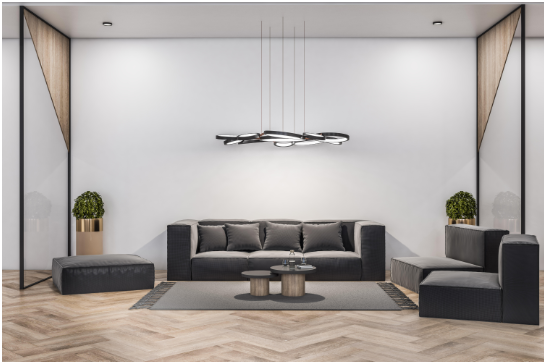
The ideal office couch should not only look professional but also enhance the overall experience for every guest who walks through your doors. And there are many critical factors to consider when choosing the perfect couch for your reception area. Let’s explore some of them.
Traffic Flow and Couch Footprint
While a couch might look ideal in a catalog or showroom, it could dominate your reception area in real life. Beyond basic measurements, think about the flow of movement in the space. Will the couch obstruct walkways? Does it require people to squeeze past it? A couch with a large footprint might seem inviting, but it can create discomfort and even safety hazards if it impedes movement. Opt for a layout that balances seating capacity with free space.
When selecting the ideal office couch, it’s essential to consider the overall aesthetic and functionality of your reception area. Complementing your couch with the right seating options can enhance the space’s appeal and comfort. To achieve a cohesive look, consider pairing your couch with stylish and ergonomic seating solutions. You can browse top office chairs to find designs that match your office’s theme and provide additional comfort for your visitors. This approach not only elevates the visual appeal of your reception area but also ensures a welcoming and professional environment for clients and guests.
Seat Height and Accessibility
Reception areas welcome a wide range of people, including clients, vendors, potential, and employees, and they come in all ages and physical conditions. Lower couches may appear stylish, but they can be difficult for elderly visitors or those with mobility issues to sit on or get up from. The ideal seat height is typically around 17 to 19 inches. Testing different heights or choosing a couch with firm, supportive cushions can make the experience more inclusive and user-friendly.
Fabric Choice Beyond Aesthetics
Most people consider fabric for its color and texture, but practical considerations are just as important. For example, synthetic blends like polyester or performance fabrics offer better stain resistance and durability than natural fibers like cotton or linen. In high-traffic areas, materials that are easy to clean and resist fading from sunlight are essential.
Additionally, think about how the material feels in all seasons. Leather, while luxurious, can be cold in the winter and sticky in the summer. Breathable fabrics that regulate temperature can add subtle comfort that leaves a lasting impression.
When selecting a couch, consider the needs of your visitors. For instance, if your office frequently hosts clients from diverse backgrounds, such as local elder law attorneys near me, it’s essential to choose a design that accommodates various preferences and comfort levels. A versatile couch with adjustable features can cater to different body types and ages, ensuring everyone feels welcome. Additionally, incorporating elements like easy-to-clean fabrics and durable materials can enhance the longevity of your investment, making it both practical and stylish. This thoughtful approach not only elevates the aesthetic appeal of your reception area but also reflects your commitment to providing a welcoming environment for all guests.
Acoustics and Sound Absorption
A couch, especially one made with soft, plush materials, can act as a passive sound absorber, helping to reduce echo and ambient noise. In modern office spaces with hard flooring and minimal partitions, this can significantly improve the acoustic environment, making the space feel calmer and more professional.
In a noisy reception area, opt for upholstered couches with thick cushions and pair them with rugs or fabric wall panels to create a more acoustically friendly zone.
Subtle Branding and Psychological Cues
There is no doubt that furniture sends messages. Your couch’s color, shape, and material all contribute to how people perceive your brand. A firm, structured couch in dark leather may signal seriousness and formality. This is great for a law firm or financial institution. In contrast, a bright, curvy couch might be more suitable for a creative agency or tech startup.
Subtle branding doesn’t mean printing your logo on the upholstery. It’s about aligning the emotional tone of your space with your business identity. One question to ask yourself is whether you want visitors to feel relaxed, impressed, energized, or reassured?
Maintenance and Long-Term Costs
While initial costs often dominate furniture decisions, the total cost of ownership is a smarter metric. A cheaper couch may save you money upfront but could wear out quickly, sag, or require frequent repair. Be sure to ask about expected lifespan, replacement parts, and warranty coverage. Also, consider couches that allow you to replace only one section instead of the entire unit if damage occurs.
Ultimately, the reception area is often the first physical touchpoint with your brand. Hence, you need to choose a couch that truly fits the space and leaves a lasting impression. The perfect office couch isn’t just furniture; it’s a strategic investment in your brand experience.


