Electrical Panel Safety Tips Every Facility Manager Should Know
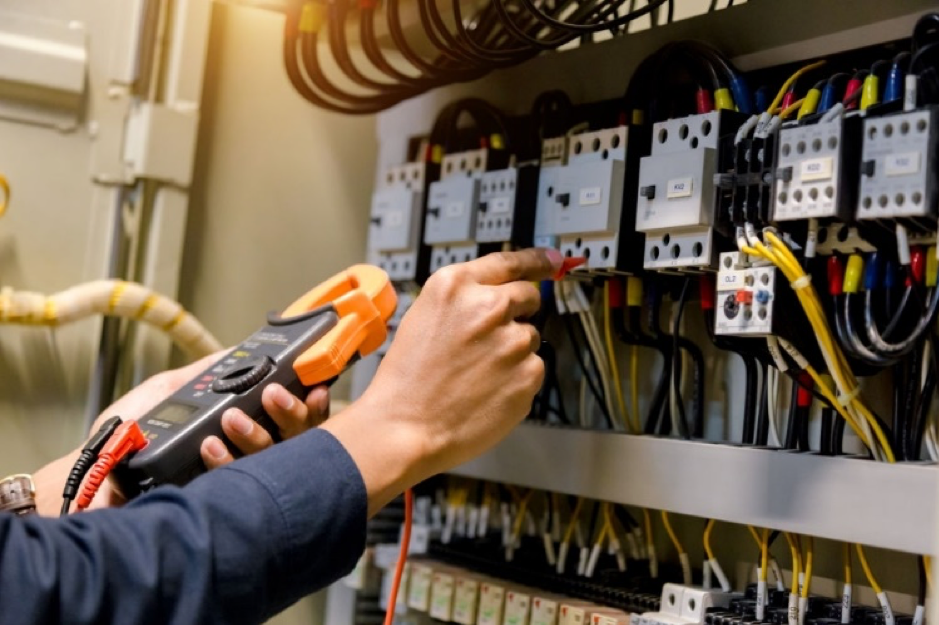
If you manage a facility—whether it’s a commercial building, school, warehouse, or manufacturing plant—you’ve probably got a long list of responsibilities. One that should never be overlooked is the safety and maintenance of your electrical control panels.
These panels are the heartbeat of your building’s electrical system. They distribute power, protect circuits, and ensure everything from lighting to heavy machinery operates correctly. But they also pose serious risks if they’re neglected. Fires, outages, electrical shocks, and equipment failure are all potential outcomes when safety isn’t made a top priority.
In addition to these essential safety measures, it’s crucial for facility managers to stay informed about local regulations and resources. Engaging with local experts can provide valuable insights and support in maintaining electrical safety standards. For those in the Portland area, you can learn more about their Portland office, which offers specialized services and guidance tailored to the unique needs of your facility. By leveraging local expertise, facility managers can ensure that their electrical systems are not only compliant but also optimized for safety and efficiency. This proactive approach not only safeguards the facility but also enhances overall operational reliability.
The good news? You don’t have to be an electrician to understand the basics. Here are the essential electrical panel safety tips every facility manager should know.
Regular maintenance and inspections are crucial for ensuring the safety and efficiency of your facility’s electrical panels. Engaging a team of qualified professionals can make a significant difference in identifying potential hazards before they become serious issues. To ensure your facility is in expert hands, you can view our team, who are equipped with the knowledge and experience to handle all your electrical needs. By prioritizing safety and expertise, you can maintain a secure environment and prevent costly downtime due to electrical failures.
1. Know Where Your Panels Are and Keep Them Accessible
This might seem obvious, but you’d be surprised how many electrical control panels are blocked by boxes, furniture, or even filing cabinets. In an emergency, seconds count. Make sure every panel is easy to find and access.
National Electrical Code (NEC) standards require at least 3 feet of clearance in front of electrical panels. Make that space a no-storage zone and ensure the panel door can open fully.
2. Label Everything Clearly
If your panel is a maze of unlabeled switches and breakers, it’s time for a cleanup. Proper labeling isn’t just about organization—it’s a safety requirement.
Clear labels help your maintenance team, your electrician, and even emergency personnel know exactly what they’re working with. Use durable labels that won’t wear off over time and check them periodically for accuracy.
3. Perform Regular Visual Inspections
You don’t need a toolbox to give your electrical control panels a quick visual once-over. Look for:
- Rust or corrosion
- Burn marks or discoloration
- Loose wires
- Dust buildup
- Tripped breakers
If you notice anything that doesn’t look right, call a licensed electrician immediately. Catching small issues early can prevent big problems later.
4. Keep Panels Clean and Dry
Moisture and dust are enemies of electrical components. Water can cause shorts or corrosion, and dust buildup can lead to overheating or even fires.
Make sure your electrical panels are located in a clean, dry area. If you operate in a high-dust environment, schedule more frequent cleanings and consider installing sealed enclosures rated for tough conditions.
5. Never Overload Your Panels
Just because there’s an empty slot on the panel doesn’t mean you can keep adding more breakers without a plan. Overloaded electrical control panels can overheat and become fire hazards.
If you’re expanding your facility or adding new equipment, have an electrician evaluate your system. They can let you know if your current setup can handle the extra load or if an upgrade is needed.
6. Schedule Preventive Maintenance
A reactive approach to electrical issues almost always ends up being more expensive and stressful. Instead, set up a preventive maintenance schedule with a trusted Idaho Falls electrician.
Routine checks should include:
- Thermal imaging to spot hot spots
- Torque checks to ensure tight connections
- Insulation resistance testing
- Cleaning and debris removal
These services keep your panels running efficiently and help prevent unexpected downtime.
7. Train Your Staff on Electrical Safety
While your team doesn’t need to be electrical experts, they should know the basics. Train them to recognize warning signs like strange smells, humming noises, or flickering lights. Make sure they know not to open or tamper with electrical control panels unless they’re qualified to do so.
Post signage near panels to remind everyone that only licensed professionals should handle electrical systems.
8. Have an Emergency Plan in Place
In the event of an electrical fire or major power failure, your team should know what to do. Create a plan that outlines:
- Who to contact (electrician, fire department, building owner)
- When to evacuate
- Where circuit breakers are located for shut-off
- How to use fire extinguishers rated for electrical fires
Run through this plan with your staff at least once a year to keep it fresh.
Run Your Electrical Control Panel Smoothly
Electrical control panels may not be the flashiest part of your facility, but they’re certainly one of the most important. A little attention to safety goes a long way in preventing costly breakdowns and keeping your building running smoothly.
Partnering with a skilled electrician and staying proactive with inspections and maintenance will help you stay ahead of potential problems. After all, no one wants to deal with a blackout during peak hours or an emergency shutdown in the middle of a big project.
So, keep those panels safe, those labels sharp, and your team informed. Your building—and your peace of mind—will thank you.